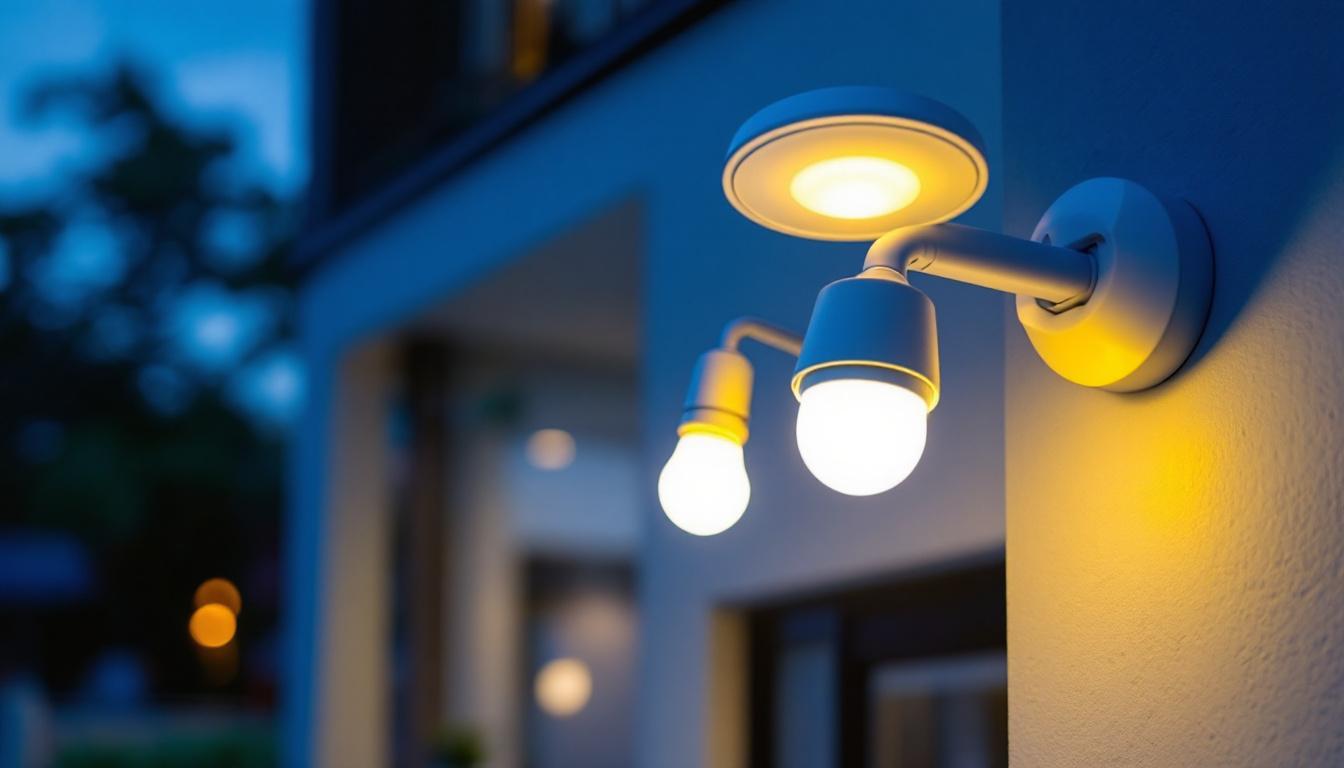
In the evolving landscape of outdoor lighting, solar driveway lights have emerged as a popular choice among homeowners and lighting contractors alike. These innovative lighting solutions not only enhance the aesthetic appeal of a property but also offer energy efficiency and sustainability. For lighting contractors looking to expand their service offerings, mastering the installation and maintenance of outdoor solar driveway lights can be a game-changer. This article delves into the essential aspects of solar driveway lights, providing valuable insights for lighting contractors.
Understanding Solar Driveway Lights
Solar driveway lights are designed to illuminate driveways, pathways, and other outdoor areas using solar energy. These lights typically consist of solar panels, LED bulbs, and rechargeable batteries. As the sun shines during the day, the solar panels convert sunlight into energy, which is stored in the batteries for use at night. This self-sustaining mechanism makes solar lights an attractive option for many homeowners.
Benefits of Solar Driveway Lights
One of the primary advantages of solar driveway lights is their energy efficiency. Unlike traditional electric lights, solar lights do not require wiring or electricity, significantly reducing installation costs. Additionally, they contribute to lower energy bills and a reduced carbon footprint, aligning with the growing trend towards eco-friendly living.
Moreover, solar driveway lights are easy to install and maintain. Most models are designed for simple setup, often requiring no more than a few minutes to place them in the desired location. This ease of installation can be a selling point for contractors who want to provide quick and efficient service to their clients. Furthermore, many solar lights come equipped with sensors that automatically turn on at dusk and off at dawn, ensuring that homeowners never have to worry about manually operating their lights. This feature not only enhances convenience but also maximizes the lifespan of the bulbs by preventing unnecessary usage.
Types of Solar Driveway Lights
There are several types of solar driveway lights available on the market, each with its unique features and applications. Some common types include:
- Pathway Lights: These lights are typically low to the ground and are designed to illuminate pathways and driveways, providing safety and visibility.
- Spotlights: Solar spotlights can be directed to highlight specific areas, such as landscaping features or architectural elements.
- Flood Lights: These provide broader illumination and are ideal for larger driveways or outdoor spaces.
Understanding the different types of solar driveway lights allows contractors to recommend the best options based on their clients’ needs and preferences. Additionally, some solar lights come with customizable brightness settings or color options, enabling homeowners to create the perfect ambiance for their outdoor spaces. For instance, warm white lights can create a cozy atmosphere for evening gatherings, while brighter, cooler lights can enhance security by illuminating dark areas effectively. This versatility not only meets aesthetic desires but also caters to practical safety concerns, making solar driveway lights a comprehensive solution for outdoor illumination.
Installation Best Practices
To ensure optimal performance and longevity of solar driveway lights, proper installation is crucial. Lighting contractors should consider several factors during the installation process.
Site Assessment
Before installation, conducting a thorough site assessment is essential. Contractors should evaluate the area for sunlight exposure, as this will directly impact the effectiveness of the solar panels. Ideally, lights should be placed in locations that receive direct sunlight for most of the day.
Additionally, assessing the landscape for potential obstructions, such as trees or buildings, is vital. These obstacles can cast shadows and reduce the solar lights’ ability to charge effectively. It’s also important to take note of seasonal changes in sunlight; for instance, trees may have fuller foliage in summer, which could block sunlight, while in winter, the same trees may be bare. Understanding these dynamics can help in planning for year-round performance.
Proper Placement and Spacing
When installing solar driveway lights, placement and spacing are critical to achieving the desired illumination. A general rule of thumb is to space lights about 10 to 15 feet apart, depending on the brightness and type of light. Pathway lights should be positioned to illuminate the edges of the driveway, while spotlights can be strategically placed to highlight specific features.
Contractors should also consider the height of the lights. For pathway lights, a lower height is typically preferred to create a warm, inviting atmosphere, while spotlights may be installed higher to cast light over a larger area. Furthermore, the angle of the lights should not be overlooked; adjusting the tilt can help direct light where it is most needed, enhancing safety and aesthetics. In addition, testing the lights after installation can help identify any necessary adjustments, ensuring that each light serves its purpose effectively and contributes to a cohesive lighting design.
Maintenance and Troubleshooting
While solar driveway lights require less maintenance than traditional lighting systems, they still need occasional care to ensure optimal performance. Lighting contractors should educate their clients on basic maintenance practices.
Regular Cleaning
One of the simplest yet most effective maintenance tasks is keeping the solar panels clean. Dust, dirt, and debris can accumulate on the panels, reducing their ability to absorb sunlight. Contractors should recommend that homeowners clean the solar panels regularly, especially after storms or windy conditions.
Using a soft cloth and mild soap can effectively remove grime without damaging the panels. This simple task can significantly enhance the efficiency of the solar lights. Additionally, homeowners should be encouraged to inspect the surrounding area for overhanging branches or foliage that may cast shadows on the panels, obstructing sunlight and diminishing performance. Regularly trimming back any nearby vegetation can ensure that the solar lights receive maximum exposure to sunlight throughout the day.
Troubleshooting Common Issues
Lighting contractors should be prepared to troubleshoot common issues that may arise with solar driveway lights. Some frequent problems include:
- Dim or Flickering Lights: This may indicate a low battery charge. Homeowners should be advised to check if the lights are receiving adequate sunlight.
- Non-Functioning Lights: If lights do not turn on, it could be due to a faulty battery or a malfunctioning solar panel. Replacement parts may be necessary.
- Inconsistent Performance: If lights perform erratically, it may be due to obstructions or dirt on the solar panels.
Being proactive in addressing these issues can enhance customer satisfaction and establish a contractor’s reputation for reliability and expertise. Furthermore, contractors should inform homeowners about the importance of battery maintenance. Over time, batteries can degrade, leading to diminished performance. Suggesting a periodic battery check or replacement schedule can help ensure that the lights remain functional and bright. Homeowners may also benefit from understanding the lifespan of their solar lights, as knowing when to replace the entire unit can save them time and frustration in the long run. By providing comprehensive guidance on these aspects, contractors can empower homeowners to take an active role in maintaining their solar driveway lights.
Design Considerations
When recommending solar driveway lights, contractors should also take into account the design and aesthetic preferences of their clients. The right lighting can complement the overall landscape design and enhance the curb appeal of a property.
Style and Finish
Solar driveway lights come in various styles and finishes, ranging from modern and sleek to traditional and ornate. Contractors should discuss these options with homeowners to ensure the lights align with their vision for the outdoor space.
For example, a contemporary home may benefit from minimalist solar lights with clean lines, while a rustic property might be better suited for lantern-style fixtures. Matching the style of the lights with the architectural features of the home can create a cohesive look.
Color Temperature and Brightness
Another critical design consideration is the color temperature and brightness of the lights. Solar driveway lights are available in various color temperatures, typically measured in Kelvin (K). Warmer temperatures (around 2700K) create a cozy atmosphere, while cooler temperatures (around 5000K) provide a more modern, bright look.
Contractors should help clients choose the right brightness level based on the intended use of the driveway. For example, brighter lights may be necessary for safety and visibility, while softer lights may be more suitable for ambiance.
Marketing Solar Driveway Lights
As a lighting contractor, effectively marketing solar driveway lights can set a business apart from competitors. Understanding the unique selling points of solar lights can help contractors communicate their value to potential clients.
Highlighting Energy Efficiency
One of the most compelling selling points of solar driveway lights is their energy efficiency. Contractors should emphasize how these lights can reduce energy costs and contribute to a more sustainable lifestyle. Providing statistics on energy savings and carbon footprint reduction can help convince homeowners of the benefits.
Additionally, showcasing the long-term cost savings associated with solar lights, such as reduced electricity bills and minimal maintenance costs, can further enhance their appeal.
Showcasing Versatility
Solar driveway lights are not limited to driveways; they can also be used in various outdoor settings, such as gardens, patios, and walkways. Highlighting this versatility can broaden the appeal of solar lights to potential clients who may be looking for comprehensive outdoor lighting solutions.
Contractors can create marketing materials that showcase different installation scenarios, demonstrating how solar lights can enhance various outdoor spaces.
Conclusion
Outdoor solar driveway lights present a unique opportunity for lighting contractors to expand their service offerings and meet the growing demand for sustainable lighting solutions. By understanding the benefits, installation best practices, maintenance requirements, design considerations, and effective marketing strategies, contractors can master the art of solar driveway lighting.
As the market for solar lighting continues to grow, contractors who invest time in mastering this niche will not only enhance their business prospects but also contribute to a more sustainable future. Embracing the potential of solar driveway lights can lead to satisfied clients and a thriving business.
Illuminate Your Projects with LumenWholesale
Ready to elevate your lighting projects with the best in solar driveway lights? At LumenWholesale, we provide lighting contractors like you with the highest quality, spec-grade lighting products at prices that can’t be beaten. Say goodbye to local distributor markups and hello to our extensive selection that meets rigorous industry standards. With free shipping on bulk orders, LumenWholesale is your go-to source for premium lighting solutions that combine quality, affordability, and convenience. Don’t miss out on our unbeatable wholesale value. Explore our collection now and bring superior lighting to every driveway.