Introduction to Outdoor Lighting Poles
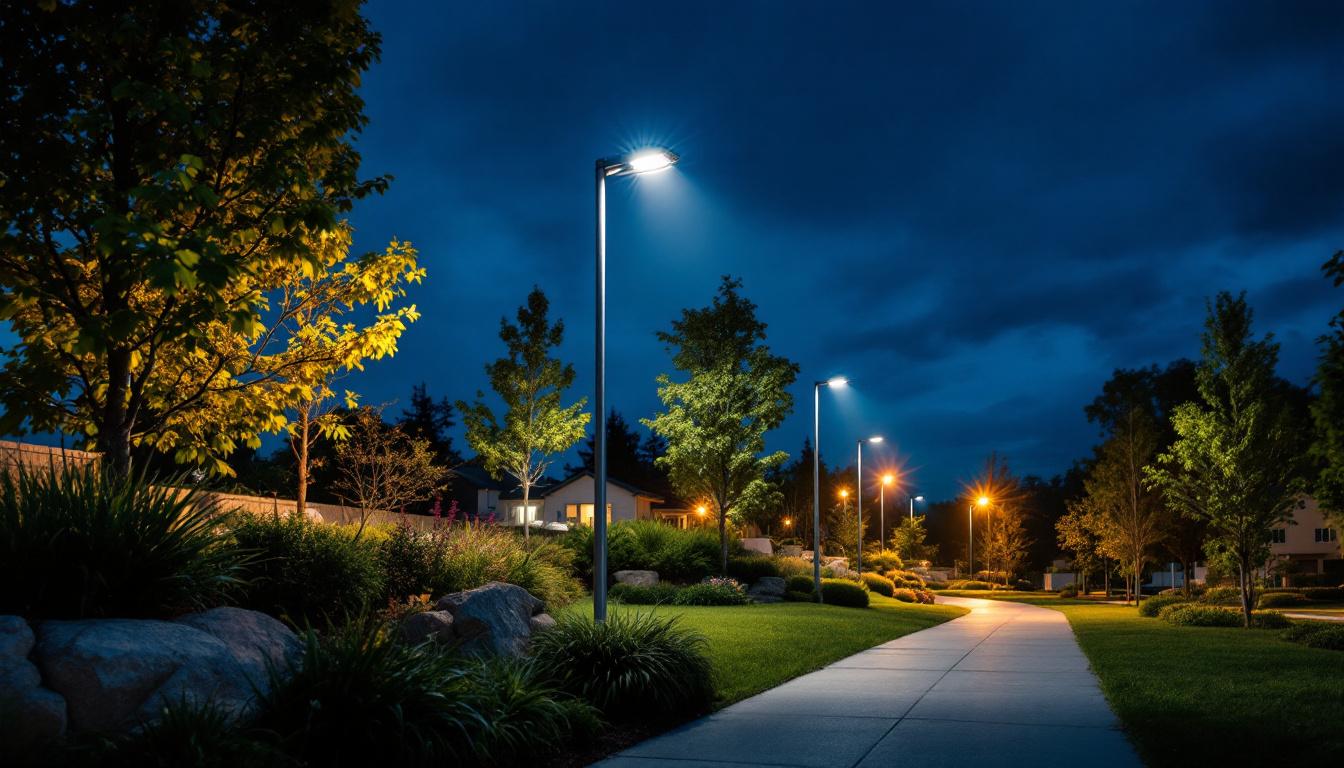
Outdoor lighting poles are a fundamental component in the design and installation of exterior lighting systems. For lighting contractors, understanding the nuances of these poles is essential to delivering safe, efficient, and aesthetically pleasing lighting solutions. Whether illuminating parking lots, streets, parks, or commercial properties, the choice and installation of outdoor poles directly impact the performance and longevity of the lighting system.
In this article, we will demystify outdoor poles for lights, focusing on the critical knowledge lighting contractors need. From materials and design considerations to installation best practices and compliance requirements, this comprehensive guide aims to empower contractors with the insights necessary to excel in their projects.
One of the primary considerations when selecting outdoor lighting poles is the material from which they are constructed. Common materials include aluminum, steel, fiberglass, and concrete, each offering distinct advantages and disadvantages. For instance, aluminum poles are lightweight and resistant to corrosion, making them ideal for coastal areas, while steel poles provide strength and durability, suitable for high-traffic environments. Understanding the environmental conditions and specific application requirements is crucial for contractors to ensure the longevity and effectiveness of the lighting installations.
Moreover, the design and height of the poles play a significant role in achieving optimal light distribution. Factors such as pole height, spacing, and the type of fixtures used can greatly influence the overall illumination quality and energy efficiency of the lighting system. Additionally, aesthetic considerations should not be overlooked; poles can be customized in various styles and finishes to complement the surrounding architecture and landscape. By balancing functionality with visual appeal, contractors can create outdoor lighting solutions that not only serve their purpose but also enhance the overall ambiance of the space.
Types of Outdoor Lighting Poles and Their Applications
Common Materials and Their Properties
Outdoor lighting poles are typically made from steel, aluminum, fiberglass, or concrete. Each material offers distinct advantages and limitations:
- Steel Poles: Known for their strength and durability, steel poles are often galvanized or powder-coated to resist corrosion. They are ideal for high-traffic areas and locations exposed to harsh weather conditions.
- Aluminum Poles: Lightweight and corrosion-resistant, aluminum poles are easier to handle and install. They are commonly used in coastal regions where saltwater exposure accelerates corrosion.
- Fiberglass Poles: These poles are non-conductive and resistant to corrosion, making them suitable for areas with electrical hazards or chemical exposure. However, they may have lower load capacities compared to metal poles.
- Concrete Poles: Extremely durable and heavy, concrete poles are often used in industrial or utility applications. Their weight requires specialized equipment for installation.
Choosing the right material depends on the project’s environmental conditions, load requirements, aesthetic goals, and budget constraints. Additionally, the choice of material can influence maintenance needs over the lifespan of the poles. For instance, while steel poles may require periodic repainting to prevent rust, fiberglass poles can often withstand the elements with minimal upkeep. Understanding these nuances can help project managers make informed decisions that align with their long-term operational goals.
Pole Heights and Load Capacities
Outdoor lighting poles come in a variety of heights, typically ranging from 10 to 60 feet, depending on the application. For example, street lighting poles are often between 25 and 40 feet tall, while parking lot poles may be shorter. The height of the pole can significantly affect the distribution of light, with taller poles providing broader coverage but requiring careful placement to avoid light pollution and glare.
Load capacity is another critical factor. Poles must support the weight of the lighting fixtures, arms, and any additional equipment such as cameras or banners. Overloading a pole can lead to structural failure or unsafe conditions. Lighting contractors should always refer to manufacturer specifications and engineering data to ensure proper load management. Furthermore, the installation environment plays a vital role; for instance, poles installed in windy areas may need to be designed with additional stability features to withstand lateral forces. Understanding these engineering principles is essential for ensuring safety and functionality in outdoor lighting designs.
Design Considerations for Lighting Contractors
Environmental and Site-Specific Factors
Before selecting and installing outdoor poles, contractors must assess the site conditions thoroughly. Wind speed, soil type, seismic activity, and exposure to corrosive elements all influence pole selection and foundation design.
For instance, in areas prone to high winds, poles must be engineered to withstand significant lateral forces. This often means choosing poles with higher wind load ratings and reinforcing foundations. Similarly, soil conditions dictate the type and depth of pole foundations, with rocky or sandy soils requiring specialized anchoring solutions. Additionally, contractors should consider the potential for soil erosion, which can undermine pole stability over time. Implementing erosion control measures, such as vegetation or retaining walls, can be crucial in maintaining the integrity of the lighting installation.
Aesthetic and Functional Integration
Beyond structural considerations, lighting poles contribute to the overall visual impact of a project. Contractors should collaborate with designers and clients to select poles that complement the architectural style and landscape.
Options such as decorative bases, color finishes, and pole shapes can enhance the visual appeal. Furthermore, the integration of smart lighting technologies can provide both aesthetic and functional benefits. For example, poles equipped with LED fixtures can offer customizable lighting options, allowing for changes in brightness and color temperature based on the time of day or specific events. Additionally, the placement and spacing of poles affect light distribution and uniformity, which are crucial for safety and functionality. Properly designed lighting can reduce glare and enhance visibility, creating a welcoming environment for pedestrians and drivers alike.
Compliance with Codes and Standards
Outdoor lighting installations must comply with local, state, and national codes. Key standards include the Illuminating Engineering Society (IES) guidelines, the National Electrical Code (NEC), and relevant occupational safety regulations.
Contractors should ensure poles meet the required structural standards, such as those outlined by the American Association of State Highway and Transportation Officials (AASHTO) for roadway lighting. Electrical grounding and bonding must also adhere to NEC requirements to prevent hazards. Moreover, it is essential to consider energy efficiency regulations, which may dictate the types of fixtures and technologies used. By selecting energy-efficient lighting solutions, contractors not only comply with regulations but also contribute to sustainability efforts and reduce operational costs for clients over the long term. Regular inspections and maintenance schedules should also be established to ensure ongoing compliance and performance of the lighting systems.
Installation Best Practices for Outdoor Lighting Poles
Site Preparation and Foundation Work
Proper site preparation is critical for the long-term stability of lighting poles. This includes accurate excavation, soil compaction, and concrete pouring for foundations. The foundation design must correspond to the pole type and load requirements.
Lighting contractors should verify that all underground utilities are located before digging. Using appropriate shoring and safety measures during excavation protects workers and prevents damage to existing infrastructure.
Pole Erection and Alignment
Erecting poles requires careful handling and precise alignment. Cranes or specialized lifting equipment are commonly used for taller or heavier poles. Contractors must ensure poles are plumb and securely anchored to foundations.
Proper torqueing of anchor bolts and use of leveling devices are essential steps. Misalignment can affect light distribution and may lead to premature wear or failure of fixtures.
Electrical Connections and Safety
After mechanical installation, electrical wiring must be completed following strict safety protocols. This includes installing weatherproof junction boxes, grounding systems, and conduit runs.
Contractors should test all connections for continuity and insulation resistance. Using corrosion-resistant connectors and sealing all entry points prevents moisture ingress, which can cause shorts or corrosion over time.
Maintenance and Longevity of Outdoor Lighting Poles
Routine Inspections and Preventive Maintenance
Regular inspections help identify issues such as corrosion, loose bolts, or damaged fixtures before they become serious problems. Lighting contractors should establish maintenance schedules based on environmental exposure and usage intensity.
Cleaning poles and fixtures, tightening hardware, and checking electrical components extend the service life of the installation. Documenting maintenance activities supports warranty claims and asset management.
Addressing Common Issues
Corrosion is a prevalent challenge, especially in coastal or industrial environments. Applying protective coatings or replacing damaged components can mitigate deterioration.
Mechanical damage from vehicles or vandalism requires prompt repair to maintain safety. For aging poles, structural assessments may determine if replacement is necessary to comply with current standards.
Emerging Trends and Innovations in Outdoor Lighting Poles
Smart Poles and Integrated Technologies
The rise of smart city initiatives has introduced multifunctional lighting poles equipped with sensors, cameras, Wi-Fi hotspots, and environmental monitors. These smart poles enhance urban infrastructure by combining lighting with data collection and communication capabilities.
Lighting contractors should familiarize themselves with the installation and maintenance of such integrated systems, which often require coordination with IT and municipal agencies.
Sustainable Materials and Energy Efficiency
Environmental considerations are driving demand for poles made from recycled materials or designed for easy recycling. Additionally, poles optimized for LED fixtures contribute to energy savings and reduced carbon footprints.
Contractors can advise clients on sustainable options that align with green building certifications and community goals.
Conclusion
For lighting contractors, mastering the complexities of outdoor poles for lights is indispensable. From selecting the appropriate materials and designs to ensuring code compliance and executing precise installations, each step influences the success of the lighting project.
By staying informed about best practices, maintenance strategies, and emerging technologies, contractors can deliver solutions that are safe, durable, and visually appealing. Ultimately, this expertise not only enhances project outcomes but also strengthens professional reputation and client satisfaction.
Illuminate Your Projects with LumenWholesale
Ready to elevate your lighting projects with the best materials and designs? Look no further than LumenWholesale for all your outdoor lighting needs. Our extensive selection of spec-grade lighting products ensures you have access to the highest quality options at wholesale prices that can’t be beaten. Say goodbye to local distributor markups and hello to reliable, high-performance lighting that meets the most rigorous industry standards. Plus, with free shipping on bulk orders, you can stock up on premium lighting solutions without worrying about hidden fees. Make your next project shine with the perfect blend of quality, affordability, and convenience. Wholesale Lighting at the Best Value is just a click away.