Understanding Outdoor LED String Lighting: A Foundation for Success
Outdoor LED string lighting has become a staple in both residential and commercial landscapes, offering energy efficiency, versatility, and aesthetic appeal. For lighting contractors, mastering the installation and design of these systems is crucial to delivering quality results that satisfy clients and ensure long-term performance.
Despite the relative simplicity of LED string lights, many contractors encounter pitfalls that can compromise the installation’s effectiveness, durability, and safety. Recognizing these common mistakes is the first step toward refining practices and elevating project outcomes.
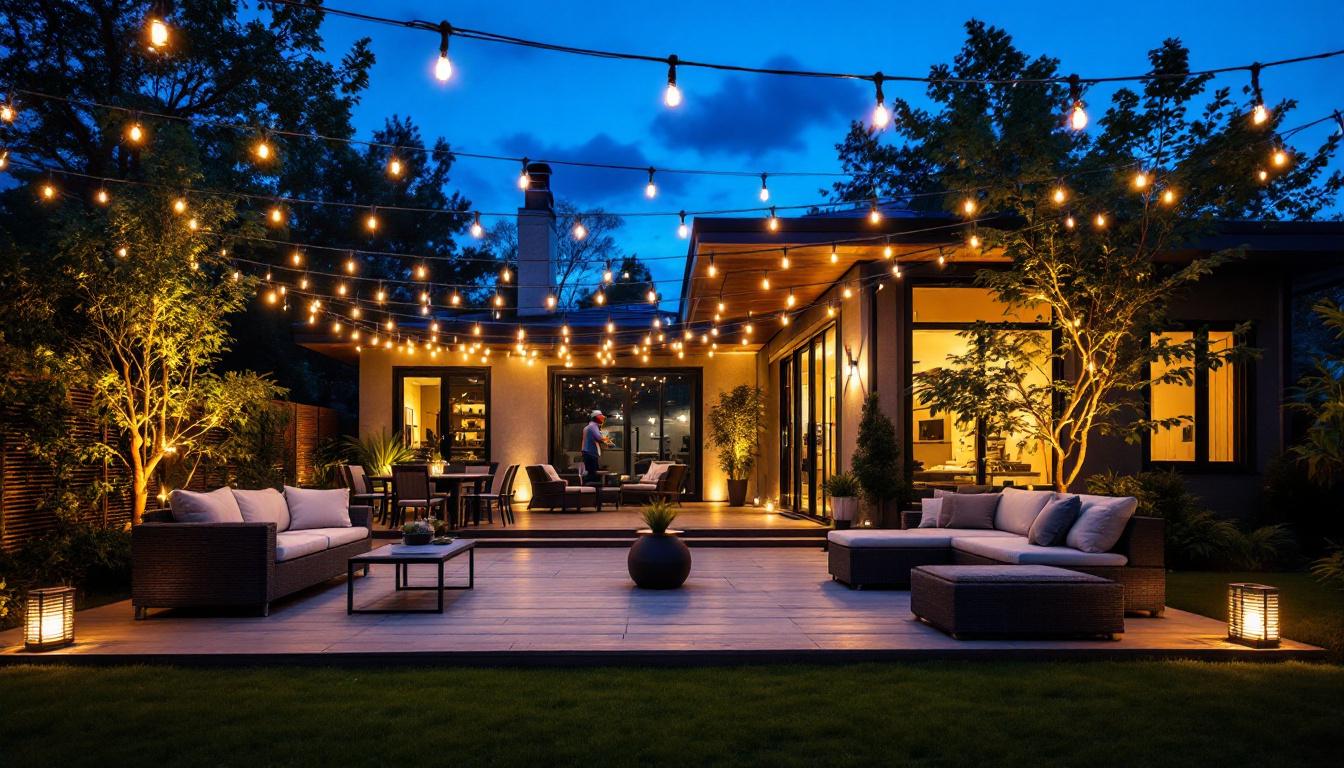
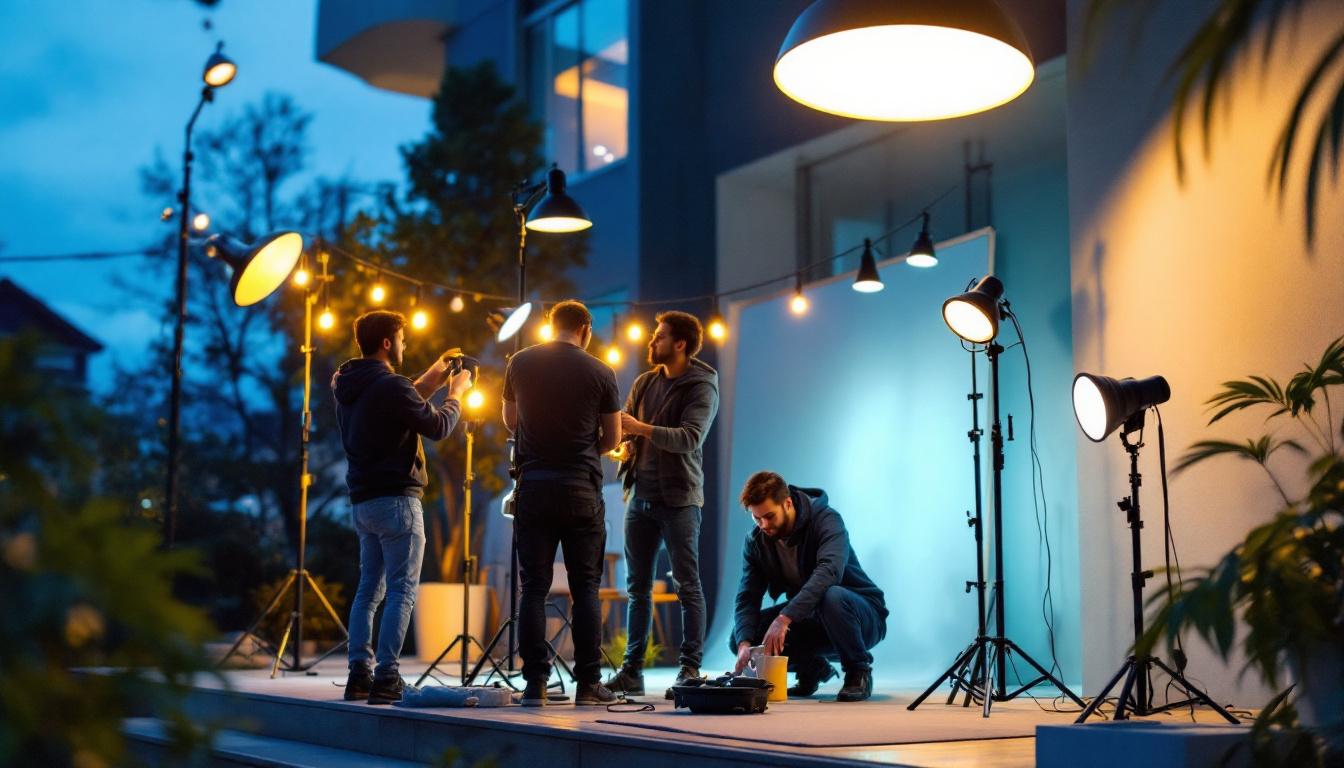
One of the most significant advantages of LED string lights is their adaptability to various environments and themes. Whether illuminating a cozy backyard for a family gathering or enhancing the ambiance of a commercial event space, these lights can be tailored to fit any occasion. Contractors should consider the specific needs of the space, including the desired mood and functionality, when selecting the type and color of LED string lights. For instance, warm white lights can create an inviting atmosphere, while vibrant colors can energize a festive setting. Additionally, understanding the different mounting options—such as hanging, draping, or wrapping—can further enhance the visual impact of the installation.
Moreover, the longevity of LED string lights is a significant selling point, but proper installation is essential to maximize their lifespan. Contractors should pay close attention to the quality of the materials used, ensuring that connectors and wiring are rated for outdoor use to withstand varying weather conditions. Furthermore, strategic placement of lights can prevent issues such as sagging or excessive tension, which can lead to premature wear and tear. By conducting thorough site assessments and planning installations meticulously, contractors can not only enhance the aesthetic appeal but also ensure that the lighting systems perform reliably for years to come.
Common Mistakes Lighting Contractors Make with Outdoor LED String Installations
1. Inadequate Planning and Site Assessment
One of the most frequent errors is rushing into installation without a thorough site assessment. Outdoor environments are highly variable, with factors such as wind exposure, moisture levels, and mounting surfaces affecting the performance of LED string lights.
Failing to evaluate these elements can lead to premature damage or failure. For example, installing lights in areas prone to heavy rainfall without proper waterproofing or drainage considerations often results in electrical shorts or corrosion.
Lighting contractors should conduct a detailed walkthrough, noting potential hazards, power source locations, and customer preferences. This upfront diligence enables tailored solutions that minimize callbacks and enhance client satisfaction. Moreover, understanding the landscape can also help in identifying natural features that can either enhance or obstruct light distribution, such as trees, fences, or architectural elements. By taking the time to assess these factors, contractors can create a lighting plan that not only meets functional needs but also enhances the aesthetic appeal of the outdoor space.
2. Overlooking IP Ratings and Weatherproofing
Outdoor LED string lights come with various Ingress Protection (IP) ratings that indicate their resistance to dust and water. A common mistake is selecting lights with insufficient IP ratings for the intended environment.
For instance, an IP44 rating may suffice for covered patios but is inadequate for fully exposed areas subject to heavy rain or snow. Using lights with low IP ratings outdoors can lead to moisture ingress, causing electrical failures and safety hazards.
Contractors must carefully match the IP rating to the installation site’s conditions. Additionally, proper sealing of connections and use of weatherproof accessories, such as outdoor-rated extension cords and connectors, are essential steps often neglected. It’s also worth noting that the longevity of LED string lights can be significantly affected by environmental exposure, so investing in higher-rated products can ultimately save costs on replacements and repairs. Furthermore, educating clients about the importance of these ratings can help them make informed decisions and appreciate the value of quality installations.
3. Incorrect Power Load Calculations and Wiring Practices
LED string lights are energy-efficient, but improper power load management remains a prevalent issue. Overloading circuits or daisy-chaining too many strings can cause voltage drops, flickering, or tripped breakers.
Contractors sometimes underestimate the total wattage or fail to consider the cumulative load on a single circuit. This oversight not only affects performance but also poses fire risks.
Proper wiring practices, including using the correct gauge wire and adhering to manufacturer specifications for maximum string length, are critical. Incorporating circuit breakers or ground-fault circuit interrupters (GFCIs) enhances safety and compliance with electrical codes. Additionally, educating clients on the importance of these calculations can foster trust and demonstrate professionalism. By clearly explaining how power load affects the performance and safety of their lighting system, contractors can help clients understand the value of investing in a well-planned installation.
4. Neglecting Mounting and Support Considerations
How LED string lights are mounted significantly impacts their longevity and appearance. A common error is using inadequate supports or improper fastening methods that do not account for environmental stressors like wind or temperature fluctuations.
For example, stapling or nailing lights directly onto surfaces can damage wiring insulation, leading to shorts or breakage. Similarly, using weak or non-weather-resistant clips may cause lights to sag or detach over time.
Lighting contractors should employ appropriate mounting hardware designed for outdoor use, such as heavy-duty clips, cable ties, or tensioned wire systems. Ensuring even tension and secure attachment prevents damage and maintains a polished look. Furthermore, considering the visual impact of mounting options can enhance the overall design. Using creative mounting techniques, such as suspending lights from trees or incorporating them into existing structures, can add a unique touch that complements the outdoor setting while ensuring durability.
5. Ignoring Color Temperature and Light Distribution
While the technical aspects of installation are vital, aesthetic considerations often receive insufficient attention. Selecting the wrong color temperature or failing to plan for uniform light distribution can detract from the overall effect.
Outdoor LED string lights come in a range of color temperatures, from warm white to cool white and even RGB options. Choosing a color temperature that clashes with the surrounding environment or other lighting fixtures can create an unappealing atmosphere.
Moreover, improper spacing or inconsistent placement of lights can produce uneven illumination, harsh shadows, or glare. Contractors should collaborate with clients to understand desired ambiance and design layouts that optimize both function and beauty. Additionally, experimenting with different light intensities and layering techniques can create dynamic lighting effects that enhance the outdoor experience. By considering how light interacts with various surfaces and colors in the environment, contractors can craft a lighting scheme that not only illuminates but also transforms the space into a welcoming and inviting area for gatherings and relaxation.
Best Practices for Successful Outdoor LED String Installations
Comprehensive Site Evaluation and Customized Design
Successful projects begin with a detailed site evaluation that considers environmental conditions, architectural features, and client goals. Using this information, contractors can develop a customized lighting plan that addresses both technical requirements and aesthetic preferences.
Incorporating tools such as lighting design software or 3D modeling can help visualize the final outcome and identify potential challenges before installation. This proactive approach allows for adjustments to be made early in the design phase, ensuring that the final installation not only meets but exceeds client expectations. Additionally, understanding the specific needs of the space—such as how the lighting will interact with landscaping or existing structures—can lead to innovative solutions that enhance the overall ambiance.
Choosing the Right Products and Components
Investing in high-quality LED string lights with appropriate IP ratings and certifications ensures durability and safety. Contractors should also select compatible accessories, including weatherproof connectors, timers, and dimmers, to enhance functionality. The choice of materials can significantly impact the longevity and performance of the installation, especially in areas prone to harsh weather conditions.
Partnering with reputable suppliers and staying informed about the latest product innovations can provide a competitive advantage and reduce the likelihood of failures. Furthermore, understanding the energy efficiency ratings of different LED products can help clients save on utility bills while contributing to a more sustainable environment. By presenting clients with options that balance cost, quality, and energy efficiency, contractors can build trust and demonstrate their expertise.
Adhering to Electrical Codes and Safety Standards
Compliance with local electrical codes and industry standards is non-negotiable. Proper grounding, use of GFCIs, and correct circuit sizing protect both the installation and end users. Ensuring that all components are rated for outdoor use is crucial, as this minimizes risks associated with moisture and temperature fluctuations.
Contractors should maintain up-to-date knowledge of regulations and incorporate safety checks into their workflow. Documenting installations and providing clients with maintenance guidelines further supports long-term reliability. Additionally, conducting regular training sessions for installation teams on the latest safety protocols can help reinforce a culture of safety and compliance, ultimately leading to fewer accidents and a more efficient workflow.
Professional Installation Techniques
Employing best practices in mounting, wiring, and sealing connections is essential. Training crews on proper handling of LED string lights and emphasizing attention to detail can prevent many common issues. Utilizing the right tools and techniques for installation not only enhances the quality of the work but also speeds up the process, allowing for timely project completion.
Regular quality control inspections during and after installation help identify and rectify problems early, reducing costly callbacks. Establishing a checklist for each phase of the installation can streamline this process, ensuring that all aspects are covered and that the final product is both functional and visually appealing. This commitment to quality can set a contractor apart in a competitive market, leading to positive referrals and repeat business.
Client Education and Maintenance Planning
Educating clients on the operation and care of their outdoor LED string lighting fosters satisfaction and prolongs system life. Providing clear instructions on cleaning, seasonal adjustments, and troubleshooting empowers clients to maintain their investment. Offering workshops or informational sessions can further enhance client knowledge, creating a deeper connection and trust between the contractor and the client.
Offering maintenance contracts or periodic inspections can also create ongoing business opportunities while ensuring optimal performance. By establishing a relationship that extends beyond the initial installation, contractors can provide valuable insights into upgrades or enhancements that may benefit the client in the future. This proactive approach not only secures future work but also positions the contractor as a trusted advisor in outdoor lighting solutions.
Conclusion: Elevating Outdoor LED String Lighting Installations
Outdoor LED string lighting offers tremendous benefits, but the path to successful installations is paved with attention to detail and informed decision-making. By avoiding common mistakes such as inadequate planning, improper product selection, and poor installation practices, lighting contractors can deliver superior results that stand the test of time.
Embracing best practices not only enhances client satisfaction but also strengthens professional reputation and fosters long-term business growth. As outdoor lighting technology continues to evolve, staying current and committed to excellence will remain key drivers of success in this dynamic field.
Get Your Premium Outdoor LED String Lights at LumenWholesale
Ready to elevate your lighting installations with the best products in the market? Look no further than LumenWholesale for all your outdoor LED string lighting needs. Our spec-grade lighting solutions are designed to provide contractors with the reliability and performance required for standout projects. With unbeatable wholesale prices and free shipping on bulk orders, you can access top-quality lighting without the extra costs. Say goodbye to local distributor markups and hello to the convenience and affordability of LumenWholesale. Explore our selection now and secure the best value in wholesale lighting.