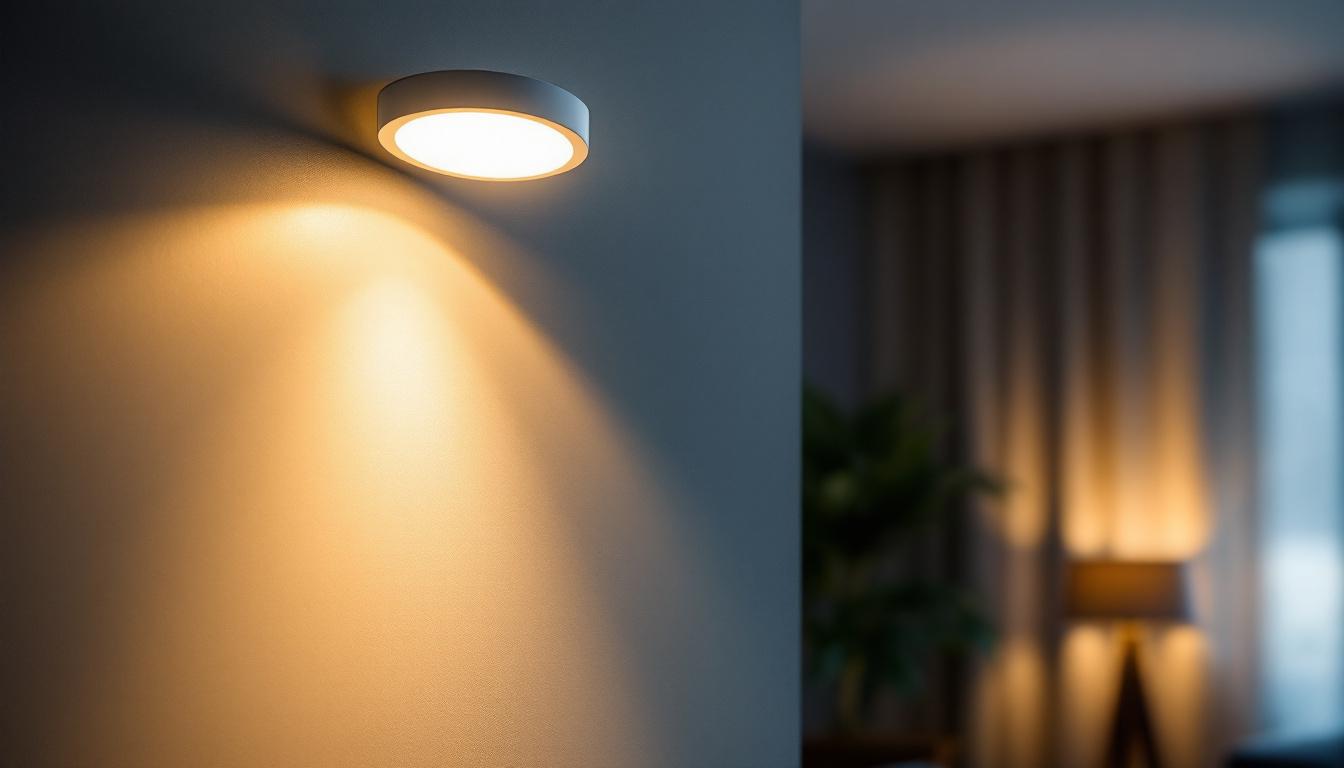
Choosing the Right Fixtures for Outdoor Entry Lighting
Outdoor entry lights serve as the first impression of a property after dark. For lighting contractors, selecting the appropriate fixtures is a foundational step that balances aesthetics, functionality, and durability. The environment around the entryway—whether residential or commercial—dictates much of this choice. Factors such as local weather conditions, the surrounding landscape, and even the architectural style of the property play a crucial role in determining the best lighting solutions.
Fixtures must be rated for outdoor use, meaning they can withstand exposure to moisture, temperature fluctuations, and UV rays. Look for UL-listed or ETL-listed products designed specifically for exterior installation. Materials such as powder-coated aluminum, brass, and stainless steel offer corrosion resistance and long-term reliability. Additionally, consider the finish of the materials; darker finishes can absorb heat, which may be beneficial in colder climates, while lighter finishes can help reflect sunlight in sunnier areas, thus prolonging the life of the fixture.
Beyond durability, consider the style and scale of the fixture. A large, ornate lantern might overwhelm a modest doorway, while a minimalist sconce could appear out of place on a grand entry. Matching the fixture’s design to the architectural style of the building enhances curb appeal and customer satisfaction. Moreover, integrating design elements such as color temperature can further refine the ambiance; warm white lights create an inviting atmosphere, while cooler tones can lend a more modern, sleek appearance.
Understanding Light Output and Beam Spread
Light output, measured in lumens, is critical for ensuring the entryway is well illuminated without causing glare or light pollution. For most entryways, a range of 400 to 800 lumens per fixture provides sufficient brightness. Contractors should also evaluate beam spread—the angle at which the light disperses. Narrow beams highlight specific architectural features or door hardware, while wider beams offer general illumination. It’s essential to consider the layout of the entryway; for instance, if the path leading to the door is long and winding, strategically placed fixtures with wider beams can guide visitors safely to the entrance.
Incorporating adjustable fixtures or those with multiple beam options allows customization on-site. This flexibility can address unique client needs, such as lighting a pathway while also illuminating the door itself. Furthermore, integrating smart lighting technology can enhance functionality; motion sensors can activate lights as guests approach, while timers can ensure the area is illuminated at specific times, adding both convenience and security. As energy efficiency becomes increasingly important, selecting LED fixtures not only reduces energy consumption but also extends the lifespan of the lighting, making it a wise investment for both contractors and homeowners alike.
Installation Techniques for Secure and Safe Hanging
Proper installation is as important as choosing the right fixture. Faulty hanging can lead to safety hazards, premature fixture failure, and customer dissatisfaction. Lighting contractors must adhere to best practices that ensure both security and longevity.
Begin by assessing the mounting surface. Brick, stucco, wood, and metal all require different anchors and fasteners. For masonry, use expansion anchors or sleeve anchors designed to hold heavy fixtures securely. Wood surfaces may require lag screws or toggle bolts, depending on thickness and structural integrity. It’s also wise to consider the weight of the fixture itself; heavier fixtures may necessitate additional support, such as a mounting brace, to distribute the load evenly and prevent sagging over time.
Electrical wiring should comply with local codes and the National Electrical Code (NEC). Use weatherproof junction boxes and conduit to protect wiring from moisture and physical damage. Ground-fault circuit interrupters (GFCIs) are essential for outdoor circuits to prevent electrical shock. Additionally, employing a qualified electrician to double-check all connections can provide peace of mind, ensuring that the installation is not only compliant but also safe for long-term use.
Height and Positioning Considerations
Mounting height typically ranges from 66 to 72 inches above the finished floor, but this depends on the fixture size and the door’s dimensions. The goal is to position the light so it illuminates the entry without blinding visitors or creating harsh shadows. When selecting the height, consider the typical eye level of users; for instance, if the fixture is intended for a commercial setting, it may need to be adjusted to accommodate taller individuals or specific accessibility requirements.
Spacing is equally important when installing multiple fixtures. For symmetrical aesthetics, place lights evenly on either side of the door. When lighting a wider entry or porch, additional fixtures may be necessary, spaced approximately 36 to 48 inches apart. Furthermore, consider the type of lighting being used—whether it’s ambient, task, or accent lighting—as this will influence the overall layout. Utilizing dimmers or smart lighting controls can also enhance the functionality of the fixtures, allowing for adjustments based on the time of day or specific events, thereby creating a welcoming atmosphere that adapts to various needs.
Energy Efficiency and Lighting Controls
Energy efficiency is a growing priority for clients and contractors alike. LED technology has revolutionized outdoor lighting, offering long life spans, low maintenance, and significant energy savings compared to traditional incandescent or halogen bulbs. The shift towards LED not only reduces energy costs but also minimizes the environmental impact, as these bulbs contain no harmful materials and are 100% recyclable. This transition is crucial in the context of global efforts to combat climate change and promote sustainable practices in construction and design.
When selecting fixtures, prioritize those designed for LED integration. These fixtures often include optimized heat sinks, ensuring LEDs operate efficiently and maintain brightness over time. Additionally, many modern LED fixtures are designed with aesthetic considerations in mind, allowing for a seamless blend of functionality and style. This means that clients can achieve energy efficiency without compromising on the visual appeal of their outdoor spaces, making it easier to create inviting environments that enhance property value.
Incorporating Smart Controls
Smart lighting controls enhance functionality and convenience. Motion sensors, photocells, and programmable timers allow lights to activate only when needed, reducing energy consumption and extending fixture life. These technologies not only contribute to energy savings but also provide a level of automation that can significantly improve the user experience. For instance, programmable timers can be set to adjust lighting based on seasonal changes, ensuring that outdoor areas are well-lit during the darker months while conserving energy during longer daylight hours.
Motion-activated lights improve security by illuminating the entry when movement is detected, deterring potential intruders. Photocells automatically turn lights on at dusk and off at dawn, providing consistent illumination without manual intervention. Furthermore, the integration of smart controls can extend beyond simple on/off functionality. Advanced systems can be programmed to adjust brightness levels based on the time of day or the presence of natural light, creating a more dynamic and responsive lighting environment. For premium installations, integrating smart home systems that allow remote control and scheduling via smartphone apps offers clients modern convenience and customization. This capability not only enhances comfort but also allows homeowners to monitor and control their energy usage in real-time, leading to more informed decisions about their energy consumption habits.
Maintenance and Troubleshooting Tips
Even the best-installed outdoor entry lights require routine maintenance to perform optimally. Lighting contractors should advise clients on simple upkeep practices and be prepared to troubleshoot common issues.
Regular cleaning of lenses and fixtures prevents dirt and debris from diminishing light output. In coastal or industrial areas, salt and pollutants can accelerate corrosion, making periodic inspections crucial.
Addressing Common Problems
Flickering lights often indicate loose wiring or failing bulbs and should be addressed promptly to avoid safety risks. If fixtures fail to turn on, check for tripped breakers, faulty photocells, or sensor misalignment.
Water intrusion is a frequent culprit behind outdoor fixture failure. Ensure that seals and gaskets remain intact and replace any damaged components. Using silicone-based sealants around fixture bases can provide additional protection.
Compliance and Safety Standards
Adhering to safety and compliance standards is non-negotiable in professional lighting installation. Contractors must stay current with local building codes, electrical regulations, and industry best practices.
Outdoor entry lights should meet requirements for wet location use and be installed following NEC guidelines. Proper grounding, circuit protection, and use of approved materials prevent hazards and liability.
Documenting installations with photographs and detailed notes can support warranty claims and demonstrate compliance during inspections.
Environmental Considerations
Light pollution is an increasing concern in many communities. Using fixtures with full cutoff designs minimizes upward light spill, preserving night skies and reducing glare for neighbors.
Contractors should also consider wildlife-friendly lighting options, such as amber LEDs, which have less impact on nocturnal animals. This approach aligns with growing environmental awareness and can be a selling point for eco-conscious clients.
Conclusion: Elevating Outdoor Entry Lighting Through Expertise
Outdoor entry lights are more than just functional elements; they define the character and safety of a property’s entrance. Lighting contractors who master fixture selection, precise installation, energy-efficient solutions, and ongoing maintenance deliver superior results that satisfy clients and enhance reputations.
By integrating smart controls, adhering to safety standards, and considering environmental impacts, contractors position themselves as trusted experts in outdoor lighting. The attention to detail in every hanging and wiring step ensures that entryways shine brightly and reliably for years to come.
Illuminate Your Projects with LumenWholesale
Ready to elevate your outdoor entry lighting projects with the best in spec-grade lighting? Look no further than LumenWholesale. We provide contractors with the highest quality lighting products at unbeatable wholesale prices. Our extensive selection is designed to meet rigorous industry standards, ensuring every installation shines with reliability and performance. Plus, with free shipping on bulk orders, you can enjoy premium lighting solutions at the best value — all without hidden fees or compromises. Make your next project a beacon of excellence. Discover the perfect blend of quality, affordability, and convenience at LumenWholesale today.