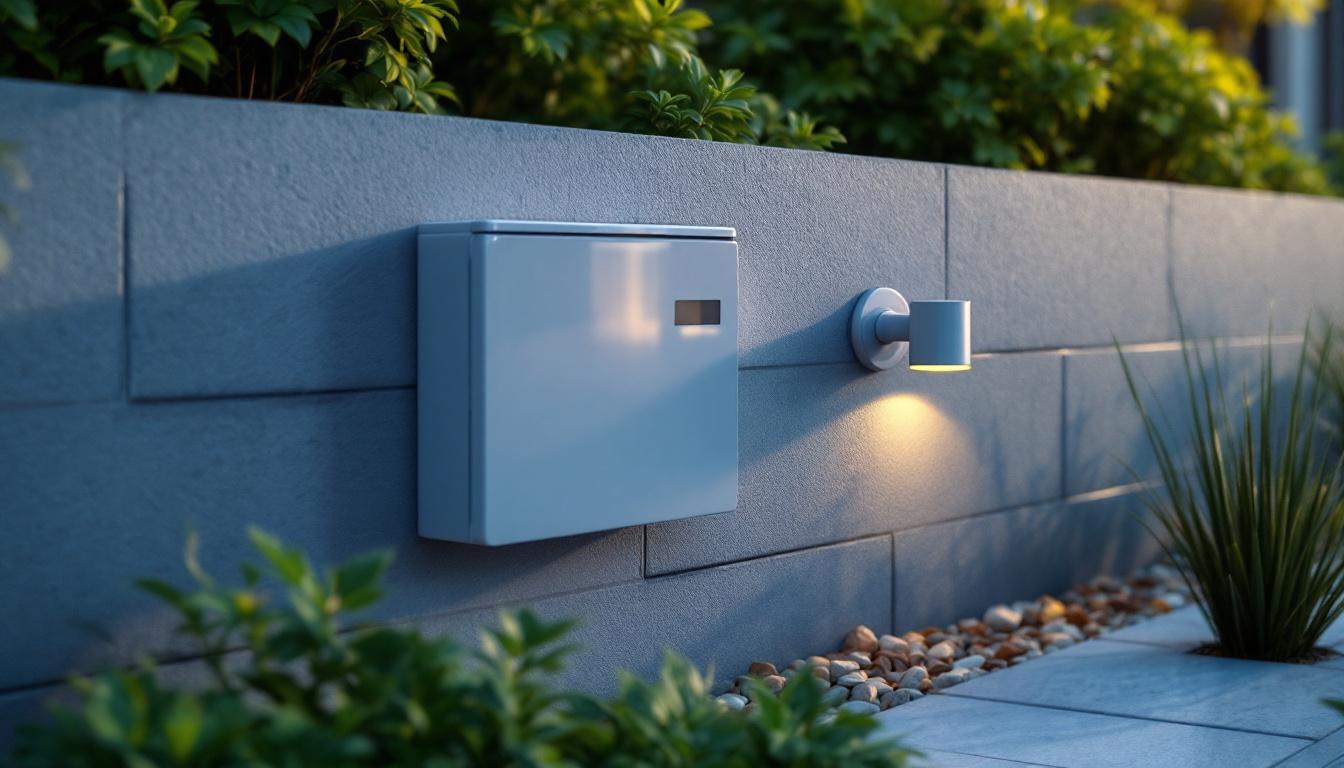
As a lighting contractor, understanding the intricacies of outdoor electrical installations is crucial. One of the key components in these setups is the outdoor electrical box. This guide provides an in-depth look at outdoor electrical boxes, their types, installation processes, and best practices to ensure safety and efficiency.
Understanding Outdoor Electrical Boxes
Outdoor electrical boxes are essential for housing electrical connections and protecting them from the elements. They serve as junction points for wiring and provide a safe enclosure for electrical components. Understanding the different types of outdoor electrical boxes and their applications is fundamental for any lighting contractor. These boxes not only safeguard electrical connections from rain, snow, and other environmental factors but also play a crucial role in maintaining the integrity of electrical systems, preventing short circuits and potential hazards.
Types of Outdoor Electrical Boxes
There are several types of outdoor electrical boxes, each designed for specific applications. The most common types include weatherproof, non-metallic, and metallic boxes. Weatherproof boxes are designed to prevent moisture ingress, making them ideal for outdoor use. Non-metallic boxes are lightweight and resistant to corrosion, while metallic boxes offer durability and strength. Each type has its unique advantages; for instance, weatherproof boxes often come with gaskets and seals that enhance their protective capabilities, while metallic boxes can be grounded to provide an additional layer of safety.
Additionally, contractors should be familiar with the various sizes and configurations available. The choice of box often depends on the number of circuits and the type of fixtures being installed. Understanding these options helps in selecting the right box for each project. For example, larger boxes may be required for installations with multiple circuits or for accommodating larger connectors, while smaller boxes might suffice for simple lighting fixtures. Moreover, the installation environment, such as proximity to water sources or exposure to chemicals, can also dictate the most suitable type of box.
Materials Used in Outdoor Electrical Boxes
Outdoor electrical boxes are typically made from materials that can withstand harsh environmental conditions. Common materials include PVC, fiberglass, and metal. PVC boxes are lightweight and resistant to corrosion, making them suitable for most outdoor applications. Fiberglass boxes offer excellent durability and resistance to UV rays, while metal boxes provide strength and grounding capabilities. Each material has its own set of characteristics that can influence its performance; for instance, fiberglass boxes are often preferred in coastal areas where saltwater exposure is a concern due to their superior resistance to corrosion.
When selecting materials, consider the specific environmental conditions of the installation site. This ensures that the chosen box will perform optimally and last for years to come. Additionally, it’s important to be aware of local building codes and regulations that may dictate the types of materials and boxes that can be used in outdoor installations. Compliance with these codes not only ensures safety but also guarantees that the installation meets industry standards, which can be crucial for inspections and future maintenance. Furthermore, understanding the thermal properties of the materials can help in preventing overheating, especially in areas with high ambient temperatures or direct sunlight exposure.
Installation Guidelines
Proper installation of outdoor electrical boxes is critical to ensure safety and functionality. Adhering to local electrical codes and regulations is paramount. This section outlines essential steps and considerations for a successful installation.
Preparation and Planning
Before beginning the installation process, it is vital to plan the layout and determine the appropriate location for the electrical box. Consider factors such as accessibility for maintenance, proximity to power sources, and the placement of light fixtures. Proper planning can prevent future complications and ensure a seamless installation.
Additionally, gather all necessary tools and materials before starting the installation. This includes the electrical box, wiring, connectors, and any mounting hardware. Being well-prepared can significantly streamline the installation process. It’s also wise to consult with a professional or refer to manufacturer guidelines to ensure that you are using the correct type of electrical box for your specific needs, such as weatherproof or corrosion-resistant options, especially in areas with harsh environmental conditions.
Installation Steps
The installation process typically begins with turning off the power supply to the area where the box will be installed. Safety should always be the top priority. Next, secure the electrical box to a stable structure, ensuring it is level and properly aligned. Depending on the type of box, this may involve using screws, anchors, or brackets.
Once the box is securely mounted, the next step is to run the electrical wiring. Ensure that the wiring is appropriately rated for outdoor use and follows local codes. Connect the wires to the terminals inside the box, making sure to follow proper color-coding conventions. Finally, seal any openings to prevent moisture ingress, and replace the cover securely. It’s also advisable to use weather-resistant conduit for any exposed wiring to further protect against the elements. Regularly inspect the installation for wear and tear, especially after severe weather events, to maintain safety and functionality over time.
Best Practices for Outdoor Electrical Boxes
To ensure the longevity and safety of outdoor electrical installations, adhering to best practices is essential. This section highlights key practices that lighting contractors should follow.
Weatherproofing Techniques
Weatherproofing is one of the most critical aspects of outdoor electrical installations. Use weatherproof boxes and ensure that all connections are sealed with appropriate materials, such as silicone or weatherproof tape. Additionally, consider using conduit to protect wiring from exposure to the elements.
Regular maintenance checks are also essential. Inspect outdoor electrical boxes periodically for signs of wear, corrosion, or moisture ingress. Addressing any issues promptly can prevent costly repairs and ensure the safety of the installation. Furthermore, it’s advisable to choose materials that are specifically designed for outdoor use, such as UV-resistant plastics or corrosion-resistant metals. These materials not only withstand harsh weather conditions but also enhance the durability of the installation over time.
Compliance with Electrical Codes
Compliance with local electrical codes is non-negotiable for any lighting contractor. Familiarize yourself with the National Electrical Code (NEC) and any local amendments that may apply to outdoor installations. This knowledge not only ensures safety but also protects against potential legal issues.
Keep documentation of all installations, including permits and inspections. This can be invaluable for future reference and demonstrates professionalism to clients. Additionally, understanding the specific requirements for grounding and bonding in outdoor installations can significantly reduce the risk of electrical faults. Proper grounding techniques not only protect the equipment but also safeguard individuals from electrical shock, making it a vital component of outdoor electrical work.
Common Challenges and Solutions
Outdoor electrical installations can present unique challenges. Understanding these challenges and having strategies to overcome them is crucial for lighting contractors.
Moisture and Corrosion Issues
Moisture and corrosion are two of the most common issues encountered in outdoor electrical installations. To mitigate these risks, always use weatherproof boxes and ensure that all connections are properly sealed. Additionally, consider using corrosion-resistant materials for wiring and connectors.
In areas with high humidity or frequent rainfall, it may be beneficial to elevate the electrical box above ground level. This can help prevent water accumulation and reduce the risk of corrosion over time.
Wildlife Interference
Wildlife can pose a significant challenge to outdoor electrical installations. Rodents and insects may chew through wiring or nest in electrical boxes. To prevent this, consider using rodent-proof boxes and sealing any openings that could provide access for pests.
Regular inspections can help identify any signs of wildlife interference early. Addressing these issues promptly can save time and resources in the long run.
Tools and Equipment for Installation
Having the right tools and equipment is essential for efficient and effective outdoor electrical box installations. This section outlines the key tools that every lighting contractor should have on hand.
Essential Tools
Basic hand tools such as screwdrivers, pliers, and wire strippers are fundamental for any electrical installation. Additionally, a drill with various bits is necessary for mounting boxes securely. A multimeter is also an invaluable tool for testing electrical connections and ensuring safety.
For larger projects, consider investing in specialized tools such as conduit benders and cable pullers. These tools can significantly speed up the installation process and improve accuracy.
Safety Equipment
Safety should always be a priority in electrical work. Personal protective equipment (PPE) such as gloves, safety glasses, and hard hats should be worn at all times. Additionally, having a first aid kit on-site is essential for addressing any minor injuries that may occur during installation.
Ensure that all team members are trained in safety protocols and understand the importance of following them. This not only protects individuals but also enhances the overall safety of the worksite.
Conclusion
Outdoor electrical boxes play a critical role in the safety and functionality of outdoor lighting installations. By understanding the types of boxes available, following proper installation guidelines, and adhering to best practices, lighting contractors can ensure successful projects that meet client expectations.
Staying informed about common challenges and having the right tools and equipment on hand can further enhance the quality of installations. Ultimately, a commitment to excellence in every aspect of outdoor electrical work will set contractors apart in a competitive industry.
As the demand for outdoor lighting solutions continues to grow, equipping oneself with the knowledge and skills to effectively install outdoor electrical boxes will be invaluable. This guide serves as a comprehensive resource for lighting contractors looking to enhance their expertise and deliver exceptional service to their clients.
Get Your Premium Outdoor Electrical Boxes at LumenWholesale
Ready to elevate your outdoor lighting installations with the highest quality electrical boxes? Look no further than LumenWholesale. Our selection of spec-grade lighting products is designed to meet the rigorous demands of any project, ensuring durability and performance. With unbeatable wholesale prices and the convenience of free shipping on bulk orders, LumenWholesale is your go-to source for all your lighting needs. Say goodbye to inflated markups and hello to superior products at the best value. Wholesale Lighting at the Best Value is just a click away. Upgrade your lighting solutions with LumenWholesale today and experience the difference quality makes.