Understanding the Unique Challenges of Old Church Lighting
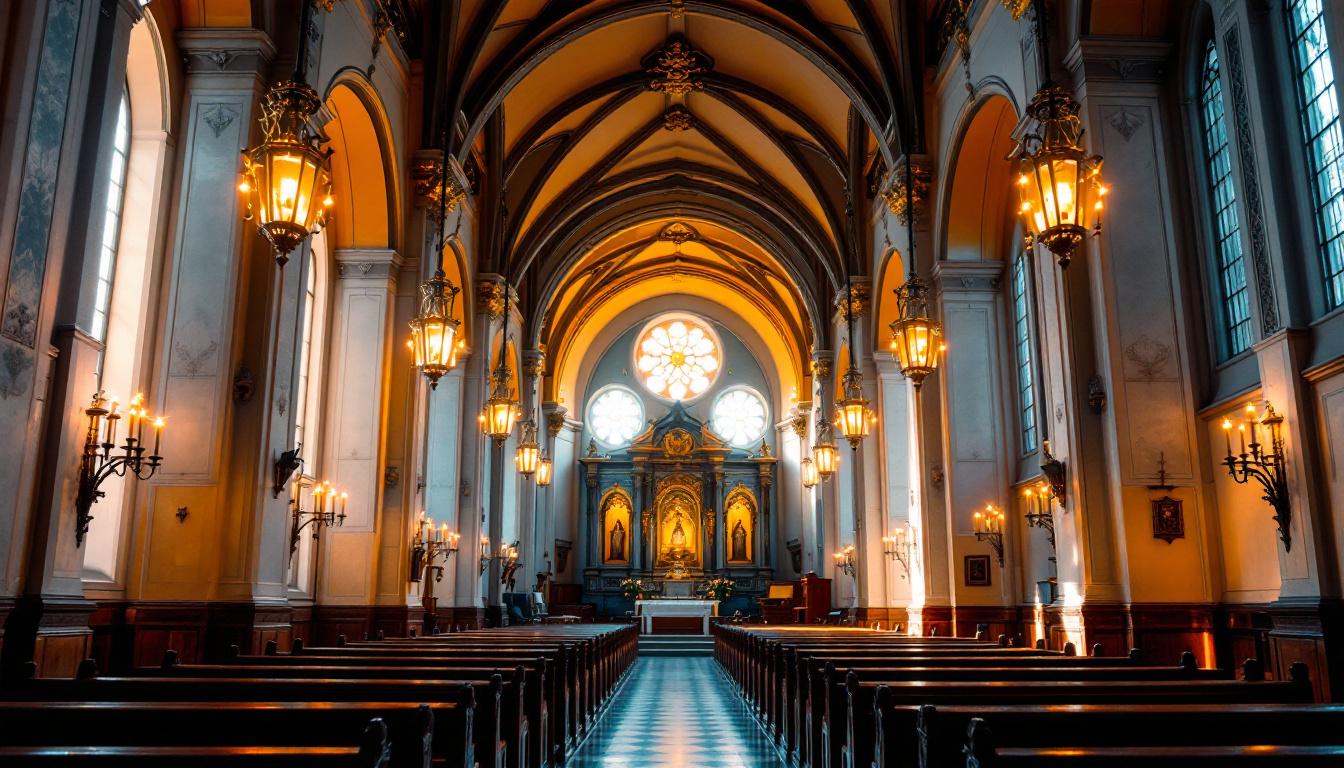
Old churches are architectural treasures, often featuring intricate designs, high vaulted ceilings, stained glass windows, and delicate woodwork. For lighting contractors, these elements present a unique set of challenges and opportunities. Unlike modern commercial or residential buildings, old churches require lighting solutions that respect historical aesthetics while meeting contemporary standards for safety, efficiency, and functionality.
Before undertaking any lighting project in an old church, it is crucial to understand the building’s structural nuances and historical significance. Many churches were constructed long before the advent of modern electrical systems, meaning existing wiring may be outdated or non-existent. Additionally, the materials used—such as stone, plaster, and wood—can affect how lighting fixtures are installed and how light interacts with the space.
Lighting contractors must balance preserving the church’s character with the need to provide adequate illumination for various uses, including worship services, concerts, community events, and tourism. This requires a thoughtful approach to fixture selection, placement, and control systems.
One of the most significant challenges is ensuring that the lighting enhances the beauty of the church’s architectural features without overwhelming them. For instance, the use of LED technology allows for energy efficiency and longevity, but the color temperature and intensity must be carefully chosen to complement the warm tones of wood and the vibrant hues of stained glass. Furthermore, the placement of fixtures is critical; uplighting can accentuate the height of vaulted ceilings, while downlighting can create a welcoming atmosphere for congregants. Each choice must be made with an eye toward both functionality and aesthetics, ensuring that the sacred ambiance of the space is preserved.
Moreover, the historical context of the church often dictates specific requirements for lighting installations. Many churches are listed as heritage sites, which means that any alterations must comply with local preservation laws. This can involve working with heritage consultants and adhering to strict guidelines regarding the types of materials and methods that can be used. In some cases, lighting contractors may need to develop custom solutions that blend seamlessly with the existing architecture, such as discreetly integrated lighting within the woodwork or using fixtures that mimic historical designs. This meticulous attention to detail not only honors the past but also ensures that the church remains a functional space for future generations.
Preserving Historical Integrity While Upgrading Lighting
Respecting Architectural Features
One of the primary concerns when working in old churches is maintaining the integrity of architectural features. Lighting should enhance, not overpower, elements like stained glass windows, frescoes, altars, and wood carvings. Contractors should collaborate closely with architects, historians, and church authorities to ensure that lighting installations do not damage or obscure these features.
For example, mounting fixtures directly onto delicate plaster or historic woodwork can cause irreversible damage. Instead, consider using freestanding lighting stands, suspension systems, or discreet mounting points that avoid compromising the structure. Additionally, LED lighting with adjustable color temperatures can be used to highlight artwork and architectural details without causing heat damage or fading. The careful selection of lighting angles can also play a crucial role; for instance, grazing light along textured surfaces can reveal intricate details that might otherwise go unnoticed, creating a stunning visual experience that respects the artistry of the original design.
Compliance with Preservation Guidelines
Many old churches are protected by heritage or preservation regulations that dictate what changes can be made to the building. Lighting contractors must familiarize themselves with these guidelines, which may restrict the types of fixtures, wiring methods, or modifications allowed.
Obtaining the necessary permits and approvals before beginning work is essential to avoid costly delays or legal issues. In some cases, lighting solutions may need to be reversible, allowing future restoration efforts to return the church to its original state if desired. This aspect of planning not only safeguards the church’s historical value but also encourages a dialogue between modern technology and traditional craftsmanship. Furthermore, engaging the local community in the planning process can foster a sense of ownership and pride, ensuring that the upgrades are viewed as enhancements rather than intrusions. Community input can also lead to innovative solutions that blend contemporary needs with historical preservation, creating a harmonious balance that benefits both the church and its congregation.
Technical Considerations for Lighting Old Churches
Assessing Existing Electrical Infrastructure
Old churches often have outdated or insufficient electrical systems that require upgrading to support modern lighting. Contractors should conduct a thorough assessment of the existing wiring, panels, and circuits to determine their condition and capacity.
In many cases, rewiring or installing new electrical panels will be necessary to ensure safety and code compliance. This process should be planned carefully to minimize disruption and preserve the building’s fabric. Using wireless or low-voltage lighting controls can also reduce the need for invasive wiring.
Choosing the Right Lighting Fixtures
Fixture selection is critical in old churches. Lighting contractors should prioritize fixtures that blend aesthetically with the church’s style while providing the required illumination levels. Traditional chandeliers, sconces, and pendant lights can be retrofitted with LED bulbs to improve energy efficiency without altering the appearance.
For accent lighting, track systems or recessed fixtures can be used discreetly to highlight architectural features and artwork. It is also important to consider the color rendering index (CRI) of the light sources to ensure that colors appear natural and vibrant, which is especially important for stained glass and painted surfaces.
Implementing Energy-Efficient Solutions
Energy efficiency is a growing priority for many churches, both to reduce operational costs and to align with environmental stewardship values. Lighting contractors should recommend LED technology and smart controls such as dimmers, occupancy sensors, and programmable timers.
These solutions not only lower energy consumption but also extend the lifespan of fixtures and reduce maintenance needs. Solar-powered lighting options may be viable in some cases, particularly for exterior illumination, enhancing sustainability further.
Lighting Design Strategies for Functionality and Atmosphere
Layered Lighting Approach
A successful lighting design in an old church incorporates multiple layers of light: ambient, task, and accent. Ambient lighting provides general illumination, task lighting supports specific activities like reading hymnals or conducting ceremonies, and accent lighting draws attention to architectural or artistic elements.
Using a combination of fixtures and control systems allows for flexibility in setting the mood for different occasions. For example, brighter lighting may be needed for daytime services, while softer, warmer tones can create a contemplative atmosphere for evening events.
Controlling Glare and Shadows
High ceilings and large open spaces can create challenges with glare and shadows. Lighting contractors should carefully position fixtures to avoid harsh contrasts that can detract from the worship experience or obscure important details.
Using diffusers, indirect lighting, and adjustable fixtures helps achieve even illumination. Additionally, controlling natural light through window treatments or shading can complement artificial lighting and reduce unwanted reflections.
Incorporating Modern Control Systems
Advanced lighting control systems enable churches to tailor lighting scenes easily and efficiently. Wireless controls, smartphone apps, and programmable presets allow staff to adjust lighting for different services, performances, or events without complex manual intervention.
These systems can also integrate with sound and audiovisual equipment, enhancing the overall experience for congregants and visitors. Lighting contractors should ensure that control interfaces are user-friendly and provide adequate training to church personnel.
Safety and Maintenance Considerations
Ensuring Electrical Safety
Safety is paramount when working in old churches, where electrical systems may have deteriorated or been modified over time. Lighting contractors must adhere strictly to electrical codes and standards, performing thorough inspections and testing before and after installation.
Ground fault circuit interrupters (GFCIs), proper grounding, and surge protection are essential components to prevent electrical hazards. Additionally, contractors should document all work and provide maintenance guidelines to the church’s facilities team.
Planning for Maintenance Accessibility
Many old churches have hard-to-reach lighting fixtures due to their height and architectural complexity. Lighting contractors should design installations that facilitate easy maintenance, such as using fixtures with accessible bulbs or incorporating motorized lifts where feasible.
Regular maintenance schedules should be established to ensure lighting performance remains optimal and to address any wear or damage promptly. This proactive approach helps avoid costly repairs and preserves the church’s ambiance.
Case Studies: Successful Old Church Lighting Projects
Revitalizing a Historic Cathedral with LED Technology
In a notable project, a lighting contractor transformed the lighting system of a centuries-old cathedral by replacing incandescent fixtures with high-CRI LED bulbs. The upgrade preserved the warmth and character of the original chandeliers while significantly reducing energy consumption and maintenance costs.
The contractor implemented a layered lighting design, incorporating adjustable accent lights to highlight stained glass windows and sculptures. A wireless control system enabled the church staff to customize lighting scenes for different services and events, enhancing the overall visitor experience.
Balancing Modern Needs and Heritage in a Rural Parish Church
Another example involved a rural parish church where the contractor worked closely with preservation authorities to install discreet track lighting and sconces that complemented the Gothic architecture. The project included upgrading the electrical infrastructure to meet current safety standards without disturbing the historic fabric.
Energy-efficient LED fixtures with dimming capabilities allowed the church to reduce operational costs while maintaining a reverent atmosphere. The lighting design also improved visibility for community events, supporting the church’s role as a local gathering place.
Conclusion: Key Takeaways for Lighting Contractors
Lighting old churches demands a specialized approach that respects historical significance while embracing modern technology and safety standards. Lighting contractors must conduct thorough assessments, collaborate with stakeholders, and design solutions that enhance both aesthetics and functionality.
Prioritizing preservation, energy efficiency, and user-friendly controls ensures that these sacred spaces remain illuminated beautifully and sustainably for generations to come. By mastering the unique challenges of old church lighting, contractors can contribute meaningfully to the stewardship of cultural heritage and community life.
Illuminate Your Heritage Projects with LumenWholesale
As you navigate the complexities of lighting old churches, let LumenWholesale be your partner in blending tradition with innovation. Our extensive selection of spec-grade lighting products is designed to meet the unique demands of historical preservation and modern efficiency. With unbeatable wholesale prices and free shipping on bulk orders, you can trust us to provide the quality and value your sacred projects deserve. Elevate your lighting solutions today and experience the best in wholesale lighting at the best value with LumenWholesale.