Introduction to Motion Sensor Lighting
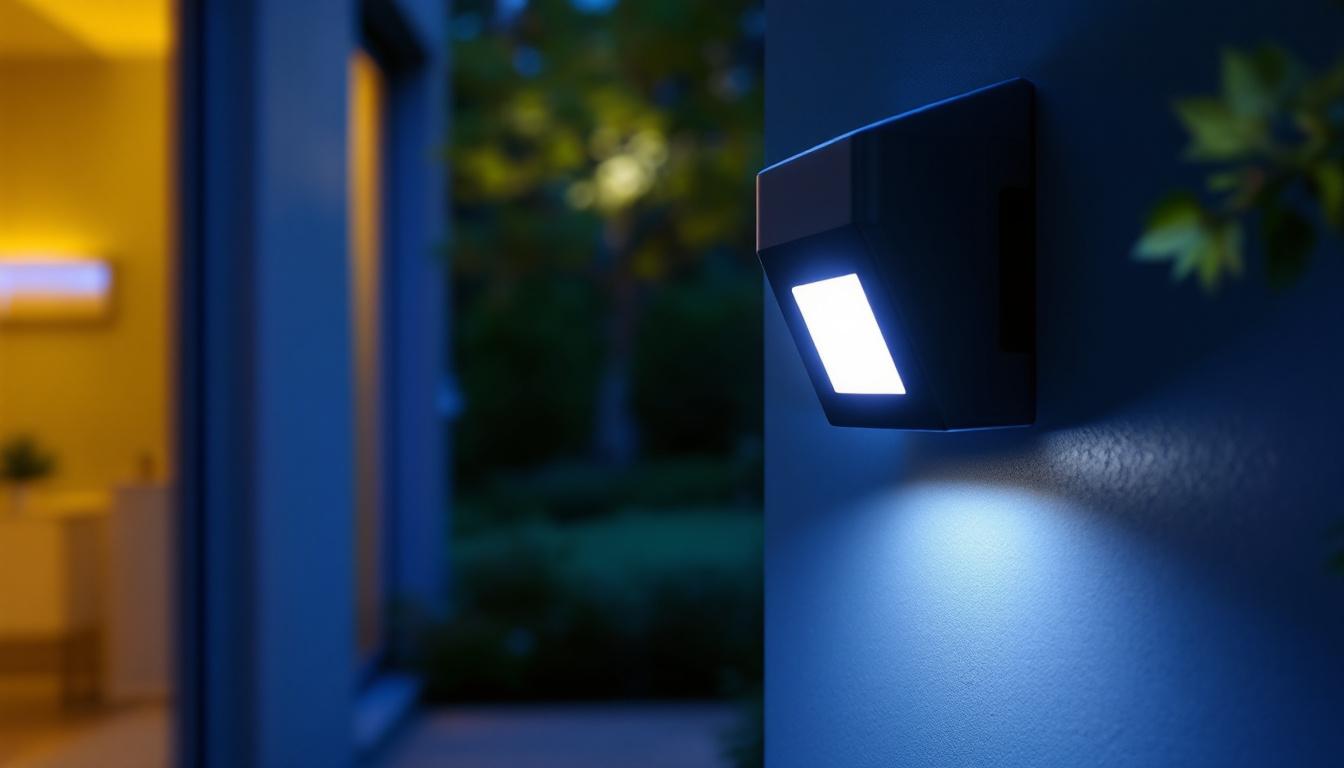
Motion sensor light fixtures have become an essential component in modern lighting design, particularly for contractors aiming to deliver energy-efficient, secure, and user-friendly solutions. These fixtures automatically activate when movement is detected, providing illumination only when needed, which translates into significant energy savings and enhanced convenience. The technology behind these sensors has advanced remarkably, allowing for greater sensitivity and a wider range of detection, which means they can now be used in various settings, from residential homes to large commercial spaces.
For lighting contractors, understanding the latest trends in motion sensor technology is critical to staying competitive and meeting client expectations. As technology evolves, so do the capabilities and applications of motion sensor lighting, making it a dynamic field that requires continuous learning and adaptation. For instance, many modern motion sensors now integrate with smart home systems, allowing homeowners to control their lighting remotely via smartphones or voice-activated devices. This not only enhances user experience but also provides additional layers of security, as homeowners can program their lights to turn on and off at specific times, simulating occupancy even when they are away.
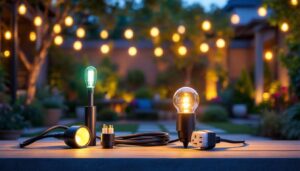
Moreover, the versatility of motion sensor lights extends beyond mere convenience and security. They are increasingly being utilized in outdoor spaces, such as gardens and pathways, where they can illuminate areas as soon as someone approaches, ensuring safety during nighttime. Additionally, with the rise of sustainable practices, many manufacturers are focusing on creating solar-powered motion sensor lights, which not only reduce electricity consumption but also promote environmentally friendly solutions. This shift towards sustainability is becoming a significant selling point for contractors, as more clients are looking for ways to reduce their carbon footprint while enhancing their property’s functionality.
Energy Efficiency and Sustainability: Driving Forces Behind Motion Sensor Adoption
Reducing Energy Consumption with Smart Sensors
One of the primary benefits of motion sensor light fixtures is their ability to reduce unnecessary energy usage. Traditional lighting systems often remain on regardless of occupancy, leading to wasted electricity and higher operational costs. Motion sensors mitigate this by ensuring lights are only on when needed, contributing to energy conservation efforts.
Recent studies indicate that motion sensor lighting can reduce energy consumption by up to 40% in commercial and residential settings. For lighting contractors, this presents a compelling selling point when advising clients on sustainable lighting solutions. Furthermore, the integration of advanced technologies, such as daylight harvesting and occupancy sensing, enhances the efficiency of these systems. By adjusting light levels based on the availability of natural light, motion sensors not only save energy but also create a more comfortable and productive environment for occupants.
Integration with Green Building Certifications
More buildings are pursuing certifications like LEED (Leadership in Energy and Environmental Design), WELL Building Standard, and others that emphasize energy efficiency and occupant well-being. Motion sensor light fixtures are often a key component in meeting these certification requirements.
Contractors who are knowledgeable about how motion sensor lighting contributes to these standards can better assist architects and building owners in designing compliant and environmentally responsible projects. The ability to showcase energy savings and reduced carbon footprints can significantly enhance a building’s marketability. Additionally, as more consumers become environmentally conscious, the demand for energy-efficient solutions continues to rise, making it imperative for contractors to stay informed about the latest technologies and trends in motion sensor lighting. This not only positions them as industry leaders but also fosters a culture of sustainability that resonates with both clients and end-users alike.
Technological Advancements in Motion Sensor Fixtures
Enhanced Sensor Accuracy and Range
Modern motion sensors have evolved from simple infrared detectors to sophisticated multi-sensor systems that combine passive infrared (PIR), ultrasonic, and microwave technologies. This hybrid approach improves detection accuracy, reduces false triggers, and extends the sensor’s effective range. The integration of these technologies allows for better performance in various environmental conditions, such as extreme temperatures or high humidity, which can often hinder traditional sensors.
For contractors, understanding these technologies helps in selecting the right fixture for various environments—whether it’s a small residential hallway or a large commercial parking lot. Additionally, the ability to fine-tune sensitivity settings can cater to specific needs, such as avoiding detection of pets in residential settings or ensuring that large areas are adequately monitored in commercial spaces. This level of customization not only enhances security but also optimizes energy usage, as lights only activate when necessary.
Integration with Smart Home and Building Automation Systems
Motion sensor light fixtures are increasingly compatible with smart home ecosystems and building automation platforms. Features such as remote control, scheduling, and adaptive lighting based on occupancy patterns enhance user experience and operational efficiency. Moreover, these systems can often be integrated with other smart devices, such as security cameras and alarms, creating a comprehensive network that enhances safety and convenience.
Contractors who can install and program these integrated systems add significant value to their services, appealing to tech-savvy clients and commercial property managers looking for advanced control capabilities. The ability to monitor and adjust lighting remotely through mobile apps not only provides convenience but also allows for real-time adjustments based on changing conditions, such as increased foot traffic or special events. This adaptability can lead to significant energy savings and improved overall building management.
LED Technology and Motion Sensors: A Perfect Match
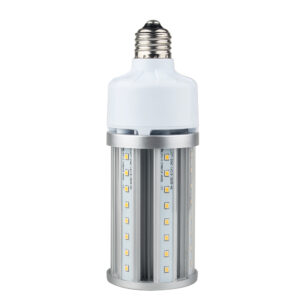
The rise of LED lighting has transformed the industry, and its synergy with motion sensors is particularly noteworthy. LEDs consume less power, have longer lifespans, and provide instant illumination, making them ideal for sensor-activated fixtures. Furthermore, the compact design of LED bulbs allows for more versatile fixture designs, enabling contractors to create aesthetically pleasing yet functional lighting solutions that blend seamlessly into any environment.
Lighting contractors should prioritize LED-based motion sensor fixtures to ensure energy efficiency, durability, and compliance with modern lighting standards. The combination of LED technology with advanced motion sensing not only enhances the user experience but also aligns with sustainability goals, as these fixtures contribute to reduced carbon footprints. Additionally, with the growing emphasis on smart cities and energy-efficient buildings, the demand for such innovative solutions is likely to increase, making it essential for contractors to stay informed about the latest advancements in this field.
Design and Application Trends
Architectural Integration and Aesthetic Considerations
Motion sensor fixtures are no longer purely functional devices hidden away in corners. Contemporary designs emphasize aesthetics, with sleek profiles and customizable finishes that blend seamlessly with architectural elements.
Contractors working on upscale residential or commercial projects must consider how these fixtures complement the overall design, enhancing both form and function.
Outdoor Security and Safety Applications
Outdoor motion sensor lighting remains one of the most popular applications, providing security and safety benefits. Advances in sensor sensitivity and lighting control allow for tailored illumination that deters intruders while minimizing light pollution and glare.
Contractors should be familiar with best practices for placement, sensor settings, and fixture types to maximize security effectiveness without compromising neighborhood lighting standards.
Commercial and Industrial Use Cases
In commercial and industrial environments, motion sensor lighting is used to improve operational efficiency and safety. Warehouses, manufacturing plants, and office buildings benefit from automated lighting that adjusts based on occupancy and activity levels.
Contractors must understand the unique challenges of these settings, such as high ceilings, large open spaces, and varying occupancy patterns, to specify appropriate sensor types and fixture configurations.
Installation and Maintenance Considerations
Proper Sensor Placement and Calibration
Effective motion sensor lighting depends heavily on correct installation. Sensor placement must account for traffic patterns, potential obstructions, and environmental factors such as temperature and lighting conditions.
Contractors should perform thorough site assessments and calibrate sensors to balance sensitivity and range, minimizing false activations while ensuring reliable operation.
Maintenance and Longevity of Motion Sensor Fixtures
While LED-based motion sensor fixtures generally require less maintenance than traditional lighting, periodic checks are essential to ensure sensors remain clean, unobstructed, and properly aligned.
Contractors can offer maintenance services or guidance to clients, extending fixture lifespan and maintaining optimal performance over time.
Emerging Trends and Future Outlook
Artificial Intelligence and Adaptive Lighting
Artificial intelligence (AI) is beginning to influence motion sensor lighting by enabling adaptive systems that learn occupant behavior and adjust lighting accordingly. This results in even greater energy savings and personalized comfort.
Lighting contractors who stay informed about AI integration can position themselves as leaders in next-generation lighting solutions.
Wireless and Battery-Powered Sensor Fixtures
Wireless motion sensor fixtures powered by batteries or energy harvesting technologies offer flexible installation options, especially in retrofit projects or locations without easy access to wiring.
Understanding these options allows contractors to propose solutions that minimize disruption and installation costs while maintaining functionality.
Health and Wellness Considerations
There is growing awareness of how lighting affects human circadian rhythms and overall well-being. Motion sensor fixtures are increasingly designed to incorporate tunable white light and dimming features that support healthy lighting environments.
Contractors who integrate these features can enhance occupant satisfaction and comply with evolving wellness-focused building standards.
Conclusion
Motion sensor light fixtures represent a rapidly evolving segment of the lighting industry, driven by advances in technology, sustainability goals, and changing user expectations. For lighting contractors, staying abreast of these trends is essential to delivering high-quality, efficient, and innovative lighting solutions.
By understanding the latest developments in sensor technology, design, integration, and application, contractors can better serve their clients, reduce energy consumption, and contribute to safer, smarter, and more comfortable built environments.
Get Your Cutting-Edge Motion Sensor Lighting at LumenWholesale
Ready to stay ahead of the curve with the latest motion sensor light fixtures? At LumenWholesale, we provide lighting contractors with the highest quality, spec-grade lighting products at prices that can’t be beaten. Our extensive selection not only meets but exceeds industry standards, ensuring that you can offer your clients reliable and high-performance lighting solutions for every project. With free shipping on bulk orders, you can stock up on the most innovative lighting technologies without worrying about hidden fees or inflated costs. Elevate your lighting game and give your clients the energy-efficient, smart, and sustainable lighting they demand. Wholesale Lighting at the Best Value is just a click away—experience the LumenWholesale difference now.