Understanding Motion Sensor Light Fixtures: A Contractor’s Perspective
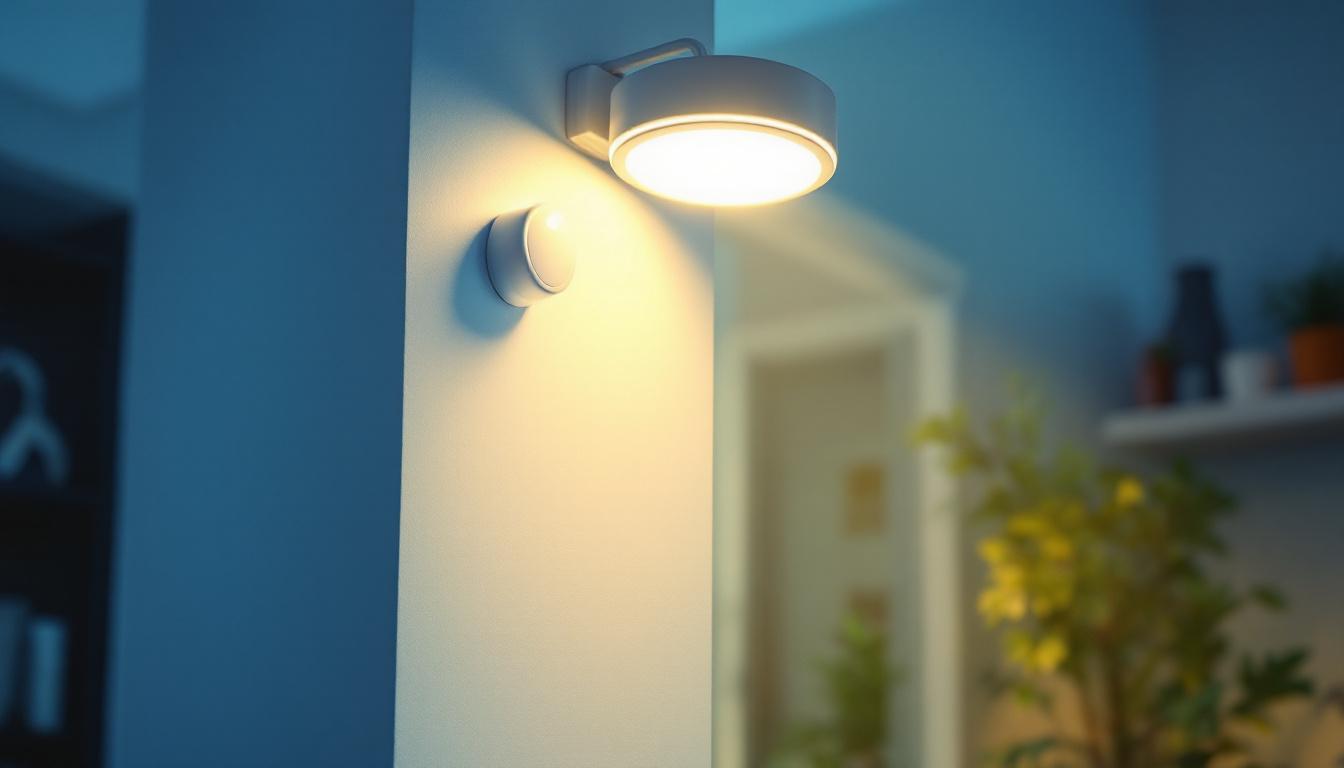
Motion sensor light fixtures have become a staple in modern indoor lighting solutions, offering convenience, energy efficiency, and enhanced security. For lighting contractors, integrating these fixtures into residential, commercial, and industrial projects is increasingly common. However, understanding the nuances of motion sensor technology is crucial to delivering optimal results and client satisfaction.
At its core, a motion sensor light fixture detects movement within a designated area and activates the light accordingly. This automatic response not only conserves energy by illuminating spaces only when needed but also improves safety by deterring intruders and reducing accidents in poorly lit areas. The ability to adjust the sensitivity and duration of the light’s activation further enhances its functionality, allowing homeowners to customize their lighting experience based on their specific needs and preferences.
Lighting contractors must be well-versed in the different types of sensors—such as passive infrared (PIR), ultrasonic, microwave, and dual-technology sensors—each with unique detection methods and applications. PIR sensors detect body heat, making them ideal for indoor use, while ultrasonic sensors use sound waves to sense movement. Selecting the appropriate sensor type based on the environment and client requirements is a foundational step toward successful installation. For instance, in spaces with high ceilings, microwave sensors may be more effective due to their ability to cover larger areas and penetrate obstacles, while PIR sensors might be more suitable for smaller, enclosed spaces.
Moreover, the placement of these fixtures is equally critical. Contractors should consider factors such as the layout of the space, potential obstructions, and the typical movement patterns of occupants. For example, in a commercial setting, strategically placing motion sensors near entrances and high-traffic areas can significantly enhance security and convenience. Additionally, understanding the ambient light conditions can help in configuring the sensors to avoid unnecessary activation during daylight hours, thus maximizing energy savings. The integration of smart technology with motion sensors is also worth noting; many modern fixtures can now be connected to home automation systems, allowing for remote control and monitoring, which adds another layer of convenience and efficiency for clients.
Common Challenges in Installing Indoor Motion Sensor Lighting
Sensor Placement and Coverage Issues
One of the most frequent challenges contractors face is determining the optimal placement of motion sensors to ensure reliable detection without false triggers. Sensors placed too close to heat sources, vents, or reflective surfaces may misinterpret environmental changes as motion, causing lights to flicker or remain on unnecessarily.
Additionally, improper sensor positioning can create blind spots where movement goes undetected, defeating the purpose of the system. For example, placing sensors behind furniture or in corners with limited line-of-sight can reduce effectiveness. Contractors must carefully map out sensor locations, considering room layout, furniture placement, and typical traffic patterns. In larger spaces, it may be beneficial to use multiple sensors to create overlapping coverage areas, ensuring that movement is detected from various angles. This approach not only enhances the reliability of the system but also provides a more comprehensive lighting solution, particularly in high-traffic areas like hallways or living rooms.
Compatibility with Existing Electrical Systems
Integrating motion sensor fixtures into older buildings or complex electrical systems can present compatibility challenges. Sensors and LED fixtures often require specific voltage and wiring configurations, and older wiring may not support these requirements without upgrades.
Moreover, some motion sensors are incompatible with certain dimmer switches or smart home systems, leading to flickering or malfunctioning lights. Contractors need to verify compatibility before installation and, when necessary, recommend electrical upgrades or alternative sensor models that work seamlessly with the client’s existing infrastructure. It’s also important for contractors to consider the overall energy efficiency of the system. By selecting sensors that are compatible with energy-saving technologies, they can help clients reduce their electricity bills while still enjoying the convenience of automated lighting. This not only enhances the value of the installation but also aligns with the growing trend towards sustainability in home improvement projects.
Client Expectations and Education
Clients may have unrealistic expectations about motion sensor lighting, expecting flawless performance in all conditions. However, environmental factors such as temperature fluctuations, pets, or even sunlight can affect sensor sensitivity and operation.
Lighting contractors often encounter clients frustrated by lights turning on unexpectedly or failing to activate. Educating clients about the technology’s limitations and proper usage is essential to prevent dissatisfaction and reduce service calls. This education process can include demonstrations of how the sensors work, tips for adjusting sensitivity settings, and advice on how to position furniture or decor to minimize interference. By fostering a better understanding of the system, contractors can empower clients to make informed decisions and optimize their motion sensor lighting experience. Additionally, providing clients with a clear maintenance plan can help ensure that the system continues to function effectively over time, further enhancing their satisfaction with the installation.
Strategies for Overcoming Installation Challenges
Comprehensive Site Assessment
Before installation, conducting a thorough site assessment is paramount. Contractors should evaluate room dimensions, ceiling heights, furniture arrangements, and potential sources of interference. This assessment helps in selecting the right sensor type and placement to maximize coverage and minimize false activations.
Using tools like laser distance meters and thermal cameras can aid in precise sensor positioning, ensuring that the detection zones align with intended traffic areas. Additionally, contractors should consider the ambient lighting conditions and decide whether the sensors need to work in conjunction with daylight sensors for optimal energy savings.
Choosing the Right Technology for the Application
Not all motion sensors are created equal, and selecting the appropriate technology is critical. For indoor environments with pets, dual-technology sensors that combine PIR and ultrasonic detection can reduce false triggers by requiring confirmation from both sensor types before activating the light.
In areas with high ceilings or large open spaces, microwave sensors may offer better coverage due to their ability to detect motion through certain materials. However, these sensors can be prone to interference from electronic devices, so careful evaluation is necessary.
Integration with Smart Lighting Systems
Modern motion sensor fixtures often come with smart capabilities, allowing integration with home automation systems. Lighting contractors can leverage these features to offer clients customizable lighting schedules, remote control, and energy usage monitoring.
Integrating motion sensors with smart hubs also enables adaptive lighting that responds to occupancy patterns and daylight availability, enhancing both convenience and efficiency. However, this requires contractors to be proficient in networking and smart device configuration to ensure seamless operation.
Best Practices for Maintenance and Troubleshooting
Routine Inspection and Cleaning
Motion sensors rely on clear detection paths to function correctly. Dust, dirt, and cobwebs can accumulate on sensor lenses, impairing sensitivity. Contractors should advise clients on the importance of periodic cleaning and, where possible, offer maintenance services to keep sensors operating optimally.
Regular inspection also helps identify wiring issues or physical damage that could affect performance. Early detection of such problems prevents costly repairs and downtime.
Addressing False Triggers and Sensor Failures
When clients report false triggers or sensor failures, contractors should systematically diagnose the issue. Common causes include interference from heating vents, pets, or reflective surfaces. Adjusting sensor sensitivity settings or repositioning the sensor can often resolve these problems.
In cases where sensors are outdated or incompatible with the lighting system, replacing them with newer models designed for the specific environment may be necessary. Keeping abreast of technological advancements allows contractors to recommend the best solutions.
Documentation and Client Communication
Providing clients with clear documentation on sensor operation, maintenance tips, and troubleshooting steps enhances their experience and reduces unnecessary service calls. Contractors should also establish open communication channels for clients to report issues promptly.
Educated clients who understand how to use and maintain their motion sensor lighting systems are more likely to be satisfied and recommend the contractor’s services to others.
Emerging Trends and Opportunities for Lighting Contractors
Advancements in Sensor Technology
Recent developments in motion sensor technology include improved sensitivity, reduced power consumption, and enhanced integration with artificial intelligence. Sensors now can distinguish between humans, pets, and inanimate objects, reducing false activations significantly.
Lighting contractors who stay informed about these innovations can offer cutting-edge solutions that provide superior performance and energy savings, positioning themselves as leaders in the market.
Energy Efficiency and Sustainability Focus
With increasing emphasis on green building practices and energy conservation, motion sensor lighting is a key component of sustainable indoor lighting design. Combining sensors with LED fixtures and daylight harvesting systems can drastically reduce energy consumption.
Contractors who specialize in energy-efficient installations can tap into growing demand from environmentally conscious clients and commercial projects seeking LEED certification or similar standards.
Expanding into Smart Building Solutions
The integration of motion sensor lighting into broader smart building ecosystems presents new business opportunities. Contractors can offer comprehensive packages that include occupancy-based HVAC control, security systems, and data analytics for facility management.
By expanding their skill set beyond traditional lighting installation, contractors can become indispensable partners in creating intelligent, responsive indoor environments.
Conclusion
Motion sensor light fixtures represent a dynamic and growing segment of indoor lighting solutions that offer significant benefits in energy savings, convenience, and safety. For lighting contractors, mastering the challenges associated with sensor selection, placement, compatibility, and client education is essential to delivering successful projects.
By adopting thorough site assessments, leveraging the latest sensor technologies, integrating smart systems, and providing ongoing maintenance and support, contractors can overcome common obstacles and exceed client expectations. Staying abreast of emerging trends and expanding service offerings will further position lighting contractors for sustained success in an evolving industry.
Get Your Premium Motion Sensor Lighting from LumenWholesale
Ready to elevate your lighting projects with the latest in motion sensor technology? Look no further than LumenWholesale for all your lighting needs. We provide contractors with high-quality, specification-grade lighting products at the most competitive wholesale prices. Our extensive selection is designed to meet the highest industry standards, ensuring you deliver reliable and high-performance lighting solutions to your clients. Plus, with free shipping on bulk orders, you can stock up on premium lighting without worrying about hidden fees or compromises. Make the smart choice for your business and experience the best value in wholesale lighting with LumenWholesale.