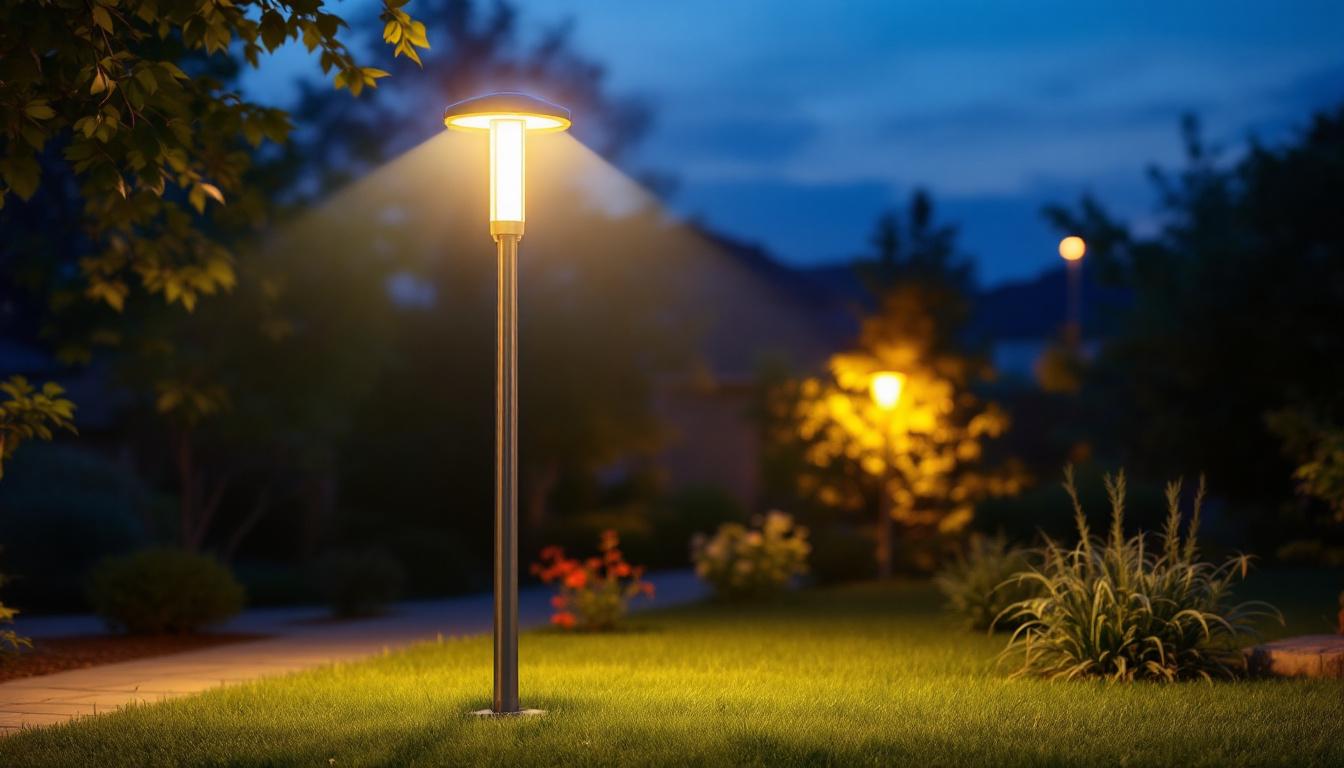
Understanding Low Voltage Outdoor Pole Lamps
Low voltage outdoor pole lamps have become a cornerstone in modern landscape and architectural lighting projects. For lighting contractors, mastering the nuances of these fixtures is essential to delivering safe, efficient, and aesthetically pleasing outdoor environments. Unlike traditional high voltage lighting, low voltage systems operate at 12 or 24 volts, significantly reducing electrical hazards and energy consumption.
These lamps are designed to illuminate pathways, gardens, driveways, and public spaces while blending seamlessly with the outdoor environment. Their versatility and safety profile make them a preferred choice for residential, commercial, and municipal lighting projects. Additionally, many low voltage outdoor pole lamps come equipped with energy-efficient LED bulbs, which not only extend the lifespan of the fixtures but also contribute to lower utility bills and a reduced carbon footprint. This eco-friendly aspect is increasingly appealing to homeowners and businesses alike, who are looking to make sustainable choices in their lighting solutions.
What Defines Low Voltage Lighting?
Low voltage lighting systems rely on a transformer to step down the standard line voltage (typically 120 volts) to a safer, lower voltage. This transformation allows for the use of thinner wiring, reduces electrical risks, and often simplifies installation. For contractors, understanding the electrical requirements and the correct transformer sizing is fundamental to ensuring system reliability and compliance with electrical codes.
Moreover, low voltage systems allow for greater flexibility in fixture placement, as the reduced voltage drop over distances can be managed effectively with proper planning. This flexibility is particularly advantageous in large outdoor spaces where lighting needs vary significantly. Furthermore, low voltage outdoor pole lamps can be easily integrated with smart lighting controls, enabling features such as dimming, timers, and even remote operation via smartphone apps. This technological integration not only enhances user convenience but also allows for dynamic lighting schemes that can adapt to different occasions and seasons, making outdoor spaces more inviting and functional at all times.
Key Benefits of Low Voltage Pole Lamps in Outdoor Applications
Low voltage pole lamps offer numerous advantages that make them indispensable tools for lighting contractors. These benefits extend beyond energy efficiency to include safety, design flexibility, and maintenance considerations.
Energy Efficiency and Cost Savings
One of the most compelling reasons to choose low voltage pole lamps is their energy efficiency. Operating at a lower voltage inherently reduces power consumption, which translates into lower utility bills for clients. When combined with LED technology, which is now the industry standard, energy savings can be substantial.
For example, LED low voltage lamps consume up to 80% less energy than traditional incandescent fixtures. This efficiency not only benefits the end-user but also aligns with increasing regulatory demands for sustainable and energy-conscious lighting solutions. Moreover, the longevity of LED bulbs—often lasting up to 25,000 hours—means that replacements are infrequent, further reducing maintenance costs and contributing to a lower total cost of ownership over time.
Enhanced Safety and Compliance
Safety is paramount in outdoor lighting installations. Low voltage systems minimize the risk of electrical shock and fire hazards, making them safer for both installers and end-users. This is particularly important in environments accessible to the public or where moisture exposure is a concern.
Additionally, low voltage lighting often complies more easily with local electrical codes and standards, simplifying the permitting process. Contractors who are well-versed in these regulations can expedite project timelines and avoid costly compliance issues. The reduced voltage also allows for simpler installation methods, such as direct burial of cables without the need for conduit in many cases, which can save both time and labor costs during installation.
Design Flexibility and Aesthetic Appeal
Low voltage pole lamps come in a wide variety of styles, finishes, and heights, allowing lighting contractors to tailor solutions to specific project aesthetics. Whether the goal is to highlight architectural features, create ambiance, or provide functional illumination, these lamps can be customized with different beam angles, color temperatures, and dimming capabilities.
Furthermore, the ability to use multiple fixtures on a single transformer enables complex lighting designs that can be controlled independently or as a group, enhancing the overall user experience. This versatility allows for creative applications, such as illuminating pathways, gardens, or outdoor seating areas, while also providing the option for seasonal or event-based lighting changes. By integrating smart technology, contractors can also offer clients the ability to control their lighting remotely, adding an extra layer of convenience and modernity to outdoor spaces.
Installation Best Practices for Lighting Contractors
Successful installation of low voltage outdoor pole lamps requires meticulous planning and execution. Lighting contractors must consider electrical, environmental, and aesthetic factors to ensure optimal performance and longevity.
Proper Transformer Selection and Placement
The transformer is the heart of any low voltage lighting system. Selecting the correct transformer wattage is critical; undersized transformers can lead to dim lighting and premature failure, while oversized units may cause inefficiencies and increased costs.
Contractors should calculate the total wattage of all connected fixtures, including any future expansions, and select a transformer with at least 20% additional capacity. Placement of the transformer should be in a dry, accessible location to facilitate maintenance and protect against environmental damage. Additionally, it’s advisable to consider the proximity of the transformer to the main power source to minimize the length of the power run, which can further reduce potential voltage drop issues. A well-placed transformer not only improves system efficiency but also simplifies troubleshooting and repairs, ultimately saving time and resources.
Wire Gauge and Voltage Drop Considerations
Voltage drop is a common challenge in low voltage lighting installations, especially over long cable runs. Using the appropriate wire gauge is essential to minimize voltage loss and maintain consistent illumination levels.
For example, 12-gauge wire is suitable for runs up to 100 feet, while longer distances may require 10-gauge or thicker wire. Contractors should use voltage drop calculators or manufacturer guidelines to determine the optimal wire size, ensuring compliance with electrical standards and preserving fixture performance. Furthermore, it is prudent to regularly inspect wire connections and junction boxes for signs of wear or corrosion, as these can contribute to increased resistance and further exacerbate voltage drop issues. By maintaining a proactive approach to wiring integrity, contractors can enhance the reliability and safety of the lighting system.
Fixture Placement and Landscape Integration
Strategic placement of pole lamps enhances both functionality and visual impact. Lighting contractors should collaborate with landscape architects and designers to identify focal points, traffic paths, and areas requiring safety lighting.
Consideration of natural elements such as trees, shrubs, and terrain is vital to avoid light pollution, glare, and shadows. Adjustable fixtures and dimmable controls can fine-tune the lighting effect, creating a harmonious outdoor environment that meets client expectations. Moreover, incorporating smart lighting technology can elevate the overall design, allowing for programmable schedules and remote control options that enhance convenience and energy efficiency. By integrating these advanced features, contractors can offer clients a modern solution that not only illuminates but also complements the landscape, creating an inviting atmosphere for evening gatherings and outdoor activities.
Maintenance and Troubleshooting Tips
Maintaining low voltage outdoor pole lamps ensures longevity and consistent performance. Lighting contractors often provide maintenance services or guidance to clients, making knowledge of common issues and solutions essential.
Regular Inspection and Cleaning
Outdoor fixtures are exposed to dirt, moisture, and physical impacts. Regular inspection helps identify corrosion, loose connections, or damaged components early. Cleaning lenses and lamp covers improves light output and prevents premature fixture degradation.
Contractors should advise clients on seasonal maintenance schedules and offer service contracts to maintain system integrity over time.
Addressing Common Electrical Issues
Voltage drop, transformer failure, and wiring faults are frequent causes of lighting malfunctions. Using a multimeter to check voltage levels at various points in the circuit can pinpoint issues. Replacing faulty transformers or upgrading wiring can restore system performance.
Additionally, ensuring that fixtures are rated for outdoor use and properly sealed prevents moisture ingress, a common cause of electrical shorts and corrosion.
Emerging Trends and Technologies in Low Voltage Outdoor Lighting
The outdoor lighting industry is rapidly evolving, with innovations that enhance efficiency, control, and integration. Lighting contractors who stay informed about these trends can offer cutting-edge solutions to their clients.
Smart Lighting and IoT Integration
Smart low voltage pole lamps equipped with wireless controls and sensors enable dynamic lighting scenarios. Contractors can install systems that adjust brightness based on ambient light, motion detection, or scheduled programming, improving energy efficiency and user convenience.
Integration with Internet of Things (IoT) platforms allows remote monitoring and control, predictive maintenance alerts, and data-driven optimization of lighting performance.
Advanced LED Technologies
LED advancements continue to improve lumen output, color rendering, and lifespan. High-efficiency LEDs reduce power consumption further while providing superior light quality. Tunable white LEDs allow for color temperature adjustments, enhancing the ambiance and functionality of outdoor spaces.
Contractors should prioritize fixtures with high-quality LED components and reliable drivers to maximize client satisfaction and minimize warranty claims.
Conclusion: Mastering Low Voltage Pole Lamp Installations
For lighting contractors, expertise in low voltage outdoor pole lamps is a valuable asset that combines safety, efficiency, and design excellence. Understanding the electrical principles, installation best practices, and maintenance requirements ensures successful project outcomes and satisfied clients.
By embracing emerging technologies and adhering to industry standards, contractors can deliver innovative, sustainable lighting solutions that enhance outdoor environments and stand the test of time. Investing in knowledge and quality workmanship in this domain not only elevates professional reputation but also contributes to safer, more beautiful communities.
Illuminate Your Projects with LumenWholesale
Ready to elevate your lighting installations with the safety, efficiency, and design excellence of low voltage outdoor pole lamps? At LumenWholesale, we provide lighting contractors with the high-quality, spec-grade lighting products you need at unbeatable wholesale prices. Say goodbye to local distributor markups and hello to superior lighting products that meet the highest industry standards. With our hassle-free bulk buying and free shipping, you can ensure every project shines brightly without breaking the bank. Discover the perfect blend of quality, affordability, and convenience. Wholesale Lighting at the Best Value is just a click away.