Understanding Low Profile LED Pot Lights
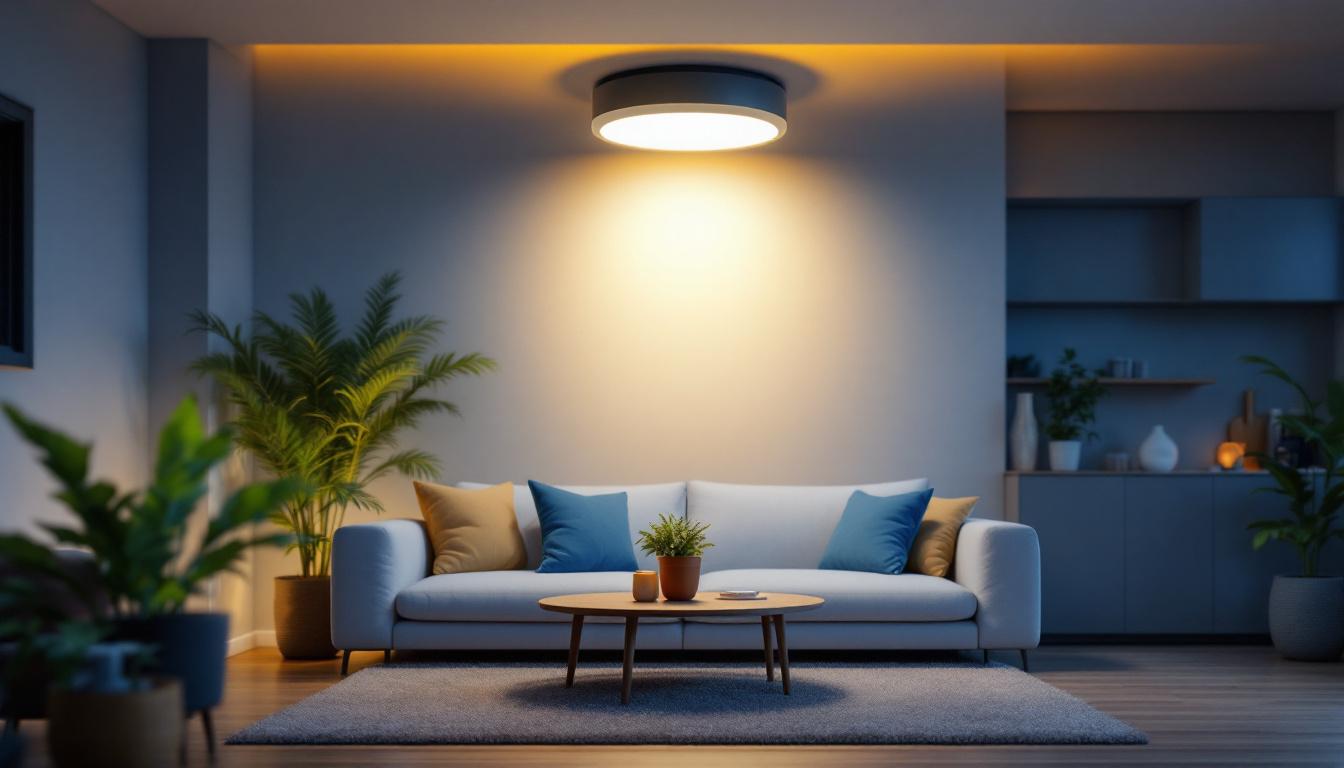
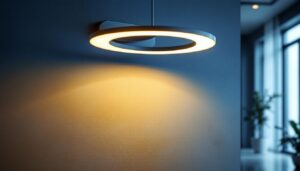
Low profile LED pot lights have become a staple in modern lighting design due to their sleek appearance, energy efficiency, and versatility. Unlike traditional recessed lighting fixtures, these lights sit closer to the ceiling, offering a streamlined look that complements contemporary interiors. For lighting contractors, mastering the installation and specification of these fixtures is essential to delivering high-quality results that meet client expectations.
Despite their growing popularity, many contractors encounter challenges when working with low profile LED pot lights. These challenges often stem from misunderstandings about product specifications, installation requirements, and lighting design principles. Addressing these common mistakes can significantly improve project outcomes and client satisfaction.
One of the key advantages of low profile LED pot lights is their ability to provide effective ambient lighting without overwhelming the space. Their compact design allows for installation in areas where traditional fixtures would be impractical, such as low ceilings or tight spaces. This makes them ideal for a variety of applications, from residential settings to commercial environments. In addition to their aesthetic appeal, low profile LEDs also boast a longer lifespan compared to incandescent or fluorescent bulbs, which translates to reduced maintenance costs and less frequent replacements.
Furthermore, the versatility of low profile LED pot lights extends beyond mere aesthetics; they can be equipped with dimmable features and color temperature options, allowing for customized lighting scenarios that enhance the mood of any room. This adaptability is particularly beneficial in spaces that serve multiple functions, such as living rooms or conference areas, where lighting needs may shift throughout the day. As contractors become more familiar with the nuances of these fixtures, they can better advise clients on how to utilize them effectively, ensuring that each installation not only meets functional requirements but also elevates the overall design of the space.
Common Mistakes in Product Selection
Overlooking the Importance of Lumens and Color Temperature
One of the most frequent errors contractors make is focusing solely on wattage rather than lumens when selecting LED pot lights. Lumens measure the actual light output, which is the critical factor in achieving the desired brightness. For example, a 10-watt LED fixture may produce 800 lumens, which is sufficient for general lighting in many rooms, whereas a higher wattage does not necessarily guarantee better illumination.
Color temperature is another vital consideration. Low profile LED pot lights come in various color temperatures, typically ranging from warm white (2700K) to daylight (5000K). Choosing the wrong color temperature can affect the ambiance and functionality of a space. For instance, warmer tones are better suited for living rooms and bedrooms, while cooler tones are ideal for kitchens and workspaces. Contractors who fail to specify the appropriate color temperature risk delivering lighting that feels harsh or uninviting. Furthermore, color temperature can influence mood and productivity; research indicates that cooler light can enhance focus and alertness, making it a preferred choice for office environments. Conversely, warmer light can create a cozy and relaxing atmosphere, which is essential for residential spaces.
Neglecting Compatibility with Existing Ceiling Types
Low profile LED pot lights require careful consideration regarding the ceiling type and construction. Many contractors make the mistake of assuming that all fixtures fit universally, leading to installation difficulties or compromised aesthetics. For example, installing a fixture designed for drywall ceilings in a drop ceiling can result in poor fit and light leakage.
Additionally, some low profile LED pot lights are designed specifically for new construction, while others are retrofit models intended for existing ceilings. Using the wrong type can complicate installation and increase labor costs. Contractors should always verify fixture compatibility with the ceiling system before ordering materials. Moreover, understanding the structural integrity of the ceiling is crucial; certain ceiling types may not support the weight or design of specific fixtures, leading to safety hazards. It’s also worth noting that the installation process can vary significantly between different ceiling types, which may require additional tools or techniques. Therefore, a thorough assessment of the ceiling type not only ensures a seamless installation but also enhances the overall lighting experience in the space.
Installation Pitfalls to Avoid
Improper Spacing and Layout Planning
Lighting layout is crucial for achieving balanced illumination and avoiding dark spots or glare. A common mistake is spacing low profile LED pot lights too far apart or clustering them unevenly. This often happens when contractors rely on outdated rules of thumb rather than calculating spacing based on the specific fixture’s beam angle and room dimensions.
For example, a fixture with a 60-degree beam angle typically requires spacing about 1.5 to 2 times the height of the ceiling to ensure even coverage. Ignoring these guidelines can lead to uneven lighting distribution, which negatively impacts both aesthetics and functionality.
Failing to Account for Heat Dissipation
Although LED fixtures generate less heat than incandescent bulbs, heat management remains critical, especially in tight ceiling cavities. Low profile designs often have limited space for heat dissipation, and improper installation can lead to overheating, reducing the fixture’s lifespan and performance.
Contractors sometimes neglect manufacturer recommendations regarding clearance around the fixture or the use of insulation-contact (IC) rated models. Installing non-IC rated fixtures in insulated ceilings can cause overheating and pose fire hazards. Ensuring proper heat management safeguards both the fixture and the building.
Ignoring Electrical Code and Safety Standards
Compliance with electrical codes and safety standards is non-negotiable. However, some contractors inadvertently overlook key requirements when installing low profile LED pot lights. For instance, using incompatible dimmers or failing to provide adequate wiring can cause flickering, buzzing, or premature fixture failure.
Moreover, many LED pot lights require specific driver types or transformers. Using the wrong components or bypassing manufacturer instructions can void warranties and create safety risks. Staying current with local codes and manufacturer guidelines is essential for safe and reliable installations.
Design and Aesthetic Mistakes
Overlooking the Impact of Fixture Trim and Finish
The trim and finish of low profile LED pot lights significantly influence the overall look of a space. Contractors sometimes prioritize function over form, selecting trims that clash with the ceiling or interior design. For example, a shiny white trim may stand out awkwardly against a matte ceiling finish, detracting from the seamless appearance that low profile fixtures are meant to provide.
Offering clients options such as adjustable trims, different finishes, or color-matched trims can elevate the final result. Attention to these details demonstrates professionalism and enhances client satisfaction.
Misjudging the Use of Adjustable or Directional Fixtures
Adjustable low profile LED pot lights allow for targeted illumination, which is ideal for highlighting artwork, architectural features, or task areas. However, contractors sometimes install these fixtures without considering the directionality needed for the space, resulting in ineffective lighting or unwanted shadows.
Proper planning involves understanding the purpose of each fixture and aligning it with the room’s functional zones. Failing to do so can diminish the impact of the lighting design and frustrate clients.
Maintenance and Longevity Oversights
Neglecting Accessibility for Future Maintenance
Low profile LED pot lights are designed to be unobtrusive, but this can complicate future maintenance if accessibility is not planned during installation. Contractors occasionally install fixtures in locations that are difficult to reach without damaging the ceiling or surrounding finishes.
Ensuring that fixtures can be easily accessed for bulb replacement, cleaning, or repairs saves time and money in the long run. This foresight also contributes to a positive client experience by minimizing disruption during maintenance.
Underestimating the Importance of Quality Components
Using low-cost, low-quality LED pot lights may reduce upfront expenses but often leads to higher costs over time due to early failures and increased maintenance. Contractors who prioritize quality components benefit from longer-lasting fixtures, better light quality, and fewer callbacks.
Reputable manufacturers typically offer warranties and support that protect both contractors and clients. Investing in quality products reflects well on the contractor’s professionalism and commitment to excellence.
Best Practices for Lighting Contractors
Conduct Thorough Site Assessments
Before specifying low profile LED pot lights, contractors should perform detailed site assessments. This includes measuring ceiling heights, identifying ceiling types, and understanding the room’s function and lighting needs. Gathering this information ensures that fixture selection and layout are tailored to the space.
Collaborate Closely with Clients and Designers
Effective communication with clients and interior designers helps align lighting choices with aesthetic and functional goals. Presenting fixture samples, mock-ups, or lighting simulations can clarify expectations and reduce the risk of dissatisfaction.
Stay Updated on Industry Standards and Innovations
The lighting industry evolves rapidly, with continuous advancements in LED technology, controls, and design options. Contractors who stay informed through training, trade publications, and manufacturer resources can offer cutting-edge solutions that differentiate their services.
Implement Rigorous Quality Control During Installation
Attention to detail during installation—from verifying electrical connections to ensuring proper fixture alignment—prevents common issues such as flickering or misaligned trims. Using checklists and standardized procedures can enhance consistency and reliability.
Conclusion
Low profile LED pot lights offer numerous benefits, including aesthetic appeal, energy efficiency, and design flexibility. However, lighting contractors must navigate a range of potential pitfalls to maximize these advantages. Common mistakes in product selection, installation, design, and maintenance can undermine project success and client satisfaction.
By understanding these challenges and adopting best practices, contractors can elevate their expertise and deliver superior lighting solutions. Prioritizing accurate specification, meticulous installation, thoughtful design, and quality components ensures that low profile LED pot lights perform beautifully and reliably for years to come.
Get Your Premium Lighting Supplies at LumenWholesale
Ready to avoid the common pitfalls with low profile LED pot lights and ensure your projects shine? LumenWholesale is here to support you with high-quality, specification-grade lighting products at unbeatable wholesale prices. Our extensive selection not only meets but exceeds industry standards, providing you with the reliable, high-performance lighting solutions your clients demand. Say goodbye to inflated markups and hidden fees with our hassle-free bulk buying and free shipping. Elevate your lighting game and give your projects the edge with Wholesale Lighting at the Best Value from LumenWholesale.