Understanding the Challenges of Low Ceiling Lighting in Living Rooms
Lighting contractors frequently encounter the unique challenges posed by living rooms with low ceilings. Unlike rooms with standard or high ceilings, these spaces require a thoughtful approach to lighting design to avoid a cramped or cluttered feel. Low ceilings can limit the choice of fixtures and affect the distribution of light, making it essential to select solutions that enhance the room’s ambiance without compromising headspace or aesthetic appeal.
One of the primary challenges is balancing adequate illumination with spatial perception. Poorly chosen lighting can make a low-ceilinged living room feel even smaller or oppressive. Lighting contractors must consider fixture height, light spread, and the interplay of shadows to create a welcoming, open atmosphere. Additionally, the fixtures must comply with safety standards, especially in residential settings where occupants may move furniture or engage in various activities.
Why Low Ceilings Demand Specialized Lighting Solutions
Low ceilings typically measure less than 8 feet in height, which restricts the installation of traditional pendant or chandelier lighting. These fixtures can intrude into the living space, increasing the risk of head injuries and reducing usable room volume. Therefore, lighting contractors must prioritize fixtures that maintain head clearance while delivering sufficient light output.
Moreover, the lighting must complement the room’s design elements, such as wall colors, furniture, and flooring, which can affect how light is reflected and absorbed. Inadequate lighting can highlight imperfections or create unwanted shadows, detracting from the living room’s comfort and style.
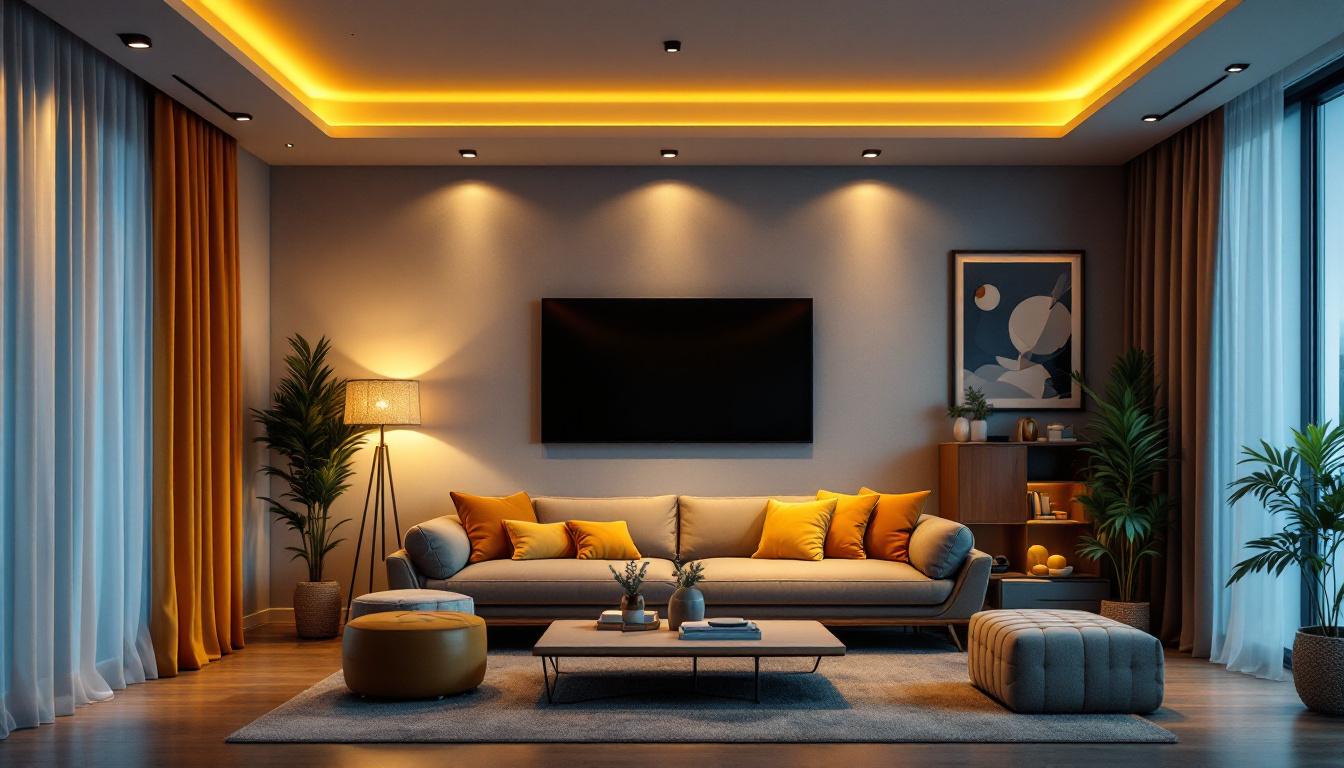
To address these challenges, many contractors turn to recessed lighting as a preferred solution. This type of lighting is installed directly into the ceiling, providing a sleek and unobtrusive look while maximizing headroom. Additionally, the use of adjustable recessed fixtures can allow for targeted lighting, illuminating specific areas such as artwork or seating arrangements without overwhelming the space. Another innovative approach involves the incorporation of wall-mounted sconces, which can add both style and function without encroaching on the ceiling height. These fixtures can create a warm glow that enhances the room’s overall aesthetic while ensuring that the space feels open and airy.
Furthermore, the color temperature of the light is crucial in low-ceiling environments. Warmer tones can create a cozy atmosphere, making the living room feel inviting, while cooler tones may lend a more modern and spacious feel. Dimming options can also be beneficial, allowing homeowners to adjust the brightness according to the time of day or mood, thus enhancing the versatility of the living space. By carefully considering these elements, lighting contractors can transform low-ceilinged living rooms into stylish and comfortable areas that invite relaxation and social interaction.
Types of Low Ceiling Lights Suitable for Living Rooms
Lighting contractors have a variety of fixture types to choose from when addressing low ceiling living rooms. Each type offers distinct advantages and considerations related to installation, light distribution, and aesthetic impact.
Flush Mount and Semi-Flush Mount Fixtures
Flush mount lights are ideal for low ceilings because they sit directly against the ceiling surface, minimizing vertical space usage. These fixtures provide broad, diffused illumination that can evenly light the entire living room without creating glare or harsh shadows.
Semi-flush mount fixtures hang slightly below the ceiling, usually by a few inches, offering a decorative element without significantly reducing headroom. They are suitable for ceilings slightly higher than the lowest thresholds and can add a touch of style while maintaining functionality.
Recessed Lighting
Recessed lights, or can lights, are embedded into the ceiling, making them an excellent choice for low ceilings. They provide focused, directional lighting that can be strategically placed to highlight specific areas or features within the living room, such as artwork, seating areas, or architectural details.
Lighting contractors must carefully plan the spacing and beam angles to avoid uneven lighting or dark spots. Additionally, selecting LED recessed fixtures can enhance energy efficiency and reduce heat output, which is beneficial in confined ceiling spaces.
LED Panel Lights
LED panel lights are thin, flat fixtures that can be mounted flush with the ceiling, offering a modern and sleek appearance. They provide uniform light distribution and are highly energy-efficient, making them a popular choice for contemporary living rooms with low ceilings.
These panels can be dimmable, allowing for adjustable ambiance, which is particularly important in living rooms where lighting needs vary throughout the day and evening.
Track Lighting
While track lighting is often associated with higher ceilings, low-profile track systems can be adapted for low ceilings. They offer flexibility in directing light to different parts of the room and can be combined with other lighting types to create layered lighting schemes.
Contractors should ensure that track fixtures do not hang too low and that the system is securely mounted to avoid safety hazards.
Key Considerations for Lighting Contractors When Installing Low Ceiling Lights
Successful lighting installation in low ceiling living rooms depends on several critical factors that lighting contractors must evaluate before selecting and installing fixtures.
Ceiling Height and Fixture Clearance
Accurate measurement of ceiling height is fundamental. Lighting contractors should ensure that fixtures do not reduce head clearance below recommended safety standards, typically around 7 feet in residential spaces. This consideration prevents accidents and maintains comfortable movement within the room.
For very low ceilings, flush mount or recessed fixtures are generally the safest and most practical options.
Light Quality and Color Temperature
The quality of light significantly impacts the living room’s atmosphere. Warm white light (2700K to 3000K) is often preferred in living rooms for its cozy and inviting feel, while cooler temperatures may be suitable for modern or minimalist designs.
Lighting contractors should select bulbs or integrated LEDs that provide consistent color temperature and high color rendering index (CRI) to accurately represent colors within the room.
Energy Efficiency and Longevity
Energy-efficient lighting solutions reduce operational costs and environmental impact. LED technology is the industry standard for low ceiling applications due to its low heat emission, long lifespan, and reduced energy consumption.
Contractors should prioritize fixtures with ENERGY STAR certification or equivalent to ensure compliance with energy codes and client expectations for sustainability.
Layered Lighting Approach
Relying on a single type of lighting can result in flat or inadequate illumination. A layered approach combines ambient, task, and accent lighting to create a dynamic and functional living room environment.
For example, recessed lights can provide ambient illumination, while wall sconces or table lamps add task lighting, and LED strips or spotlights highlight architectural features or artwork.
Installation Best Practices for Low Ceiling Lighting
Proper installation techniques are essential to maximize the performance and safety of low ceiling lighting fixtures.
Pre-Installation Planning and Layout
Lighting contractors should begin with a detailed lighting plan that maps out fixture placement, wiring routes, and switch locations. This plan should consider furniture layout, window placement, and natural light sources to optimize artificial lighting.
Using lighting design software or photometric analysis tools can aid in visualizing light distribution and identifying potential issues before installation.
Electrical Safety and Compliance
Adhering to local electrical codes and standards is non-negotiable. Contractors must ensure that all wiring, junction boxes, and fixtures meet safety requirements and are installed by qualified personnel.
In low ceiling installations, special attention should be paid to fixture mounting to prevent loosening or damage over time due to vibration or impact.
Minimizing Heat Build-Up
Low ceilings can trap heat, especially when multiple fixtures are installed in close proximity. Choosing LED fixtures with low heat output and ensuring adequate ventilation within ceiling cavities helps prevent overheating and extends fixture lifespan.
Accessibility for Maintenance
Contractors should consider future maintenance needs by selecting fixtures that are easy to access and replace. This is particularly important for recessed lights or integrated LED panels that may require ceiling access for repairs.
Trends and Innovations in Low Ceiling Lighting for Living Rooms
Lighting technology continues to evolve, offering new opportunities for contractors to enhance low ceiling living rooms with innovative solutions.
Smart Lighting Integration
Smart lighting systems allow homeowners to control brightness, color temperature, and scheduling via mobile apps or voice commands. For lighting contractors, integrating smart controls adds value and modern convenience to living room installations.
Compatibility with popular ecosystems such as Alexa, Google Home, or Apple HomeKit is often a key consideration.
Human-Centric Lighting
Human-centric lighting adjusts color temperature and intensity throughout the day to support natural circadian rhythms. This approach can improve occupant well-being and comfort in living rooms, making it an attractive feature for clients.
Contractors can implement tunable white LEDs or dynamic lighting systems to achieve these effects.
Minimalist and Customizable Fixtures
Contemporary design trends favor minimalist fixtures that blend seamlessly with ceiling surfaces. Customizable lighting panels and modular systems allow contractors to tailor solutions to specific room dimensions and client preferences.
These options enhance aesthetic appeal without sacrificing functionality, especially in low ceiling environments.
Conclusion: Delivering Optimal Lighting Solutions for Low Ceiling Living Rooms
Lighting contractors play a crucial role in transforming living rooms with low ceilings into bright, inviting spaces. By understanding the unique challenges these rooms present and leveraging appropriate fixture types, installation practices, and emerging technologies, contractors can deliver lighting solutions that enhance both form and function.
Prioritizing safety, energy efficiency, and aesthetic harmony ensures client satisfaction and long-term performance. As lighting trends continue to evolve, staying informed about innovations and best practices will empower contractors to meet diverse client needs effectively.
Get Your Low Ceiling Lighting Solutions at LumenWholesale
Ready to elevate your lighting projects for living rooms with low ceilings? Look no further than LumenWholesale for a vast array of top-quality, spec-grade lighting products. Our unbeatable wholesale prices mean you can provide your clients with the best value without compromising on quality or performance. With our direct approach, you avoid inflated markups and enjoy the benefits of bulk buying with the added convenience of free shipping. Don’t let low ceilings limit your creativity or your budget. Visit LumenWholesale now to find the perfect lighting solutions that blend quality, affordability, and convenience for all your contractor needs.