Choosing the Right Living Room Ceiling Lamp: Beyond Aesthetics
Lighting contractors know that selecting a ceiling lamp for a living room isn’t just about picking a fixture that looks good. It’s about understanding the space’s function, the client’s lifestyle, and the technical requirements that ensure safety and efficiency.
Living rooms serve multiple purposes: relaxing, entertaining, reading, and sometimes even working. This variety demands layered lighting solutions. A single overhead lamp might not suffice, but it often forms the foundation of the room’s lighting scheme. The right ceiling lamp sets the tone and can either enhance or detract from the overall ambiance.
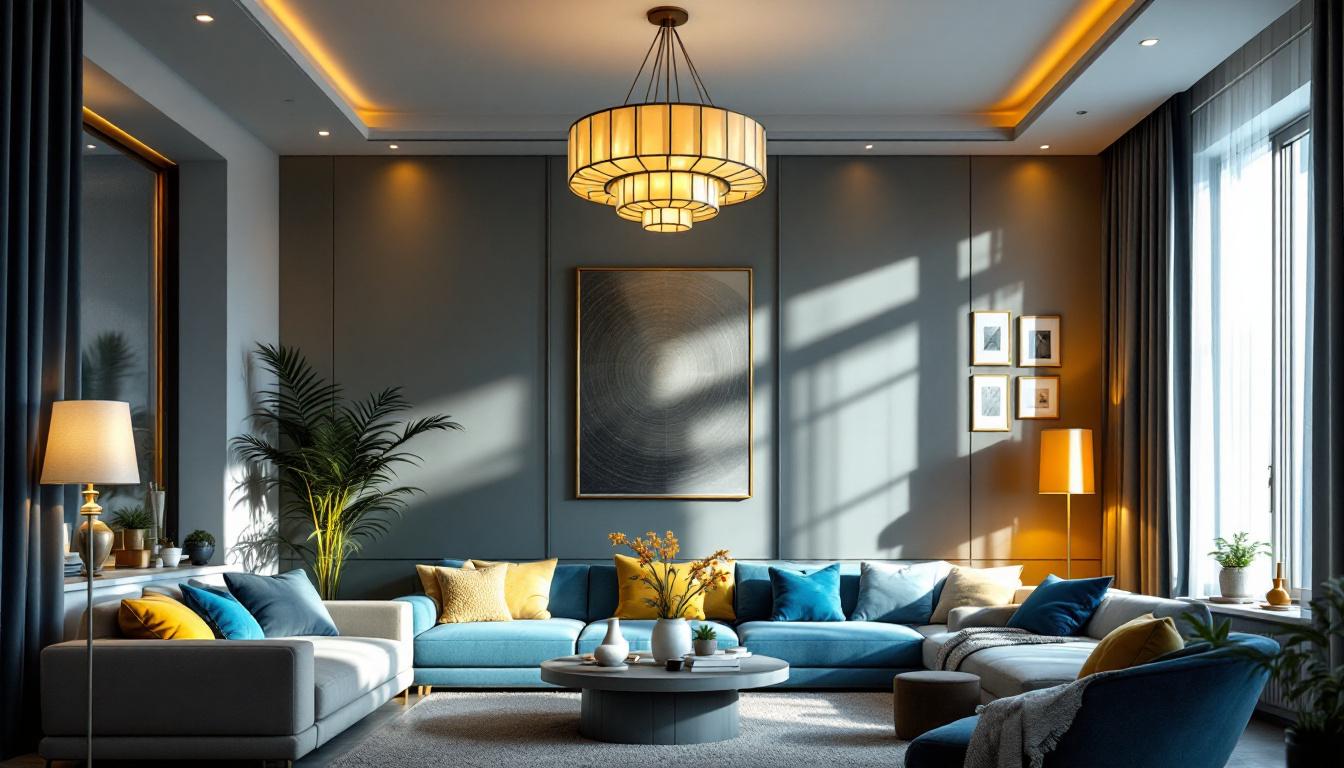
When advising clients, consider the room’s size, ceiling height, and natural light availability. A large living room with high ceilings can accommodate a bold, statement chandelier or a multi-light fixture. Smaller rooms benefit from flush or semi-flush mounts that provide ample light without overwhelming the space.
Understanding Lighting Types and Their Impact
Ceiling lamps come in various types: chandeliers, pendants, flush mounts, semi-flush mounts, and recessed lighting. Each has a distinct effect on the room’s atmosphere and functionality.
Chandeliers and pendants often serve as focal points, contributing both light and style. They work well in rooms with higher ceilings and can be scaled to fit the room’s dimensions. Flush and semi-flush mounts are practical choices for rooms with lower ceilings or where a minimalist look is desired.
Recessed lighting, while not a lamp in the traditional sense, complements ceiling fixtures by providing even, unobtrusive illumination. Lighting contractors should recommend combining these options to achieve balanced, layered lighting.
Furthermore, the choice of bulb type can significantly influence the quality of light emitted. LED bulbs are becoming increasingly popular due to their energy efficiency and longevity, while incandescent bulbs offer a warm glow that many find inviting. Contractors should also consider dimmable options, allowing clients to adjust the brightness according to the time of day or the mood they wish to create. This flexibility can transform a living room from a bright, lively space for gatherings to a cozy nook for quiet evenings with a simple flick of a switch.
Additionally, the color temperature of the bulbs plays a crucial role in setting the atmosphere. Warmer tones (around 2700K) create an intimate and comfortable environment, ideal for relaxation, while cooler tones (above 4000K) can enhance focus and productivity, making them suitable for workspaces within the living room. By educating clients about these nuances, lighting contractors can help them make informed decisions that truly reflect their personal style and functional needs.
Technical Considerations for Installation
Installing a living room ceiling lamp requires precision and adherence to electrical codes. Lighting contractors must assess the existing wiring, ceiling structure, and fixture weight before proceeding.
Weight is a critical factor. Heavy chandeliers or large fixtures may require reinforced ceiling boxes or additional support. Overlooking this can lead to safety hazards and costly repairs. Always use UL-listed mounting brackets and verify that the fixture’s weight rating matches the ceiling box’s capacity.
Wiring should be inspected for compatibility with the new fixture’s voltage and wattage requirements. Modern LED lamps often operate on lower wattages but may need drivers or transformers. Contractors should also consider dimming capabilities, which are increasingly popular for living rooms to create mood lighting.
Ensuring Compliance and Safety
Compliance with local electrical codes is non-negotiable. Lighting contractors must ensure that all installations meet or exceed these standards. This includes proper grounding, secure connections, and the use of appropriate wire gauges.
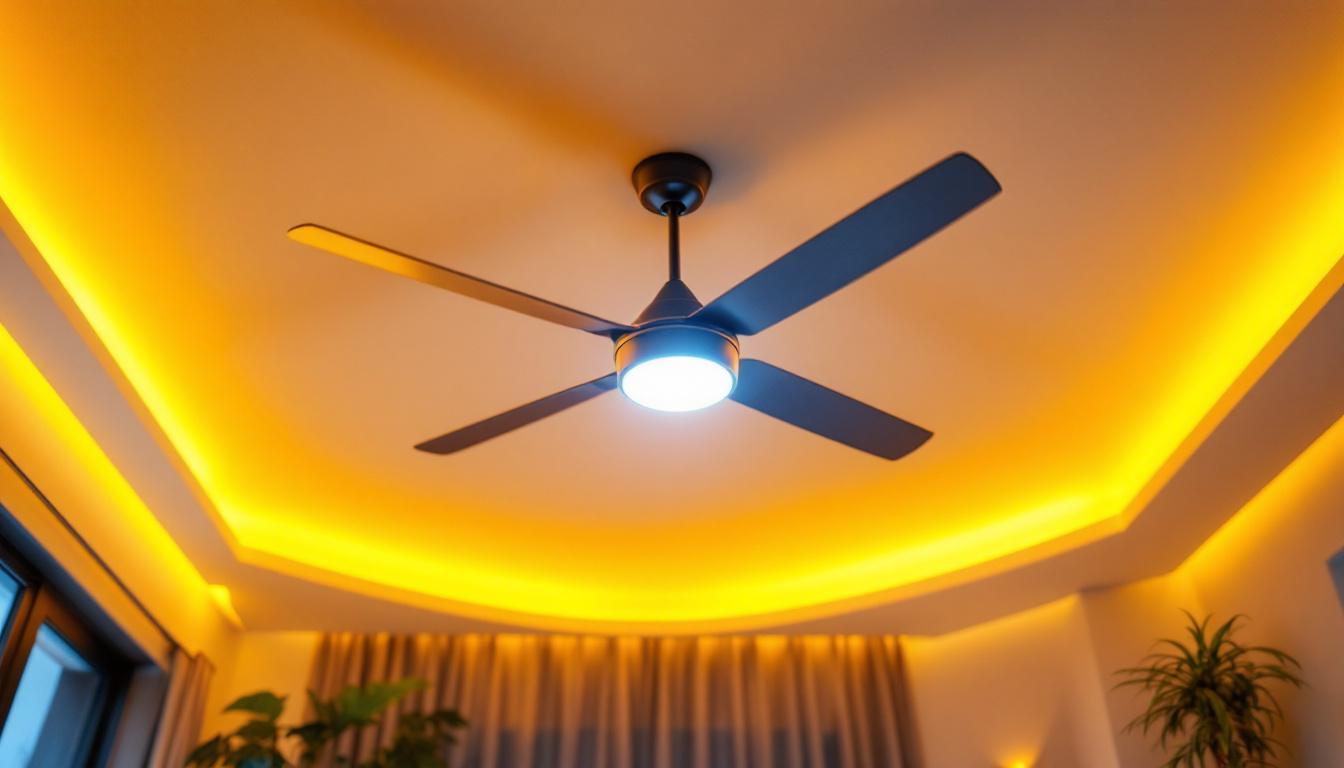
Safety also involves considering the lamp’s placement relative to ceiling fans, smoke detectors, and HVAC vents. Avoid installing fixtures too close to these elements to prevent interference or damage.
Another important aspect of installation is the choice of materials used in the fixture itself. Selecting fixtures made of non-combustible materials can significantly reduce fire risks, especially in homes with older wiring systems. Additionally, the use of energy-efficient bulbs not only lowers electricity bills but also minimizes heat output, further enhancing safety. It’s advisable to consult with manufacturers’ specifications to ensure that the chosen fixture is suitable for the intended environment, particularly in areas with high humidity or temperature fluctuations.
Finally, the aesthetic integration of the fixture with the overall room design should not be overlooked. The lamp should complement the decor while providing adequate illumination. Consideration of the lamp’s finish, style, and size in relation to furniture and wall colors can enhance the ambiance of the living room. Moreover, utilizing smart lighting technology can offer added convenience and customization, allowing homeowners to adjust brightness and color temperature to suit different activities or moods throughout the day.
Energy Efficiency and Modern Lighting Technologies
Energy efficiency is a top priority for many clients and a key selling point for contractors. LED technology has revolutionized living room lighting, offering bright, long-lasting illumination with minimal energy consumption. Unlike traditional incandescent bulbs, which waste a significant amount of energy as heat, LEDs convert a higher percentage of energy into visible light, making them a more sustainable choice for modern homes.
When selecting ceiling lamps, recommend fixtures designed for LED bulbs or integrated LED systems. These options reduce maintenance and energy costs over time. Additionally, LED lamps produce less heat, which contributes to a more comfortable living environment. This characteristic not only enhances comfort but also reduces the load on air conditioning systems, leading to further energy savings during warmer months. Furthermore, the longevity of LED bulbs—often lasting up to 25,000 hours—means fewer replacements and less waste, aligning with eco-friendly practices.
Smart lighting is another trend gaining traction. Ceiling lamps compatible with smart home systems allow users to adjust brightness, color temperature, and even color remotely. This flexibility enhances user experience and adds value to the installation. With the integration of voice-controlled assistants and mobile apps, homeowners can create customized lighting scenes that fit their daily routines, whether it’s bright lighting for a lively gathering or soft, dimmed lights for a movie night. The ability to schedule lighting changes also contributes to energy savings by ensuring lights are only on when needed.
Balancing Light Quality and Efficiency
While energy savings are important, light quality should never be compromised. Look for lamps with high Color Rendering Index (CRI) ratings to ensure colors appear natural and vibrant. This is especially important in living rooms where people gather and interact. A high CRI rating not only enhances the aesthetic appeal of the space but also helps in tasks such as reading or crafting, where accurate color perception is crucial.
Color temperature also influences mood. Warmer tones (2700K-3000K) create a cozy atmosphere, while cooler tones (3500K-4000K) provide a more energetic feel. Lighting contractors should guide clients in choosing the right balance based on their preferences and room function. For instance, a family room may benefit from warmer lighting to foster relaxation, while a home office might require cooler tones to promote focus and productivity. Additionally, incorporating dimmable options can provide further customization, allowing users to adjust the ambiance according to the time of day or activity, thus enhancing the overall functionality of the space.
Design Trends and Client Preferences
Staying current with design trends helps lighting contractors offer relevant recommendations. Minimalist fixtures with clean lines and matte finishes are popular among clients seeking a modern aesthetic. Conversely, vintage-inspired lamps with brass or bronze accents appeal to those favoring classic or eclectic styles.
Customizable fixtures that allow clients to change shades or adjust fixture height are increasingly in demand. These options provide versatility and help future-proof the living room’s lighting.
Contractors should also be prepared to discuss the integration of ceiling lamps with other lighting elements like wall sconces, floor lamps, and table lamps to create a cohesive look.
Addressing Client Concerns and Expectations
Clients often worry about glare, fixture maintenance, and installation disruptions. Lighting contractors can alleviate these concerns by selecting lamps with diffusers or frosted glass to soften light and reduce glare.
Maintenance-friendly designs that allow easy bulb replacement and cleaning are a plus. Communicating the installation process clearly, including timelines and any necessary preparations, builds trust and ensures a smooth project.
Common Challenges and How to Overcome Them
Lighting contractors frequently encounter challenges such as uneven lighting, fixture compatibility issues, and unexpected wiring problems. Anticipating these issues can save time and improve client satisfaction.
Uneven lighting can be addressed by combining ceiling lamps with accent and task lighting. Fixture compatibility problems often arise when clients bring their own lamps that don’t fit existing wiring or ceiling boxes. Educate clients early about these limitations and offer suitable alternatives.
For older homes, wiring may be outdated or insufficient for modern fixtures. Conduct thorough inspections and recommend upgrades if necessary to ensure safety and performance.
Tips for Efficient Project Management
Effective communication with clients and other contractors is key. Provide detailed quotes that include fixture specifications, installation steps, and timelines. Keeping clients informed about progress and any unexpected issues helps manage expectations.
Documenting installations with photos and notes can be valuable for future maintenance or troubleshooting. It also demonstrates professionalism and attention to detail.
Conclusion: Elevating Living Room Lighting with Expertise
Living room ceiling lamps are more than just sources of light; they shape the ambiance, functionality, and style of a key living space. For lighting contractors, mastering the technical, aesthetic, and client-relations aspects of ceiling lamp installation is essential.
By combining knowledge of lighting types, technical requirements, energy efficiency, and design trends, contractors can deliver solutions that satisfy clients and stand the test of time. The ultimate goal is to create living rooms that are inviting, well-lit, and tailored to the unique needs of each household.
Illuminate Your Projects with LumenWholesale
Ready to elevate your lighting projects with the expertise and quality you deserve? Look no further than LumenWholesale for a vast selection of spec-grade lighting products at unbeatable wholesale prices. Say goodbye to inflated markups and hello to top-tier, reliable lighting that meets the highest industry standards. With free shipping on bulk orders, LumenWholesale is your go-to source for premium lighting solutions that blend quality, affordability, and convenience. Make your next living room lighting project shine with LumenWholesale – where exceptional value meets exceptional service.