Understanding Suspended Ceiling Tiles and Their Lighting Requirements
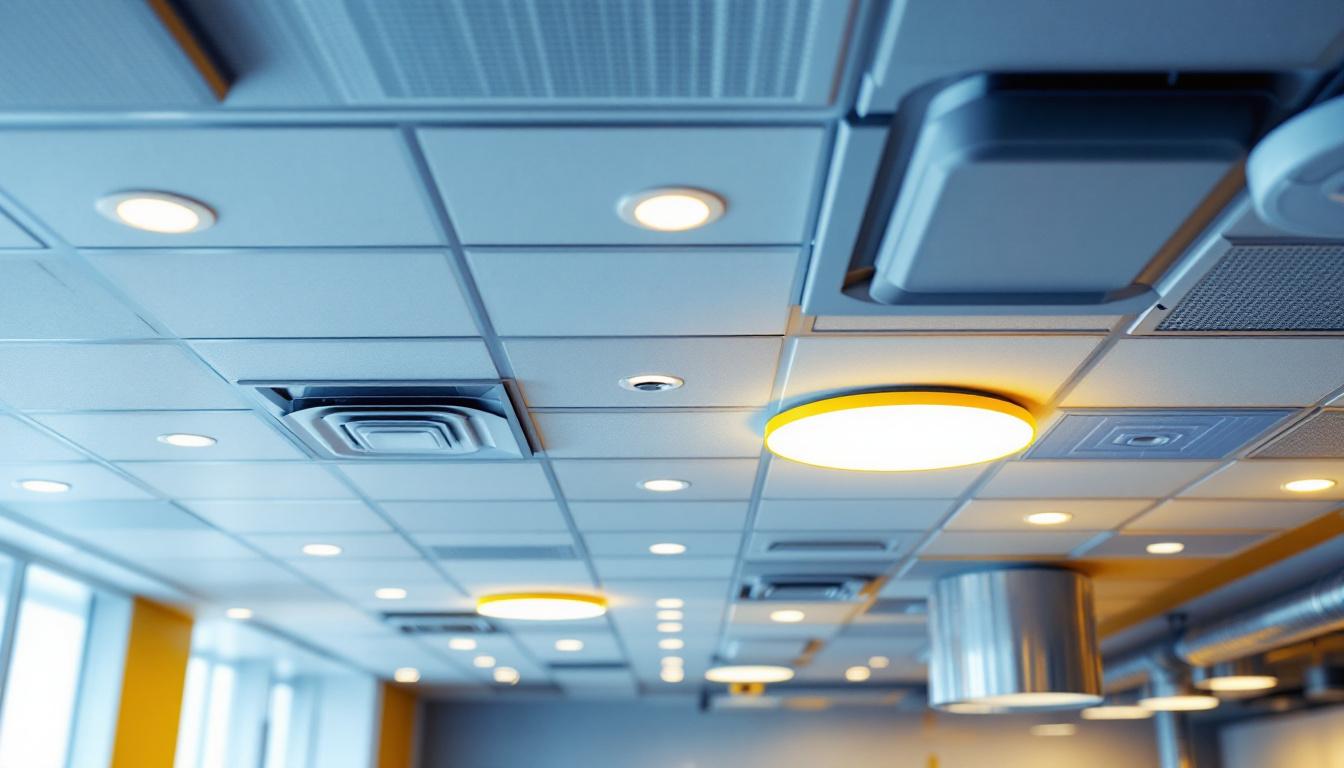
Suspended ceilings, also known as drop ceilings or false ceilings, are a popular architectural feature in commercial and institutional buildings. These ceilings consist of a metal grid suspended from the structural ceiling, with lightweight panels or tiles laid into the grid. This design allows for easy access to plumbing, electrical wiring, HVAC systems, and other infrastructure hidden above the ceiling plane. The versatility of suspended ceilings also provides opportunities for creative design elements, enabling architects and designers to incorporate various textures, colors, and patterns that can enhance the overall aesthetic appeal of a space.
For lighting contractors, understanding the unique characteristics of suspended ceilings is crucial when selecting and installing lighting fixtures. The ceiling tiles themselves typically measure 2×2 or 2×4 feet, and the grid system limits the size and shape of fixtures that can be installed. Moreover, the tiles are usually made from materials such as mineral fiber, fiberglass, or metal, which can affect light diffusion and fixture compatibility. It’s essential to consider how different materials can influence the acoustic properties of a room, as well as the overall lighting quality. For instance, tiles with higher sound absorption ratings can significantly improve the auditory experience in busy environments like offices or schools.
Lighting in suspended ceilings must balance functionality, aesthetics, and compliance with building codes and energy standards. The choice of lighting impacts not only the visual comfort and productivity of occupants but also energy consumption and maintenance costs. Therefore, contractors must be knowledgeable about the types of lighting suitable for suspended ceilings, installation techniques, and the latest innovations in lighting technology. LED fixtures have gained popularity due to their energy efficiency and longevity, making them an ideal choice for commercial spaces where lighting is used extensively. Additionally, the integration of smart lighting systems can provide enhanced control over illumination levels, allowing for tailored lighting solutions that adapt to various activities and occupancy patterns throughout the day.
Furthermore, the design of the lighting layout is critical in achieving an optimal balance of light distribution and minimizing shadows. Contractors often employ techniques such as layering light sources, using ambient, task, and accent lighting to create a well-rounded illumination scheme. This approach not only improves the functionality of the space but also contributes to the overall ambiance, making it more inviting and conducive to productivity. Moreover, with the growing emphasis on sustainability, many contractors are now exploring options for integrating daylighting strategies, such as skylights or light tubes, which can complement the artificial lighting and reduce reliance on electric lighting during daylight hours.
Types of Lighting Fixtures Compatible with Suspended Ceiling Tiles
Recessed Troffers
Recessed troffers are among the most common lighting fixtures used in suspended ceilings. Designed to fit directly into the grid system, troffers typically come in 2×2 or 2×4-foot sizes, matching the dimensions of ceiling tiles. These fixtures provide uniform, glare-free illumination, making them ideal for office spaces, classrooms, and retail environments.
Modern troffers often utilize LED technology, offering significant energy savings and longer lifespans compared to traditional fluorescent lamps. LED troffers also provide better color rendering and dimming capabilities, which can enhance occupant comfort and allow for dynamic lighting controls.
Surface-Mounted and Pendant Fixtures
In some cases, surface-mounted or pendant fixtures are preferred, especially when the ceiling height or layout does not permit recessed installation. Surface-mounted fixtures attach directly to the ceiling grid or the structural ceiling above, while pendant lights hang down from the ceiling, offering design flexibility and accent lighting options.
These fixtures can complement suspended ceilings by adding architectural interest or focusing light on specific areas. However, contractors must ensure that the weight and mounting method are compatible with the suspended ceiling system to avoid damage or safety hazards.
Troffer Retrofit Kits
For upgrading existing fluorescent troffers without full fixture replacement, retrofit kits provide a cost-effective solution. These kits typically include LED panels or lamps designed to fit into existing troffer housings, reducing installation time and waste.
Retrofit kits are especially popular in large-scale commercial renovations where minimizing disruption is a priority. Lighting contractors should verify compatibility with the existing electrical infrastructure and ensure that retrofit components meet relevant safety and performance standards.
Key Considerations for Lighting Installation in Suspended Ceilings
Weight and Support Limitations
Suspended ceiling grids are engineered to support ceiling tiles and lightweight fixtures. When installing lighting, contractors must consider the fixture’s weight and ensure that the grid can safely bear the load. Overloading the grid can lead to sagging, tile displacement, or even collapse, posing serious safety risks.
In cases where heavier fixtures are required, additional support measures such as independent mounting brackets or reinforcement of the ceiling grid may be necessary. Consulting manufacturer guidelines and structural engineers is advisable to guarantee safe installation.
Thermal Management and Heat Dissipation
Lighting fixtures generate heat during operation, which can affect both fixture longevity and ceiling tile integrity. Suspended ceiling tiles are often made from materials sensitive to heat, such as mineral fiber, which can discolor or warp if exposed to excessive temperatures.
LED fixtures generally produce less heat than traditional fluorescent or incandescent lamps, but proper thermal management remains important. Contractors should select fixtures with adequate heat sinks and ensure sufficient air circulation above the ceiling to prevent heat buildup.
Electrical and Code Compliance
Electrical wiring and fixture installation must comply with local building codes, the National Electrical Code (NEC), and other relevant standards. This includes proper grounding, circuit protection, and adherence to fire safety regulations.
Additionally, lighting contractors should be aware of energy codes such as ASHRAE 90.1 or the International Energy Conservation Code (IECC), which may mandate specific lighting power densities, controls, or efficiency levels for commercial buildings. Compliance ensures legal operation and can qualify projects for energy incentives or certifications.
Optimizing Lighting Performance and Energy Efficiency
Utilizing LED Technology
LED lighting has revolutionized the market for suspended ceiling applications. LEDs offer superior energy efficiency, longer service life, and enhanced lighting quality compared to traditional fluorescent or incandescent options. For lighting contractors, specifying LED fixtures can reduce maintenance frequency and operational costs for building owners.
Moreover, LEDs provide instant-on capabilities and excellent dimming performance, enabling integration with advanced lighting control systems. This flexibility supports energy-saving strategies such as occupancy sensing, daylight harvesting, and scheduled dimming.
Lighting Controls and Smart Integration
Incorporating lighting controls is essential for maximizing energy savings and occupant comfort. Controls can range from simple manual dimmers to sophisticated networked systems that adjust lighting based on occupancy, ambient light levels, or time of day.
For suspended ceilings, wireless or low-voltage controls are often preferred to minimize disruption during installation. Lighting contractors should stay informed about emerging smart lighting technologies and ensure compatibility between fixtures and control systems.
Light Distribution and Glare Reduction
Proper light distribution is vital to avoid glare and shadows that can cause visual discomfort or reduce productivity. Fixtures designed for suspended ceilings often feature diffusers or lensed optics that soften and evenly distribute light.
Contractors should consider the space’s function when selecting fixtures—task-intensive environments like offices require uniform, glare-free lighting, while retail or hospitality spaces may benefit from accent lighting or varied color temperatures to enhance ambiance.
Maintenance and Accessibility Considerations
Ease of Fixture Replacement
One of the advantages of suspended ceilings is the relative ease of accessing lighting fixtures for maintenance or replacement. Fixtures installed within the grid can often be removed by lifting ceiling tiles, simplifying repairs and reducing downtime.
Lighting contractors should design installations with maintenance in mind, selecting fixtures that are easy to access and service. This approach minimizes labor costs and prolongs the functional lifespan of the lighting system.
Cleaning and Tile Integrity
Suspended ceiling tiles can accumulate dust and dirt, which may affect light diffusion and indoor air quality. Some lighting fixtures incorporate sealed designs to prevent dust ingress, which also helps maintain fixture performance.
Contractors should advise building owners on appropriate cleaning schedules and methods for both tiles and lighting fixtures to preserve appearance and functionality over time.
Trends and Innovations in Suspended Ceiling Lighting
Human-Centric Lighting
Human-centric lighting (HCL) is gaining traction as a design approach that aligns artificial lighting with natural circadian rhythms. By adjusting color temperature and intensity throughout the day, HCL can improve occupant well-being, alertness, and productivity.
In suspended ceiling applications, tunable white LED fixtures enable dynamic lighting scenarios that support HCL principles. Lighting contractors should familiarize themselves with these technologies to meet evolving client demands.
Integrated Sensor Technologies
Advances in sensor technology have enabled lighting fixtures to incorporate occupancy, daylight, and even air quality sensors directly within the fixture housing. This integration simplifies installation and enhances the responsiveness of lighting systems.
For suspended ceilings, sensor-integrated fixtures reduce the need for additional wiring and separate devices, streamlining project timelines and reducing costs.
Sustainable and Recyclable Materials
Environmental considerations are increasingly influencing lighting product design. Manufacturers are developing fixtures using recyclable materials and minimizing hazardous substances to support green building certifications such as LEED or WELL.
Lighting contractors can play a pivotal role by specifying sustainable products that align with client sustainability goals and regulatory requirements.
Conclusion: Essential Takeaways for Lighting Contractors
Lighting contractors working with suspended ceiling tiles must navigate a complex set of factors to deliver optimal lighting solutions. Understanding the physical constraints of suspended ceilings, selecting compatible and efficient fixtures, and ensuring compliance with safety and energy codes are fundamental.
Embracing LED technology, advanced controls, and emerging trends like human-centric lighting can differentiate contractors in a competitive market. Additionally, prioritizing maintenance accessibility and sustainable practices enhances long-term client satisfaction and operational performance.
By integrating these essential facts into project planning and execution, lighting contractors can provide high-quality, reliable, and energy-efficient lighting systems that meet the diverse needs of modern commercial spaces.
Illuminate Your Projects with LumenWholesale
Ready to elevate your lighting projects with the highest quality fixtures at the best value? Look no further than LumenWholesale. Our spec-grade lighting products are designed to meet the demanding needs of modern commercial spaces, ensuring you deliver energy-efficient and innovative lighting solutions. With unbeatable wholesale prices and free shipping on bulk orders, LumenWholesale is your go-to source for lighting that combines quality, affordability, and convenience. Don’t let middleman markups dim your project’s potential. Discover wholesale lighting at the best value today and brighten your clients’ spaces with confidence.