Understanding the Importance of Staircase Lighting
Staircases are often overlooked when it comes to lighting design, yet they play a crucial role in the overall safety and aesthetics of a space. Proper lighting not only enhances visibility but also contributes to the ambiance of a home or commercial property. A well-lit staircase can make a significant difference in how a space is perceived, ensuring that it feels welcoming and secure.
Inadequate lighting can lead to accidents and falls, particularly in high-traffic areas. Therefore, understanding the importance of staircase lighting is essential for any lighting contractor looking to elevate their design projects. This article will explore various lighting options, design principles, and techniques that can transform staircases into safer and more visually appealing spaces.
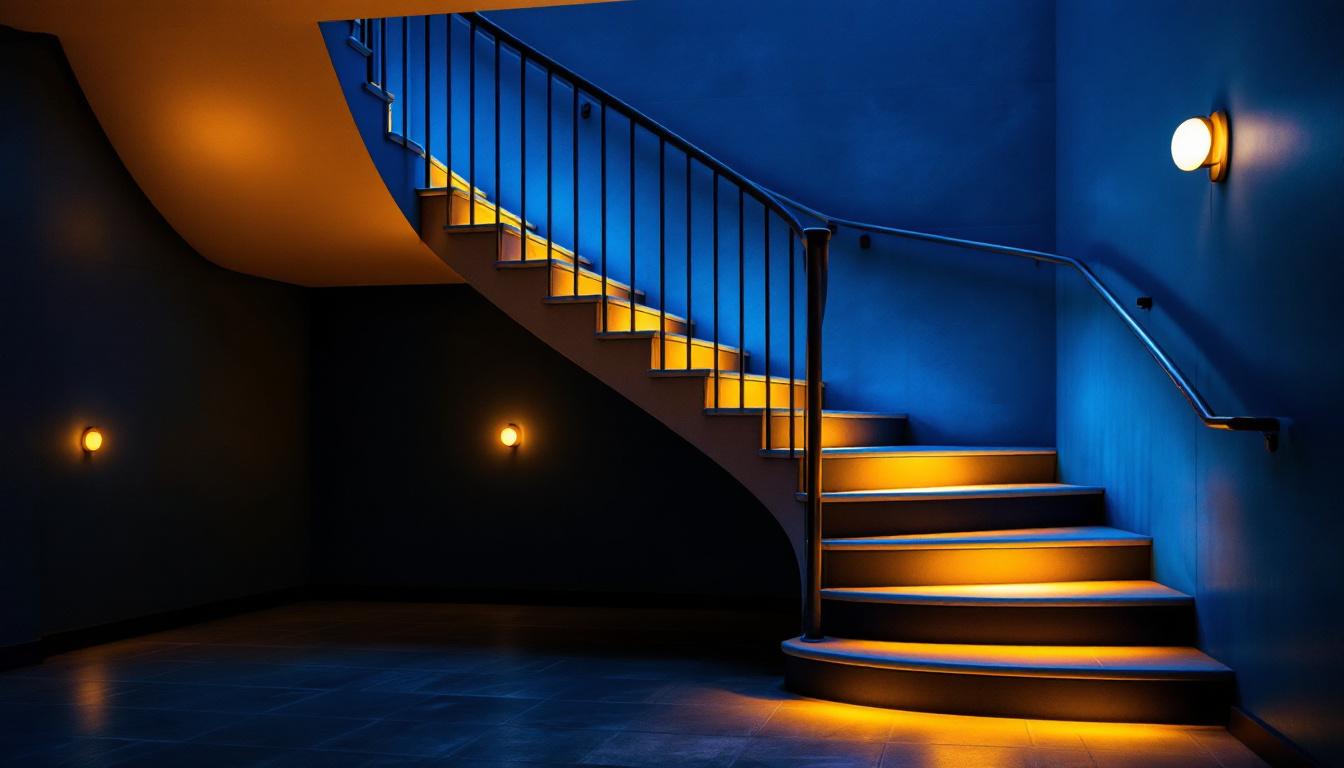
One effective approach to staircase lighting is the use of LED strip lights, which can be installed along the edges of steps or within the handrails. This not only provides a soft glow that illuminates each step but also adds a modern touch to the overall design. Additionally, motion sensor lights can be incorporated to automatically illuminate the staircase when someone approaches, offering both convenience and energy efficiency. These innovative solutions cater to both aesthetic and functional needs, ensuring that staircases are not just pathways but integral parts of the home’s design.
Moreover, the choice of color temperature in staircase lighting can significantly affect the mood of the space. Warmer tones can create a cozy and inviting atmosphere, while cooler tones may lend a more contemporary and sleek feel. It’s also worth considering the placement of lighting fixtures; wall sconces can add character and depth, while recessed lighting can provide a clean and unobtrusive look. By carefully selecting the right lighting elements, designers can enhance the visual appeal of staircases while ensuring they remain safe and accessible for everyone.
Types of Lighting for Staircases
Ambient Lighting
Ambient lighting serves as the foundation for any lighting design, providing general illumination throughout a space. For staircases, ambient lighting can be achieved through ceiling-mounted fixtures, wall sconces, or even natural light sources. The goal is to create a soft, even glow that illuminates the entire staircase without causing harsh shadows.
When selecting ambient lighting fixtures, consider the height and width of the staircase. Fixtures should be installed at a height that allows for adequate coverage while maintaining a comfortable atmosphere. Additionally, dimmable options can provide flexibility, allowing users to adjust the brightness according to their needs.
Task Lighting
Task lighting focuses on specific areas where activities take place, such as reading, cooking, or in this case, navigating stairs. For staircases, task lighting can be particularly beneficial in highlighting steps and landings, ensuring that users can see where they are placing their feet. This can be achieved through strategically placed recessed lights or LED strips along the edge of each step.
Incorporating task lighting into a staircase design not only enhances safety but also adds a modern touch. Consider using motion sensors to activate lights as individuals approach the stairs, providing an added layer of convenience and safety.
Accent Lighting
Accent lighting is used to highlight architectural features, artwork, or decorative elements within a space. For staircases, this can include illuminating handrails, wall art, or unique architectural details. Accent lighting adds depth and character to the staircase, creating visual interest and enhancing the overall design.
When implementing accent lighting, it’s essential to consider the color temperature and brightness to ensure it complements the ambient and task lighting. Using adjustable fixtures can also allow for flexibility in directing light to specific features, creating a dynamic and engaging atmosphere.
Design Principles for Staircase Lighting
Layering Light
One of the fundamental principles of effective lighting design is layering. By combining ambient, task, and accent lighting, contractors can create a well-balanced and visually appealing environment. Layering light not only enhances functionality but also adds depth and dimension to the staircase.
When designing a layered lighting scheme, it’s crucial to consider the interplay between different light sources. For instance, ambient lighting can provide a base layer, while task lighting focuses on specific areas, and accent lighting highlights unique features. This approach ensures that the staircase is both safe and inviting.
Choosing the Right Fixtures
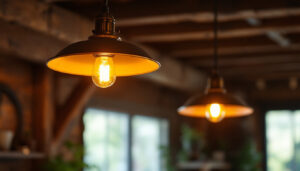
The choice of fixtures can significantly impact the overall aesthetic of a staircase. From sleek modern designs to more traditional options, the right fixtures should complement the existing décor while providing adequate illumination. Consider the scale of the staircase when selecting fixtures; oversized fixtures may overwhelm a small staircase, while tiny fixtures may get lost in a grand entryway.
In addition to aesthetics, energy efficiency is an important consideration. LED fixtures are a popular choice due to their longevity and low energy consumption. Many modern LED options also come in various color temperatures, allowing for customization to match the desired ambiance.
Color Temperature and Brightness
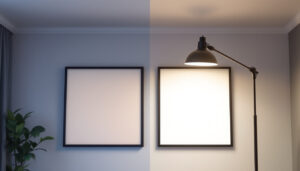
Color temperature plays a vital role in setting the mood of a space. Warmer color temperatures (around 2700K to 3000K) tend to create a cozy and inviting atmosphere, while cooler temperatures (above 4000K) can feel more clinical and bright. For staircases, a warm color temperature is often preferred, as it enhances the welcoming feel of the space.
Brightness is another critical factor to consider. The goal is to achieve enough illumination to ensure safety without creating glare or harsh shadows. Utilizing dimmable fixtures can provide flexibility, allowing users to adjust the brightness based on the time of day or specific needs.
Innovative Lighting Solutions for Staircases
Smart Lighting Technology
As technology continues to evolve, smart lighting solutions are becoming increasingly popular in residential and commercial spaces. Smart lighting allows for remote control, automation, and customization, offering a level of convenience that traditional lighting cannot match.
For staircases, smart lighting can be programmed to turn on automatically when someone approaches or can be controlled via a smartphone app. This not only enhances safety but also adds a modern touch to the design. Additionally, smart lighting can be integrated with home automation systems, allowing for seamless control of the entire lighting scheme.
LED Strip Lights
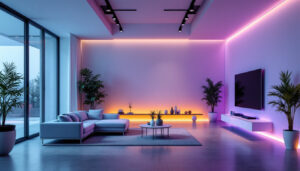
LED strip lights are a versatile and innovative solution for staircase lighting. These flexible strips can be installed along the edges of steps, under handrails, or even within architectural recesses to create a stunning visual effect. They provide a continuous line of light that enhances visibility and adds a contemporary flair to the staircase.
Moreover, LED strip lights come in various colors and can be dimmed or programmed to change colors, allowing for creative expression and customization. This adaptability makes them an excellent choice for both residential and commercial applications.
Integrated Lighting Solutions
Integrated lighting solutions involve embedding light fixtures directly into the architecture of the staircase. This could include recessed lighting within the steps, illuminated handrails, or even backlit panels. Such designs create a seamless look, where the lighting becomes an integral part of the staircase rather than an afterthought.
Integrated lighting not only enhances safety but also elevates the overall design of the staircase. It allows for a clean and uncluttered appearance, making it ideal for modern and minimalist spaces.
Safety Considerations in Staircase Lighting
Illumination Levels
Ensuring adequate illumination levels is paramount in staircase lighting design. The Illuminating Engineering Society (IES) recommends specific illumination levels for various applications, including staircases. A well-lit staircase should have a minimum of 100 lux (approximately 10 foot-candles) at the tread surface to ensure safety.
Contractors should conduct thorough assessments of the staircase layout, considering factors such as the height, width, and surrounding environment. This will help determine the appropriate number and placement of fixtures to achieve the desired illumination levels.
Minimizing Glare
Glare can be a significant issue in staircase lighting, particularly when fixtures are positioned too low or directed improperly. Glare not only detracts from the aesthetic appeal but can also create safety hazards by obscuring visibility. To minimize glare, consider using diffused fixtures or installing lights at angles that direct light away from the line of sight.
Additionally, using lower wattage bulbs or fixtures with built-in glare control features can help reduce the impact of glare while still providing adequate illumination. This attention to detail ensures that the staircase remains both functional and visually pleasing.
Emergency Lighting Solutions
In commercial settings, emergency lighting is a critical component of staircase design. It ensures that occupants can safely navigate the stairs in the event of a power outage or emergency situation. Emergency lighting should be strategically placed to illuminate the entire staircase and should be tested regularly to ensure functionality.
Options for emergency lighting include battery-backed fixtures that automatically activate during power failures or photoluminescent strips that glow in the dark. Incorporating these solutions into the staircase design not only enhances safety but also complies with building codes and regulations.
Conclusion: Elevating Staircase Design with Thoughtful Lighting
In conclusion, the importance of effective lighting design for staircases cannot be overstated. By understanding the various types of lighting, design principles, and innovative solutions available, lighting contractors can create safe, functional, and visually appealing staircase designs. The right lighting not only enhances safety but also elevates the overall aesthetic of a space, making it more inviting and enjoyable.
As trends in lighting design continue to evolve, staying informed about new technologies and techniques is essential. By embracing creativity and innovation, contractors can transform ordinary staircases into extraordinary features that leave a lasting impression. Whether it’s through ambient, task, or accent lighting, the possibilities are endless, and the results can be truly remarkable.
Illuminate Your Projects with LumenWholesale
Ready to take your staircase lighting designs to the next level? At LumenWholesale, we offer an exceptional range of high-quality, specification-grade lighting products that will bring your vision to life. With our competitive wholesale pricing and commitment to cutting out unnecessary markups, you can access the best value in lighting without sacrificing quality or variety. Plus, with the convenience of free shipping on bulk orders, your next project is just a click away. Elevate your lighting designs and delight your clients by choosing Wholesale Lighting at the Best Value with LumenWholesale.