Understanding Lumens: The Core of Effective Lighting
When selecting lighting fixtures, lumens are the single most important metric to consider. Unlike watts, which measure energy consumption, lumens quantify the actual amount of visible light emitted by a bulb or fixture. This distinction is crucial for lighting contractors who must deliver both efficiency and adequate illumination to clients.
For example, a 60-watt incandescent bulb produces roughly 800 lumens, while an LED bulb delivering the same 800 lumens might consume only 10 watts. This means that relying on wattage alone can lead to under- or over-lighting a space, wasting energy or leaving areas dim.
Understanding lumens allows contractors to specify lighting that meets the client’s needs precisely—whether it’s bright task lighting in a commercial kitchen or soft ambient lighting in a residential living room.
Why Lumens Matter More Than Watts
Many clients still ask for “60-watt bulbs” without realizing that wattage no longer correlates directly to brightness. Lighting technology has evolved, and lumens provide a standardized way to compare light output across different bulb types—LED, CFL, halogen, or incandescent.
Contractors who educate clients about lumens can avoid confusion and ensure satisfaction. For instance, specifying a 1600-lumen LED bulb instead of a vague “100-watt equivalent” can prevent misunderstandings about expected brightness.
Furthermore, understanding the concept of lumens extends beyond mere brightness; it also plays a significant role in creating the desired atmosphere within a space. For instance, in a restaurant setting, a warm, inviting glow can enhance the dining experience, while a bright, clinical light may be more appropriate for a medical office. By selecting fixtures based on lumens, contractors can tailor the lighting to evoke specific emotions or reactions, ensuring that each space serves its intended purpose effectively.
Additionally, the placement of light fixtures and the type of lamps used can further influence the perceived brightness of a room. A well-lit room may require fewer lumens if the light is strategically placed to reflect off walls or ceilings, creating a more diffused and pleasant illumination. This nuanced understanding of how lumens interact with the environment allows contractors to design lighting schemes that not only meet technical specifications but also enhance the overall aesthetic and functionality of the space.
Common Pitfalls When Using Lumens Charts
While lumens charts are invaluable, they can also be a source of errors if not interpreted carefully. Here are some common pitfalls lighting contractors should watch for.
Ignoring the Room’s Purpose and Layout
One of the biggest mistakes is selecting lumens based solely on chart recommendations without considering the room’s function or dimensions. A lumens chart might suggest 2,000 lumens for a bedroom, but a contractor must factor in ceiling height, wall color, furniture placement, and natural light availability.
For example, a workspace like an office or workshop requires more focused, brighter lighting than a dining room or lounge. Simply matching lumens from a chart won’t guarantee the right ambiance or functionality. Additionally, the layout of the room plays a critical role; an open-concept space may need more lumens to ensure even distribution of light across different areas, while a smaller, enclosed room may require less. Understanding how these factors interact can lead to a more effective lighting design that enhances both aesthetics and usability.
Overlooking Fixture Efficiency and Light Distribution
Not all lumens produced by a bulb reach the intended area. Fixtures with shades, diffusers, or directional designs affect how light spreads. A bulb rated at 1,200 lumens inside a heavily frosted fixture might deliver only a fraction of that light to the task area.
Contractors need to consider fixture efficiency and beam angle. A narrow beam angle concentrates light, increasing perceived brightness in a small area, while a wide beam angle disperses light over a larger space but with less intensity. Moreover, the height at which fixtures are installed can dramatically alter the effectiveness of the lighting. For example, recessed lighting installed too high may wash out the room, while fixtures placed at the right height can create a warm, inviting glow that enhances the room’s features.
Neglecting Color Temperature and CRI
Lumens measure brightness but say nothing about light quality. Color temperature (measured in Kelvins) and Color Rendering Index (CRI) influence how colors appear under the light and how comfortable the environment feels.
For instance, a 3,000K light produces warm, yellowish light ideal for cozy settings, while 5,000K mimics daylight and suits task-oriented spaces. A high CRI (above 80) ensures colors look natural, which is critical in retail or design environments. Furthermore, the psychological effects of color temperature should not be underestimated; warmer lights can create a sense of relaxation, making them suitable for bedrooms and living areas, while cooler lights can enhance alertness and productivity, making them ideal for offices or study areas. By carefully selecting both color temperature and CRI, contractors can create spaces that not only look good but also feel right for their intended use.
Using Lumens Charts Effectively: A Step-by-Step Approach
To avoid pitfalls and maximize the value of lumens charts, lighting contractors can follow a structured approach.
Step 1: Assess the Space Thoroughly
Start by measuring the room’s dimensions-length, width, and ceiling height. Note the wall colors, window placements, and existing light sources. Determine the room’s primary function and any special lighting needs, such as accent lighting or dimming capabilities.
Gathering this information upfront prevents costly mistakes and ensures the lighting design aligns with client expectations. Additionally, consider how the natural light changes throughout the day; this can significantly influence the effectiveness of your artificial lighting. For instance, a room that receives ample sunlight in the morning may require less artificial illumination during those hours, while evening use might necessitate a brighter setup. Understanding these dynamics can lead to a more nuanced lighting plan that caters to the specific needs of the space and its occupants.
Step 2: Consult Reliable Lumens Charts
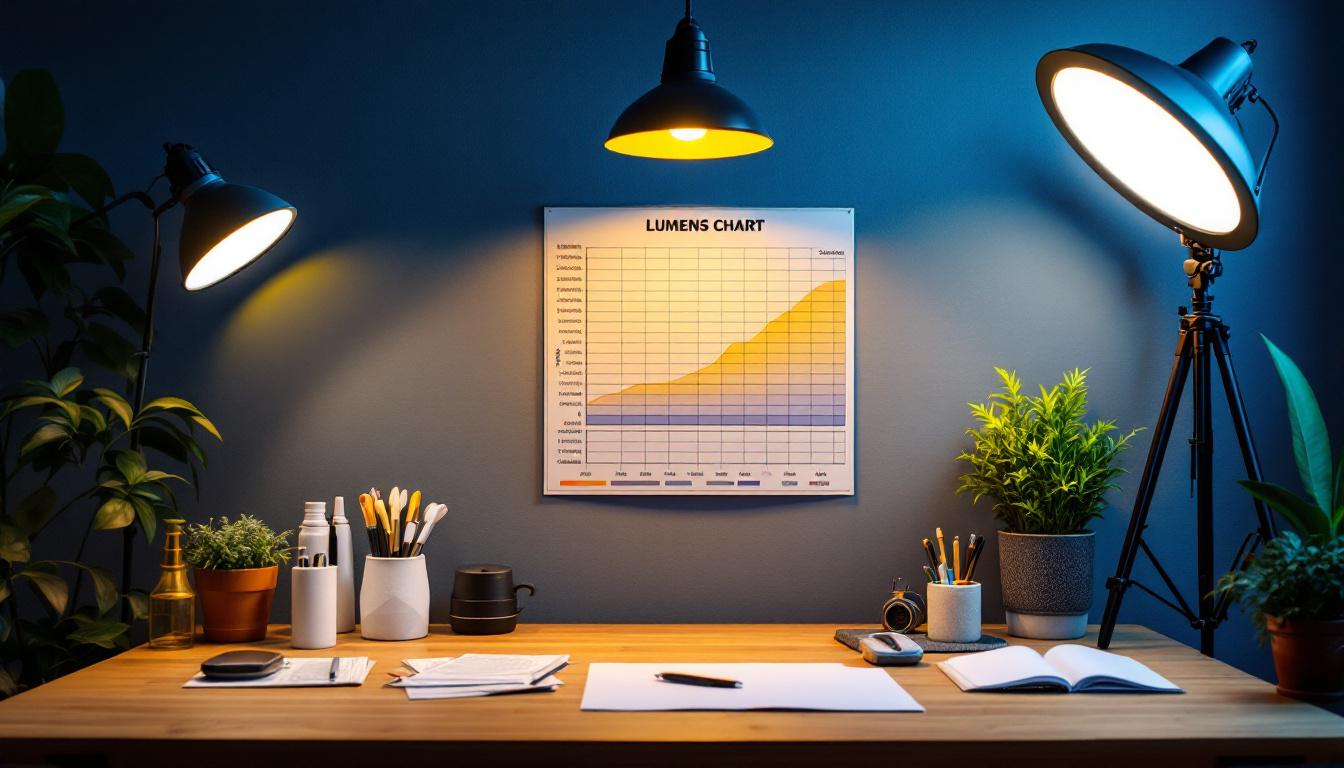
Use lumens charts from reputable sources, such as the Illuminating Engineering Society (IES) or manufacturers’ technical data. These charts typically recommend lumens per square foot (foot-candles) for different room types and tasks.
For example, general living areas might require 10-20 lumens per square foot, while kitchens or offices may need 50 or more. Multiply the room’s square footage by the recommended lumens per square foot to calculate total lumens needed. It’s also beneficial to familiarize yourself with the concept of “luminous efficacy,” which refers to how effectively a light source converts electrical energy into visible light. This understanding can help you select bulbs that not only meet lumen requirements but also offer energy efficiency, reducing operational costs over time.
Step 3: Choose Appropriate Fixtures and Bulbs
Match the total lumens required with fixtures and bulbs that deliver the desired output efficiently. Consider LED options for energy savings and longevity. Factor in fixture types-recessed, pendant, track-and their impact on light distribution.
Don’t forget to check the beam angle and fixture efficiency to ensure the light reaches the intended areas effectively. Moreover, pay attention to the color temperature of the bulbs, as it can dramatically affect the ambiance of the space. Warmer tones (around 2700K) create a cozy atmosphere, ideal for living rooms and bedrooms, while cooler tones (5000K and above) can enhance focus and alertness, making them suitable for workspaces. Balancing these elements will help create a harmonious lighting environment that complements the room’s function and aesthetic.
Step 4: Account for Dimming and Controls
If the design includes dimming or smart controls, select compatible bulbs and fixtures. Dimming affects perceived brightness and energy use, so plan for a range of lumens that can accommodate different lighting levels.
Smart controls also enable scene setting, which may require layering different types of lighting-ambient, task, and accent-with varying lumen outputs. Additionally, consider integrating sensors that adjust lighting based on occupancy or natural light levels. This not only enhances convenience but also promotes energy efficiency, as lights can automatically dim or turn off when a room is unoccupied or when sufficient daylight is available. By embracing these advanced technologies, you can create a more responsive and adaptable lighting system that meets the evolving needs of the space and its users.
Practical Examples: Applying Lumens Charts in Real Projects
Examining real-world scenarios illustrates how lumens charts guide effective lighting design.
Residential Living Room
A 200-square-foot living room with medium-toned walls and moderate natural light might require around 20 lumens per square foot for comfortable ambient lighting. That totals approximately 4,000 lumens.
Using a combination of ceiling fixtures and table lamps, a contractor could specify two 1,500-lumen LED ceiling fixtures plus two 500-lumen table lamps. This layered approach allows flexibility and avoids harsh, uniform lighting.
Commercial Office Space
An open-plan office of 1,000 square feet needs bright, uniform lighting for productivity. Recommended levels might be 50 lumens per square foot, totaling 50,000 lumens.
Contractors can specify multiple LED panel fixtures with 4,000 lumens each, spaced evenly to minimize shadows and glare. Incorporating task lighting at workstations adds focused illumination without increasing overall lumens excessively.
Retail Store Lighting
Retail environments require high CRI lighting to accurately showcase merchandise. A 500-square-foot store might need 70 lumens per square foot, or 35,000 lumens total.
Using adjustable track lighting with bulbs rated at 2,000 lumens and a CRI above 90 allows contractors to highlight products effectively while maintaining bright, inviting general lighting.
Advanced Considerations for Lighting Contractors
Beyond basic lumen calculations, contractors should consider emerging trends and technologies that impact lighting design and client satisfaction.
Integrating Daylight Harvesting
Daylight harvesting systems adjust artificial lighting based on available natural light, reducing energy consumption. Contractors must understand how lumens requirements change throughout the day and specify sensors and controls accordingly.
This approach not only saves energy but enhances occupant comfort by maintaining consistent illumination levels.
Addressing Glare and Light Pollution
High lumen outputs can cause glare if not properly managed. Contractors should select fixtures with appropriate shielding and beam angles to minimize discomfort, especially in workspaces and outdoor lighting.
Additionally, controlling light spill and upward light helps reduce light pollution, an increasingly important consideration for sustainable design.
Planning for Maintenance and Longevity
Specifying bulbs with long lifespans and easy replacement options reduces maintenance costs and downtime. LEDs typically offer 25,000 to 50,000 hours of use, far surpassing traditional bulbs.
Contractors should also educate clients on the benefits of investing in quality fixtures and bulbs upfront to avoid frequent replacements and inconsistent lighting quality.
Conclusion: Mastering Lumens for Superior Lighting Outcomes
For lighting contractors, mastering the use of lumens charts is essential to delivering lighting solutions that are both efficient and fit-for-purpose. Avoiding common pitfalls-such as ignoring room context, fixture efficiency, and light quality-ensures that the specified lighting meets or exceeds client expectations.
By combining precise lumen calculations with thoughtful fixture selection and advanced controls, contractors can create lighting designs that enhance spaces, improve energy efficiency, and elevate the overall user experience.
Get Your Premium Lighting Supplies at LumenWholesale
Ready to apply the insights from our Lighting Lumens Chart guide to your next project? At LumenWholesale, we provide lighting contractors with the high-quality, specification-grade lighting products you need, at prices that can’t be beaten. Our extensive selection not only meets but exceeds industry standards, ensuring your projects shine with reliable and high-performance lighting solutions. Plus, with free shipping on bulk orders, you can stock up on superior lighting without worrying about hidden fees or compromises. Elevate your lighting game and take advantage of the best value in wholesale lighting. Wholesale Lighting at the Best Value is just a click away!