Understanding the Unique Needs of School Lighting
Lighting in educational environments plays a crucial role far beyond mere visibility. It directly influences student performance, teacher effectiveness, and overall safety. For lighting contractors, recognizing the distinct requirements of schools is the first step toward delivering solutions that truly make a difference.
Schools are dynamic spaces with varied activities — from classrooms and hallways to gymnasiums and auditoriums — each demanding tailored lighting strategies. Unlike commercial or residential projects, school lighting must balance energy efficiency, durability, and compliance with strict safety and educational standards. Additionally, the design of school lighting must consider the diverse needs of students, including those with learning disabilities or sensory sensitivities, ensuring that all students can thrive in their learning environment.
Impact of Lighting on Learning and Well-being
Research consistently highlights the connection between lighting quality and student outcomes. Properly designed lighting can improve concentration, reduce eye strain, and even regulate circadian rhythms, which affects alertness and mood. For example, classrooms with ample natural light supplemented by adjustable artificial lighting have shown increased student engagement and reduced absenteeism. Furthermore, studies have indicated that environments with well-thought-out lighting design can enhance creativity and collaboration among students, fostering a more interactive and stimulating educational experience.
Lighting contractors should prioritize solutions that support these benefits. This means selecting fixtures with appropriate color temperatures (typically between 3500K and 5000K) to mimic daylight, and incorporating controls that allow for dimming or scene-setting based on activity. Beyond just the technical aspects, it’s essential to involve educators in the planning process to understand their specific needs and preferences, ensuring that the lighting not only meets regulatory standards but also aligns with pedagogical goals. By fostering a collaborative approach, contractors can create lighting solutions that enhance the overall educational experience, making schools not just places of learning, but also nurturing environments that promote well-being and growth.
Key Standards and Regulations for School Lighting
Compliance is non-negotiable when working on school projects. Lighting contractors must be well-versed in the relevant codes and standards to ensure safety, accessibility, and energy efficiency.
Energy Codes and Sustainability Requirements
Many school districts are adopting stringent energy codes, such as those aligned with ASHRAE 90.1 or local energy conservation standards. These codes often require the use of energy-efficient lighting technologies like LED fixtures, occupancy sensors, and daylight harvesting systems.
Beyond compliance, sustainable lighting solutions can significantly reduce operational costs for schools, which often operate on tight budgets. Contractors should be prepared to recommend and install systems that not only meet but exceed minimum efficiency requirements, helping schools achieve long-term savings. Moreover, schools that invest in energy-efficient lighting can also benefit from various incentives and rebates offered by local governments and utility companies, further enhancing their financial viability. By prioritizing sustainability, schools can foster an environmentally conscious culture among students and staff, encouraging them to engage in practices that support energy conservation and reduce carbon footprints.
Safety and Accessibility Standards
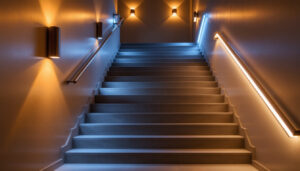
Schools must adhere to safety standards including proper illumination levels for corridors, stairwells, and emergency exits. The Illuminating Engineering Society (IES) provides recommended lighting levels for various educational spaces, which contractors should reference during design and installation.
Additionally, lighting must accommodate students and staff with disabilities. This includes ensuring glare control, uniform light distribution, and integration with emergency lighting systems compliant with the National Fire Protection Association (NFPA) codes. It is also crucial to consider the psychological impact of lighting on learning environments; research indicates that well-lit spaces can enhance focus and reduce fatigue. Therefore, contractors should also explore options for tunable white lighting, which can adjust color temperature throughout the day to align with natural light patterns, ultimately creating a more conducive learning atmosphere. Furthermore, incorporating smart lighting controls can provide flexibility in adjusting brightness levels based on the specific needs of different activities, ensuring that all students can thrive in their educational settings.
Design Considerations for Different School Spaces
Each area within a school building has unique lighting needs. Contractors should approach each space with a tailored strategy to optimize functionality and comfort.
Classrooms
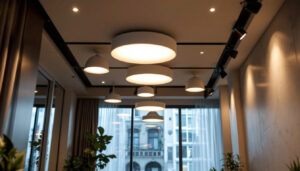
Classrooms require balanced lighting that supports reading, writing, and screen use. Layered lighting — combining ambient, task, and accent lighting — is ideal. Fixtures should minimize flicker and glare, which can be distracting or cause headaches.
Incorporating daylight sensors and dimmable fixtures allows teachers to adjust lighting based on natural light availability and activity type, enhancing the learning environment. Furthermore, the use of color temperature can significantly impact student focus and mood; warmer tones can create a cozy atmosphere conducive to discussion, while cooler tones can promote alertness during more intensive study sessions.
Hallways and Common Areas
Corridors and common spaces demand consistent illumination to ensure safety and ease of navigation. Uniform lighting levels prevent dark spots and shadows, which can pose tripping hazards or security concerns.
Durable fixtures with vandal-resistant features are recommended, given the high foot traffic and potential for accidental damage. Motion sensors can improve energy efficiency by reducing lighting when spaces are unoccupied. Additionally, incorporating visual cues such as colored lighting or illuminated signage can help guide students and visitors through the school, enhancing wayfinding and creating a welcoming environment.
Gymnasiums and Auditoriums
These large, multifunctional spaces require versatile lighting solutions. Contractors should specify high-output fixtures with good color rendering to accommodate sports, assemblies, and performances.
Adjustable lighting systems, including dimming and zoning capabilities, allow facility managers to tailor lighting scenes for different events, enhancing both functionality and atmosphere. Moreover, integrating smart lighting technology can facilitate remote control and programming of lighting setups, ensuring that the space is always optimally lit for its intended use. This flexibility not only supports a range of activities but also contributes to energy savings, as lighting can be adjusted based on the specific requirements of each event, reducing unnecessary power consumption.
Technological Innovations and Trends in School Lighting
Staying current with technology is essential for contractors aiming to deliver cutting-edge solutions that meet evolving school needs.
LED Lighting and Smart Controls
LED technology has become the standard for school lighting due to its longevity, energy efficiency, and quality of light. Modern LED fixtures offer tunable color temperatures and integration with smart controls, enabling dynamic lighting environments.
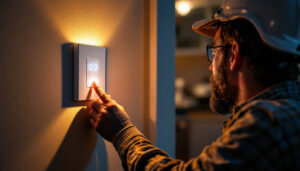
Smart control systems can automate lighting schedules, respond to occupancy, and adjust based on daylight availability. These features not only conserve energy but also enhance user experience by providing intuitive control over lighting conditions. Furthermore, the integration of sensors allows for real-time data collection on usage patterns, enabling schools to optimize their energy consumption and reduce costs significantly. This data-driven approach can also assist in maintaining the fixtures, ensuring they are always operating at peak efficiency.
Human-Centric Lighting (HCL)
Human-centric lighting is an emerging trend that emphasizes lighting that supports human health and well-being. By adjusting color temperature and intensity throughout the day, HCL systems can mimic natural daylight patterns, promoting alertness during morning hours and relaxation in the afternoon.
For schools, implementing HCL can contribute to improved student focus and better sleep patterns, which are critical for academic success and overall health. Additionally, studies have shown that environments designed with human-centric lighting can reduce eye strain and fatigue, leading to a more productive learning atmosphere. The psychological benefits of HCL extend beyond just students; teachers and staff also report feeling more energized and engaged in their workspaces. As schools increasingly recognize the importance of mental well-being, the adoption of HCL systems stands out as a vital investment in creating supportive educational environments.
Challenges Lighting Contractors Face in School Projects
While school lighting projects offer rewarding opportunities, contractors must navigate several challenges to succeed.
Budget Constraints
Many schools operate with limited funding, making it essential for contractors to balance quality and cost-effectiveness. Proposing phased installations or prioritizing high-impact areas can help schools manage expenses without sacrificing lighting performance.
Minimizing Disruption During Installation
Schools often require lighting upgrades to be completed outside of normal hours or during breaks to avoid disrupting classes. Contractors must plan meticulously, coordinating schedules and ensuring efficient work to meet tight timelines.
Ensuring Long-Term Maintenance and Support
Durability and ease of maintenance are critical considerations. Schools benefit from lighting systems that require minimal upkeep and provide straightforward replacement options. Offering maintenance plans or training school staff on system operation can add significant value.
Best Practices for Lighting Contractors Working with Schools
Success in school lighting projects hinges on a collaborative and informed approach.
Engage Stakeholders Early
Consulting with school administrators, teachers, and facility managers early in the process helps identify specific needs and preferences. This engagement ensures the lighting design aligns with educational goals and operational realities.
Prioritize Energy Efficiency and Sustainability
Highlighting the long-term cost savings and environmental benefits of efficient lighting solutions can help secure buy-in from decision-makers. Providing detailed energy savings projections and return-on-investment analyses strengthens proposals.
Leverage Data and Analytics
Using lighting simulations and post-installation monitoring can demonstrate the effectiveness of lighting designs. Data-driven insights enable continuous improvement and support future upgrade decisions.
Conclusion
Lighting contractors play a pivotal role in shaping educational environments that foster learning, safety, and well-being. By understanding the unique demands of school settings, adhering to standards, embracing technological advancements, and addressing common challenges, contractors can deliver lighting solutions that truly illuminate the path to academic success.
Investing in thoughtful, high-quality lighting design for schools is an investment in the future — one that benefits students, educators, and communities alike.
Illuminate Your Projects with LumenWholesale
Ready to elevate the lighting of educational spaces and make a lasting impact? LumenWholesale is your trusted partner, offering an extensive range of spec-grade lighting products tailored for school environments. Our commitment to quality, affordability, and convenience ensures that you can meet the unique demands of each project with confidence. Say goodbye to inflated markups and hello to unbeatable wholesale prices, free shipping, and the support you need to succeed. Take the first step towards brighter, more efficient, and cost-effective school lighting solutions. Wholesale Lighting at the Best Value awaits you at LumenWholesale.