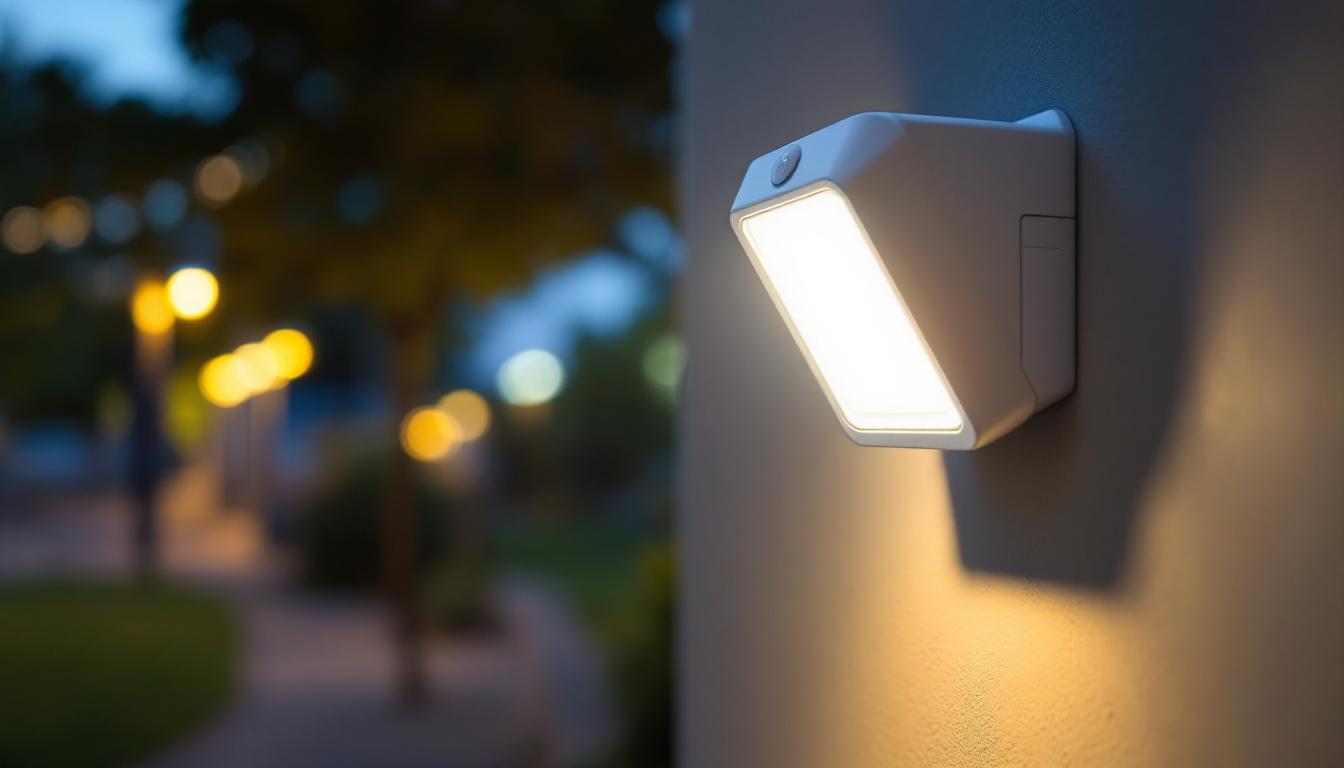
Exit signs are critical components of safety in any building, serving as essential guides during emergencies. For lighting contractors, understanding the nuances of exit sign lighting is crucial. This article will explore the various aspects of exit signs, including their types, installation requirements, and maintenance considerations. By demystifying exit signs, lighting contractors can ensure compliance, safety, and functionality in their projects.
Understanding Exit Sign Basics
Exit signs are more than just illuminated indicators; they are vital safety devices mandated by building codes and regulations. Their primary purpose is to provide a clear and visible path to safety during emergencies, such as fires or power outages. Understanding the basics of exit signs is the first step for any lighting contractor.
Types of Exit Signs
There are several types of exit signs available, each designed for specific applications and environments. The most common types include:
- LED Exit Signs: These are energy-efficient and have a long lifespan. They are increasingly popular due to their low maintenance costs and bright illumination.
- Incandescent Exit Signs: While less common today, these signs are still used in some applications. They typically require more frequent bulb replacements.
- Photoluminescent Exit Signs: These signs absorb light and glow in the dark, providing a reliable option in case of power failure.
Each type has its own advantages and disadvantages, making it essential for contractors to choose the right one based on the specific needs of the building and its occupants. For example, LED exit signs are not only energy-efficient but also produce less heat, making them safer in environments where heat buildup could be a concern. On the other hand, photoluminescent signs are particularly useful in areas where power outages are frequent, as they do not rely on electricity to function, ensuring that they remain operational when they are needed most.
Regulatory Compliance
Compliance with local building codes and safety regulations is paramount when installing exit signs. The National Fire Protection Association (NFPA) and the International Building Code (IBC) provide guidelines on the placement, visibility, and illumination levels of exit signs. Understanding these regulations is critical for ensuring that installations meet safety standards.
For instance, exit signs must be placed above doorways or at appropriate intervals along escape routes to ensure visibility from various angles. Additionally, the illumination of exit signs must be sufficient to be seen in both normal and emergency lighting conditions. Furthermore, some jurisdictions may require that exit signs be tested regularly to ensure they are functioning properly. Regular maintenance checks not only ensure compliance but also reinforce the safety of the building’s occupants, as a non-functioning exit sign during an emergency can lead to chaos and confusion. It is also important to consider the mounting height and the contrast of the sign against its background, as these factors can significantly affect visibility in low-light conditions.
Installation Best Practices
Proper installation of exit signs is essential for their effectiveness. Lighting contractors must pay attention to several factors during the installation process to ensure optimal performance.
Location and Placement
The placement of exit signs is crucial for their visibility. They should be installed in locations that are easily visible from any direction of approach. Common placement guidelines include:
- Above exit doors and at the intersections of corridors.
- At regular intervals along long corridors or hallways.
- In areas where the path to safety may not be immediately clear.
Additionally, contractors should consider the height at which exit signs are mounted. Typically, signs should be installed at a height of 80 inches from the floor to the bottom of the sign, ensuring they are easily visible to all occupants. It’s also important to take into account the surrounding decor and architecture; signs should stand out against their backgrounds without being obstructed by furniture or other fixtures. In high-traffic areas, using illuminated or photoluminescent signs can enhance visibility, especially in low-light conditions.
Electrical Connections
When it comes to electrical connections, ensuring that exit signs are wired correctly is vital for their functionality. Contractors should follow the manufacturer’s instructions for wiring and ensure that all connections are secure and meet local electrical codes.
It’s also essential to consider backup power sources. Many exit signs are equipped with battery backup systems that allow them to function during power outages. Ensuring that these systems are installed correctly will provide peace of mind that the exit signs will remain illuminated when needed most. Regular maintenance checks should also be scheduled to test the integrity of these backup systems, as well as to inspect the overall condition of the signs. This proactive approach not only ensures compliance with safety regulations but also reinforces the commitment to occupant safety in the event of an emergency.
Maintenance and Testing
Regular maintenance and testing of exit signs are essential to ensure their reliability. Neglecting this aspect can lead to failures during emergencies, putting lives at risk.
Routine Inspections
Lighting contractors should recommend routine inspections of exit signs to check for any signs of wear, damage, or malfunction. Inspections should include:
- Checking the illumination of the signs to ensure they meet the required brightness levels.
- Inspecting the battery backup systems to ensure they are functioning correctly.
- Verifying that the signs are securely mounted and free from obstructions.
By conducting regular inspections, contractors can identify potential issues before they become significant problems, ensuring the safety of building occupants. Additionally, it’s important to consider the environment in which the exit signs are installed. For instance, areas with high humidity or extreme temperatures may affect the performance of the signs and their components. Therefore, inspections should also assess the environmental conditions and how they may impact the longevity and functionality of the exit signs.
Testing Procedures
In addition to routine inspections, testing exit signs is crucial. Many jurisdictions require monthly testing of battery backup systems to ensure they will function during a power outage. This typically involves:
- Simulating a power outage by disconnecting the power supply to the exit sign.
- Monitoring the sign to ensure it remains illuminated for the required duration, usually 90 minutes.
Documenting these tests is essential for compliance with safety regulations. Contractors should maintain records of all inspections and tests performed on exit signs to demonstrate adherence to safety standards. Furthermore, it is advisable to incorporate a comprehensive training program for staff members responsible for these checks. This training should cover the importance of exit sign functionality, the specifics of the testing procedures, and how to identify signs of wear or malfunction. By empowering staff with knowledge, organizations can foster a culture of safety and preparedness that extends beyond mere compliance.
Innovations in Exit Sign Technology
The field of exit sign technology is continually evolving, with new innovations enhancing their functionality and energy efficiency. Lighting contractors should stay informed about these advancements to provide the best solutions for their clients.
Smart Exit Signs
Smart exit signs are an emerging trend that integrates technology to enhance safety. These signs can communicate with building management systems, providing real-time data on their status and functionality. Features of smart exit signs may include:
- Remote monitoring capabilities to alert maintenance personnel of any issues.
- Integration with emergency lighting systems to ensure coordinated responses during emergencies.
By adopting smart exit sign technology, contractors can offer clients a more proactive approach to safety management.
Energy-Efficient Solutions
Energy efficiency is a significant consideration in modern lighting design. Many manufacturers are now producing exit signs that utilize energy-efficient LED technology, which not only reduces energy consumption but also extends the lifespan of the signs.
Contractors should consider recommending LED exit signs to clients as a sustainable solution that aligns with green building practices. These signs can significantly lower energy costs while providing reliable illumination.
Common Challenges and Solutions
Lighting contractors often face challenges when dealing with exit signs, from installation to maintenance. Understanding these challenges and their solutions can streamline the process and enhance safety.
Obstructions and Visibility Issues
One common challenge is ensuring that exit signs remain visible and unobstructed. In some cases, furniture, decorations, or architectural features can block the line of sight to exit signs.
To address this issue, contractors should conduct thorough site assessments during the planning phase. This involves identifying potential obstructions and recommending strategic placements for exit signs to ensure they remain visible from all angles.
Power Supply Concerns
Another challenge is ensuring a reliable power supply for exit signs, particularly in older buildings where electrical systems may be outdated. Contractors should evaluate the existing electrical infrastructure and recommend upgrades if necessary.
In cases where upgrades are not feasible, installing exit signs with robust battery backup systems can provide a reliable solution. These systems will ensure that exit signs remain operational during power failures, enhancing safety for building occupants.
Conclusion
Exit signs are a fundamental aspect of building safety, and lighting contractors play a crucial role in their installation, maintenance, and compliance. By understanding the various types of exit signs, installation best practices, and innovations in technology, contractors can ensure that they provide effective solutions for their clients.
Regular maintenance and testing are essential to guarantee the reliability of exit signs, while staying informed about industry trends can enhance the services contractors offer. By demystifying exit signs, lighting contractors can contribute significantly to the safety and well-being of building occupants, ensuring that everyone knows the way to safety when it matters most.
Illuminate Your Projects with LumenWholesale
Ready to enhance the safety and compliance of your lighting projects with quality exit signs? Look no further than LumenWholesale for a wide range of spec-grade lighting products at unbeatable wholesale prices. Our commitment to cutting out the middleman means you get the best value without inflated markups, and our hassle-free bulk buying with free shipping ensures you receive premium lighting at the best price. Elevate your lighting solutions with the reliability and performance that LumenWholesale offers. Wholesale Lighting at the Best Value is just a click away. Experience the difference in quality, affordability, and convenience today!