Understanding the Importance of Light Kits in Ceiling Fans
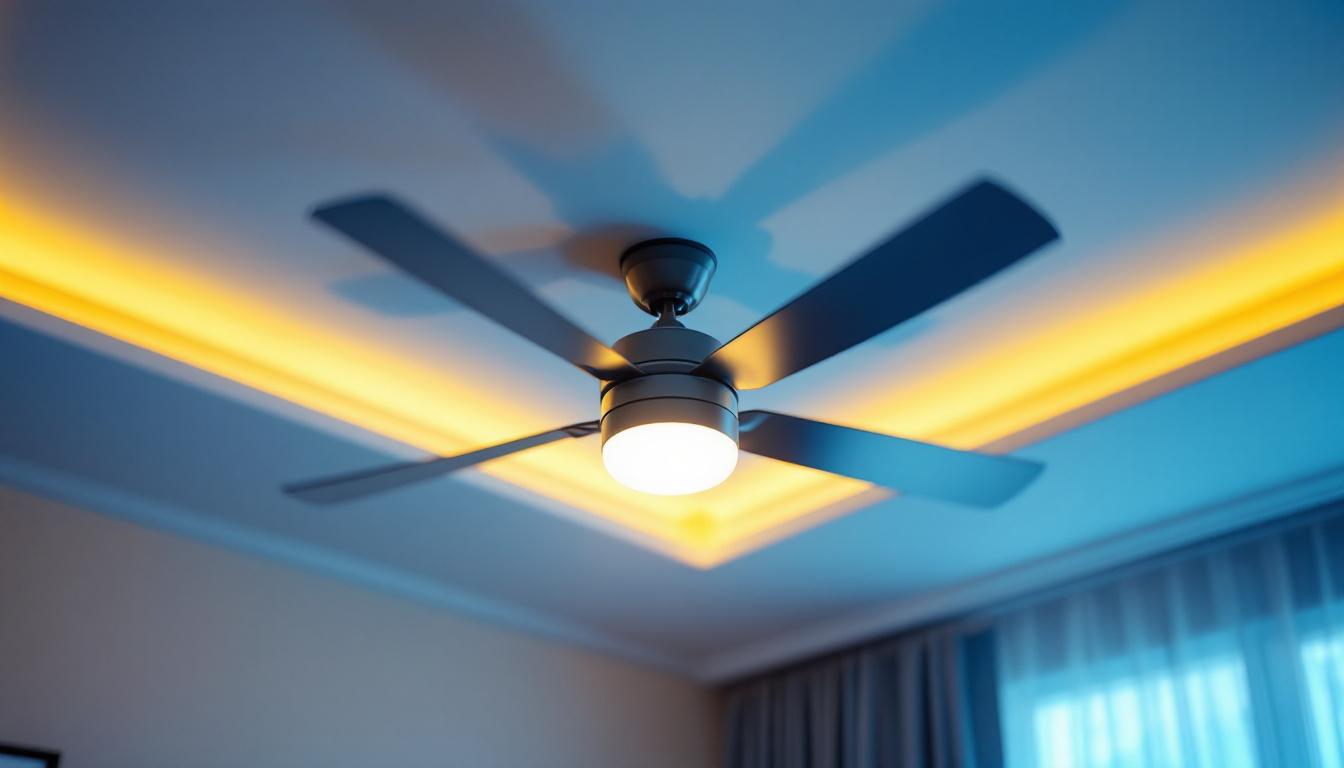
Ceiling fans have evolved from simple air circulation devices to multifunctional fixtures that combine aesthetics, lighting, and energy efficiency. For lighting contractors, the integration of light kits into ceiling fans represents a significant opportunity to enhance both the functionality and appeal of a space. A well-chosen light kit not only complements the fan’s design but also meets the specific lighting requirements of the room.
Light kits are essential because they transform a basic ceiling fan into a versatile lighting fixture. This dual-purpose functionality is particularly valuable in residential and commercial settings where space optimization and energy efficiency are priorities. Moreover, understanding the nuances of light kits enables contractors to provide tailored solutions that align with client expectations and building codes. The variety of styles and finishes available in light kits allows for customization, ensuring that each installation can harmonize with the existing decor, whether it be modern, traditional, or eclectic.
The Role of Light Kits in Modern Lighting Design
In contemporary lighting design, the emphasis is on creating layered lighting that balances ambient, task, and accent lighting. Light kits for fans contribute primarily to ambient lighting, providing general illumination that enhances the overall atmosphere. For lighting contractors, selecting the right light kit involves considering factors such as lumen output, color temperature, and compatibility with dimmers or smart home systems. Additionally, the choice of bulb type—whether LED, incandescent, or fluorescent—can significantly affect energy consumption and the quality of light produced, making it crucial for contractors to stay informed about the latest advancements in lighting technology.
Key Benefits for Lighting Contractors
Offering light kit installation services can differentiate a contractor’s portfolio. It allows for upselling opportunities, as clients often prefer integrated solutions that simplify installation and maintenance. Additionally, understanding the technical specifications and installation requirements ensures safety and compliance, reducing the risk of costly callbacks or liability issues. By providing expert advice on the best light kits for specific applications, contractors can build trust with clients, positioning themselves as knowledgeable professionals who prioritize both aesthetics and functionality. Furthermore, as energy efficiency becomes increasingly important, contractors can also educate clients on the long-term savings associated with modern light kits, which often feature energy-saving technologies that not only reduce utility bills but also contribute to a more sustainable environment.
Types of Light Kits for Ceiling Fans
Light kits come in various styles and configurations, each suited to different applications and aesthetic preferences. Familiarity with these types enables contractors to recommend the most appropriate options based on client needs and the architectural context.
Flush Mount Light Kits
Flush mount light kits are designed to sit close to the ceiling fan, making them ideal for rooms with low ceilings. They typically feature a compact design with one or more bulbs enclosed in a glass or acrylic shade. These kits provide a clean, streamlined look and are often used in bedrooms, kitchens, and smaller living spaces.
From an installation perspective, flush mount kits are straightforward, requiring minimal clearance and offering easy access for bulb replacement. Lighting contractors should verify the fan’s compatibility and ensure that the light kit’s weight does not exceed the fan’s specifications. Additionally, flush mount kits can be found in various finishes and colors, allowing homeowners to match them with their existing decor. This adaptability makes them a favorite among those looking to maintain a cohesive design throughout their home.
Bowl Light Kits
Bowl light kits feature a rounded glass shade that diffuses light evenly across a room. They are popular for their classic appearance and ability to soften illumination, reducing harsh shadows. These kits typically accommodate multiple bulbs, increasing light output, which is advantageous in larger spaces such as living rooms or dining areas.
Contractors should assess the mounting hardware and wiring compatibility when installing bowl light kits, as some models may require additional support or specific electrical configurations. Furthermore, bowl light kits can be found in a variety of styles, from traditional to modern, and can include decorative elements such as etched glass or colored finishes, enhancing the overall aesthetic appeal of the room. This versatility allows homeowners to express their personal style while ensuring functional lighting.
Multi-Light and Pendant Light Kits
For clients seeking a more decorative or statement lighting fixture, multi-light kits or pendant-style light kits offer versatility and style. These kits often include multiple arms or pendants with individual shades, allowing for customized lighting effects and focal points.
Installation of these kits demands careful attention to weight distribution and electrical load. Lighting contractors must also consider ceiling height and room scale to ensure the fixture complements the space without overwhelming it. Multi-light kits can be particularly effective in creating a layered lighting scheme, combining ambient, task, and accent lighting in one fixture. Additionally, the use of dimmable bulbs can enhance the functionality of these kits, allowing homeowners to adjust the brightness according to their needs, whether for a cozy dinner party or a bright, lively gathering.
Technical Considerations for Installation and Maintenance
Successful installation and maintenance of light kits require a thorough understanding of electrical standards, fan compatibility, and safety protocols. Lighting contractors must be adept at navigating these technical aspects to deliver reliable and code-compliant solutions.
Compatibility and Electrical Requirements
Not all light kits fit every ceiling fan model. Contractors should consult manufacturer specifications to confirm compatibility, focusing on mounting mechanisms, wiring connectors, and power ratings. Using incompatible kits can lead to mechanical stress, electrical hazards, or voided warranties.
Electrical requirements include verifying voltage, current capacity, and the presence of appropriate switches or dimmers. Many modern fans and light kits support LED bulbs, which offer energy savings and longer lifespans. Contractors should recommend LED-compatible kits and ensure that dimmer switches are compatible with LED technology to avoid flickering or reduced bulb life.
Installation Best Practices
Proper installation begins with turning off power at the circuit breaker and verifying that the electrical box can support the combined weight of the fan and light kit. Contractors should use a voltage tester to confirm that no current is flowing before proceeding.
Following manufacturer instructions meticulously is crucial. This includes securing mounting brackets, connecting wires with wire nuts or connectors, and testing the fixture before finalizing assembly. Attention to detail during installation minimizes the risk of loose connections or mechanical failures.
Maintenance Tips for Longevity and Performance
Routine maintenance extends the life of light kits and ensures consistent performance. Lighting contractors should advise clients on periodic cleaning of glass shades to prevent dust accumulation, which can diminish light output. Additionally, checking for loose screws or wiring connections during annual inspections can prevent safety hazards.
Replacing bulbs with the correct wattage and type is essential. Contractors might also recommend upgrading to LED bulbs if the original kit uses incandescent or halogen bulbs, highlighting the benefits of energy efficiency and reduced heat output.
Trends and Innovations in Light Kits for Fans
The lighting industry is continually evolving, with innovations that impact how light kits for fans are designed and used. Staying informed about these trends enables lighting contractors to offer cutting-edge solutions that meet modern demands.
Smart Lighting Integration
Smart home technology has transformed lighting control. Many light kits now come with integrated smart features, allowing users to adjust brightness, color temperature, and schedules via smartphone apps or voice assistants. For lighting contractors, this represents an opportunity to expand services into smart home installations and provide clients with enhanced convenience and energy management.
Energy Efficiency and Sustainability
Energy codes and consumer preferences increasingly favor sustainable lighting solutions. LED technology dominates the market due to its low energy consumption and long lifespan. Contractors should prioritize recommending LED-compatible light kits and educate clients on the environmental and economic benefits of these options.
Design Customization and Modular Kits
Customization is a growing trend, with manufacturers offering modular light kits that allow clients to mix and match shades, bulbs, and mounting styles. This flexibility supports diverse design aesthetics and functional needs. Lighting contractors can leverage these options to create bespoke lighting solutions that enhance client satisfaction and project uniqueness.
Choosing the Right Light Kit: A Contractor’s Checklist
To streamline the selection process and ensure optimal outcomes, lighting contractors can use a comprehensive checklist when evaluating light kits for ceiling fans.
- Compatibility: Confirm the light kit fits the fan model and mounting system.
- Lighting Needs: Assess the required lumen output and color temperature for the space.
- Energy Efficiency: Prioritize LED-compatible kits and verify dimmer compatibility.
- Design and Aesthetics: Match the light kit style with the room’s décor and client preferences.
- Electrical Requirements: Check voltage, current ratings, and wiring configurations.
- Installation Complexity: Evaluate the ease of installation and potential need for additional hardware.
- Maintenance Considerations: Recommend kits with accessible bulbs and durable materials.
- Smart Features: Consider integration with smart home systems if desired.
- Budget: Balance cost with quality and functionality to meet client expectations.
Conclusion
For lighting contractors, mastering the selection, installation, and maintenance of light kits for ceiling fans is essential to delivering comprehensive lighting solutions. These fixtures blend functionality with design, offering clients enhanced comfort and style while optimizing energy use. By staying informed about the latest technologies and best practices, contractors can position themselves as trusted experts and expand their service offerings in a competitive market.
Ultimately, the right light kit transforms a ceiling fan from a simple utility item into a centerpiece of lighting design, underscoring the contractor’s role in shaping the built environment through thoughtful, professional craftsmanship.
Illuminate Your Projects with LumenWholesale
Ready to elevate your lighting game? Look no further than LumenWholesale for all your ceiling fan light kit needs. Our extensive collection of spec-grade lighting products ensures that you can find the perfect match for any project, big or small. With unbeatable wholesale prices and the convenience of free shipping on bulk orders, LumenWholesale is your go-to source for quality and affordability. Don’t let middleman markups dim your potential. Visit LumenWholesale today and discover the best value in wholesale lighting.