Light Fixture: The Competitive Edge for Lighting Contractors
In the dynamic world of lighting contracting, standing out from the competition is essential. With the rapid advancement of technology and the growing demand for energy-efficient solutions, lighting contractors must adapt and innovate to secure their place in the market. One of the most effective ways to gain a competitive edge is through the selection and installation of high-quality light fixtures. This article delves into the various aspects of light fixtures that can enhance a contractor’s offerings, improve client satisfaction, and ultimately lead to business growth.
Understanding the Importance of Quality Light Fixtures
Quality light fixtures play a pivotal role in the overall success of lighting projects. They not only affect the aesthetic appeal of a space but also influence energy consumption and maintenance costs. Selecting the right fixtures can significantly impact the performance and longevity of a lighting installation.
Enhancing Aesthetic Appeal
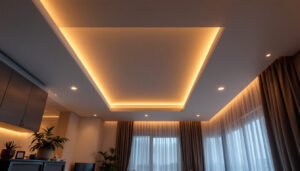
Light fixtures are more than just functional elements; they are integral to the design and ambiance of a space. A well-chosen fixture can complement the architectural features of a room, create focal points, and enhance the overall aesthetic. Lighting contractors should stay updated on the latest design trends and styles to offer clients a diverse range of options that suit their preferences.
Moreover, understanding the interplay between light and materials can help contractors recommend fixtures that enhance the beauty of a space. For instance, fixtures that diffuse light softly can create a warm and inviting atmosphere, while those that provide focused beams can highlight specific areas or objects. Additionally, the choice of materials used in light fixtures, such as glass, metal, or fabric, can further influence the character of the light emitted, adding layers of texture and depth to the overall design.
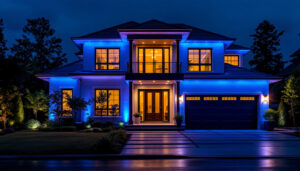
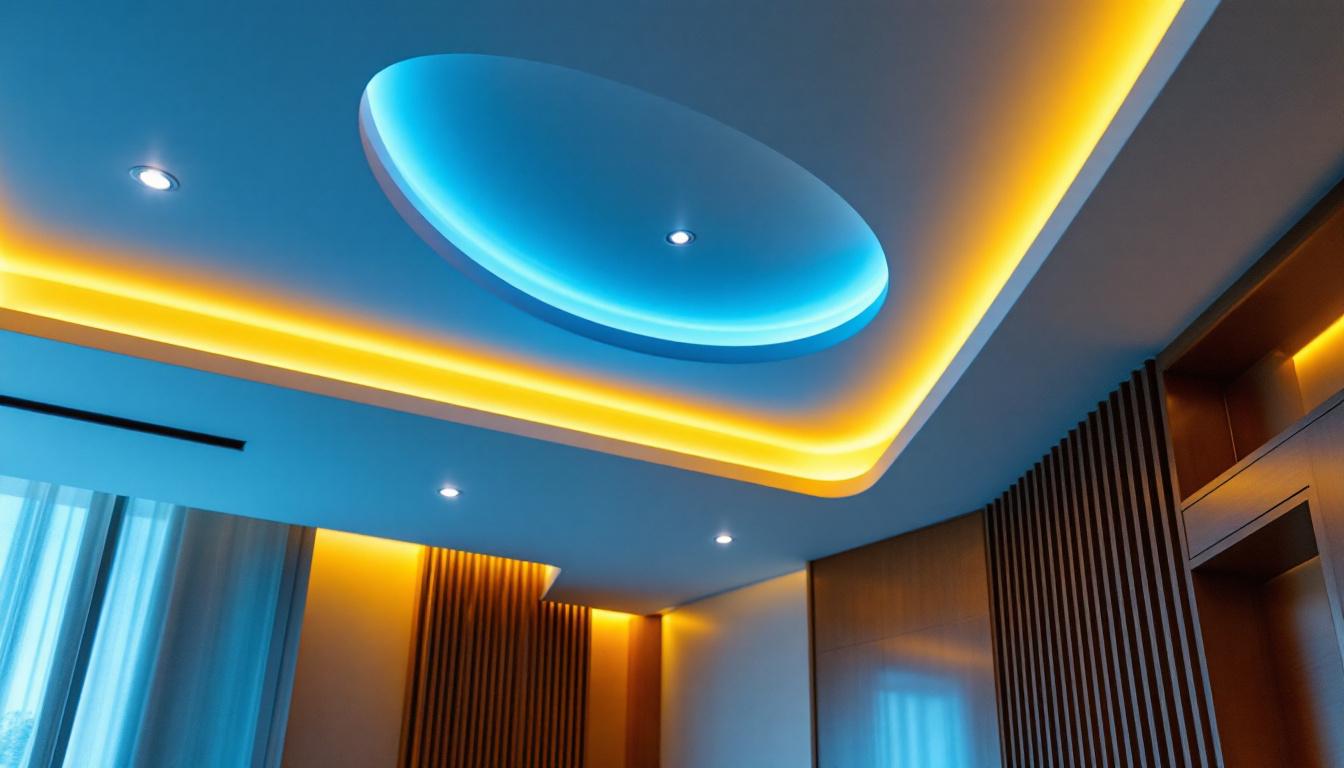
Incorporating smart lighting solutions can also elevate the aesthetic experience. With the advent of smart technology, fixtures can be controlled remotely, allowing users to adjust brightness, color temperature, and even create dynamic lighting scenes that change throughout the day. This not only enhances the visual appeal but also allows for personalized lighting experiences that cater to various moods and activities.
Energy Efficiency and Sustainability
As the world increasingly prioritizes sustainability, energy-efficient lighting solutions have become a key consideration for both contractors and clients. High-quality light fixtures often incorporate advanced technologies, such as LED lighting, which significantly reduces energy consumption compared to traditional incandescent bulbs.
By promoting energy-efficient fixtures, contractors can not only help clients save on utility bills but also contribute to environmental sustainability. This commitment to eco-friendly practices can enhance a contractor’s reputation and attract a broader client base seeking green solutions. Furthermore, many energy-efficient fixtures are designed to last longer, reducing the frequency of replacements and the associated waste, which aligns with the growing trend of sustainable living.
In addition to energy savings, many manufacturers are now focusing on the lifecycle of their products, ensuring that materials used in light fixtures are recyclable or sourced sustainably. This shift not only supports environmental initiatives but also resonates with consumers who are increasingly making purchasing decisions based on a brand’s commitment to sustainability. By educating clients on these benefits, contractors can position themselves as leaders in the industry, fostering a culture of responsibility and awareness around energy consumption and its impact on the planet.
Choosing the Right Light Fixtures for Different Applications
Different spaces require different lighting solutions. Understanding the specific needs of various applications is crucial for lighting contractors. Whether it’s residential, commercial, or industrial settings, each environment presents unique challenges and opportunities.
Residential Lighting Solutions
In residential settings, the focus is often on creating a warm and inviting atmosphere. Contractors should consider fixtures that offer versatility, allowing homeowners to adjust lighting according to their mood and activities. Dimmer switches, smart lighting systems, and decorative fixtures can all enhance the residential experience.
Additionally, understanding the importance of layering light—using ambient, task, and accent lighting—can help contractors design effective lighting plans that meet the diverse needs of homeowners.
Commercial Lighting Considerations
Commercial spaces, on the other hand, often require a balance between functionality and aesthetics. Lighting contractors must consider factors such as the nature of the business, the layout of the space, and the desired atmosphere. For example, retail environments benefit from bright, inviting lighting that highlights products, while office spaces may require adjustable lighting to accommodate various tasks.
Moreover, compliance with local regulations and standards is crucial in commercial projects. Contractors should be well-versed in the latest codes and guidelines to ensure that their lighting solutions meet safety and efficiency requirements.
Industrial Lighting Needs
In industrial settings, lighting needs can be more demanding due to the nature of the work being performed. High-intensity fixtures that provide adequate illumination for safety and productivity are essential. Contractors must be knowledgeable about the specific lighting requirements for different types of industrial environments, such as warehouses, manufacturing plants, and distribution centers.
Durability and maintenance are also key considerations in industrial lighting. Fixtures must withstand harsh conditions and require minimal upkeep to ensure continuous operation. By selecting robust and reliable fixtures, contractors can enhance safety and efficiency in industrial settings.
Incorporating Smart Lighting Technology
The rise of smart technology has revolutionized the lighting industry, offering contractors an opportunity to provide innovative solutions to their clients. Smart lighting systems enable users to control their lighting remotely, adjust brightness levels, and even change colors to suit their preferences.
Benefits of Smart Lighting
Smart lighting not only enhances convenience but also contributes to energy efficiency. Many smart fixtures are designed to optimize energy use, allowing users to monitor and control their consumption. This feature can be particularly appealing to environmentally conscious clients looking to reduce their carbon footprint.
Furthermore, integrating smart technology into lighting solutions can differentiate contractors in a competitive market. By offering advanced, user-friendly systems, contractors can position themselves as forward-thinking professionals who understand the evolving needs of their clients.
Installation and Maintenance Considerations
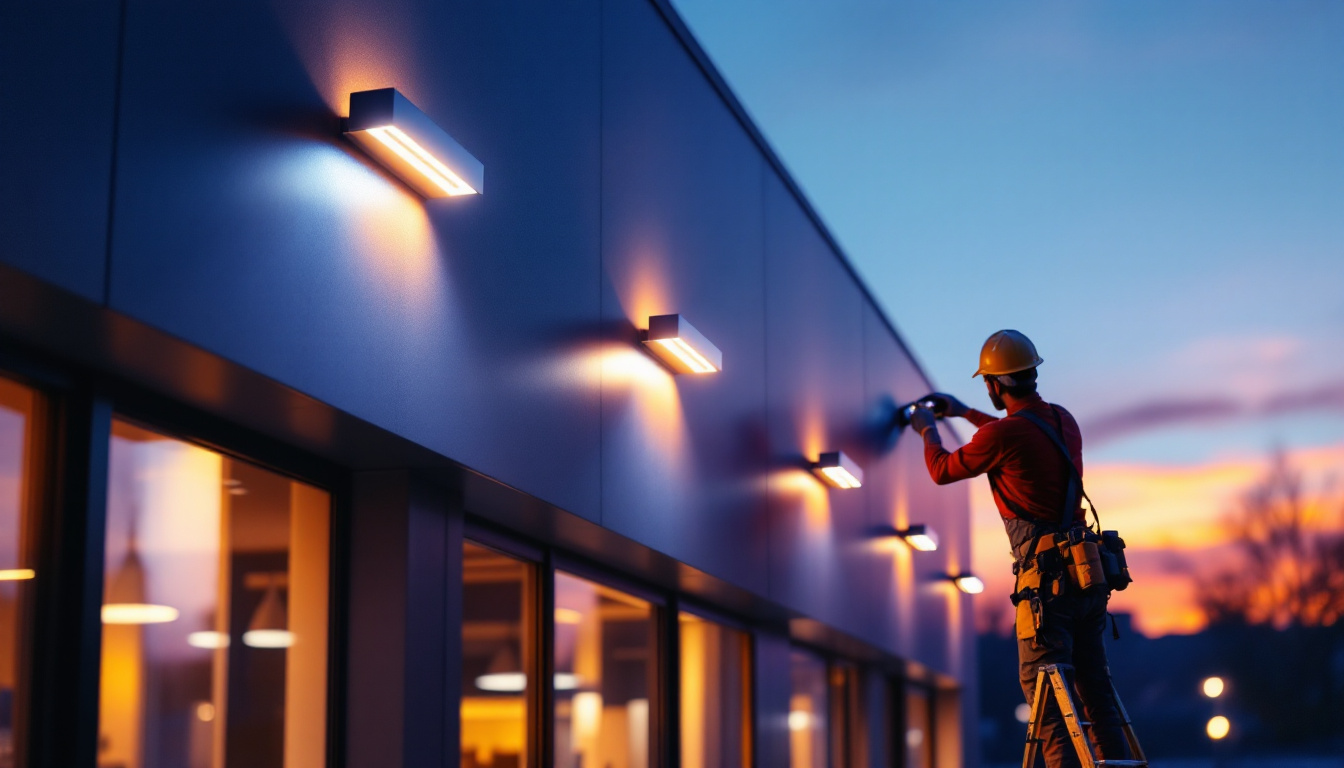
While smart lighting offers numerous benefits, it also presents unique challenges in terms of installation and maintenance. Contractors must be well-versed in the technical aspects of smart systems to ensure seamless integration with existing infrastructure. This expertise can enhance a contractor’s credibility and foster trust with clients.
Additionally, providing ongoing support and maintenance for smart lighting systems can create lasting relationships with clients. Offering training on how to use and troubleshoot these systems can enhance customer satisfaction and lead to repeat business.
Marketing Light Fixtures Effectively
In a competitive landscape, effective marketing strategies are essential for lighting contractors to showcase their expertise and attract new clients. Highlighting the benefits of high-quality light fixtures can set a contractor apart from competitors.
Building a Strong Online Presence
In today’s digital age, having a strong online presence is crucial for any business. Lighting contractors should invest in a professional website that showcases their portfolio, services, and expertise in light fixtures. High-quality images and detailed descriptions of completed projects can help potential clients envision the possibilities.
Moreover, utilizing social media platforms to share insights, tips, and trends related to lighting can engage a broader audience. Regularly posting content that highlights the advantages of different light fixtures can position contractors as industry leaders and attract potential clients.
Networking and Collaborations
Networking with other professionals in the construction and design industries can also provide valuable opportunities for lighting contractors. Collaborating with architects, interior designers, and builders can lead to referrals and joint projects, expanding a contractor’s reach.
Participating in industry trade shows and events can further enhance visibility and allow contractors to showcase their expertise in light fixtures. Engaging with potential clients face-to-face can create lasting impressions and foster trust.
Staying Ahead of Industry Trends
The lighting industry is constantly evolving, with new technologies and design trends emerging regularly. Staying informed about these changes is essential for lighting contractors seeking to maintain a competitive edge.
Continuous Education and Training
Investing in continuous education and training can equip contractors with the knowledge needed to adapt to industry advancements. Attending workshops, webinars, and certification programs can enhance skills and keep contractors updated on the latest technologies and best practices related to light fixtures.
Furthermore, engaging with industry publications and online resources can provide insights into emerging trends, helping contractors anticipate client needs and preferences.
Adapting to Regulatory Changes
As sustainability becomes a priority, regulations regarding energy efficiency and environmental impact are likely to evolve. Lighting contractors must stay informed about these changes to ensure compliance and offer solutions that meet or exceed regulatory standards.
By proactively adapting to regulatory changes, contractors can position themselves as responsible professionals committed to sustainability, further enhancing their reputation in the industry.
Conclusion
In the competitive landscape of lighting contracting, the selection and installation of high-quality light fixtures can serve as a significant differentiator. By understanding the importance of aesthetics, energy efficiency, and the diverse needs of various applications, contractors can provide tailored solutions that meet client expectations.
Incorporating smart technology, effective marketing strategies, and staying ahead of industry trends are essential components for success. By investing in continuous education and adapting to changes in the industry, lighting contractors can not only enhance their offerings but also secure a lasting competitive edge in the market.
Ultimately, the commitment to quality and innovation in light fixtures can lead to improved client satisfaction, increased referrals, and sustained business growth. Embracing these principles will empower lighting contractors to thrive in an ever-evolving industry.
Get Your Competitive Edge with LumenWholesale
Ready to elevate your lighting projects and outshine the competition? Discover the LumenWholesale difference and gain access to our premium, spec-grade lighting products at unbeatable wholesale prices. Say goodbye to local distributor markups and hello to a vast selection of industry-standard fixtures that promise reliability and high performance. With the added benefits of bulk buying, free shipping, and no hidden fees, LumenWholesale is your go-to source for quality, affordability, and convenience. Don’t compromise on your lighting needs—Wholesale Lighting at the Best Value is just a click away. Transform your business with LumenWholesale today!