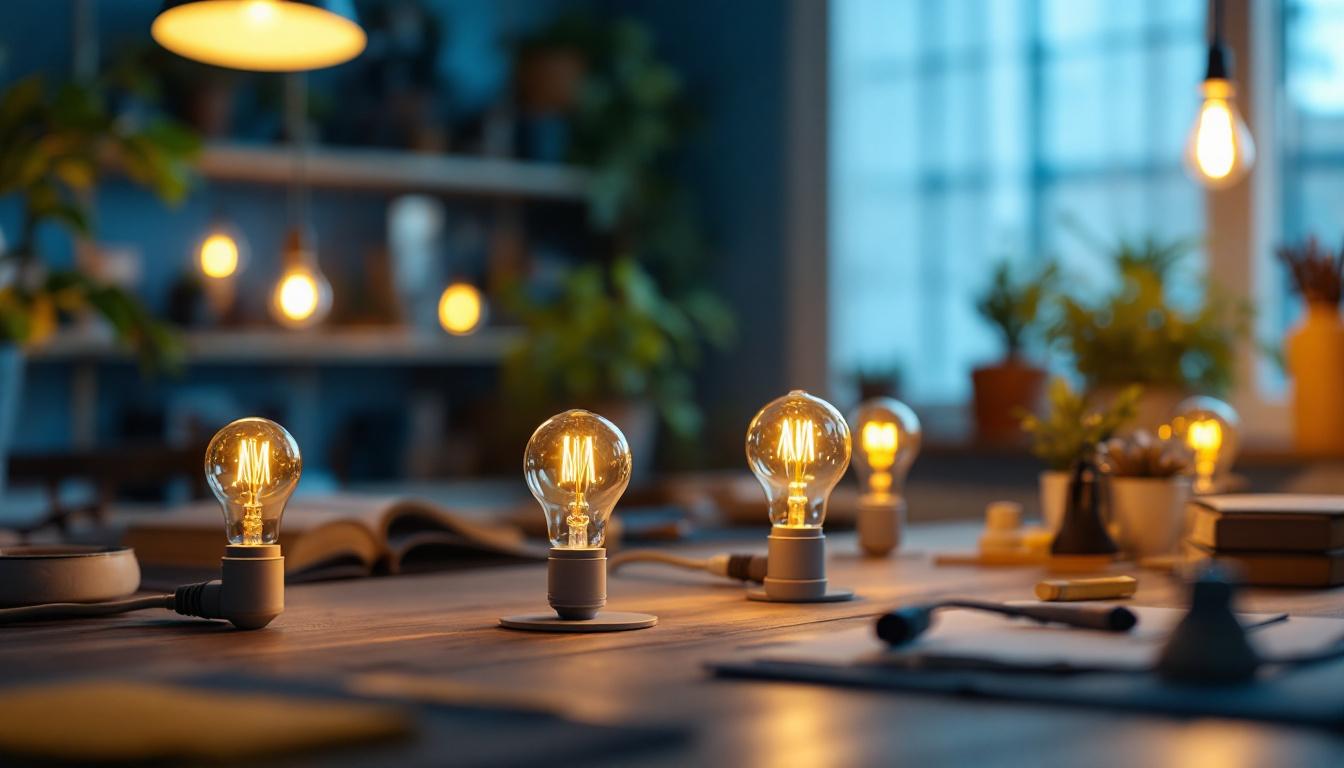
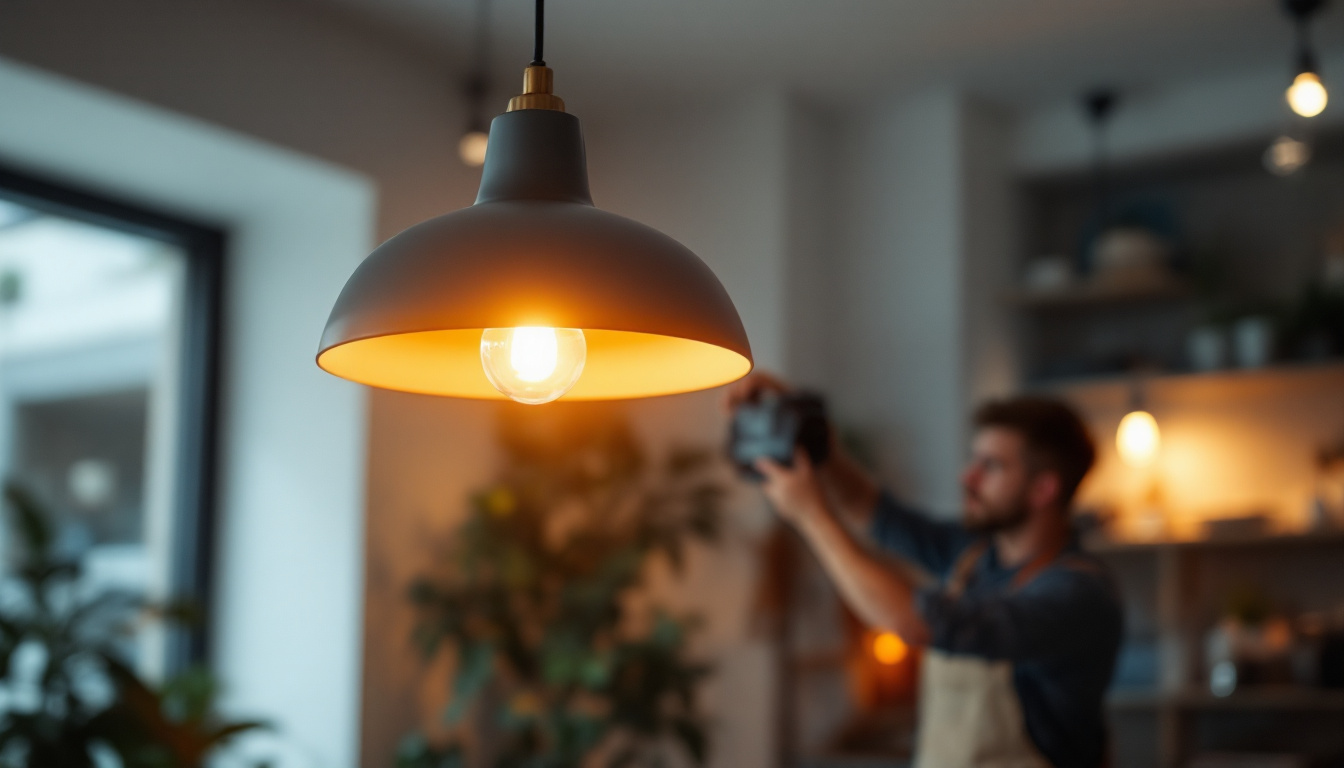
In the realm of lighting design and installation, the importance of reliable components cannot be overstated. Among these components, light bulb plugs play a crucial role in ensuring the efficiency and effectiveness of lighting projects. Whether you are a seasoned lighting contractor or just starting in the field, understanding the significance of light bulb plugs can greatly enhance your work and client satisfaction.
The Role of Light Bulb Plugs in Lighting Projects
Light bulb plugs serve as the connection between the light fixture and the electrical supply. They are essential for the functionality of various lighting solutions, from residential fixtures to commercial installations. A quality light bulb plug not only ensures a secure connection but also contributes to the overall safety and longevity of the lighting system.
Types of Light Bulb Plugs
There are several types of light bulb plugs available, each designed for specific applications. Understanding these types can help contractors choose the right plug for their projects.
Standard plugs, often used in household fixtures, provide a simple and effective connection for incandescent and LED bulbs. Meanwhile, specialized plugs, such as those designed for outdoor or industrial use, offer enhanced durability and weather resistance. Selecting the appropriate type of plug can prevent future issues and ensure that the lighting system operates smoothly.
In addition to standard and specialized plugs, there are also smart plugs that integrate with home automation systems. These plugs allow users to control their lighting remotely via smartphone apps or voice commands, adding a layer of convenience and energy efficiency. With the rise of smart home technology, understanding the compatibility of light bulb plugs with these systems becomes increasingly important for modern lighting projects.
Benefits of Using Quality Light Bulb Plugs
Investing in high-quality light bulb plugs can yield numerous benefits for contractors and their clients. One of the primary advantages is improved safety. Quality plugs are designed to withstand electrical loads and reduce the risk of overheating, which can lead to electrical fires.
Additionally, using reliable plugs can enhance the overall performance of the lighting system. They ensure a stable connection, minimizing flickering and other issues associated with poor connections. This reliability not only improves the user experience but also reduces maintenance costs in the long run.
Furthermore, quality light bulb plugs often come with features such as built-in surge protection, which can safeguard against voltage spikes that may damage both the plug and the connected lighting fixture. This added layer of protection is particularly beneficial in areas prone to electrical surges, ensuring that the lighting system remains functional and safe over time. By prioritizing quality in light bulb plugs, contractors can provide their clients with peace of mind, knowing that their lighting solutions are both effective and secure.
Choosing the Right Light Bulb Plug
When selecting light bulb plugs for a project, several factors should be considered. These include the type of lighting being installed, the environment in which the fixtures will be used, and the specific needs of the client.
Compatibility with Lighting Fixtures
Ensuring compatibility between the light bulb plug and the fixture is essential. Different fixtures may require specific types of plugs, and using an incompatible plug can lead to functionality issues. Contractors should always verify the specifications of both the fixture and the bulb to ensure a proper fit.
Additionally, it’s important to be aware of the wattage and voltage requirements. Some fixtures are designed to handle only a certain range of wattage, and exceeding this can not only damage the fixture but also pose safety hazards. Therefore, understanding the electrical specifications is crucial to avoid any potential mishaps during installation.
Environmental Considerations
The environment in which the lighting system will be installed can significantly influence the choice of light bulb plugs. For example, outdoor installations require plugs that can withstand moisture and temperature fluctuations. In contrast, indoor installations may prioritize aesthetics and ease of use.
Contractors working in commercial settings may also need to consider the frequency of use and the potential for wear and tear. By selecting plugs that are designed for the specific environment, contractors can enhance the longevity and reliability of their lighting projects. Furthermore, energy efficiency should be a top priority; opting for LED-compatible plugs can not only reduce energy consumption but also lower maintenance costs over time. This is particularly relevant in high-traffic areas where lights are frequently turned on and off, as LED bulbs tend to have a longer lifespan and better performance in such conditions.
Moreover, the choice of light bulb plugs can also affect the overall ambiance of a space. For instance, dimmable plugs can provide flexibility in lighting design, allowing users to adjust the brightness according to their preferences or the time of day. This adaptability is particularly valuable in settings such as restaurants or theaters, where lighting plays a crucial role in creating the desired atmosphere. Therefore, understanding the broader implications of plug selection can lead to more thoughtful and effective lighting solutions.
Installation Tips for Light Bulb Plugs
Proper installation of light bulb plugs is vital for ensuring safety and functionality. Here are some essential tips for contractors to follow during the installation process.
Follow Manufacturer Guidelines
Each light bulb plug comes with specific installation instructions provided by the manufacturer. Adhering to these guidelines is crucial for achieving optimal performance and safety. Contractors should familiarize themselves with these instructions before beginning the installation process.
In addition to following the guidelines, it is also important to use the recommended tools and techniques. This can help prevent damage to the plugs and fixtures, ensuring a smooth installation process.
Check Electrical Connections
Before finalizing the installation, contractors should double-check all electrical connections. Loose or poorly connected plugs can lead to flickering lights or even electrical failures. Ensuring that all connections are secure can prevent future issues and enhance the reliability of the lighting system.
Using a multimeter to test the connections can provide an added layer of assurance. This tool can help identify any potential issues before the system is powered on, allowing for timely corrections.
Common Issues with Light Bulb Plugs and How to Troubleshoot Them
Even with careful selection and installation, issues can still arise with light bulb plugs. Understanding common problems and their solutions can help contractors address these challenges effectively.
Flickering Lights
One of the most common issues associated with light bulb plugs is flickering lights. This can be caused by a loose connection or an incompatible plug. To troubleshoot this issue, contractors should first check the tightness of the plug connection.
If the connection is secure, it may be necessary to replace the plug with a compatible option. Ensuring that the plug matches the specifications of the bulb and fixture can help eliminate flickering and improve overall performance.
Overheating
Overheating is another potential issue that can arise from using low-quality plugs. If a plug becomes excessively hot, it may indicate that it is not rated for the electrical load it is handling. In this case, it is crucial to disconnect the power immediately and replace the plug with a higher-rated option.
Contractors should always assess the wattage of the bulbs being used and ensure that the plugs can handle the load. This proactive approach can prevent overheating and enhance safety.
Innovations in Light Bulb Plug Technology
The lighting industry is continually evolving, and advancements in light bulb plug technology are no exception. These innovations aim to improve safety, efficiency, and user experience.
Smart Light Bulb Plugs
One of the most exciting developments in light bulb plug technology is the emergence of smart plugs. These plugs allow users to control their lighting systems remotely through smartphones or voice-activated devices. This level of control not only enhances convenience but also allows for energy savings by enabling users to turn off lights when they are not needed.
Smart plugs can also be programmed to create schedules, ensuring that lights turn on and off at designated times. This feature can be particularly beneficial for security purposes, making it appear as though someone is home even when the house is empty.
Enhanced Safety Features
Recent innovations have also focused on improving the safety features of light bulb plugs. Some plugs now come equipped with built-in surge protection, which helps safeguard against power surges that can damage lighting systems. This added layer of protection can be especially valuable in areas prone to electrical fluctuations.
Additionally, some manufacturers are incorporating materials that resist heat and wear, further enhancing the durability and safety of light bulb plugs. These advancements contribute to a more reliable and long-lasting lighting solution for contractors and their clients.
Conclusion: The Importance of Light Bulb Plugs in Successful Lighting Projects
In conclusion, light bulb plugs are a fundamental component of any lighting project. Their role in ensuring safe and effective connections cannot be overlooked. By understanding the various types of plugs available, selecting the right options for specific applications, and following best practices for installation, contractors can significantly enhance the quality of their lighting projects.
As the industry continues to evolve, staying informed about innovations in light bulb plug technology will further empower contractors to deliver exceptional results. Ultimately, investing in quality components, such as light bulb plugs, is a crucial step toward achieving successful lighting installations that meet the needs of clients and enhance their spaces.
Get Your Premium Light Bulb Plugs at LumenWholesale
Ready to elevate your lighting projects with the highest quality light bulb plugs? Look no further than LumenWholesale, where we offer an extensive selection of spec-grade lighting products at unbeatable wholesale prices. Say goodbye to local distributor markups and hello to superior lighting that fits your budget. With LumenWholesale, bulk buying is a breeze, and with free shipping, you get the best value without any hidden costs. Enhance your lighting installations today and give your clients the reliability and performance they deserve. Discover wholesale lighting at the best value now!