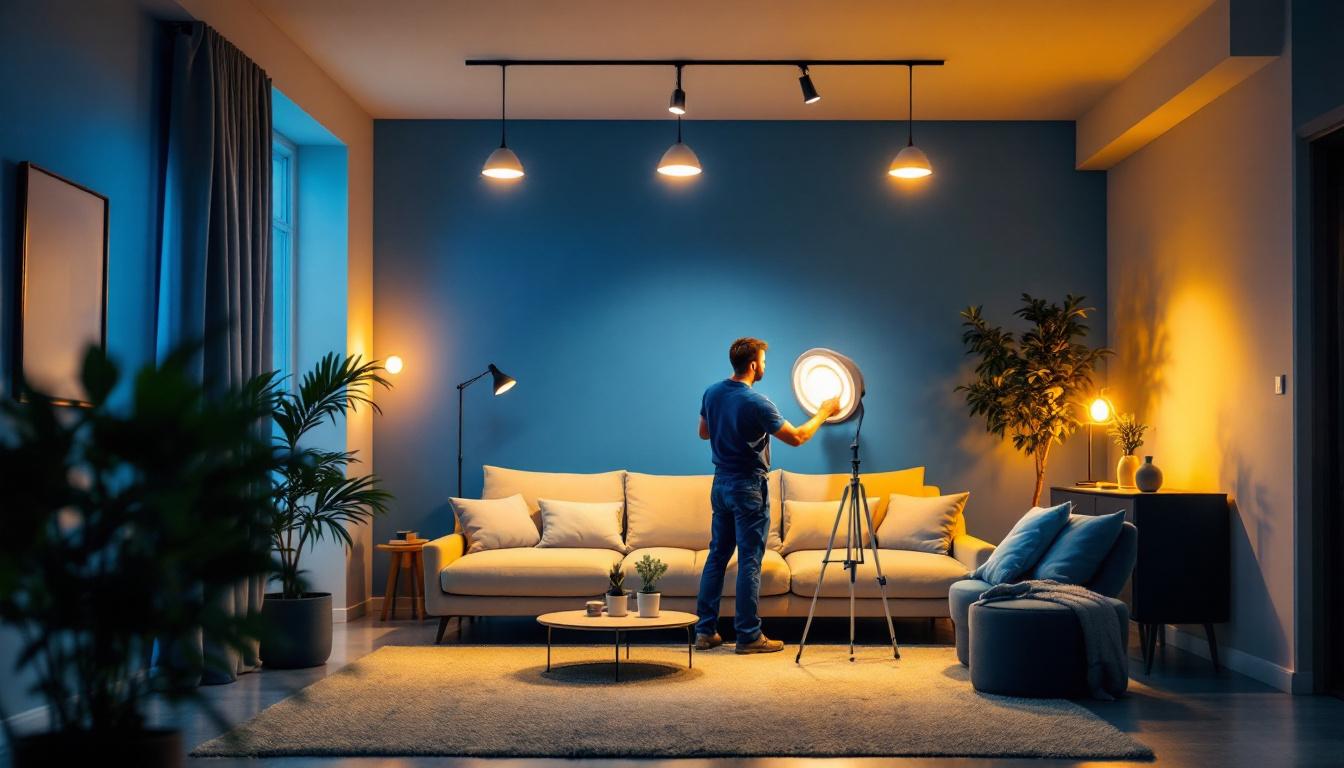
Lighting professionals play a crucial role in enhancing spaces through the strategic use of light. Whether working on residential, commercial, or industrial projects, having a comprehensive checklist can streamline the process and ensure that nothing is overlooked. This article provides an essential checklist for lighting professionals, focusing on various aspects of lighting design, installation, and maintenance.
Understanding the Basics of Lighting Design
Types of Lighting
Before diving into a project, it is essential to understand the different types of lighting. Generally, lighting can be categorized into three main types: ambient, task, and accent lighting. Each type serves a unique purpose and can significantly impact the overall aesthetic and functionality of a space.
Ambient lighting provides general illumination, creating a comfortable level of brightness throughout a room. Task lighting, on the other hand, is focused on specific areas to facilitate activities such as reading or cooking. Accent lighting adds drama and highlights particular features, such as artwork or architectural details. For instance, a well-placed spotlight can draw attention to a beautiful painting, while under-cabinet lights can illuminate countertops, making cooking safer and more enjoyable. Understanding how to blend these types effectively can transform a mundane space into a dynamic environment.
Understanding Color Temperature
Color temperature is another critical aspect of lighting design that professionals must consider. Measured in Kelvin (K), it influences the mood and ambiance of a space. Lower Kelvin values (2700K-3000K) produce a warm, cozy atmosphere, while higher values (4000K-5000K) create a cooler, more energetic environment.
Choosing the right color temperature is vital for achieving the desired effect in a space. For example, warm lighting is often preferred in residential settings, where comfort and relaxation are key, while cooler tones may be more suitable for office environments where focus and concentration are paramount. Moreover, the color rendering index (CRI) is another important factor to consider, as it measures how accurately a light source displays colors compared to natural light. A high CRI is essential in spaces where color accuracy is crucial, such as in art studios or retail environments.
Lighting Layout and Spacing
The layout and spacing of lighting fixtures can dramatically affect the quality of illumination in a space. A well-thought-out plan should consider the room’s dimensions, furniture placement, and the intended use of each area. Proper spacing ensures that light is distributed evenly, avoiding dark spots and overly bright areas.
Using tools such as lighting design software can aid in visualizing the layout and making necessary adjustments before installation. Additionally, consulting with clients to understand their preferences and requirements can lead to a more tailored lighting solution. It’s also worth noting that layering different types of lighting can enhance the overall design; for example, combining ambient lighting with strategically placed task and accent lights can create depth and dimension, making the space feel more inviting. Furthermore, dimmers can be incorporated to provide flexibility, allowing users to adjust the brightness according to the time of day or specific activities, thereby enhancing the functionality and comfort of the environment.
Choosing the Right Fixtures
Fixture Types
When selecting lighting fixtures, professionals must consider various types available on the market. From recessed lights and pendant fixtures to wall sconces and chandeliers, each type serves a specific purpose and can enhance the overall design of a space.
Recessed lights are ideal for creating a clean, modern look, while pendant fixtures can serve as statement pieces that draw attention. Wall sconces offer both functional and decorative benefits, providing additional layers of light without taking up valuable floor space.
Energy Efficiency Considerations
In today’s eco-conscious world, energy efficiency is a top priority for many clients. Lighting professionals should be knowledgeable about the latest energy-efficient technologies, including LED and CFL bulbs. These options not only reduce energy consumption but also have longer lifespans, resulting in lower maintenance costs over time.
When recommending fixtures, it’s essential to consider the Energy Star rating and other certifications that indicate energy efficiency. This not only helps clients save on energy bills but also contributes to a more sustainable environment.
Design Aesthetics
The aesthetic appeal of lighting fixtures should align with the overall design theme of the space. Whether the style is modern, traditional, or eclectic, the chosen fixtures should complement the existing decor. This consideration includes the materials, colors, and shapes of the fixtures.
Lighting professionals should stay informed about current design trends and be prepared to offer clients a variety of options that fit their vision. Customization options, such as finishes and sizes, can also enhance the uniqueness of the lighting design.
Installation Best Practices
Preparation and Planning
Proper preparation and planning are crucial for a successful lighting installation. Before beginning, professionals should conduct a thorough site assessment to identify any potential challenges, such as existing wiring, ceiling heights, and obstructions.
Creating a detailed installation plan, including timelines and responsibilities, can help ensure that the project runs smoothly. This plan should also incorporate safety measures to protect both the workers and the property during the installation process.
Wiring and Electrical Considerations
Understanding electrical systems is fundamental for lighting professionals. Proper wiring is essential for ensuring that fixtures operate safely and efficiently. Familiarity with local electrical codes and regulations is necessary to avoid compliance issues.
When installing fixtures, it is crucial to ensure that the wiring is adequately rated for the load and that all connections are secure. Utilizing junction boxes and following proper grounding techniques can prevent electrical hazards and ensure the longevity of the installation.
Testing and Adjustments
After installation, testing the lighting system is a vital step that should not be overlooked. This process involves checking each fixture to ensure it operates correctly and provides the intended illumination. Adjustments may be necessary to achieve the desired brightness and angle of light.
Clients should be involved in this testing phase to confirm that the lighting meets their expectations. Providing a walkthrough can also help educate clients about the system’s features and how to operate any smart lighting controls.
Maintenance and Troubleshooting
Regular Maintenance Practices
Maintaining lighting systems is essential for ensuring their longevity and performance. Regular cleaning of fixtures can prevent dust buildup, which can diminish light output and affect the overall aesthetic. Professionals should recommend a maintenance schedule to clients, outlining when to clean fixtures, replace bulbs, and check for any issues.
Additionally, inspecting wiring and connections periodically can help identify potential problems before they escalate. Keeping a maintenance log can also assist in tracking service history and future needs.
Troubleshooting Common Issues
Even with proper maintenance, issues may arise with lighting systems. Common problems include flickering lights, dimming, or complete fixture failure. Understanding the possible causes of these issues is vital for effective troubleshooting.
Flickering lights may indicate a loose connection or a problem with the bulb itself. Dim lights could be a sign of an overloaded circuit or an aging bulb. In cases of complete failure, checking the circuit breaker and ensuring that the fixture is receiving power is a good starting point.
Client Education
Educating clients about their lighting systems can empower them to manage minor issues independently and understand the importance of regular maintenance. Providing clear instructions on how to change bulbs, operate dimmers, or adjust smart lighting settings can enhance the client experience.
Offering resources, such as user manuals or online tutorials, can further support clients in maintaining their lighting systems effectively. This proactive approach can lead to increased satisfaction and potentially more referrals for future projects.
Staying Updated with Industry Trends
Continuing Education
The lighting industry is constantly evolving, with new technologies and design trends emerging regularly. Lighting professionals should prioritize continuing education to stay informed about the latest advancements. This can include attending workshops, webinars, or industry conferences.
Engaging with professional organizations and networking with peers can also provide valuable insights and resources. Staying updated not only enhances professional skills but also positions lighting contractors as knowledgeable experts in the field.
Incorporating Smart Technology
Smart lighting technology is becoming increasingly popular, allowing for greater control and customization of lighting systems. Professionals should familiarize themselves with smart lighting solutions, including apps and voice-activated systems, to offer clients modern options that enhance convenience and energy efficiency.
Integrating smart technology into lighting designs can also appeal to tech-savvy clients looking for innovative solutions. Understanding the compatibility of various systems and devices can ensure seamless integration and optimal performance.
Networking and Collaboration
Building relationships with other professionals in the industry can lead to collaboration opportunities and referrals. Lighting designers, architects, and interior designers often work together on projects, and establishing a network can enhance the overall quality of work.
Participating in local trade shows or industry events can facilitate connections and provide a platform for sharing ideas and experiences. Collaboration can lead to innovative solutions and a more comprehensive understanding of client needs.
Conclusion
For lighting professionals, having a comprehensive checklist is essential for delivering high-quality services and ensuring client satisfaction. From understanding the basics of lighting design to staying updated with industry trends, each aspect plays a vital role in the success of a project.
By following this essential checklist, lighting contractors can streamline their processes, enhance their skills, and ultimately provide exceptional lighting solutions that meet the diverse needs of their clients. Embracing the latest technologies and best practices will not only improve project outcomes but also contribute to a more sustainable and efficient future in lighting design.
Illuminate Your Projects with LumenWholesale
Ready to elevate your lighting projects with the highest quality fixtures at unbeatable prices? Look no further than LumenWholesale, where we provide spec-grade lighting products designed to meet the rigorous demands of any space. Say goodbye to local distributor markups and hello to superior lighting solutions that fit your budget. With our hassle-free bulk buying and free shipping, you can trust that you’re getting premium lighting at the best value — every time. Don’t compromise on quality or cost. Wholesale Lighting at the Best Value is just a click away. Experience the LumenWholesale difference today!