Understanding LED Tape Housing and Its Importance
LED tape lighting has become a staple in modern lighting design, offering flexibility, energy efficiency, and a sleek aesthetic. However, the tape itself is only part of the equation. The housing – the protective casing or channel that holds the LED tape – plays a crucial role in the performance, durability, and installation of the lighting system.
For lighting contractors, selecting the right LED tape housing isn’t just about aesthetics. It affects heat dissipation, longevity, ease of installation, and even the quality of light output. Neglecting this component can lead to premature failure, safety hazards, or unsatisfactory results that could impact client satisfaction and project reputation.
Why LED Tape Housing Matters
LED tapes generate heat during operation, and without proper housing, this heat can accumulate, reducing the lifespan of the LEDs. Housing acts as a heat sink, drawing heat away from the tape and maintaining optimal operating temperatures. This is especially critical in commercial or high-use environments where lighting runs for extended periods.
Additionally, housing protects the LED tape from dust, moisture, and physical damage. In environments like kitchens, bathrooms, or outdoor installations, this protection is vital to ensure safety and maintain performance over time.
Moreover, the design of the housing can greatly influence the overall aesthetic of the installation. Available in various materials such as aluminum, plastic, or even glass, the choice of housing can complement the surrounding decor while enhancing the visual appeal of the lighting. For instance, aluminum housings not only provide excellent heat dissipation but also offer a modern, sleek look that fits well in contemporary spaces. On the other hand, frosted or clear housings can diffuse light beautifully, creating a softer ambiance that is often desired in residential applications.
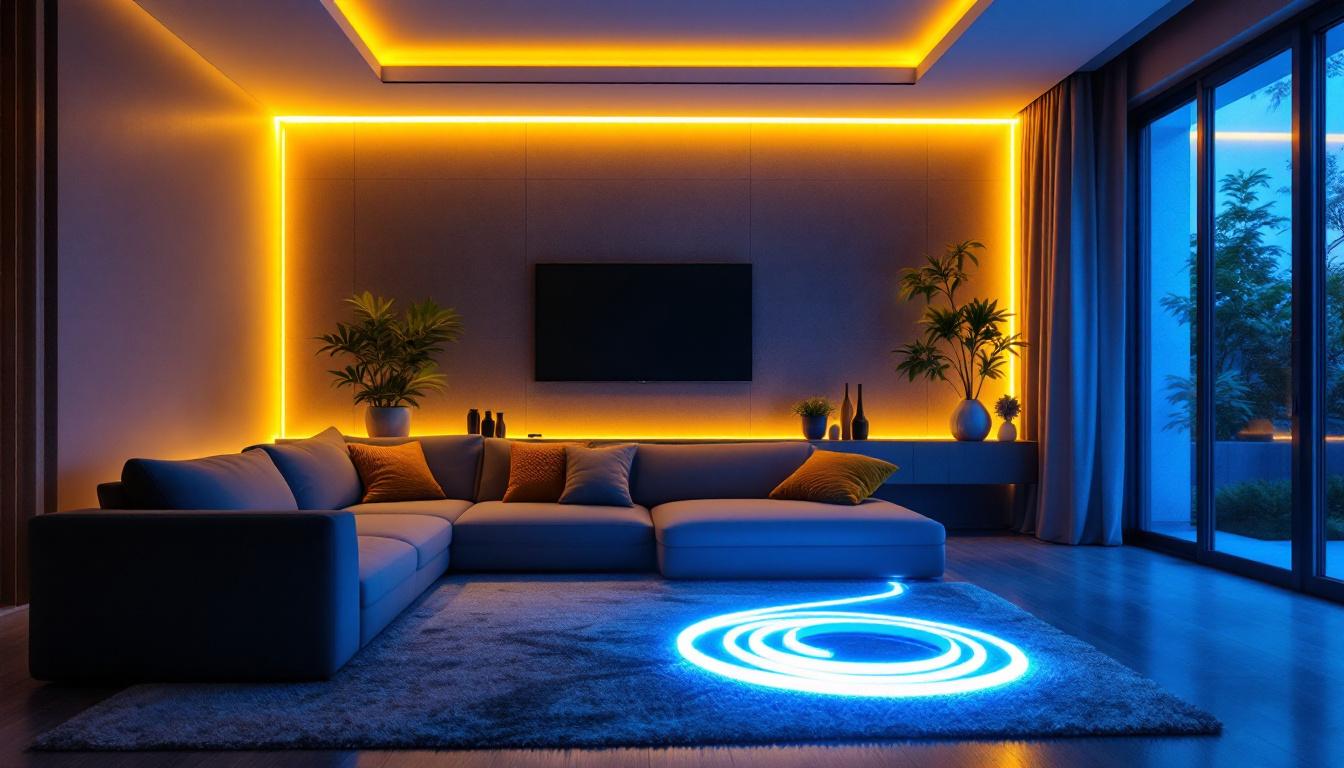
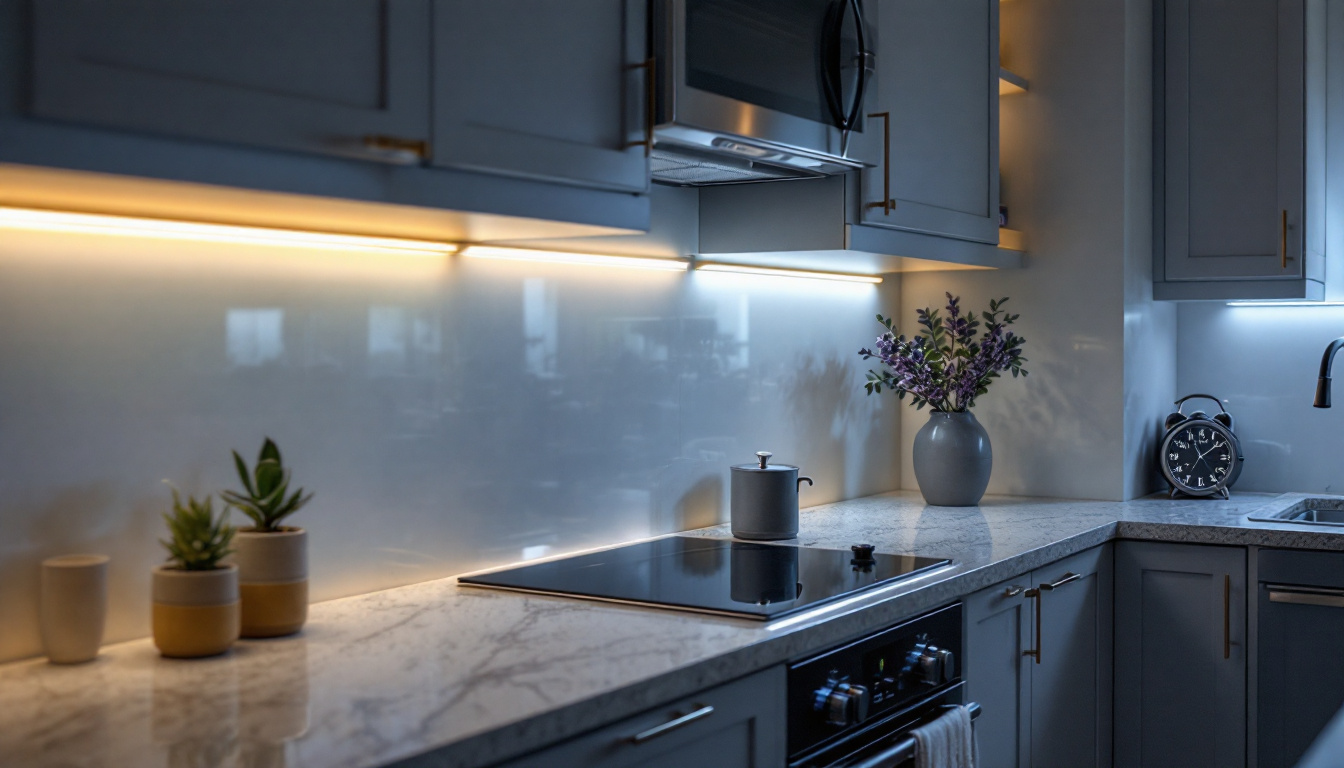
Furthermore, the versatility of LED tape housing allows for creative applications beyond traditional lighting. With the right housing, LED tape can be integrated into furniture, cabinetry, or architectural features, providing both functional and decorative lighting solutions. This adaptability opens up a world of design possibilities, enabling designers and contractors to push the boundaries of conventional lighting and create unique, customized environments that cater to the specific needs and tastes of their clients.
Key Factors When Choosing LED Tape Housing
Lighting contractors must consider several factors to select the right housing for each project. These include material, profile design, size compatibility, and installation method. Each factor influences the final outcome, both in terms of function and appearance.
Material Selection: Aluminum vs. Plastic
Aluminum is the most common material for LED tape housings due to its excellent thermal conductivity. It effectively dissipates heat, extending the life of the LED tape. Aluminum housings also tend to be more durable and provide a sleek, professional finish. Additionally, aluminum can be anodized or powder-coated, offering a variety of color options that can enhance the overall aesthetic of a space while maintaining functionality.
Plastic housings, while less effective at heat dissipation, can be useful in applications where heat is less of a concern or where cost constraints are significant. They are typically lighter and may offer more design flexibility but often lack the robustness and longevity of aluminum. Furthermore, advancements in plastic technology have led to the development of high-performance polymers that can withstand UV exposure and harsh environments, making them suitable for outdoor applications.
Profile Design and Light Diffusion
The profile of the housing affects both the installation and the lighting effect. Common profiles include surface-mounted channels, recessed channels, and corner profiles. Each serves different architectural needs and aesthetic goals. For instance, recessed channels provide a seamless look that integrates into ceilings or walls, while surface-mounted options can highlight architectural features or design elements.
Many housings come with diffusers—frosted or clear covers that soften and spread the light evenly. Diffusers reduce glare and hide the individual LED points, creating a more uniform light output. Choosing the right diffuser is essential for achieving the desired ambiance and avoiding harsh lighting. Moreover, the choice of diffuser can also impact the color temperature and intensity of the emitted light, allowing for customization based on the specific mood or function of the space.
Size and Compatibility
LED tapes come in various widths and thicknesses, so the housing must match these dimensions precisely. Ill-fitting housings can cause installation headaches or damage the tape. Contractors should verify tape dimensions and ensure the housing profile accommodates the tape comfortably, including any connectors or wiring. This attention to detail not only ensures a snug fit but also contributes to the longevity of the installation by preventing unnecessary wear and tear.
Some housings are designed to be modular or adjustable, allowing for flexibility in accommodating different tape sizes or configurations. This can be a valuable feature in projects with varying lighting needs. Furthermore, modular designs can facilitate future upgrades or expansions, making it easier to adapt to changing requirements without the need for complete replacements.
Installation Considerations
Ease of installation can save time and reduce labor costs. Housings with snap-on diffusers and pre-drilled mounting holes streamline the process. Some profiles include mounting brackets or adhesive backing for quick attachment. These features not only expedite installation but also enhance the overall reliability of the setup, ensuring that the housing remains securely in place over time.
Contractors should also consider accessibility for maintenance. Housings that allow easy removal of the LED tape or diffuser facilitate repairs and upgrades without extensive dismantling. Additionally, designs that incorporate service access points can significantly reduce downtime, allowing for quick inspections and replacements, which is especially beneficial in commercial settings where lighting is critical to operations. This foresight in design can lead to long-term satisfaction for both contractors and end-users, ensuring that the lighting system remains functional and visually appealing throughout its lifespan.
Environmental and Safety Factors
LED tape installations often face environmental challenges that can affect performance and safety. Understanding these factors helps contractors choose appropriate housings that meet regulatory standards and client expectations.
Water and Dust Resistance
In damp or dusty environments, housings with IP-rated seals are essential. IP65 or higher ratings indicate protection against water jets and dust ingress, making these housings suitable for outdoor or wet location installations.
Failing to use appropriate housings can lead to corrosion, electrical shorts, or complete failure of the lighting system. Ensuring proper sealing and protection safeguards both the installation and the end-users. Additionally, it is crucial to consider the placement of LED tape in relation to potential water sources, such as fountains or sprinklers, as even minor exposure can compromise the integrity of the lighting system. Regular maintenance checks can also help identify any wear or damage to the seals, ensuring long-lasting performance in challenging environments.
Fire Safety and Heat Management
Materials used in housings should comply with fire safety standards relevant to the installation site. Aluminum’s non-combustible nature is a significant advantage here. Additionally, proper heat management through housing design reduces the risk of overheating, which can be a fire hazard.
Moreover, the thermal conductivity of the housing material plays a pivotal role in dissipating heat generated by the LED tape. Using heat sinks or designing housings with adequate ventilation can further enhance heat dissipation, thereby prolonging the lifespan of the LEDs. It is also advisable to conduct thermal imaging assessments during installation to identify hotspots that may require additional cooling solutions. By proactively addressing these heat management issues, contractors can ensure a safer and more efficient lighting solution that meets both aesthetic and functional needs.
Practical Tips for Lighting Contractors
Beyond technical specifications, practical experience offers valuable insights for contractors working with LED tape housings.
Plan for Future Access
Design installations with maintenance in mind. Choose housings that allow easy access to LED tapes for replacement or troubleshooting. This foresight can save clients time and money down the line and enhances your reputation for quality workmanship.
Test Before Final Installation
Always test the LED tape within its housing before completing the installation. Check for heat buildup, light diffusion, and any physical fit issues. Early detection of problems prevents costly rework.
Coordinate with Other Trades
LED tape housing installations often intersect with carpentry, drywall, or cabinetry work. Coordinate closely with other trades to ensure housing profiles fit seamlessly within architectural elements and that wiring is properly routed.
Emerging Trends and Innovations
LED tape housing technology continues to evolve, offering new opportunities for lighting contractors to deliver cutting-edge solutions.
Smart Integration
Some housings now accommodate smart lighting components, such as sensors or controllers, enabling dynamic lighting effects and energy management. This integration adds value for clients seeking advanced lighting controls.
Customizable Profiles
Manufacturers increasingly offer customizable or extrudable profiles, allowing contractors to tailor housings to unique project requirements. This flexibility supports innovative designs and complex installations.
Eco-Friendly Materials
With sustainability becoming a priority, some housings are made from recycled or recyclable materials. Choosing eco-friendly options can appeal to environmentally conscious clients and comply with green building standards.
Conclusion
For lighting contractors, LED tape housing is more than a simple accessory-it’s a critical component that influences the success of every LED tape installation. Understanding the technical, environmental, and practical aspects of housing selection ensures installations that are safe, efficient, and visually impressive.
By focusing on material quality, profile design, compatibility, and installation ease, contractors can deliver lighting solutions that stand the test of time. Staying informed about emerging trends and innovations further enhances the ability to meet diverse client needs and maintain a competitive edge in the lighting industry.
Get Your Premium LED Tape Housing at LumenWholesale
Ready to elevate your lighting projects with the highest quality LED tape housing? Look no further than LumenWholesale. Our spec-grade lighting products are designed to meet the needs of the most discerning lighting contractors, offering superior performance without the premium price tag. With free shipping on bulk orders, you can stock up on the best lighting solutions and pass the savings on to your clients. Don’t compromise on quality or cost—choose LumenWholesale for Wholesale Lighting at the Best Value and make your next installation a shining success.