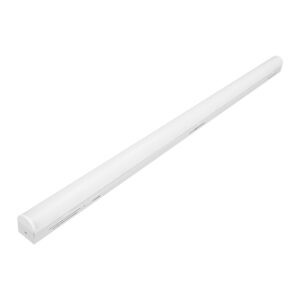
In the ever-evolving landscape of lighting technology, LED strip lights have emerged as a versatile and efficient solution for various applications. For lighting contractors, understanding the nuances of LED strip lights and their corresponding drivers is essential for maximizing profitability in installations. This article delves into the critical aspects of LED strip lights and drivers, offering insights that can enhance project outcomes and client satisfaction.
Understanding LED Strip Lights
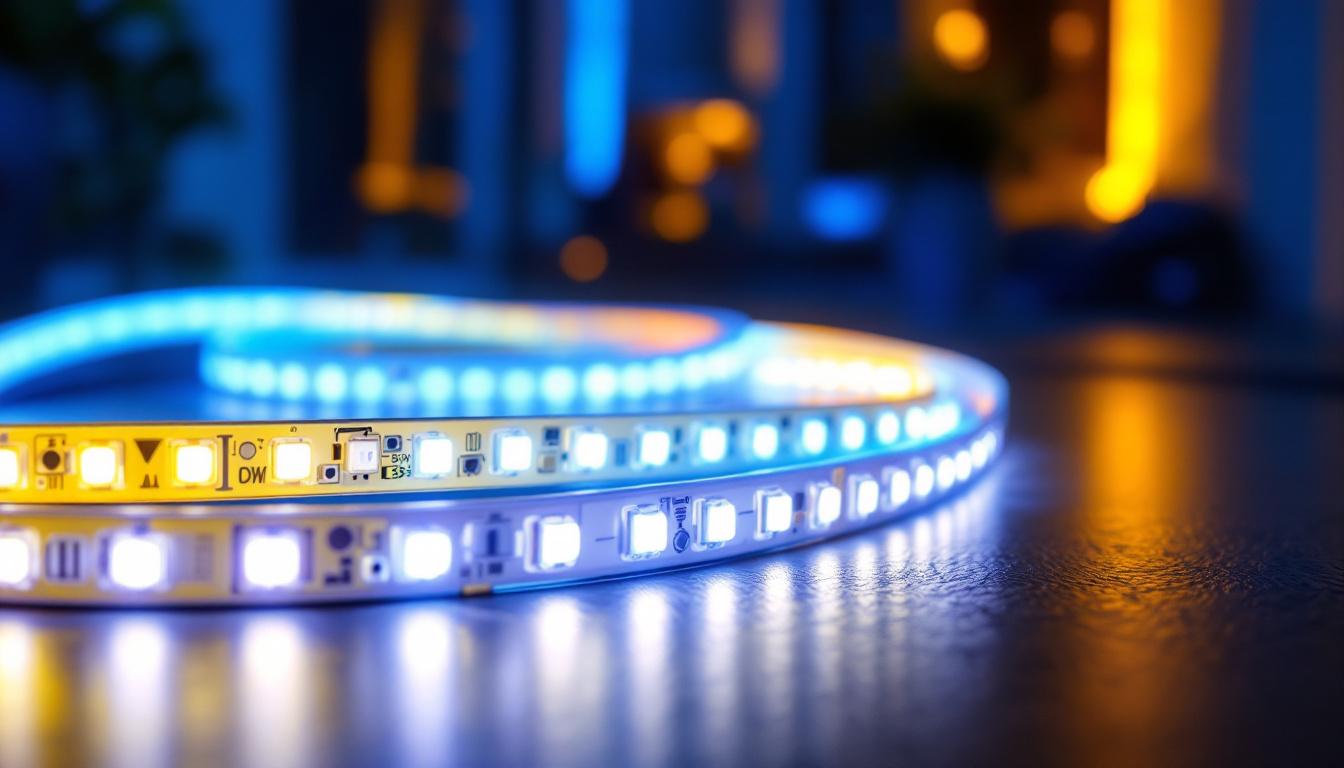
LED strip lights are flexible circuit boards populated with light-emitting diodes (LEDs). They are available in various lengths, colors, and brightness levels, making them suitable for a wide range of applications, from residential to commercial settings. Their adaptability and ease of installation have made them a popular choice among contractors.
Types of LED Strip Lights
There are several types of LED strip lights available in the market, each designed for specific applications. Some of the most common types include:
- Standard LED Strip Lights: Typically used for general lighting, these strips offer a balance between brightness and energy efficiency.
- RGB LED Strip Lights: These strips can produce a wide spectrum of colors, making them ideal for decorative lighting and mood settings.
- High-Output LED Strip Lights: Designed for applications requiring higher brightness, these strips are perfect for task lighting and commercial environments.
Benefits of Using LED Strip Lights
The advantages of LED strip lights are numerous and significant. They are energy-efficient, consuming less power compared to traditional lighting solutions. This efficiency not only reduces electricity bills but also contributes to a lower carbon footprint.
Moreover, LED strip lights have a longer lifespan, which translates to fewer replacements and lower maintenance costs. Their flexibility allows for creative installations, enabling contractors to meet diverse client needs effectively.
In addition to their practical benefits, LED strip lights also offer a unique aesthetic appeal. They can be easily integrated into various design schemes, whether it’s under-cabinet lighting in kitchens, accent lighting in living rooms, or even illuminating pathways in outdoor settings. The ability to dim or change colors with RGB options adds an extra layer of customization, allowing users to create the perfect ambiance for any occasion.
Furthermore, many LED strip lights are now equipped with smart technology, enabling users to control them via smartphone apps or voice commands. This advancement not only enhances convenience but also allows for programmable lighting schedules, making it easier to manage energy consumption and adapt lighting to suit different activities throughout the day. As technology continues to evolve, the potential applications for LED strip lights are expanding, making them an even more compelling choice for modern lighting solutions.
The Role of LED Drivers
While LED strip lights are a vital component of modern lighting solutions, the role of LED drivers cannot be overlooked. These drivers regulate the power supplied to the LED strips, ensuring optimal performance and longevity. Without a properly functioning driver, even the highest quality LED strips can underperform, leading to inconsistent lighting and potential damage over time.
Types of LED Drivers
LED drivers come in various forms, each suited for different applications. The primary types include:
- Constant Current Drivers: These drivers provide a steady current to the LEDs, ensuring consistent brightness and color output. They are particularly beneficial in applications where color accuracy is critical, such as in art galleries or retail spaces.
- Constant Voltage Drivers: Designed to supply a fixed voltage, these drivers are commonly used with LED strip lights that require a specific voltage input. They are versatile and can be used in a variety of setups, making them a popular choice for residential and commercial installations alike.
- Dimmable Drivers: These drivers allow for adjustable brightness levels, providing flexibility in lighting design and enhancing user experience. Dimmable drivers can create different moods and atmospheres, making them ideal for spaces that require variable lighting, such as restaurants or theaters.
Importance of Selecting the Right Driver
Choosing the correct LED driver is crucial for the success of any lighting installation. An incompatible driver can lead to issues such as flickering, reduced lifespan of the LEDs, or even complete failure of the lighting system. Contractors must ensure that the driver matches the specifications of the LED strip lights being used, taking into account factors like voltage, current, and wattage ratings.
Additionally, the driver should be capable of handling the total wattage of the LED strips to prevent overheating and ensure safety. Proper selection not only enhances the performance of the lighting system but also ensures client satisfaction and reduces the likelihood of callbacks. Moreover, understanding the environmental conditions where the LED drivers will be installed is essential. For instance, drivers used in outdoor settings must be weatherproof and able to withstand temperature fluctuations, while those in indoor applications may prioritize energy efficiency and compact design. This attention to detail can significantly impact the overall effectiveness and reliability of the lighting solution.
Maximizing Profitability Through Efficient Installation
For lighting contractors, efficiency in installation processes can significantly impact profitability. By understanding the intricacies of LED strip lights and drivers, contractors can streamline their operations and enhance project outcomes.
Planning and Design Considerations
Effective planning is the cornerstone of a successful lighting installation. Contractors should begin by assessing the specific needs of the client and the intended use of the space. This includes determining the required brightness levels, color temperatures, and the type of LED strip lights that will best suit the application.
Designing a layout that maximizes the effectiveness of the LED strips is also essential. This may involve strategic placement to reduce shadows, enhance aesthetics, and ensure even distribution of light. Utilizing software tools for lighting design can help visualize the final outcome and facilitate better decision-making. Additionally, engaging clients in the design process can foster a collaborative atmosphere, allowing for adjustments based on their preferences and feedback, which can ultimately lead to higher satisfaction and potential referrals.
Streamlining Installation Processes
Once the planning phase is complete, contractors should focus on streamlining the installation process. This can be achieved by organizing materials and tools beforehand, ensuring that the installation team is well-trained in handling LED strip lights and drivers, and following a systematic approach to installation.
Moreover, utilizing pre-cut LED strips and standardized connectors can save time and reduce the risk of errors during installation. By minimizing downtime and maximizing efficiency, contractors can enhance their profitability on each project. Furthermore, implementing a checklist system for installation tasks can help ensure that all steps are followed meticulously, reducing the likelihood of costly mistakes. Regular team meetings to discuss challenges and share best practices can also contribute to a more cohesive and efficient working environment, ultimately leading to smoother project execution and increased profitability.
Enhancing Client Relationships
Building strong relationships with clients is vital for long-term success in the lighting industry. Providing exceptional service and demonstrating expertise in LED strip lights and drivers can set contractors apart from the competition.
Educating Clients
One effective way to enhance client relationships is through education. Many clients may not fully understand the benefits of LED technology or the importance of selecting the right components for their lighting installations. By taking the time to explain these aspects, contractors can empower clients to make informed decisions.
Offering insights into energy savings, maintenance requirements, and the long-term benefits of LED lighting can help clients appreciate the value of their investment. This not only fosters trust but also encourages referrals and repeat business.
Providing Ongoing Support
After the installation is complete, maintaining open lines of communication with clients is crucial. Providing ongoing support, such as troubleshooting assistance or maintenance tips, can enhance client satisfaction and loyalty.
Contractors can also consider offering service packages that include regular check-ups or upgrades for their lighting systems. This not only generates additional revenue but also reinforces the contractor’s commitment to quality service.
Staying Ahead of Industry Trends
The lighting industry is constantly evolving, with new technologies and trends emerging regularly. For contractors looking to maximize profitability, staying informed about these changes is essential.
Embracing Smart Lighting Solutions
Smart lighting solutions, which integrate LED technology with IoT (Internet of Things) capabilities, are gaining popularity. These systems allow for remote control, automation, and energy monitoring, providing added convenience and efficiency for clients.
Contractors who embrace smart lighting solutions can offer clients cutting-edge installations that enhance user experience and energy savings. Understanding how to integrate these technologies into existing systems can position contractors as leaders in the field.
Continuing Education and Training
Investing in ongoing education and training for staff is another way to stay competitive in the lighting industry. Workshops, certifications, and industry seminars can provide valuable insights into the latest technologies, installation techniques, and design trends.
By fostering a culture of learning within the organization, contractors can ensure that their teams are equipped with the knowledge and skills necessary to deliver high-quality installations that meet evolving client needs.
Conclusion
In conclusion, LED strip lights and drivers play a pivotal role in maximizing profitability for lighting contractors. By understanding the various types of LED strip lights, selecting the appropriate drivers, and streamlining installation processes, contractors can enhance project outcomes and client satisfaction.
Moreover, building strong client relationships through education and ongoing support, while staying ahead of industry trends, positions contractors for long-term success in a competitive market. Embracing these strategies not only leads to improved profitability but also contributes to a more sustainable and innovative lighting industry.
Start Your Profitable Lighting Journey with LumenWholesale
Ready to elevate your lighting installations with the best in LED strip lights and drivers? Look no further than LumenWholesale, where we provide contractors with exceptional, spec-grade lighting products at prices that can’t be beaten. Say goodbye to unnecessary markups and hello to a vast selection of premium lighting solutions that meet the highest industry standards. With free shipping on bulk orders, LumenWholesale is your go-to source for quality, affordability, and convenience. Don’t compromise on your lighting projects—choose Wholesale Lighting at the Best Value and make every installation a shining success.