Understanding the Growing Demand for LED Strip Lighting
The lighting industry is undergoing a significant transformation, with LED technology leading the way. Among the various LED solutions available, LED strip lights have emerged as a versatile and highly sought-after option. For lighting contractors, mastering LED strip light design is no longer optional—it’s essential to staying competitive and securing more contracts.
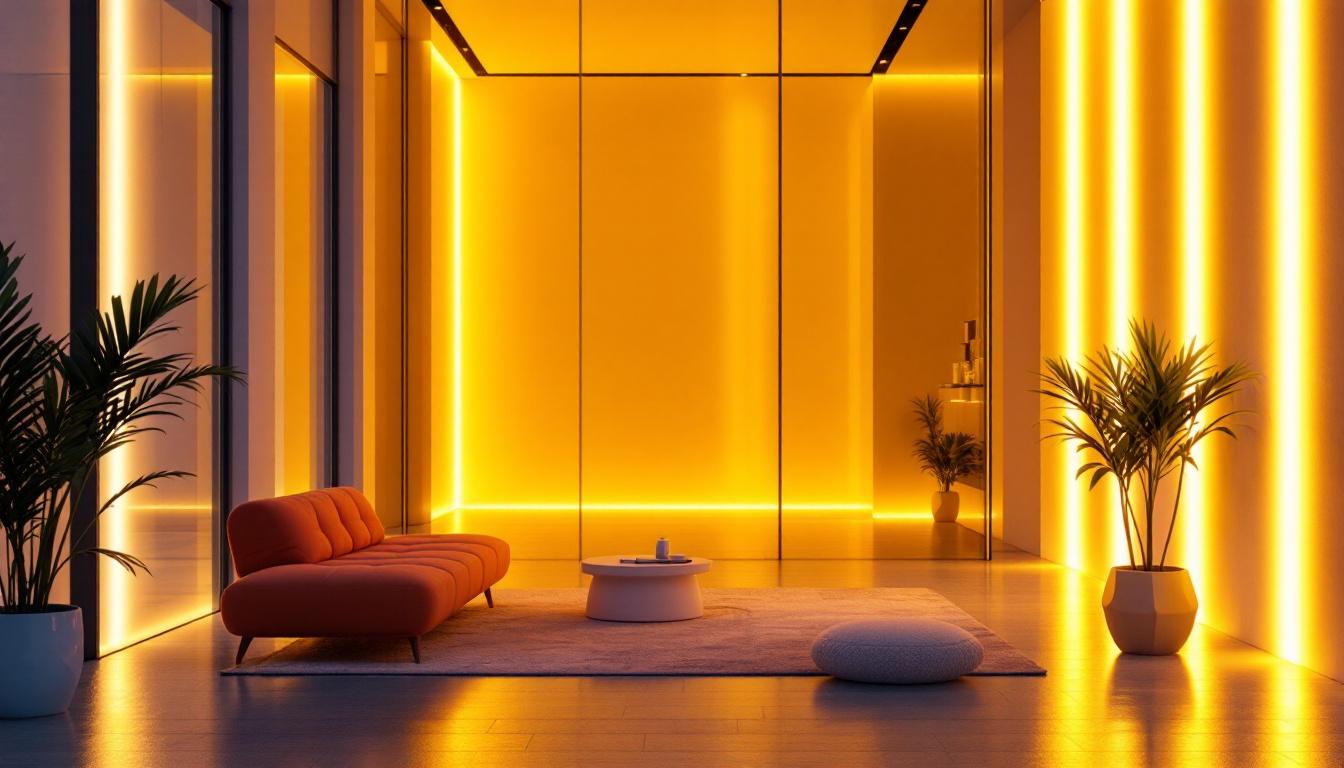
LED strip lights offer unparalleled flexibility in design, energy efficiency, and cost-effectiveness. Their ability to fit into tight spaces, provide customizable lighting effects, and integrate with smart controls makes them ideal for a wide range of applications—from residential and commercial to hospitality and retail environments. As clients increasingly prioritize sustainability and innovative lighting solutions, contractors who can expertly design with LED strips position themselves as leaders in the field.
Moreover, the adaptability of LED strip lighting extends beyond mere aesthetics; it also plays a crucial role in enhancing functionality. For instance, in commercial settings, these lights can be used to highlight merchandise, create ambiance, or even guide customers through a space with strategic illumination. In residential applications, homeowners can utilize LED strips to accentuate architectural features, such as under-cabinet lighting in kitchens or backlighting for televisions, creating a cozy and inviting atmosphere. This versatility not only meets the diverse needs of clients but also opens up new avenues for contractors to showcase their creativity and technical skills.
As technology continues to evolve, the integration of smart lighting systems with LED strip lights has further amplified their appeal. With the rise of IoT (Internet of Things), homeowners and businesses can now control their lighting through mobile apps or voice-activated devices, allowing for a seamless and personalized experience. This trend not only enhances convenience but also promotes energy savings, as users can easily adjust their lighting based on their preferences or occupancy levels. As a result, contractors who stay abreast of these advancements and incorporate smart technology into their LED strip designs will undoubtedly attract a tech-savvy clientele eager for modern solutions.
The Advantages of LED Strip Lights in Contract Bidding
Energy Efficiency and Cost Savings
Energy efficiency is a critical factor for clients when selecting lighting solutions. LED strip lights consume significantly less power compared to traditional incandescent or fluorescent lighting, often using up to 75% less energy. This translates directly into lower operational costs for building owners and tenants, making LED strips a compelling selling point during contract negotiations.
Moreover, the long lifespan of LED strip lights—often exceeding 50,000 hours—reduces maintenance expenses. Fewer replacements mean less disruption and lower labor costs, further enhancing the value proposition for clients. Lighting contractors who highlight these benefits in their proposals demonstrate a clear understanding of client priorities and offer tangible financial advantages. In addition, the lower heat output of LED strip lights minimizes the need for additional cooling, which can be particularly beneficial in warmer climates or in spaces with high lighting demands, further contributing to overall energy savings.
Design Flexibility and Aesthetic Appeal
LED strip lights are available in various color temperatures, brightness levels, and form factors, allowing contractors to tailor lighting designs to specific project requirements. Their slim and flexible nature enables installation in locations where traditional fixtures cannot fit, such as under cabinets, coves, or architectural details.
Additionally, the ability to incorporate RGB and tunable white LED strips offers dynamic lighting options that can change ambiance and mood. This versatility appeals to clients seeking innovative and visually striking solutions, especially in hospitality and retail sectors where atmosphere plays a crucial role. Furthermore, the integration of smart technology with LED strip lights allows for advanced control options, such as remote dimming, scheduling, and even integration with home automation systems. This not only enhances user experience but also positions contractors as forward-thinking professionals who can meet the demands of modern design and functionality.
Key Elements of Successful LED Strip Light Design
Accurate Planning and Layout
Effective LED strip light design begins with meticulous planning. Contractors must conduct thorough site assessments to understand spatial constraints, power availability, and lighting goals. Mapping out the exact length and placement of LED strips ensures optimal illumination and prevents issues such as uneven lighting or excessive brightness.
Utilizing design software that supports LED strip layouts can greatly enhance accuracy. These tools allow contractors to simulate lighting effects, calculate power requirements, and visualize the final outcome. Presenting clients with detailed renderings and lighting plans builds confidence and facilitates smoother project approvals. Additionally, considering the architectural features and the intended use of the space can influence the design. For instance, in a retail environment, strategic placement of LED strips can highlight merchandise and create an inviting atmosphere, while in residential settings, they can be used to enhance the ambiance of living areas or provide functional lighting in kitchens and workspaces.
Choosing the Right LED Strip Specifications
Not all LED strips are created equal. Selecting the appropriate type involves considering factors such as brightness (measured in lumens per foot), color temperature, IP rating for moisture resistance, and dimming compatibility. For example, outdoor or wet area installations require strips with higher IP ratings to ensure durability.
Furthermore, understanding the electrical characteristics, including voltage and current requirements, is essential to prevent overloading circuits and ensure safety. Partnering with reputable LED manufacturers and suppliers guarantees access to high-quality products that meet industry standards. It’s also important to consider the color rendering index (CRI) of the LED strips, as a higher CRI means colors appear more vibrant and true to life. This is particularly crucial in settings like art galleries or photography studios, where accurate color representation is key. Additionally, exploring options for customizable colors or RGB strips can provide versatility for dynamic lighting effects, catering to various moods and occasions.
Power Supply and Control Integration
Power management is a critical component of LED strip light design. Contractors must calculate total wattage to select suitable power supplies that provide stable and efficient energy delivery. Incorporating power supplies with built-in protections against voltage fluctuations and short circuits enhances system reliability.
Integrating control systems—such as dimmers, motion sensors, or smart home automation—adds value by enabling clients to customize lighting scenes and improve energy management. Familiarity with various control protocols and compatibility considerations is vital for seamless integration. Moreover, the use of wireless control options can significantly enhance user convenience, allowing clients to manage their lighting systems remotely via smartphones or tablets. This not only streamlines the user experience but also opens up possibilities for energy savings through automation, such as scheduling lights to turn off when spaces are unoccupied. As the demand for energy-efficient solutions continues to grow, incorporating such smart technologies becomes increasingly essential in modern LED strip light design.
Leveraging LED Strip Lighting to Differentiate Your Contract Proposals
Demonstrating Technical Expertise
Clients seek contractors who not only deliver but also innovate. Showcasing advanced knowledge of LED strip light design signals professionalism and builds trust. Including detailed technical documentation, case studies, and examples of previous successful installations can set your proposals apart.
Additionally, offering design consultations and mock-ups demonstrates a commitment to client satisfaction. This proactive approach often leads to stronger client relationships and repeat business.
Emphasizing Sustainability and Compliance
Environmental responsibility is increasingly influencing purchasing decisions. LED strip lights contribute to green building certifications such as LEED by reducing energy consumption and minimizing waste. Highlighting these benefits aligns your proposals with broader sustainability goals.
Moreover, ensuring compliance with local electrical codes and safety standards is non-negotiable. Contractors who prioritize regulatory adherence reduce project risks and enhance their reputation for reliability.
Providing Comprehensive After-Sales Support
Winning a contract is only the first step; maintaining client satisfaction through ongoing support is equally important. Offering warranties, maintenance services, and troubleshooting assistance for LED strip lighting systems reassures clients of your commitment to quality.
Establishing clear communication channels and response protocols for post-installation issues can differentiate your business in a competitive market.
Practical Tips for Implementing LED Strip Light Designs
Optimize Installation Techniques
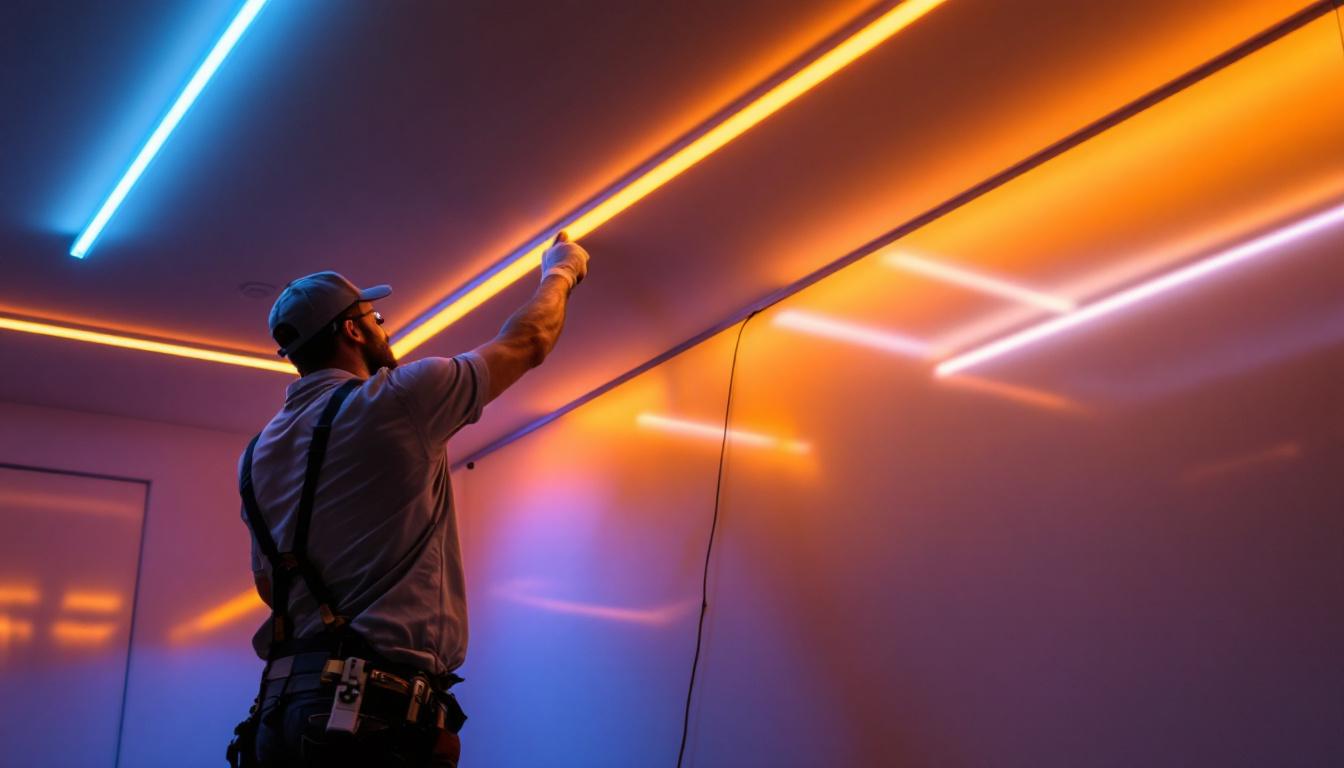
Proper installation is crucial for maximizing the performance and longevity of LED strip lights. Use appropriate mounting accessories such as aluminum channels and diffusers to enhance heat dissipation and create a polished appearance.
Ensure all connections are secure and waterproofed when necessary, especially in outdoor or damp environments. Training installation teams on best practices reduces errors and callbacks.
Stay Updated with Industry Trends and Innovations
The LED lighting market evolves rapidly, with continuous advancements in chip technology, control systems, and materials. Staying informed through industry publications, trade shows, and manufacturer updates enables contractors to offer cutting-edge solutions.
Adapting to trends such as human-centric lighting, circadian rhythm support, and IoT integration can open new business opportunities and meet emerging client demands.
Collaborate with Designers and Architects
Successful lighting projects often result from close collaboration between contractors, designers, and architects. Engaging early in the design process allows for better integration of LED strip lighting concepts and ensures that aesthetic and functional goals are aligned.
Providing expert input on lighting feasibility and cost implications helps streamline project workflows and enhances overall outcomes.
Conclusion: LED Strip Light Design as a Strategic Advantage
For lighting contractors, mastering LED strip light design is a powerful strategy to win more contracts and grow their business. The combination of energy efficiency, design flexibility, and technological innovation makes LED strips a preferred choice for diverse applications.
By focusing on meticulous planning, technical expertise, sustainability, and client support, contractors can differentiate themselves in a competitive market. Embracing LED strip lighting not only meets current client expectations but also positions contractors at the forefront of the lighting industry’s future.
Illuminate Your Projects with LumenWholesale
Ready to elevate your lighting designs and outshine the competition? At LumenWholesale, we provide the cutting-edge LED strip lights you need to create stunning, energy-efficient installations that will win you more contracts. Our commitment to quality, affordability, and convenience ensures you have access to the best spec-grade lighting products at wholesale prices, with the added benefit of free shipping on bulk orders. Don’t let inflated markups dim your project’s potential. Choose LumenWholesale for superior lighting solutions that make a difference. Discover wholesale lighting at the best value today and light up your business’s future.