Why LED Lighting is a Game Changer for Tennis Courts
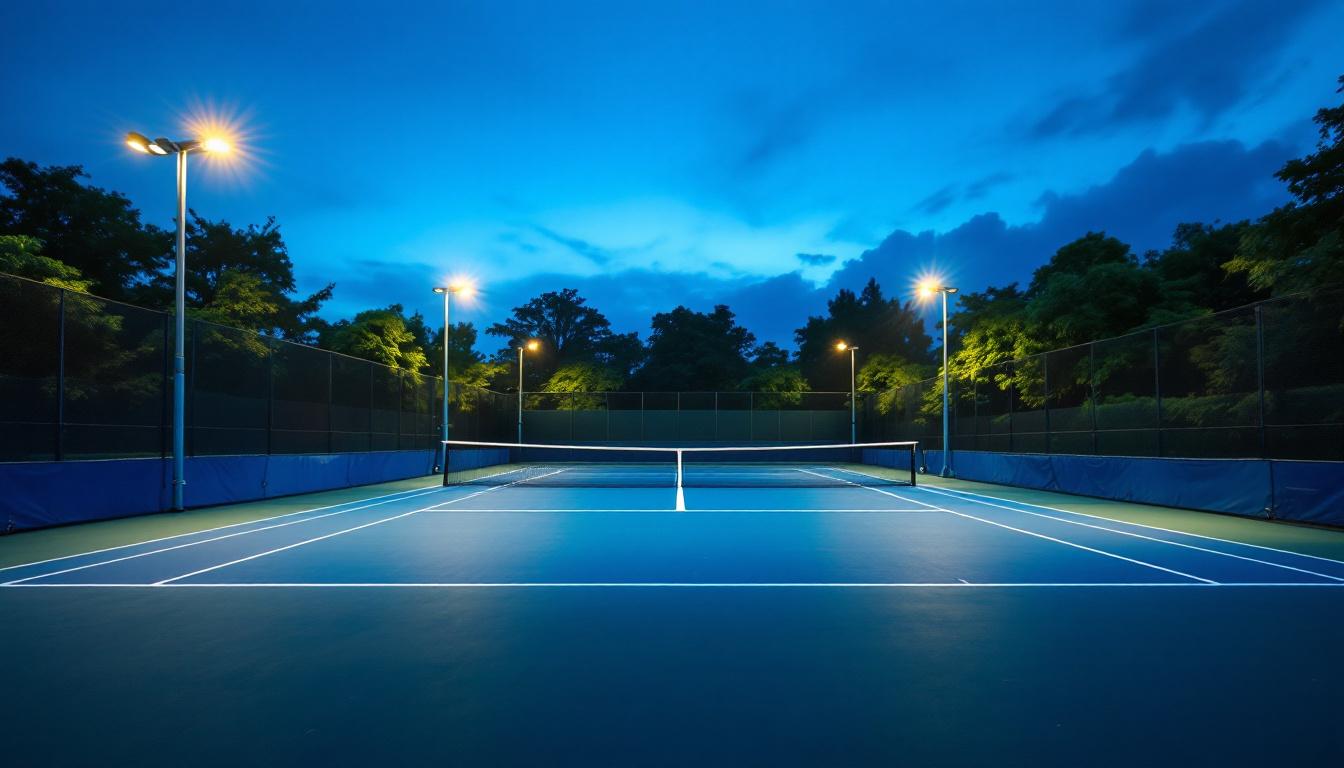
Tennis courts demand precise lighting to ensure players can track fast-moving balls and maintain peak performance. Traditional lighting systems, often relying on metal halide or high-pressure sodium lamps, have long been the standard. However, LED technology has rapidly transformed the landscape, offering unmatched energy efficiency, longer lifespans, and superior light quality.
For lighting contractors, understanding the nuances of LED lighting for tennis courts is crucial. Unlike general outdoor lighting, tennis court illumination requires specific attention to uniformity, glare control, and color rendering. LEDs provide a level of control and customization that older technologies simply can’t match.
Energy savings alone can reduce operational costs by up to 60%, a compelling reason for facility managers to upgrade. But beyond savings, LEDs offer instant-on capabilities, eliminating warm-up times and enabling flexible scheduling. This is particularly important for courts used in community centers or clubs with variable play hours.
Furthermore, the environmental benefits of LED lighting cannot be overlooked. By consuming significantly less energy and having a longer lifespan, LEDs contribute to a reduction in carbon footprint, making them a more sustainable choice for tennis facilities. This aligns with the growing trend among sports organizations to adopt eco-friendly practices, appealing to environmentally conscious players and spectators alike. Many facilities are now able to market themselves as green venues, attracting events that prioritize sustainability.
Another noteworthy advantage of LED lighting is its ability to enhance the overall playing experience. The high color rendering index (CRI) of LED lights means that colors appear more vibrant and true to life, which can help players better judge the speed and spin of the ball. This improvement in visibility not only aids in performance but also enhances the enjoyment of the game for both players and spectators. Additionally, with advancements in smart lighting technology, courts can now be equipped with systems that adjust brightness based on the time of day or weather conditions, ensuring optimal playing conditions at all times.
Key Lighting Standards and Guidelines for Tennis Courts
Illuminance Levels and Uniformity
One of the most critical factors in tennis court lighting is achieving the right illuminance-measured in lux. The International Tennis Federation (ITF) and various sports lighting standards recommend different lux levels depending on the level of play. Recreational courts typically require around 200 lux, while professional or tournament courts need upwards of 500 lux for optimal visibility. This ensures that players can see the ball clearly, regardless of the time of day or weather conditions, thereby enhancing the overall quality of the game.
Uniformity is equally important. Uneven lighting can create distracting shadows and blind spots, impacting player performance and safety. Lighting contractors should aim for a uniformity ratio (minimum to average illuminance) of at least 0.6 on the court surface. This ensures consistent visibility across the entire playing area. Achieving this uniformity often involves strategic placement of fixtures and careful consideration of the court’s dimensions and surrounding environment, which can significantly influence how light is distributed.
Glare Control and Light Spill
Glare can be a major issue in tennis court lighting, especially when players look up for high balls or serves. LED fixtures with well-designed optics help minimize direct glare by controlling beam angles and using shielding techniques. Contractors should specify fixtures with cut-off angles that prevent light from shining directly into players’ eyes. This is particularly crucial during evening matches, where the contrast between the bright court and the surrounding darkness can exacerbate glare issues.
Light spill beyond the court boundaries can disturb neighbors and waste energy. Proper aiming, shielding, and fixture placement are essential to contain light within the court area. This is especially important in residential or urban settings where light pollution regulations may apply. Additionally, implementing timers and motion sensors can further reduce unnecessary light usage, promoting energy efficiency while maintaining compliance with local regulations.
Color Temperature and Color Rendering
Color temperature affects how natural the lighting appears. For tennis courts, a neutral white light between 4000K and 5000K is ideal. This range balances visibility and comfort, reducing eye strain during extended play sessions. Players often report that lighting in this spectrum allows them to maintain focus and enhances their overall performance, as it closely mimics natural daylight conditions.
Color rendering index (CRI) measures how accurately colors appear under artificial light. A CRI of 70 or higher is recommended for tennis courts to ensure players can distinguish ball colors and court markings clearly. High CRI lighting not only benefits players but also enhances the viewing experience for spectators, allowing them to appreciate the vibrancy of the game. Furthermore, advancements in LED technology have led to the development of fixtures that offer even higher CRI values, providing an opportunity for facilities to invest in lighting that elevates both play and viewing experiences significantly.
Design Considerations for LED Tennis Court Lighting
Fixture Selection and Placement
Choosing the right LED fixture goes beyond wattage and lumens. Lighting contractors must consider optics, mounting height, and beam distribution. Fixtures with narrow beam angles (around 20° to 40°) help focus light on the court, while wider beams can cause unwanted spill.
Mounting height typically ranges from 30 to 40 feet for standard tennis courts. This height allows for broad coverage and reduces glare. Fixtures should be positioned to avoid direct line-of-sight exposure to players, often placed on poles along the sidelines and ends of the court.
Control Systems and Dimming
Advanced control systems enhance the versatility of LED lighting installations. Dimming capabilities allow courts to adjust lighting levels based on use, saving energy during low-activity periods. Motion sensors and timers can automate operations, reducing manual intervention.
Integrating smart controls also supports maintenance by providing real-time monitoring of fixture performance and energy consumption. This proactive approach helps contractors and facility managers address issues before they impact play.
Thermal Management and Durability
LEDs generate less heat than traditional lamps, but proper thermal management remains essential for longevity and performance. Fixtures designed with efficient heat sinks and ventilation prevent overheating, which can degrade LEDs over time.
Tennis court lighting fixtures must withstand outdoor conditions including moisture, dust, and temperature fluctuations. Look for fixtures with high IP ratings (IP65 or above) and robust construction materials to ensure durability.
Installation Best Practices for Lighting Contractors
Site Assessment and Layout Planning
Before installation, conduct a thorough site assessment. Measure court dimensions, identify potential obstructions, and evaluate surrounding environments. This groundwork informs fixture placement and aiming strategies to meet lighting standards.
Using lighting design software can simulate light distribution and identify potential issues before physical installation. This reduces costly adjustments and ensures compliance with client expectations.
Precision in Mounting and Aiming
Accurate fixture mounting and aiming are vital. Even slight deviations can cause uneven lighting or glare. Use laser alignment tools and leveling equipment to achieve precise angles and heights.
Documenting fixture positions and aiming angles supports future maintenance and troubleshooting, providing a clear reference for adjustments or replacements.
Electrical and Safety Considerations
LED lighting systems require proper electrical infrastructure, including surge protection and grounding. Ensure compliance with local electrical codes and standards to guarantee safety and reliability.
Contractors should also plan for easy access to fixtures for maintenance, incorporating features like hinged poles or quick-release mounts where feasible.
Maintenance and Long-Term Performance
Routine Inspection and Cleaning
Outdoor tennis court lighting is exposed to dust, dirt, and environmental contaminants that can reduce light output over time. Regular cleaning of lenses and fixtures maintains optimal performance.
Schedule inspections to check for physical damage, corrosion, or loose connections. Early detection of issues prevents costly repairs and downtime.
LED Lifespan and Replacement Strategies
LEDs offer long lifespans, often exceeding 50,000 hours, but they do dim gradually. Monitoring light levels over time helps determine when replacements or upgrades are necessary.
Modular fixture designs simplify component replacement, reducing labor costs and minimizing court downtime. Contractors should advise clients on expected maintenance cycles and budget accordingly.
Upgrading Existing Installations
Many facilities seek to retrofit existing metal halide or sodium lighting with LEDs. Contractors must evaluate existing poles, wiring, and control systems to ensure compatibility.
Retrofitting can deliver immediate energy savings and improved light quality. However, it requires careful planning to avoid structural or electrical issues. Providing clients with comprehensive upgrade plans enhances trust and satisfaction.
Case Studies: Successful LED Tennis Court Lighting Projects
Community Sports Complex Upgrade
A mid-sized community sports complex replaced aging metal halide fixtures with LED lighting across six tennis courts. The project achieved a 65% reduction in energy consumption and improved uniformity ratios from 0.5 to 0.7. Players reported better visibility and reduced glare, enhancing the overall experience.
The contractor incorporated smart controls with dimming and scheduling, allowing the facility to tailor lighting for different events and practice sessions. Maintenance costs dropped significantly due to the LEDs’ longer lifespan and robust design.
Private Tennis Club Renovation
A private tennis club sought to modernize its lighting to meet tournament standards. The contractor designed a system delivering 600 lux average illuminance with a uniformity ratio above 0.75. High-CRI LEDs ensured true color representation for televised matches.
Special attention was given to glare control, using asymmetric optics and precise aiming. The upgrade attracted higher-profile tournaments and increased membership, demonstrating the value of investing in quality LED lighting.
Final Thoughts for Lighting Contractors
LED lighting for tennis courts is more than a trend-it’s a necessity for delivering superior play conditions, energy savings, and long-term reliability. Contractors who master the technical requirements and best practices position themselves as trusted partners in sports facility development and renovation.
Success lies in understanding the unique demands of tennis court illumination, from light levels and uniformity to glare control and fixture durability. Embracing advanced design tools, control systems, and maintenance strategies ensures installations that stand the test of time.
For contractors, investing in knowledge and quality components pays dividends in client satisfaction and project outcomes. LED tennis court lighting is a winning serve every time.
Illuminate Your Tennis Courts with LumenWholesale
Ready to elevate your tennis court projects with the best LED lighting solutions on the market? Look no further than LumenWholesale, where we provide contractors with the highest quality, spec-grade lighting products at unbeatable wholesale prices. Say goodbye to local distributor markups and hello to superior lighting that meets the most rigorous industry standards. With LumenWholesale, bulk buying is a breeze, thanks to our free shipping policy, ensuring you get premium lighting at the best value — all without hidden fees or compromises. Don’t miss out on the perfect combination of quality, affordability, and convenience. Make your next project a shining success and experience the LumenWholesale difference today by visiting our extensive selection at Wholesale Lighting at the Best Value.