In the realm of architectural design and functionality, stairwells often become an afterthought, particularly when it comes to lighting. While many lighting contractors focus on aesthetics and energy efficiency, there are several critical aspects of stairwell lighting that are frequently overlooked. This article delves into the nuances of LED lighting for stairwells, highlighting essential considerations that can enhance both safety and design.
The Importance of Proper Stairwell Lighting
Stairwells serve as vital transition spaces in both residential and commercial buildings. Proper lighting in these areas is not merely about visibility; it plays a crucial role in safety, accessibility, and overall ambiance. When lighting contractors neglect the specific needs of stairwell lighting, it can lead to inadequate illumination, which may result in accidents or a less inviting environment.
Safety First: Preventing Accidents
One of the primary functions of stairwell lighting is to ensure safety. Poorly lit stairwells can lead to slips, trips, and falls, which are among the most common accidents in both public and private spaces. To mitigate these risks, it is essential to choose LED lights that provide sufficient brightness and uniformity.
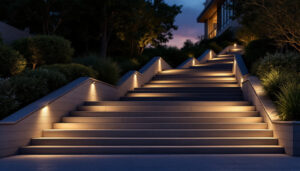
Lighting contractors should consider the placement of fixtures to eliminate dark spots. Installing lights at strategic intervals along the stairway can help maintain an even distribution of light, making it easier for individuals to navigate safely. Additionally, using motion sensors can enhance safety by ensuring that lights are activated when someone approaches the stairs, providing immediate illumination.
Beyond just the choice of fixtures, the color temperature of the lighting can also impact safety. Warmer light tones can create a more inviting atmosphere, while cooler tones can enhance alertness and visibility. By carefully selecting the appropriate color temperature, contractors can create a stairwell environment that not only feels safe but also encourages users to be more aware of their surroundings. Moreover, incorporating emergency lighting systems that activate during power outages is crucial for ensuring safety at all times, allowing individuals to navigate safely even in unexpected situations.
Accessibility Considerations
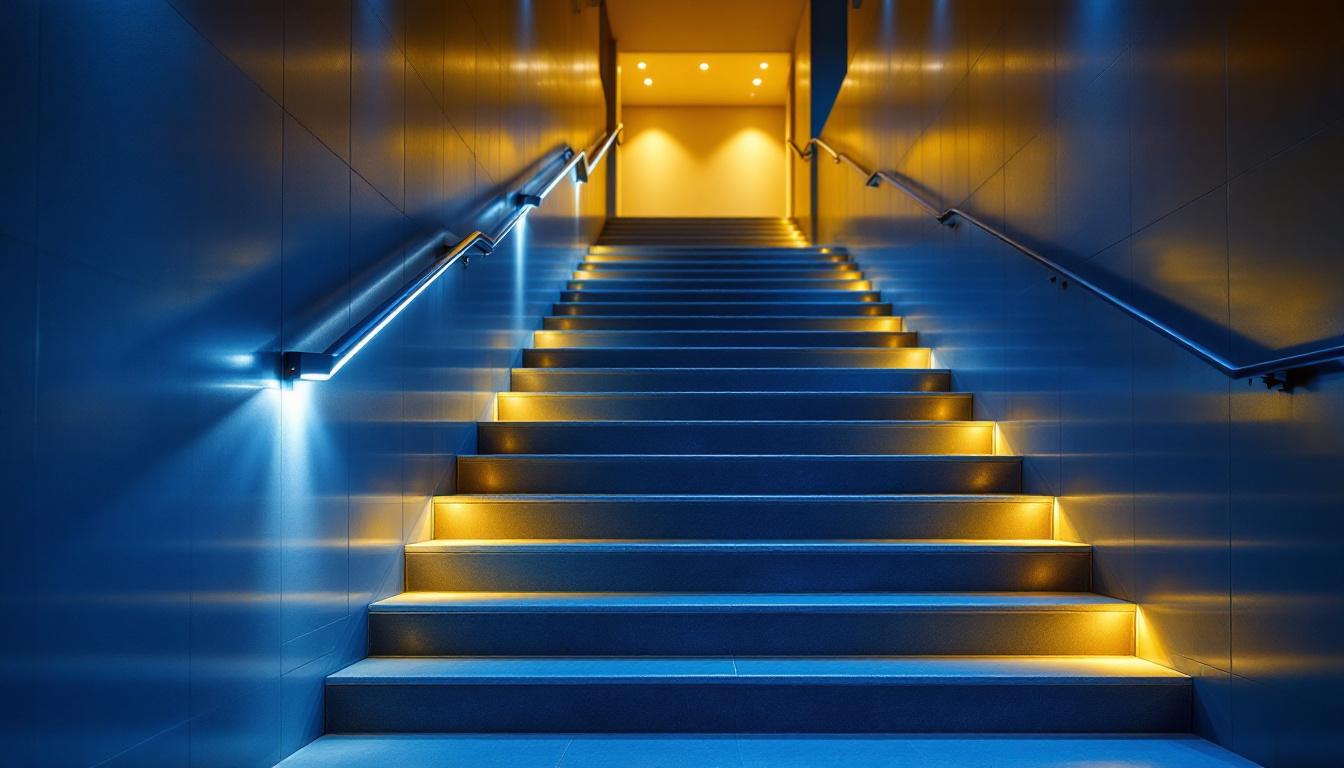
Accessibility is another critical factor that lighting contractors must consider when designing stairwell lighting. For individuals with disabilities or visual impairments, inadequate lighting can pose significant challenges. It is essential to incorporate features such as high-contrast lighting and illuminated handrails to assist those who may struggle with mobility or vision.
Furthermore, ensuring that lighting levels comply with local building codes and accessibility standards is vital. This not only enhances safety but also demonstrates a commitment to inclusivity within the design.
In addition to high-contrast lighting, the use of tactile indicators can further improve accessibility in stairwells. These indicators, which can be installed on the edges of steps or landings, provide a physical cue for individuals with visual impairments, alerting them to changes in elevation. Furthermore, the integration of smart lighting systems that can be adjusted based on user needs or preferences can greatly enhance the experience for all users. Such systems can allow for personalized lighting settings, catering to the unique requirements of different individuals, thereby fostering an inclusive environment that prioritizes safety and accessibility for everyone.
Choosing the Right LED Fixtures
With the growing popularity of LED technology, lighting contractors have a plethora of options to choose from. However, not all LED fixtures are created equal, and selecting the right ones for stairwells requires careful consideration of various factors.
Brightness and Color Temperature
Brightness is measured in lumens, and it is crucial to select LED fixtures that provide adequate illumination for stairwells. A common misconception is that brighter is always better; however, it is essential to strike a balance between brightness and comfort. Too much glare can be disorienting and uncomfortable for users.
Color temperature also plays a significant role in the overall feel of the stairwell. Warmer color temperatures (2700K to 3000K) can create a welcoming atmosphere, while cooler temperatures (4000K to 5000K) are often perceived as more clinical and can enhance visibility. Contractors should consider the intended use of the space when selecting color temperatures to ensure an appropriate ambiance. Additionally, it’s worth noting that the color rendering index (CRI) of the LED fixtures can impact how colors appear in the stairwell, which can be particularly important in commercial settings where accurate color perception is essential.
Fixture Types and Placement
The type of fixtures used in stairwell lighting can greatly influence both functionality and aesthetics. Recessed lighting, wall sconces, and pendant lights are popular choices, each offering unique benefits. Recessed lights provide a clean, unobtrusive look, while wall sconces can add character and warmth to the space.
Placement is equally important. Fixtures should be positioned to eliminate shadows and ensure even light distribution. Lighting contractors should also consider the height and angle of fixtures to avoid creating glare or blind spots. A well-thought-out lighting plan can transform a mundane stairwell into an inviting and safe passageway. Moreover, incorporating motion sensors can enhance energy efficiency by ensuring lights are only on when the stairwell is in use, which is particularly beneficial in low-traffic areas. This not only saves energy but also extends the lifespan of the fixtures, making it a smart choice for both the environment and budget-conscious clients.
Energy Efficiency and Sustainability
As energy efficiency becomes increasingly important in modern design, LED lights stand out as a sustainable choice for stairwell lighting. However, there are additional strategies that lighting contractors can implement to maximize energy savings.
Utilizing Smart Technology
Integrating smart technology into stairwell lighting can lead to significant energy savings. Motion sensors, timers, and dimmers can be employed to ensure that lights are only on when needed. For instance, stairwell lights can be programmed to dim when no movement is detected, reducing energy consumption without compromising safety.
Moreover, smart lighting systems can be controlled remotely, allowing for easy adjustments and monitoring. This flexibility not only enhances energy efficiency but also allows for customization based on user preferences and patterns.
Long-Term Cost Benefits
While the initial investment in LED technology and smart systems may be higher than traditional lighting options, the long-term cost benefits are undeniable. LEDs have a longer lifespan, reducing the frequency of replacements and associated maintenance costs. Additionally, the energy savings realized through efficient lighting can lead to substantial reductions in utility bills over time.
Lighting contractors should communicate these long-term advantages to clients, emphasizing the value of investing in quality, sustainable lighting solutions for stairwells.
Design Aesthetics: Blending Form and Function
While safety and efficiency are paramount, the aesthetic appeal of stairwell lighting should not be overlooked. A well-designed lighting scheme can enhance the architectural features of a stairwell, creating a visually pleasing environment that complements the overall design of the building.
Creating a Cohesive Design
When selecting fixtures for stairwell lighting, it is essential to consider how they fit within the broader design scheme of the space. Lighting contractors should aim for a cohesive look that aligns with the style and materials used throughout the building. For example, sleek, modern fixtures may be more appropriate for contemporary spaces, while ornate sconces may suit traditional designs.
Moreover, the use of color and texture can enhance the visual impact of stairwell lighting. Incorporating elements such as colored LED strips or textured glass can create stunning effects that elevate the overall design.
Highlighting Architectural Features
Stairwells often contain unique architectural features that can be accentuated through thoughtful lighting design. Using uplighting to highlight walls, artwork, or structural elements can create a dramatic effect and draw attention to these features. Additionally, backlighting can be employed to create a sense of depth and dimension.
By strategically placing lights to accentuate architectural details, lighting contractors can transform a simple stairwell into a focal point that enhances the overall aesthetic of the space.
Maintenance Considerations
Even the best lighting designs require ongoing maintenance to ensure optimal performance. Lighting contractors must consider the long-term upkeep of stairwell lighting solutions to avoid potential issues down the line.
Ease of Access for Maintenance
When designing stairwell lighting, it is crucial to consider how easily fixtures can be accessed for maintenance and replacement. Fixtures that are difficult to reach may lead to increased maintenance costs and inconvenience. Contractors should prioritize designs that allow for easy access, ensuring that bulbs can be replaced and fixtures cleaned without significant effort.
Additionally, selecting durable materials and finishes can reduce the frequency of maintenance required. For instance, choosing weather-resistant fixtures for outdoor stairwells can prevent corrosion and prolong the lifespan of the lighting system.
Regular Inspections and Upgrades
Regular inspections of stairwell lighting systems are essential to identify any issues before they escalate. Lighting contractors should recommend a maintenance schedule to clients, ensuring that lights are functioning correctly and that any necessary upgrades are made in a timely manner.
As technology continues to evolve, upgrading to newer, more efficient lighting solutions can further enhance safety and energy efficiency. Staying informed about advancements in LED technology and smart lighting systems will allow contractors to provide clients with the best possible solutions.
Conclusion: Elevating Stairwell Lighting Design
In conclusion, the importance of effective stairwell lighting cannot be overstated. Lighting contractors play a critical role in ensuring that these spaces are safe, accessible, and aesthetically pleasing. By considering factors such as safety, fixture selection, energy efficiency, design aesthetics, and maintenance, contractors can create lighting solutions that not only meet the functional needs of stairwells but also enhance the overall user experience.
As the industry continues to evolve, staying informed about the latest trends and technologies in lighting design will empower contractors to deliver exceptional results. By prioritizing the unique requirements of stairwell lighting, lighting contractors can elevate their projects and contribute to safer, more inviting environments for all.
Illuminate Your Projects with LumenWholesale
Ready to take your stairwell lighting projects to the next level? At LumenWholesale, we provide lighting contractors with the finest spec-grade LED lights that combine safety, efficiency, and design elegance. Our commitment to quality and affordability ensures that you can access the best lighting solutions at wholesale prices, with the added convenience of free shipping on bulk orders. Elevate your lighting designs and create inviting, secure environments with our premium products. Discover the ideal fusion of quality, value, and convenience at LumenWholesale – Wholesale Lighting at the Best Value.