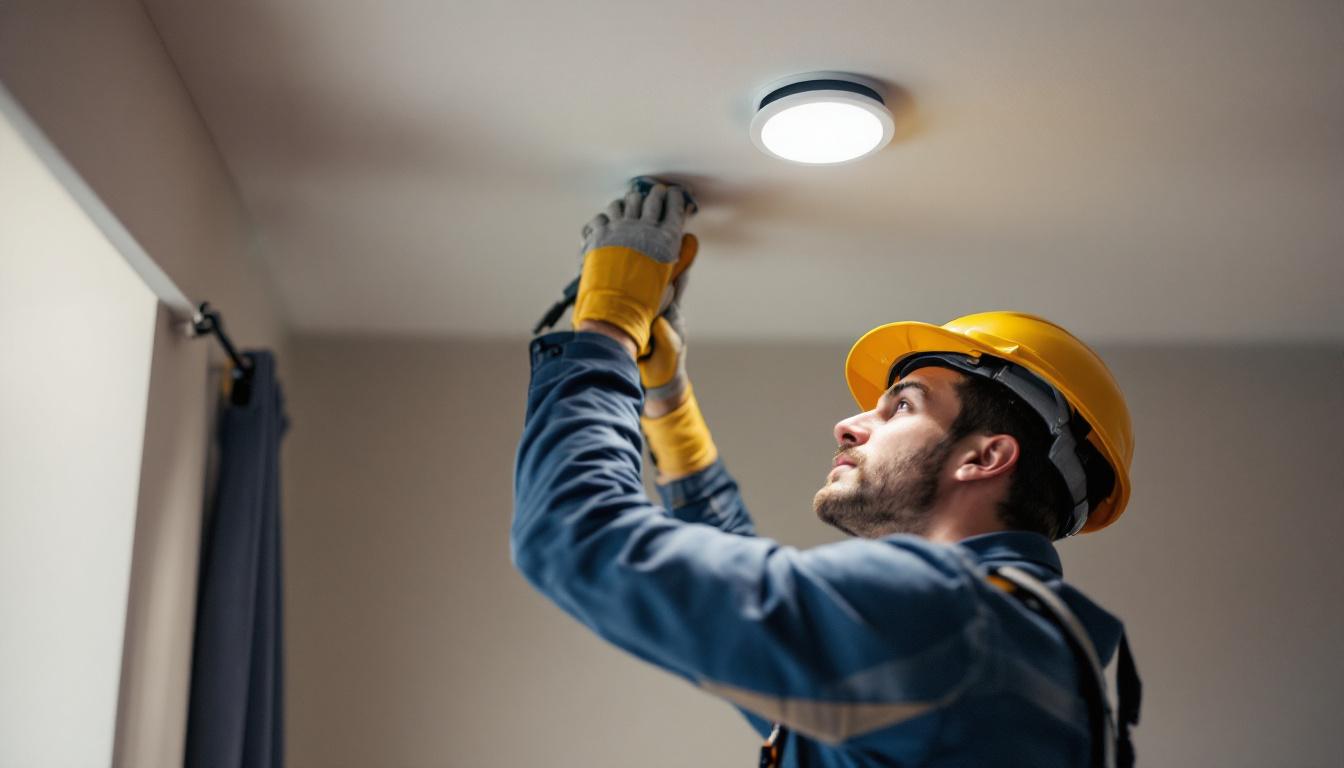
Introduction to LED Lighting for Outdoor Patios
Outdoor patio lighting has evolved significantly over the years, with LED technology emerging as a leading choice for both residential and commercial applications. For lighting contractors, understanding the nuances of LED lights for outside patios is crucial to delivering effective, energy-efficient, and aesthetically pleasing solutions to clients.
LED (Light Emitting Diode) lighting offers numerous advantages but also comes with certain challenges that contractors must consider. This comprehensive analysis will explore the pros and cons of LED patio lighting, helping professionals make informed decisions and provide expert guidance to their customers.
One of the most compelling benefits of LED lighting is its energy efficiency. Compared to traditional incandescent bulbs, LEDs consume significantly less power, which not only reduces electricity bills but also contributes to a more sustainable environment. Additionally, LED lights have a much longer lifespan, often lasting up to 25,000 hours or more. This longevity means that homeowners and businesses alike can enjoy reduced maintenance costs and less frequent replacements, making LED lighting a cost-effective choice in the long run.
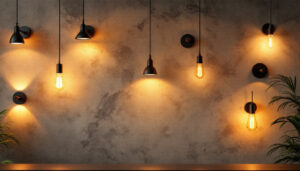
Moreover, the versatility of LED lighting allows for a wide range of design possibilities. From string lights that create a cozy atmosphere to spotlights that highlight architectural features, LEDs can be used in various configurations to enhance the outdoor space. With advancements in smart technology, many LED systems can now be controlled via mobile apps, allowing users to adjust brightness, color temperature, and even create dynamic lighting scenes that adapt to different occasions. This level of customization not only enhances the aesthetic appeal of patios but also provides functional lighting solutions for entertaining guests or enjoying quiet evenings outdoors.
“`html
The Advantages of LED Lights for Outside Patios
Energy Efficiency and Cost Savings
One of the most compelling reasons lighting contractors recommend LED lights for outdoor patios is their exceptional energy efficiency. LEDs consume significantly less electricity compared to traditional incandescent or halogen bulbs, often using up to 75% less energy. This efficiency translates directly into reduced utility bills for clients, which is a strong selling point.
Moreover, the long lifespan of LEDs—often exceeding 25,000 to 50,000 hours—means fewer replacements and lower maintenance costs. For contractors, this can be an attractive feature to highlight when proposing lighting solutions, especially for commercial clients who prioritize operational cost savings. In fact, many businesses have reported a noticeable decrease in their energy expenses after switching to LED lighting, allowing them to allocate those funds toward other important areas of their operations, such as staff training or community engagement initiatives.
Durability and Weather Resistance
Outdoor environments expose lighting fixtures to various elements such as rain, wind, dust, and temperature fluctuations. LED lights designed for outdoor use are typically housed in robust, weather-resistant casings that protect against moisture and corrosion. Many LED patio lights come with an IP65 rating or higher, indicating strong protection against water jets and dust ingress.
This durability reduces the likelihood of fixture failure and the need for frequent repairs, which can be a major advantage for contractors working in regions with harsh weather conditions. It also enhances client satisfaction by ensuring consistent performance throughout the year. Furthermore, the ability of LEDs to function effectively in extreme temperatures—both hot and cold—means that clients can enjoy their outdoor spaces year-round without worrying about their lighting systems failing during inclement weather.
Design Flexibility and Aesthetic Appeal
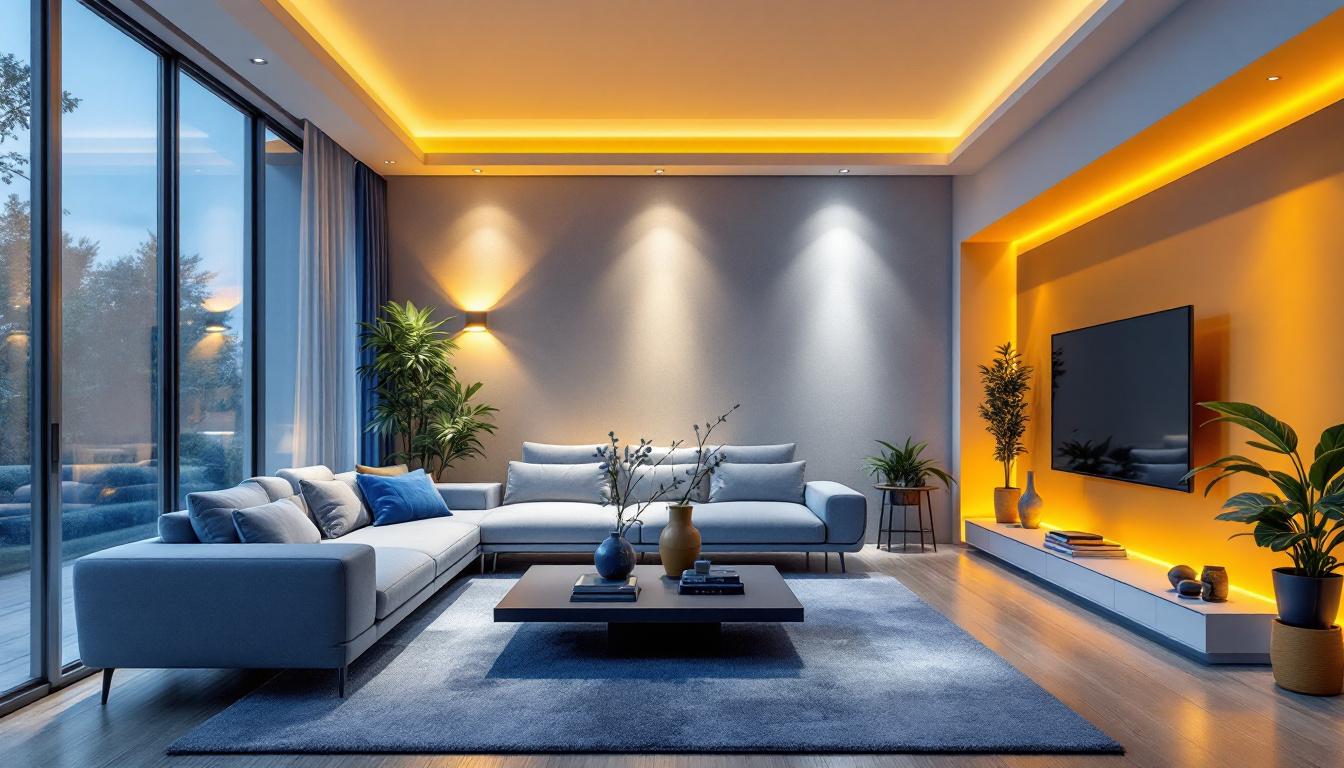
LED technology offers unparalleled versatility in terms of design and color options. Contractors can choose from a wide range of color temperatures—from warm white to cool white—and even RGB LEDs that allow for dynamic color changes. This flexibility enables the creation of customized lighting schemes that enhance the ambiance of patios, gardens, and outdoor entertainment areas.
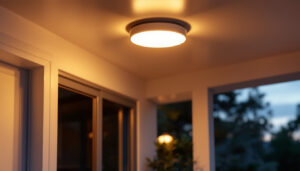
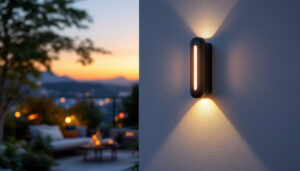
Additionally, LEDs can be integrated into various fixture styles, including recessed lights, string lights, bollards, and wall sconces. This adaptability allows contractors to meet diverse client preferences and architectural styles, making LED lighting a highly attractive option for outdoor spaces. The ability to create different lighting moods—from cozy and intimate to bright and vibrant—can transform an ordinary patio into an extraordinary gathering space, perfect for entertaining guests or enjoying quiet evenings under the stars.
Environmental Benefits
With increasing awareness of environmental sustainability, many clients seek eco-friendly lighting solutions. LEDs are free from hazardous materials like mercury, which are present in some traditional lighting options. They also produce less heat and reduce carbon footprints due to their energy efficiency.
For contractors, promoting LED patio lighting as a green alternative can align with clients’ environmental values and contribute to broader sustainability goals. This can be particularly relevant for municipal projects or eco-conscious homeowners. Additionally, the reduced energy consumption associated with LEDs contributes to lower greenhouse gas emissions, making them an ideal choice for those looking to make a positive impact on the environment. As more communities strive for greener initiatives, the demand for sustainable lighting solutions like LEDs is likely to grow, presenting contractors with a unique opportunity to lead the way in eco-friendly lighting design.
“`
The Challenges and Limitations of LED Patio Lighting
Initial Installation Costs
Despite the long-term savings, the upfront cost of LED lighting fixtures and installation can be higher than traditional lighting options. High-quality LED fixtures designed for outdoor use often come at a premium price, which can be a barrier for budget-conscious clients.
Lighting contractors need to be prepared to justify these initial expenses by emphasizing the total cost of ownership, including energy savings and reduced maintenance. Offering financing options or phased installation plans can also help mitigate client concerns about upfront costs.
Compatibility and Retrofit Challenges
When replacing existing outdoor lighting with LEDs, contractors may encounter compatibility issues. Older fixtures or wiring systems might not support LED technology without modifications. For example, some LED bulbs require specific drivers or transformers, and mismatched components can lead to flickering or reduced performance.
Contractors must conduct thorough site assessments and ensure that all components are compatible. In some cases, complete fixture replacement may be necessary, which can increase labor and material costs.
Light Quality and Color Rendering
While LED technology has advanced significantly, some LEDs may still fall short in terms of color rendering compared to incandescent or halogen bulbs. Color Rendering Index (CRI) is a key metric that measures how accurately a light source reveals the colors of objects.
For outdoor patios, where ambiance and visual appeal are important, selecting LEDs with a high CRI (typically above 80) is essential. Contractors must educate clients on the importance of light quality and avoid low-quality LEDs that could produce harsh or unnatural lighting effects.
Potential for Glare and Light Pollution
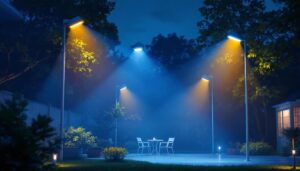
Improperly designed or installed LED patio lighting can cause glare, which may be uncomfortable for users and neighbors. Additionally, excessive or poorly directed lighting contributes to light pollution, which can disrupt local ecosystems and detract from the natural night environment.
Lighting contractors should prioritize fixtures with appropriate shielding and recommend lighting layouts that minimize glare and light trespass. Incorporating dimmers and motion sensors can further optimize lighting control and reduce unnecessary illumination.
Best Practices for Lighting Contractors When Installing LED Patio Lights
Conduct Comprehensive Site Evaluations
Before recommending LED lighting solutions, contractors should perform detailed assessments of the outdoor space, considering factors such as patio size, existing electrical infrastructure, and client usage patterns. Understanding the environment helps in selecting the right fixtures, wattages, and control systems.
Site evaluations also allow contractors to identify potential challenges, such as moisture-prone areas or obstructions, ensuring the chosen LED products are suitable and durable.
Educate Clients on Benefits and Limitations
Transparent communication about the advantages and potential drawbacks of LED patio lighting builds trust and helps manage client expectations. Providing data on energy savings, maintenance intervals, and environmental impact can support the decision-making process.
Additionally, discussing installation costs and possible retrofit requirements upfront prevents surprises and fosters smoother project execution.
Prioritize Quality and Certification
Contractors should source LED fixtures from reputable manufacturers that comply with industry standards and certifications, such as UL listing or DLC (DesignLights Consortium) qualification. Certified products are more likely to deliver reliable performance and meet safety requirements.
Investing in high-quality components reduces the risk of premature failures and enhances overall client satisfaction.
Incorporate Smart Lighting Controls
Integrating smart controls such as dimmers, timers, and motion sensors can significantly enhance the functionality and energy efficiency of LED patio lighting. These features allow clients to customize lighting based on usage patterns and ambient conditions.
Smart controls also appeal to tech-savvy customers and can differentiate a contractor’s service offering in a competitive market.
Conclusion: Balancing Pros and Cons for Optimal Outcomes
LED lights for outside patios represent a transformative opportunity for lighting contractors to deliver superior lighting solutions that combine energy efficiency, durability, and aesthetic versatility. While the initial investment and technical considerations require careful planning and expertise, the long-term benefits for clients are substantial.
By understanding the strengths and limitations of LED patio lighting, contractors can tailor their recommendations to meet specific project needs and client preferences. Emphasizing quality, proper installation, and smart controls ensures that LED lighting installations not only enhance outdoor spaces but also provide lasting value.
Ultimately, the growing demand for sustainable and customizable outdoor lighting makes LED technology an essential tool in the lighting contractor’s repertoire, enabling them to stay ahead in a dynamic industry.
“`html
Illuminate Your Projects with LumenWholesale
Ready to elevate your outdoor patio projects with the most efficient, durable, and aesthetically pleasing LED lighting solutions? Look no further than LumenWholesale, where we offer spec-grade lighting products at unbeatable wholesale prices. Say goodbye to inflated markups and hello to a vast selection of industry-standard lighting that promises reliability and high performance. Take advantage of our hassle-free bulk buying options with free shipping and ensure your clients enjoy premium lighting at the best value. Don’t compromise on quality or affordability. Visit LumenWholesale now to find the perfect lighting solutions for your next project.
“`