Understanding the Science Behind LED Grow Lights
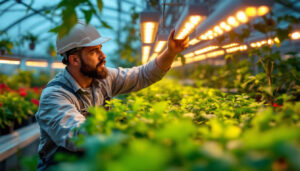
Lighting contractors stepping into the realm of horticultural lighting must first grasp the fundamental science behind plant growth and how LED technology fits into this equation. Plants rely heavily on light for photosynthesis, the process that converts light energy into chemical energy to fuel growth. However, not all light is created equal. The quality, intensity, and spectrum of light profoundly influence how plants develop.
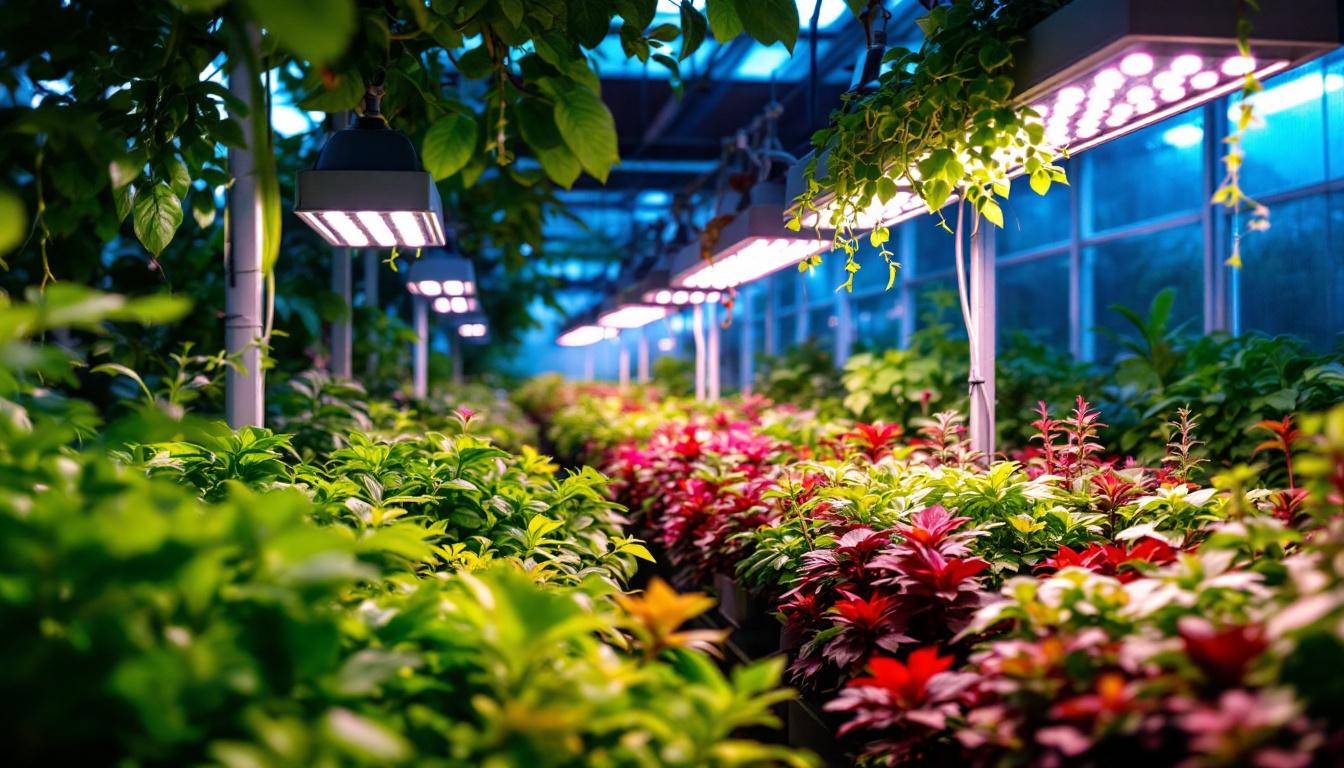
LEDs (Light Emitting Diodes) offer a unique advantage because they can be engineered to emit specific wavelengths tailored to plant needs. Unlike traditional lighting such as high-pressure sodium (HPS) or fluorescent bulbs, LEDs can target the red and blue spectra, which are most critical for photosynthesis. Red light encourages flowering and fruiting, while blue light supports vegetative growth and leaf development.
For lighting contractors, understanding these spectral nuances is essential. A grow light with a balanced red-to-blue ratio can optimize plant health and yield. Additionally, LEDs produce less heat, reducing the risk of plant stress and allowing fixtures to be placed closer to the canopy, maximizing light absorption.
Moreover, the versatility of LED grow lights extends beyond just the red and blue wavelengths. Many advanced LED systems incorporate full-spectrum capabilities, which mimic natural sunlight and provide a broader range of wavelengths, including green and ultraviolet light. This full-spectrum approach not only enhances photosynthesis but also promotes overall plant vitality, leading to stronger stems and healthier foliage. Furthermore, the ability to customize light schedules and intensities through programmable controls allows growers to simulate seasonal changes, which can be particularly beneficial for indoor gardening or greenhouse applications.
Another significant advantage of LED grow lights is their energy efficiency. Compared to traditional lighting solutions, LEDs consume significantly less power while delivering the same or even greater light output. This efficiency translates into lower operational costs and a reduced carbon footprint, making them an environmentally friendly choice for both commercial and hobbyist growers. As the horticultural industry continues to evolve, the adoption of LED technology is becoming increasingly vital, not only for enhancing plant growth but also for promoting sustainable practices in agriculture.
Choosing the Right LED Fixtures for Different Plant Types
Tailoring Light to Plant Species
Different plants have varying light requirements. Leafy greens like lettuce and spinach thrive under higher blue light ratios to promote lush, compact growth. Fruiting plants such as tomatoes and peppers benefit from increased red light to stimulate flowering and fruit development. Lighting contractors must assess the crop type before recommending or installing LED systems.
For example, a vertical farm growing microgreens will prioritize uniformity and intensity at close range, often using dense arrays of lower-wattage LEDs. In contrast, a greenhouse supplementing natural sunlight for fruiting crops might opt for higher-powered fixtures with adjustable spectrums to complement ambient conditions. Additionally, the timing of light exposure plays a crucial role in plant health; understanding the photoperiod requirements of different species can help optimize growth cycles. Some plants, like cannabis, require specific light schedules to trigger flowering, while others may thrive under continuous light. Therefore, tailoring the light schedule alongside the spectrum can significantly enhance yield and quality.
Fixture Types and Their Applications
LED grow lights come in various forms—panels, bars, bulbs, and strips. Panels are versatile and widely used for both small-scale and commercial operations. Bars and strips are excellent for narrow spaces or to supplement existing lighting. Bulbs, while less common for large setups, can be useful for hobbyists or specific growth stages. Each fixture type has its unique advantages; for instance, panels can cover larger areas with even light distribution, while bars can be strategically placed to target specific plants or sections of a grow area.
Lighting contractors should consider factors like footprint coverage, mounting options, and ease of maintenance. Modular systems that allow spectrum tuning and dimming offer greater flexibility, enabling growers to adapt lighting as plants progress through growth stages. Moreover, integrating smart technology can further enhance these systems, allowing for remote monitoring and adjustments based on real-time data. This capability can be particularly beneficial in large-scale operations where consistency and precision are paramount. As the industry evolves, the trend towards energy-efficient solutions and sustainable practices continues to shape the development of LED technology, making it essential for growers to stay informed about the latest advancements.
Installation Best Practices for Optimal Plant Growth
Positioning and Distance
Correct fixture placement is critical. LEDs should be installed at distances that maximize light penetration without causing photoinhibition or heat stress. Typically, this ranges from 12 to 24 inches above the canopy, but it varies with fixture intensity and plant tolerance. Understanding the specific light requirements of different plant species can further refine placement strategies, ensuring that each plant receives the optimal spectrum and intensity for its growth stage.
Lighting contractors must also ensure even light distribution to prevent uneven growth patterns. Using reflectors or diffusers can help spread light more uniformly. In multi-tiered setups, spacing between shelves must accommodate both light intensity and airflow to maintain plant health. Additionally, incorporating adjustable mounting systems can allow for easy repositioning of fixtures as plants grow, thus maintaining the ideal distance and maximizing light exposure throughout the plant lifecycle. Regular monitoring and adjustments can lead to significantly improved yields and healthier plants.
Electrical and Environmental Considerations
LED systems require proper electrical infrastructure to handle load and ensure safety. Contractors should verify voltage compatibility and use quality drivers to prevent flickering and premature failure. Integrating timers and dimmers allows precise control over photoperiods, which influence flowering cycles. Moreover, implementing smart technology can enhance control over lighting conditions, enabling growers to automate adjustments based on real-time data, such as plant growth stages and environmental changes.
Environmental factors like humidity and temperature also affect LED performance and plant response. Ensuring fixtures are rated for damp or wet locations is essential in greenhouse or indoor grow environments. Proper ventilation around fixtures prevents overheating, extending both LED lifespan and plant viability. Additionally, monitoring humidity levels is crucial; too much moisture can lead to mold growth, while too little can stress plants. Utilizing hygrometers and thermostats can help maintain optimal conditions, ensuring that both the plants and the lighting systems operate efficiently. By addressing these environmental considerations, growers can create a more stable and productive growing environment, ultimately leading to healthier plants and higher yields.
Energy Efficiency and Cost Management
One of the biggest selling points of LED grow lights is their energy efficiency. Compared to traditional lighting, LEDs consume significantly less power while delivering equal or superior photosynthetic photon flux density (PPFD). This translates into lower electricity bills and reduced cooling costs, critical for commercial growers aiming to optimize operational expenses.
Lighting contractors should educate clients on the long-term savings associated with LED investments. Though upfront costs may be higher, the durability and efficiency of LEDs often yield a return on investment within a few growing cycles. Additionally, many regions offer incentives or rebates for energy-efficient lighting installations, which can offset initial expenses.
Advanced Techniques: Spectrum Control and Automation
Dynamic Spectrum Adjustment
Modern LED systems increasingly incorporate spectrum tunability, allowing growers to adjust light wavelengths during different growth stages. For example, boosting blue light during early vegetative phases and increasing red light during flowering can enhance crop quality and yield.
Lighting contractors should familiarize themselves with these technologies to offer tailored solutions. Programmable drivers and smart controls enable growers to automate spectrum shifts, reducing manual intervention and improving consistency.
Integration with Environmental Controls
Automation extends beyond lighting. Integrating LED systems with environmental sensors and climate control can create a holistic growth environment. For instance, light intensity can be modulated based on ambient light levels, or photoperiods can be synchronized with humidity and temperature controls to optimize plant stress responses.
Contractors who can implement these integrated systems position themselves as valuable partners in the horticultural industry, delivering not just lighting but comprehensive growth solutions.
Common Challenges and How to Overcome Them
Addressing Heat and Light Stress
Although LEDs generate less heat than traditional bulbs, improper installation or high-intensity setups can still cause localized heat stress. This may lead to leaf burn or stunted growth. Ensuring adequate spacing, ventilation, and using fixtures with built-in cooling features helps mitigate these risks.
Managing Light Uniformity
Uneven light distribution can cause patchy growth and reduce overall crop quality. Contractors should perform light mapping during installation to identify dark spots and adjust fixture placement accordingly. Using supplemental reflectors or additional fixtures can improve uniformity.
Fixture Durability and Maintenance
LED grow lights are generally low maintenance, but dust accumulation, humidity, and mechanical impacts can degrade performance. Selecting fixtures with IP ratings suitable for the environment and scheduling regular cleaning prolongs lifespan. Contractors should advise clients on maintenance best practices to preserve system efficiency.
Building Expertise and Client Trust
Lighting contractors expanding into plant growth applications must combine technical knowledge with practical experience. Staying updated on horticultural research and LED innovations enables informed recommendations tailored to client needs.
Offering demonstrations, sharing case studies, and providing clear explanations about how LED lighting affects plant physiology can build confidence among growers. Transparent communication about costs, benefits, and potential limitations fosters long-term partnerships.
Ultimately, mastering LED lighting for plant growth positions contractors at the forefront of a rapidly growing market, delivering solutions that support sustainable agriculture and efficient indoor farming.
Illuminate Your Projects with LumenWholesale
Ready to elevate your lighting game and give your clients the thriving plant growth they desire? Look no further than LumenWholesale for all your LED grow light needs. Our commitment to quality and affordability ensures that you can access the best spec-grade lighting products at wholesale prices, perfect for any plant growth project. With free shipping on bulk orders, you can stock up on the most advanced LED solutions without worrying about extra costs. Don’t let middleman markups limit your potential. Choose LumenWholesale and experience the ideal combination of performance, price, and convenience. Wholesale Lighting at the Best Value is just a click away.