Introduction to LED Lighting in Residential Garages
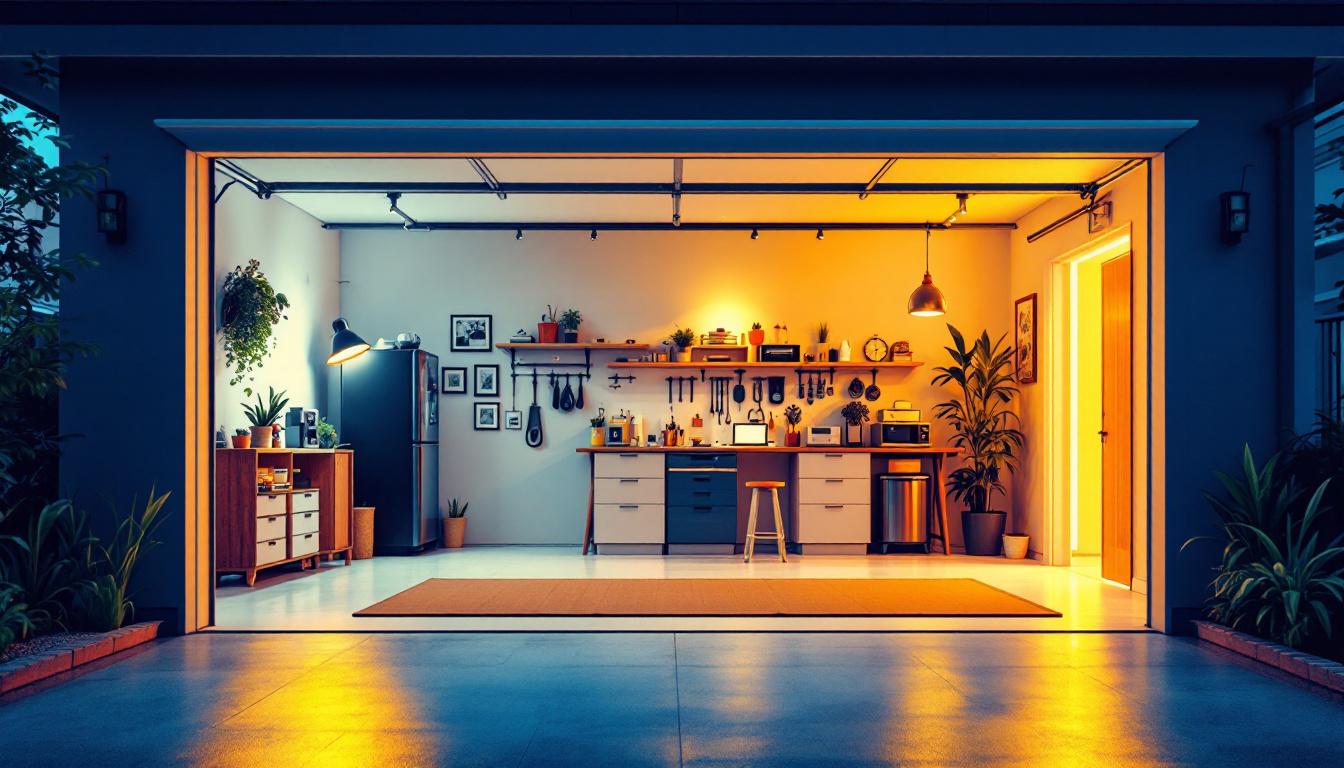
Residential garages have evolved beyond simple car storage spaces into multifunctional areas used for workshops, home gyms, and storage. As such, lighting these spaces effectively is critical for safety, functionality, and energy efficiency. LED light fixtures have become the preferred choice for residential garage lighting due to their longevity, low energy consumption, and superior illumination quality. Unlike traditional incandescent bulbs, which can burn out quickly and consume more energy, LED lights can last up to 25,000 hours or more, significantly reducing the frequency of replacements and maintenance costs. This durability makes them particularly advantageous in garages, where lighting is often left on for extended periods.
For lighting contractors, understanding the nuances of LED lighting in garages is essential to delivering optimal results that meet client expectations and comply with industry standards. This article explores best practices for selecting, installing, and maintaining LED fixtures in residential garages, ensuring contractors can provide expert guidance and high-quality installations. One critical aspect to consider is the color temperature of the LED lights, which can range from warm white to cool daylight. The right color temperature can enhance visibility and create an inviting atmosphere, particularly in spaces that serve dual purposes, such as a garage gym or workshop. Additionally, the use of dimmable LED fixtures can provide flexibility, allowing homeowners to adjust the brightness based on the task at hand, whether it’s working on a car or enjoying a family gathering.
Moreover, the layout of the garage plays a significant role in determining the optimal lighting solution. For instance, task lighting may be necessary in specific areas, such as over workbenches or tool storage, where precision is crucial. In contrast, ambient lighting can help illuminate the entire space, creating a well-lit environment that enhances safety and reduces the risk of accidents. Incorporating motion sensors can further enhance energy efficiency by ensuring that lights only activate when the garage is in use. By considering these factors, contractors can tailor their lighting designs to meet the unique needs of each garage, ultimately improving both functionality and aesthetics.
Why Choose LED Light Fixtures for Residential Garages?
Energy Efficiency and Cost Savings
LED lighting consumes significantly less energy compared to traditional incandescent or fluorescent bulbs. For residential garages, which often require bright, consistent lighting for extended periods, this translates into substantial energy savings. LEDs convert most of the electricity into light rather than heat, making them more efficient and reducing cooling costs in warmer climates.
Lighting contractors can highlight these savings to homeowners, emphasizing the long-term reduction in utility bills. Additionally, many local utilities and government programs offer rebates or incentives for installing energy-efficient LED fixtures, which can further offset upfront costs. Homeowners can also benefit from the reduced frequency of bulb replacements, as LED fixtures typically last much longer than their traditional counterparts, allowing them to allocate their budgets toward other home improvement projects.
Longevity and Durability
LED fixtures boast a lifespan that far exceeds traditional lighting options, often lasting tens of thousands of hours. This durability is particularly advantageous in garage environments, where dust, temperature fluctuations, and occasional impacts can shorten the life of less robust bulbs.
For contractors, recommending LED fixtures reduces the frequency of maintenance visits and replacement costs for clients, enhancing customer satisfaction and building trust in professional expertise. Additionally, the robust construction of many LED fixtures makes them resistant to shock and vibration, further ensuring that they remain operational in the often unpredictable conditions of a garage. This reliability means that homeowners can focus on their projects without the distraction of flickering lights or burnt-out bulbs.
Superior Lighting Quality and Safety
LEDs provide bright, uniform light with excellent color rendering, which is crucial for garages used as workshops or hobby areas. Proper illumination reduces shadows and glare, minimizing the risk of accidents and improving the precision of tasks performed in the space.
Moreover, LEDs reach full brightness instantly, unlike some fluorescent lights that flicker or take time to warm up. This immediate illumination contributes to a safer environment, especially in garages where quick access and visibility are often necessary. Furthermore, the ability to choose from a range of color temperatures allows homeowners to create a customized lighting atmosphere that suits their specific needs, whether they are working on a detailed project or simply organizing tools. The flexibility of LED lighting also extends to dimmable options, allowing for adjustable brightness levels that can enhance both functionality and comfort in the space.
Key Considerations for Selecting LED Fixtures in Garages
Assessing the Garage Layout and Usage
Before selecting fixtures, contractors should evaluate the garage’s size, ceiling height, and primary uses. A garage used mainly for parking may require different lighting levels than one serving as a workshop or recreational space.
For example, a standard two-car garage typically needs about 4,000 to 8,000 lumens in total lighting output, while a workshop area might require 10,000 lumens or more to ensure adequate visibility. Understanding these requirements helps contractors recommend fixtures that deliver the right brightness without over- or under-lighting the space.
Fixture Types and Mounting Options
Common LED fixture types for garages include linear strip lights, high bay lights, and recessed or surface-mounted panels. Linear LED fixtures are popular for their even light distribution and ease of installation, often replacing traditional fluorescent tubes.
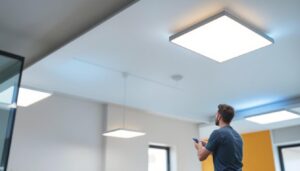
High bay LED lights are suitable for garages with higher ceilings, providing powerful illumination over a wide area. Surface-mounted panels or recessed fixtures offer a sleek, modern look and are ideal for garages integrated into the home’s architectural design.
Lighting contractors should also consider fixture placement to minimize shadows and glare, typically installing lights in a grid pattern or strategically over workbenches and parking spots.
Color Temperature and CRI
Color temperature, measured in Kelvins (K), affects the ambiance and functionality of garage lighting. For residential garages, a neutral to cool white light (around 4000K to 5000K) is generally recommended. This range mimics daylight, enhancing visibility and reducing eye strain during detailed tasks.
Color Rendering Index (CRI) is another critical factor, indicating how accurately colors appear under the light source. A CRI of 80 or higher is advisable for garages, especially when color differentiation is important, such as in painting or automotive work.
Installation Best Practices for LED Garage Lighting
Proper Electrical Considerations
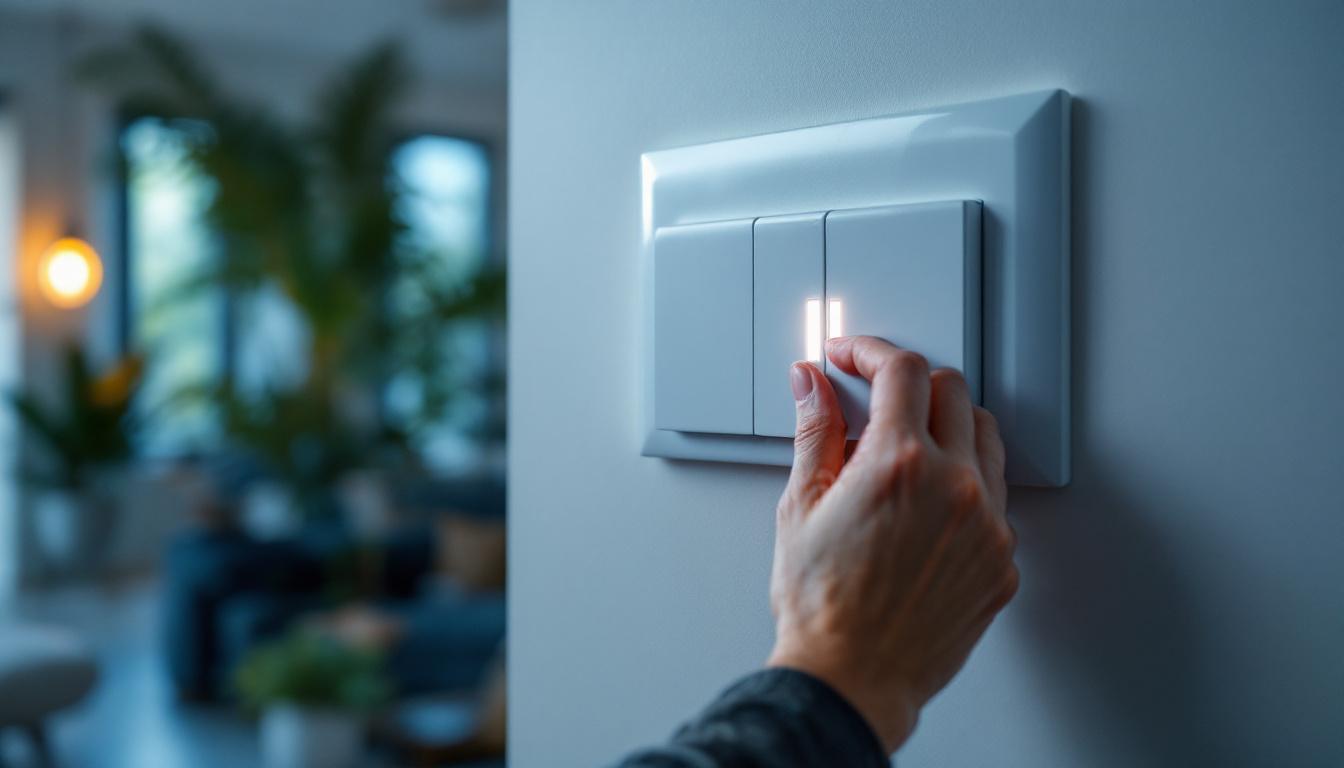
Ensuring the electrical system can support the new LED fixtures is fundamental. Contractors should verify circuit capacity, wiring integrity, and compatibility with dimmers or smart controls if included in the project scope.
LED fixtures typically operate on low voltage and draw less current, but improper installation or incompatible dimmers can cause flickering or reduced lifespan. Using LED-compatible dimmers and surge protectors enhances performance and protects the investment.
Optimal Fixture Placement and Spacing
Lighting contractors should follow recommended spacing guidelines to achieve uniform illumination. For example, linear LED fixtures are often spaced at intervals equal to or less than the mounting height to avoid dark spots.
In garages with work areas, additional task lighting should be installed directly above benches or machinery. Adjustable fixtures or supplementary LED task lights can provide focused illumination where needed.
Ensuring Safety and Code Compliance
All installations must comply with local electrical codes and safety standards. This includes proper grounding, use of weatherproof fixtures if the garage is exposed to moisture, and adherence to National Electrical Code (NEC) guidelines.
Contractors should also consider installing motion sensors or occupancy controls to enhance energy efficiency and convenience, ensuring these devices are compatible with the LED fixtures used.
Maintenance and Troubleshooting Tips
Routine Inspection and Cleaning
Although LED fixtures require less maintenance than traditional lighting, periodic inspections are beneficial. Dust and debris accumulation can reduce light output, so cleaning lenses and fixture surfaces ensures optimal performance.
Contractors can advise homeowners on simple maintenance routines and offer service agreements for regular check-ups, fostering long-term client relationships.
Addressing Common Issues
Flickering or dimming LEDs often indicate wiring problems, incompatible dimmers, or voltage fluctuations. Troubleshooting should begin with checking connections and replacing non-LED-compatible dimmers.
In rare cases, LED drivers may fail and require replacement. Lighting contractors should be prepared to diagnose and resolve such issues efficiently to maintain client satisfaction.
Emerging Trends and Technologies in Garage LED Lighting
Smart Lighting Integration
Smart LED lighting systems are gaining popularity in residential garages, offering features such as remote control, scheduling, and adaptive brightness. These systems can be integrated with home automation platforms, providing convenience and enhanced energy management.
Lighting contractors should stay informed about compatible smart devices and installation techniques to meet the growing demand for connected lighting solutions.
Human-Centric Lighting
Human-centric lighting (HCL) adjusts color temperature and intensity throughout the day to support natural circadian rhythms. While more common in living spaces, HCL is beginning to influence garage lighting design, especially in garages used as extended work or recreational areas.
Implementing HCL principles can improve occupant comfort and productivity, offering a competitive edge for contractors advising clients on advanced lighting solutions.
Conclusion
LED light fixtures have transformed residential garage lighting by combining energy efficiency, durability, and superior illumination quality. For lighting contractors, mastering the selection, installation, and maintenance of LED systems in garages is essential for delivering high-value services that enhance safety, functionality, and aesthetics.
By considering factors such as garage usage, fixture types, color temperature, and electrical compatibility, contractors can design lighting solutions tailored to each client’s needs. Staying abreast of emerging technologies like smart lighting and human-centric designs further positions contractors as trusted experts in the evolving lighting landscape.
Illuminate Your Projects with LumenWholesale
Ready to elevate your lighting installations with the best LED fixtures on the market? Look no further than LumenWholesale, where we specialize in providing contractors with high-quality, specification-grade lighting products at unbeatable wholesale prices. Say goodbye to local distributor markups and hello to a vast selection of reliable, high-performance lighting solutions that meet the highest industry standards. With LumenWholesale, bulk buying is a breeze, thanks to our hassle-free process and free shipping. Don’t compromise on quality or value—visit Wholesale Lighting at the Best Value and discover the ideal blend of quality, affordability, and convenience for your next garage lighting project.