Understanding LED Kitchen Can Lights: The Basics and Benefits
LED kitchen can lights have become a staple in modern residential and commercial lighting due to their energy efficiency, longevity, and sleek design. For lighting contractors, mastering the nuances of these fixtures is essential to delivering high-quality installations that meet client expectations and comply with electrical codes.
LED can lights, also known as recessed lights, are installed flush with the ceiling, providing a clean and unobtrusive lighting solution. Their popularity in kitchens stems from their ability to offer focused, bright illumination without occupying valuable space or clashing with cabinetry and decor.
Beyond aesthetics, LED technology offers significant advantages over traditional incandescent or halogen bulbs. LEDs consume up to 80% less energy, generate less heat, and have an average lifespan exceeding 25,000 hours. These factors not only reduce energy bills but also minimize maintenance and replacement costs, which is a compelling selling point for clients.
Key Advantages for Contractors and Clients
For contractors, LED can lights simplify installation and reduce callbacks related to bulb replacements or overheating issues. Clients benefit from improved lighting quality, enhanced kitchen ambiance, and increased home value. Additionally, many LED fixtures are compatible with dimmers and smart home systems, allowing for customizable lighting scenes that adapt to various kitchen activities.
Moreover, the versatility of LED can lights allows for creative lighting designs that can transform a kitchen space. With options for different color temperatures, ranging from warm whites that create a cozy atmosphere to cooler tones that enhance task-oriented areas, contractors can tailor the lighting to suit the specific needs and preferences of their clients. This adaptability not only enhances functionality but also contributes to the overall aesthetic appeal of the kitchen, making it a more inviting space for family gatherings and entertaining guests.
Furthermore, the environmental benefits of LED technology cannot be overlooked. As more homeowners become conscious of their carbon footprint, the demand for sustainable lighting solutions grows. By choosing LED can lights, clients are not only making a cost-effective choice but also an eco-friendly one. Many LED products are now designed with recyclable materials, and their lower energy consumption contributes to a reduction in greenhouse gas emissions. This alignment with sustainable practices can be a significant selling point for contractors looking to appeal to environmentally conscious clients.
Common Pitfalls in LED Kitchen Can Light Installations
Despite their advantages, LED kitchen can lights present unique challenges that can compromise performance and client satisfaction if not properly addressed. Understanding these pitfalls is critical for lighting contractors aiming to deliver flawless installations.
Incorrect Fixture Selection and Compatibility Issues
One of the most frequent mistakes is selecting LED fixtures that are incompatible with existing housings or electrical systems. Many kitchens have older recessed housings designed for incandescent bulbs, which may not accommodate newer LED retrofit kits without modifications. Installing incompatible fixtures can lead to poor heat dissipation, flickering, or premature failure.
Contractors must verify the type of housing—new construction or remodel—and ensure the LED can lights are rated for use with that housing. Additionally, selecting fixtures with appropriate IC (insulation contact) ratings is crucial to prevent overheating when lights are installed near ceiling insulation. It’s also essential to consider the lumen output of the LED fixtures; too few lumens can result in a dimly lit kitchen, while too many can create an overly bright and uncomfortable environment. Therefore, a careful balance must be struck to achieve optimal lighting performance.
Poor Lighting Design and Placement
Improper spacing and placement of can lights can result in uneven illumination, shadows, or glare, detracting from the kitchen’s functionality and aesthetics. A common error is installing too few fixtures or positioning them too close to walls, which fails to provide adequate task lighting on countertops and work areas.
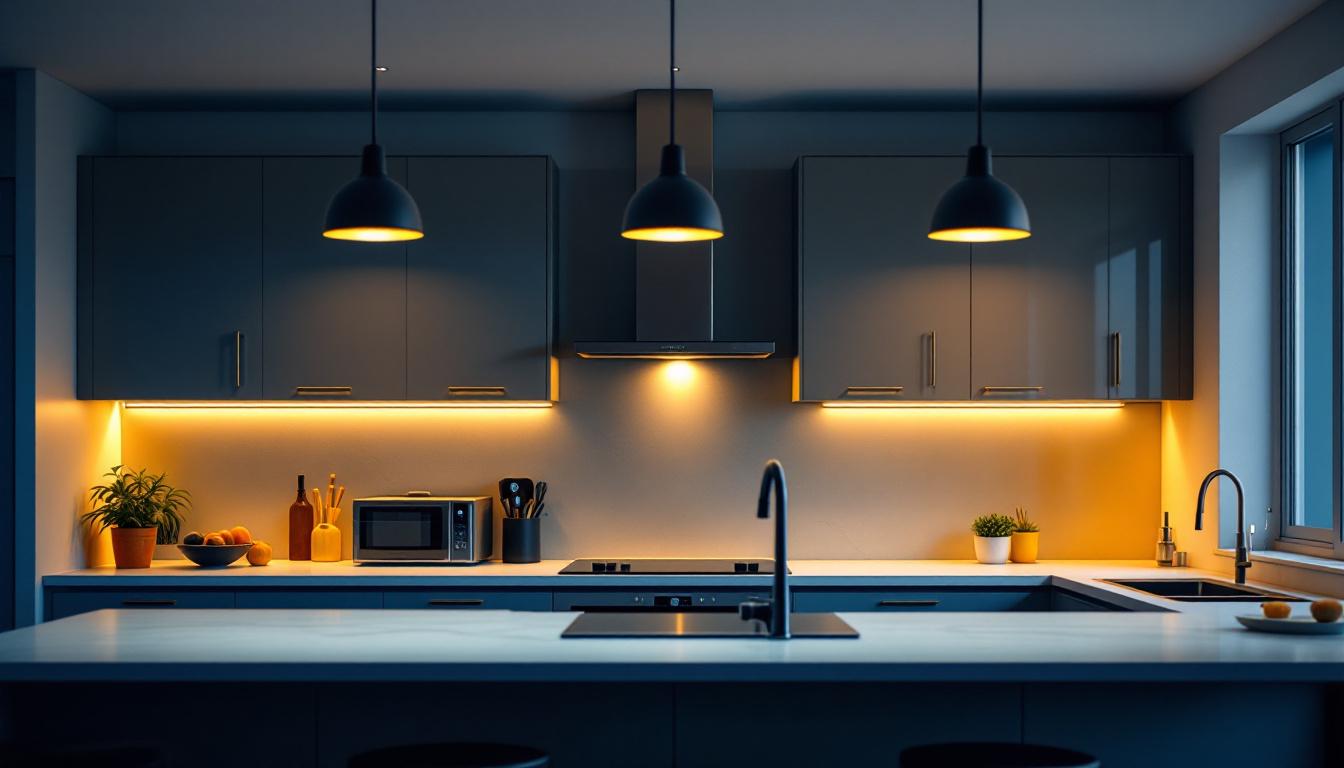
Lighting contractors should conduct thorough site assessments and use lighting design principles to determine optimal fixture quantity and layout. This includes considering ceiling height, room size, cabinet depth, and countertop configuration to achieve balanced, shadow-free illumination. Additionally, incorporating layers of light—ambient, task, and accent—can enhance the kitchen’s overall design. For instance, combining can lights with under-cabinet lighting can provide focused task lighting for food preparation while maintaining a warm ambient glow throughout the space.
Neglecting Dimming Compatibility
Many clients desire dimmable LED can lights to adjust ambiance and conserve energy. However, not all LED fixtures are compatible with every dimmer switch. Using incompatible dimmers can cause flickering, buzzing, or reduced dimming range.
Contractors must specify LED fixtures and dimmers that are tested and certified to work together. Consulting manufacturer compatibility charts and conducting on-site tests before final installation can prevent costly callbacks and enhance client satisfaction. Furthermore, educating clients about the benefits of smart dimmers can add value to the installation. These advanced dimming systems often allow for remote control and scheduling, enabling homeowners to effortlessly adjust their kitchen lighting to suit various activities, from cooking to entertaining guests.
Technical Considerations for Optimal LED Can Light Performance
Ensuring the technical aspects of LED kitchen can light installations are correctly addressed is paramount. This section explores critical factors that influence fixture performance and longevity.
Heat Management and Ventilation
LEDs generate less heat than traditional bulbs, but they still require proper heat dissipation to maintain efficiency and lifespan. Enclosed housings or poor ventilation can trap heat, leading to fixture degradation and reduced light output over time.
Contractors should select LED can lights with integrated heat sinks and ensure housings have adequate clearance and ventilation. In kitchens with high humidity or cooking fumes, choosing fixtures with appropriate IP ratings can also protect against moisture ingress.
Color Temperature and CRI Selection
The color temperature of LED can lights significantly affects kitchen ambiance and task visibility. Warm white (2700K–3000K) creates a cozy atmosphere, while cool white (3500K–4100K) offers a brighter, more clinical feel. Daylight (5000K–6500K) can enhance visibility but may feel harsh for some clients.
Color Rendering Index (CRI) is equally important, as it measures how accurately colors appear under the light source. A CRI of 80 or higher is recommended for kitchens to ensure food and surfaces look natural and appealing.
Contractors should discuss color temperature and CRI preferences with clients and consider the kitchen’s design style and natural lighting conditions when specifying fixtures.
Voltage and Wiring Considerations
LED can lights typically operate on standard line voltage (120V) or low voltage (12V). Each system has distinct wiring requirements and installation protocols. Using the wrong voltage fixtures or improper wiring can cause electrical hazards or fixture failure.
Contractors must verify the electrical infrastructure and select fixtures accordingly. For low voltage systems, transformers must be compatible with LED loads and located in accessible areas for maintenance.
Best Practices for Installation and Maintenance
Adhering to best practices during installation and maintenance ensures the longevity and performance of LED kitchen can lights, minimizing service calls and enhancing client trust.
Pre-Installation Planning and Client Communication
Effective planning involves reviewing architectural plans, conducting site visits, and discussing client needs and preferences. Contractors should provide lighting layouts and fixture samples to help clients visualize the final outcome.
Clear communication about potential limitations, such as ceiling construction or existing wiring, helps set realistic expectations and avoid surprises during installation.
Professional Installation Techniques
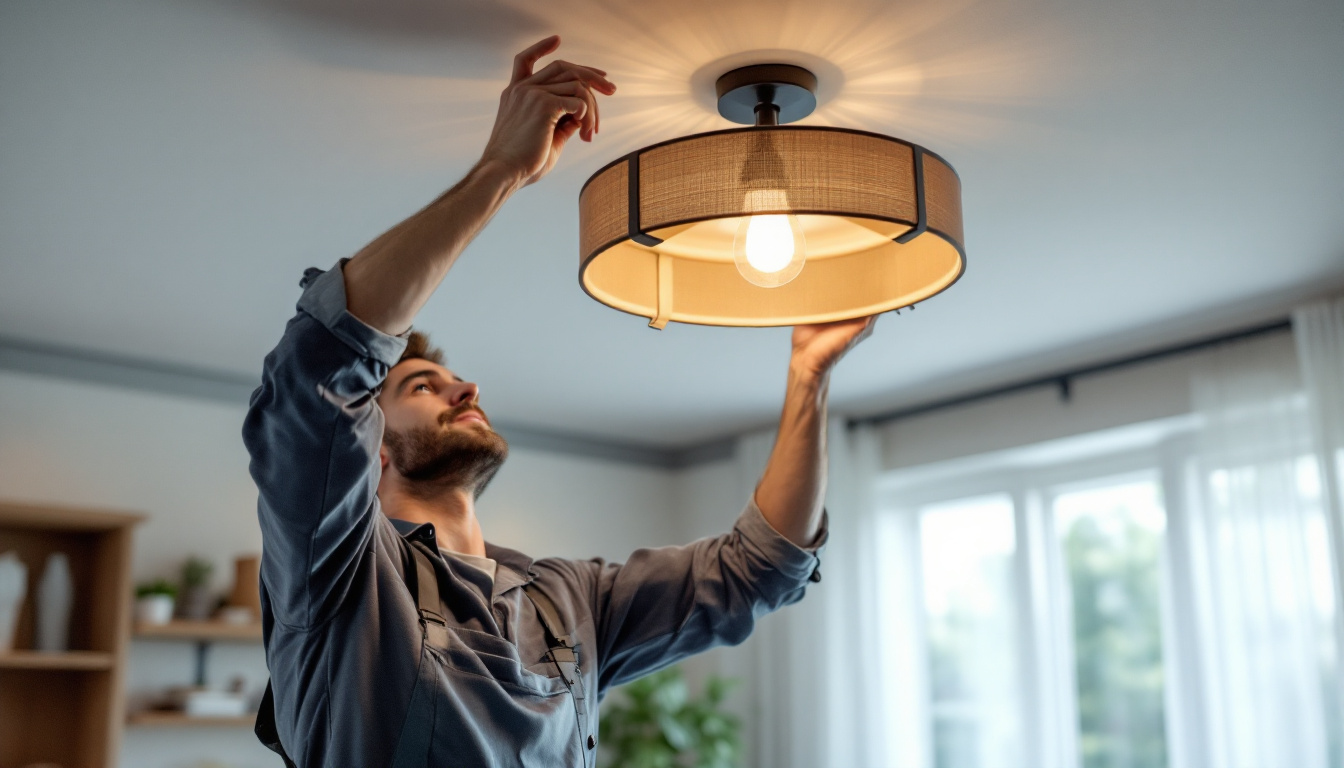
During installation, contractors should follow manufacturer guidelines meticulously, use appropriate tools, and ensure secure electrical connections. Testing each fixture for proper operation before closing ceilings or walls is critical to identify issues early.
Proper sealing around fixtures can prevent air leaks and improve energy efficiency, particularly in insulated ceilings.
Routine Maintenance and Troubleshooting
Although LED fixtures require minimal maintenance, periodic inspections can detect dust accumulation, loose connections, or signs of wear. Cleaning lenses and trims enhances light output and appearance.
Contractors should educate clients on recognizing common issues such as flickering or dimming problems and provide guidance on when to seek professional service.
Emerging Trends and Technologies in LED Kitchen Lighting
Staying informed about innovations in LED technology enables lighting contractors to offer cutting-edge solutions that meet evolving client demands.
Smart Lighting Integration
The integration of LED can lights with smart home systems allows for voice control, scheduling, and scene setting. These features enhance convenience and energy savings, appealing to tech-savvy clients.
Contractors should familiarize themselves with popular smart lighting platforms and ensure compatibility with installed fixtures and dimmers.
Human-Centric Lighting
Advancements in tunable white LED technology enable dynamic adjustment of color temperature throughout the day to support circadian rhythms. This approach can improve mood, productivity, and overall well-being in kitchen environments.
Offering human-centric lighting options positions contractors as knowledgeable professionals attuned to health and wellness trends.
Energy Codes and Incentives
Many jurisdictions have adopted stringent energy codes that influence lighting choices. LED kitchen can lights often qualify for rebates and incentives, which can be leveraged to reduce project costs.
Contractors should stay current with local regulations and available programs to advise clients effectively and maximize project value.
Conclusion: Delivering Excellence in LED Kitchen Can Light Installations
LED kitchen can lights offer immense benefits but require careful consideration in selection, design, and installation to avoid common pitfalls. Lighting contractors who invest time in understanding technical details, client needs, and emerging trends can deliver superior lighting solutions that enhance kitchen functionality and aesthetics.
By adhering to best practices and maintaining open communication with clients, contractors can build a reputation for reliability and expertise in the competitive lighting industry. Ultimately, well-executed LED kitchen can light installations contribute to safer, more inviting, and energy-efficient kitchen spaces that satisfy clients for years to come.
Get Your Premium LED Kitchen Can Lights at LumenWholesale
Ready to elevate your LED kitchen can light installations with the finest products on the market? Look no further than LumenWholesale, where we provide lighting contractors with spec-grade lighting that combines quality and affordability. Our extensive selection is designed to meet the highest industry standards, ensuring you deliver excellence in every project. With unbeatable wholesale prices and the convenience of free shipping on bulk orders, you can trust LumenWholesale to be your go-to source for all your lighting needs. Wholesale Lighting at the Best Value is just a click away. Enhance your installations and delight your clients with the best in the business.