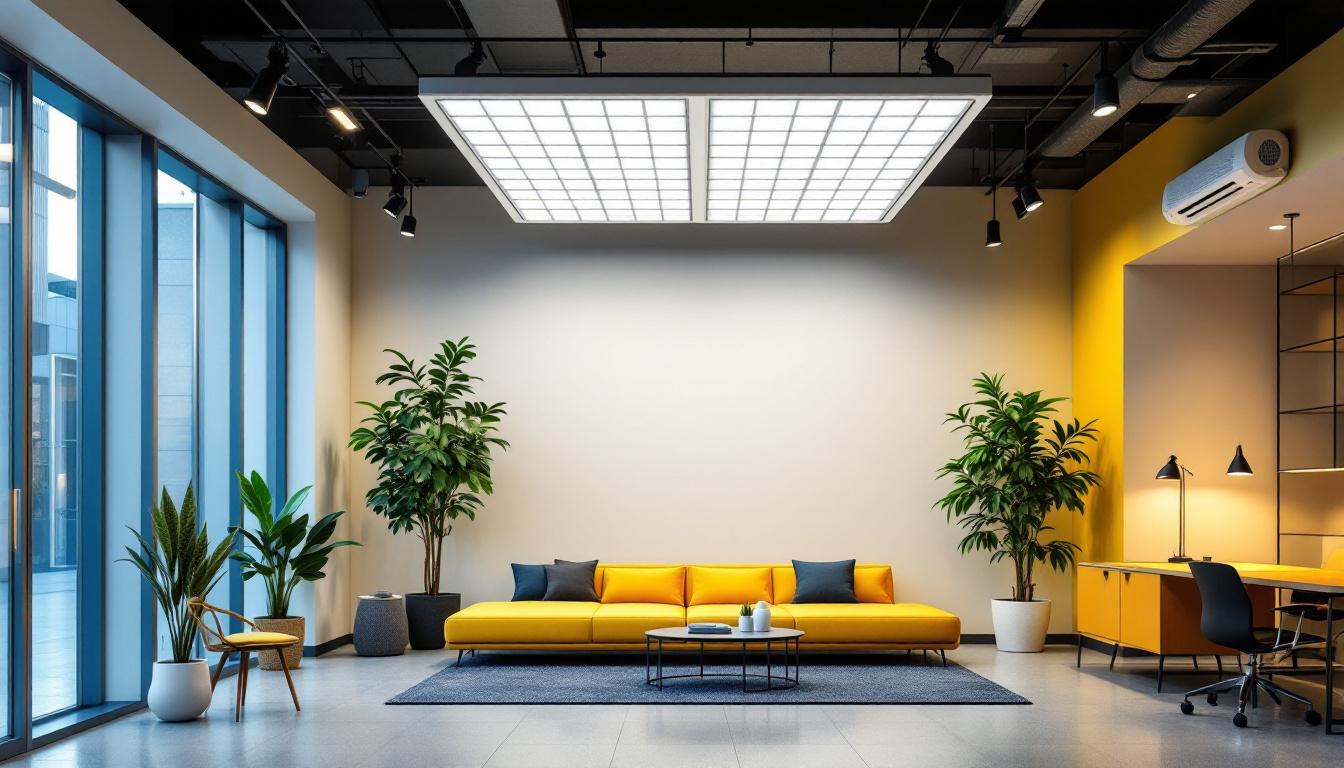
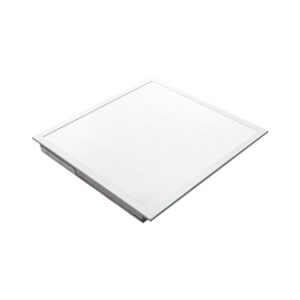
In the realm of modern lighting solutions, LED drop ceiling lights have emerged as a pivotal choice for various installations. Particularly in commercial settings, the 2×2 size has gained significant traction due to its versatility and efficiency. Understanding the importance of these fixtures is essential for lighting contractors aiming to deliver optimal solutions to their clients.
The Advantages of LED Drop Ceiling Lights
LED drop ceiling lights offer a multitude of benefits that make them a preferred option in both new constructions and renovations. Their energy efficiency, longevity, and design flexibility are just a few reasons why they are critical in lighting installations.
Energy Efficiency
One of the most compelling reasons to choose LED technology is energy efficiency. LED drop ceiling lights consume significantly less power compared to traditional fluorescent or incandescent fixtures. This reduction in energy consumption translates to lower utility bills for clients, making it an attractive selling point for contractors.
Moreover, the energy savings associated with LED lighting can contribute to a building’s sustainability goals. Many businesses are now prioritizing eco-friendly solutions, and recommending LED drop ceiling lights can help clients achieve their environmental objectives. In addition, the lower heat output of LEDs means that HVAC systems do not have to work as hard to cool down spaces, further enhancing overall energy savings and contributing to a more comfortable indoor climate.
Longevity and Maintenance
Another advantage of LED drop ceiling lights is their impressive lifespan. Typically, these fixtures can last up to 50,000 hours or more, which far exceeds the longevity of traditional lighting options. For contractors, this means less frequent replacements and lower maintenance costs for clients.
In addition to their longevity, LED lights are also more durable. They are less prone to breakage and can withstand vibrations and temperature fluctuations, making them suitable for a variety of environments, from offices to warehouses. This resilience is particularly beneficial in commercial settings where lighting fixtures may be subject to more wear and tear. Additionally, many LED fixtures are designed to be easily installed and replaced, further reducing downtime and labor costs associated with maintenance.
Design Flexibility
The design of LED drop ceiling lights is another critical factor that enhances their appeal. Available in various styles, including recessed and surface-mounted options, these fixtures can seamlessly integrate into any ceiling design. This flexibility allows lighting contractors to create customized lighting solutions that meet the specific aesthetic and functional needs of their clients.
Furthermore, the ability to choose from different color temperatures and brightness levels enables contractors to tailor the lighting atmosphere to the desired mood and functionality of the space. Whether it’s creating a warm, inviting environment in a reception area or a bright, focused setting in a conference room, LED drop ceiling lights can accommodate diverse requirements. Additionally, many modern LED fixtures come equipped with smart technology, allowing for features such as dimming, color changing, and even remote control, which can greatly enhance user experience and adaptability in various settings. This technological integration not only elevates the functionality of the lighting but also aligns with the growing trend towards smart building solutions, making them an even more attractive option for forward-thinking clients.
Installation Considerations
While the benefits of LED drop ceiling lights are clear, proper installation is crucial to maximize their effectiveness. Lighting contractors must consider various factors during the installation process to ensure optimal performance and client satisfaction.
Compatibility with Existing Infrastructure
Before installation, it is essential to assess the compatibility of LED drop ceiling lights with the existing electrical infrastructure. This includes evaluating the wiring, power supply, and control systems in place. Ensuring that the new fixtures can be integrated without extensive modifications can save time and costs during the installation process.
Additionally, understanding the layout of the ceiling grid is vital. Proper placement of the lights can enhance the overall lighting design and ensure even illumination throughout the space. Contractors should take the time to plan the layout carefully, considering factors such as room dimensions and the purpose of each area. For instance, in spaces designated for collaborative work, a well-distributed lighting scheme can promote productivity and reduce eye strain, while in areas meant for relaxation, softer lighting can create a calming atmosphere.
Compliance with Codes and Standards
Lighting installations must adhere to local building codes and safety standards. This is particularly important in commercial settings where regulations may be more stringent. Contractors must stay informed about the relevant codes to ensure that their installations are compliant and safe.
Failure to comply with these regulations can lead to costly penalties and may jeopardize the safety of the building’s occupants. Therefore, it is crucial for lighting contractors to prioritize compliance during the planning and installation phases. Moreover, understanding the environmental impact of lighting choices can also guide contractors in selecting energy-efficient options that not only meet code requirements but also contribute to sustainability goals. This dual focus on compliance and eco-friendliness can enhance a contractor’s reputation and appeal to environmentally conscious clients.
Training and Expertise
Proper installation of LED drop ceiling lights requires a certain level of expertise. Contractors should ensure that their team is well-trained in the specific requirements of LED technology and installation techniques. This knowledge not only enhances the quality of the installation but also boosts client confidence in the contractor’s capabilities.
Investing in training and staying updated on the latest advancements in lighting technology can set contractors apart in a competitive market. Clients are more likely to choose contractors who demonstrate expertise and a commitment to quality. Furthermore, ongoing education can empower contractors to offer innovative solutions, such as smart lighting systems that integrate with building management systems. This not only adds value to their service but also positions them as forward-thinking leaders in the lighting industry, capable of meeting the evolving needs of modern spaces.
Cost Considerations
When discussing LED drop ceiling lights with clients, cost is often a significant factor. While the initial investment may be higher than traditional lighting options, the long-term savings can justify the expense. Understanding the cost dynamics is essential for contractors when presenting these solutions to clients.
Initial Investment vs. Long-Term Savings
The upfront cost of LED drop ceiling lights can be a deterrent for some clients. However, contractors should emphasize the long-term savings associated with energy efficiency and reduced maintenance costs. Over time, these savings can outweigh the initial investment, making LEDs a wise financial choice.
Additionally, many utility companies offer rebates and incentives for businesses that choose energy-efficient lighting solutions. Contractors should be familiar with these programs and inform clients about potential savings opportunities, further enhancing the appeal of LED drop ceiling lights.
Return on Investment (ROI)
Calculating the return on investment (ROI) for LED lighting installations can provide clients with a clearer picture of the financial benefits. Contractors can assist clients in estimating the potential savings on energy bills and maintenance costs over the lifespan of the fixtures.
By presenting a detailed ROI analysis, contractors can help clients make informed decisions and understand the value of investing in LED drop ceiling lights. This approach not only builds trust but also positions the contractor as a knowledgeable partner in the lighting installation process.
Future Trends in LED Lighting
The lighting industry is continuously evolving, and staying ahead of trends is essential for contractors. Understanding future developments in LED technology can help contractors offer cutting-edge solutions to their clients.
Smart Lighting Integration
One of the most significant trends in lighting is the integration of smart technology. Smart LED drop ceiling lights can be controlled remotely, allowing users to adjust brightness, color temperature, and even create lighting schedules. This level of control enhances the user experience and can lead to further energy savings.
Contractors should familiarize themselves with smart lighting systems and be prepared to offer these solutions to clients. As more businesses seek to incorporate smart technology into their operations, having this expertise can be a valuable asset.
Focus on Sustainability
As environmental concerns continue to rise, the demand for sustainable lighting solutions is expected to grow. LED drop ceiling lights already offer energy efficiency, but future innovations may focus on using recyclable materials and reducing the carbon footprint of manufacturing processes.
Contractors should stay informed about these developments and be prepared to discuss the sustainability aspects of LED lighting with clients. This knowledge can enhance the contractor’s reputation as a responsible and forward-thinking professional.
Enhanced Aesthetics
Future trends may also see advancements in the aesthetic design of LED drop ceiling lights. As technology improves, manufacturers are likely to create fixtures that are not only functional but also visually appealing. This evolution will allow contractors to offer clients a wider range of design options that can enhance the overall ambiance of a space.
By staying ahead of these trends, contractors can ensure that they are providing the most current and relevant solutions to their clients, ultimately leading to greater satisfaction and repeat business.
Conclusion
LED drop ceiling lights in the 2×2 format are critical components in modern lighting installations. Their energy efficiency, longevity, and design flexibility make them a preferred choice for contractors and clients alike. By understanding the advantages, installation considerations, cost dynamics, and future trends, lighting contractors can position themselves as experts in the field.
As the demand for energy-efficient and sustainable lighting solutions continues to grow, embracing LED technology will not only benefit contractors but also enhance the satisfaction of their clients. Investing in knowledge, training, and staying updated on industry trends will ensure that contractors remain competitive and successful in the ever-evolving world of lighting installations.