Why LED Ceiling Lights Are a Game-Changer for Hallway Projects
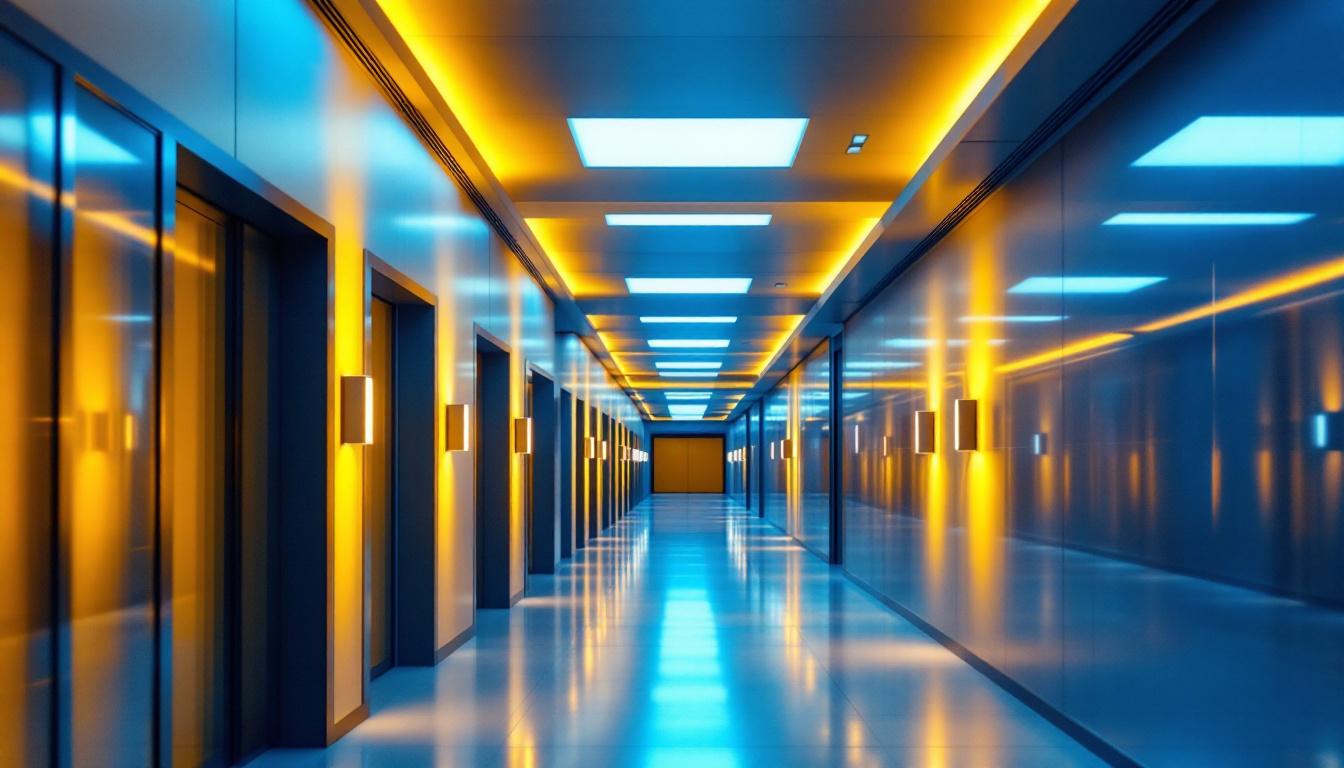
Hallways are often overlooked spaces when it comes to lighting design, yet they play a crucial role in the overall ambiance and functionality of a building. For lighting contractors, selecting the right fixtures can make or break a project’s success. LED ceiling lights have emerged as a superior choice, offering a blend of efficiency, durability, and aesthetic appeal that traditional lighting solutions struggle to match.
LED technology has advanced rapidly, providing brighter illumination with lower energy consumption. This is particularly important in hallways, which tend to be long, narrow, and require consistent lighting to ensure safety and comfort. Unlike incandescent or fluorescent bulbs, LEDs maintain brightness over time without flickering or dimming, reducing maintenance visits and increasing client satisfaction.
Energy Efficiency and Cost Savings
One of the most compelling reasons to choose LED ceiling lights for hallways is their energy efficiency. LEDs use up to 75% less energy than incandescent bulbs and last significantly longer. For contractors managing large-scale projects or multi-unit residential buildings, this translates into substantial savings on electricity bills and replacement costs.
Energy-efficient lighting is also a selling point for clients who prioritize sustainability. Many commercial and residential projects now aim for green certifications, and installing LED hallway lighting can contribute to meeting those standards. The upfront cost of LEDs may be higher than traditional bulbs, but the return on investment is quick due to lower operating expenses.
Moreover, the versatility of LED ceiling lights allows for creative design solutions that can enhance the aesthetic of a hallway. With options ranging from sleek, modern fixtures to more traditional styles, contractors can tailor their choices to match the architectural features of the space. This adaptability not only elevates the visual appeal but also allows for the integration of smart lighting systems, which can adjust brightness based on occupancy or time of day, further optimizing energy use.
Additionally, the longevity of LED lights means less frequent replacements, which is a significant advantage in high-traffic areas like hallways. This durability is particularly beneficial in commercial settings, where the cost and effort of replacing burnt-out bulbs can disrupt operations. By investing in LED technology, contractors can ensure that hallways remain well-lit and inviting, contributing to a positive experience for residents and visitors alike.
Design Flexibility and Installation Benefits
Hallways require lighting that is both functional and visually appealing. LED ceiling lights come in a variety of shapes, sizes, and color temperatures, allowing contractors to tailor the lighting design to the specific needs of the space. Whether the goal is to create a warm, inviting corridor or a bright, modern passageway, LEDs offer the versatility to achieve it. The ability to choose from options like recessed lighting, surface-mounted fixtures, or even pendant lights means that designers can play with different aesthetics, ensuring that the hallway complements the overall architectural theme of the building. Additionally, the color temperature of LEDs can be adjusted to evoke different moods; warmer tones can create a cozy atmosphere, while cooler tones can enhance focus and alertness, making them ideal for busy environments.
Installation is another area where LED ceiling lights shine. Many LED fixtures are designed with slim profiles and integrated drivers, making them easier to mount in tight ceiling spaces or retrofit into existing installations. This reduces labor time and complexity, especially in renovation projects where ceiling access may be limited. Furthermore, the lightweight nature of LED fixtures means that they can often be installed without the need for heavy-duty support structures, allowing for a more streamlined installation process. The energy efficiency of LEDs also translates into long-term savings, as they consume significantly less power than traditional lighting options, which is an attractive selling point for both contractors and building owners.
Smart Lighting Integration
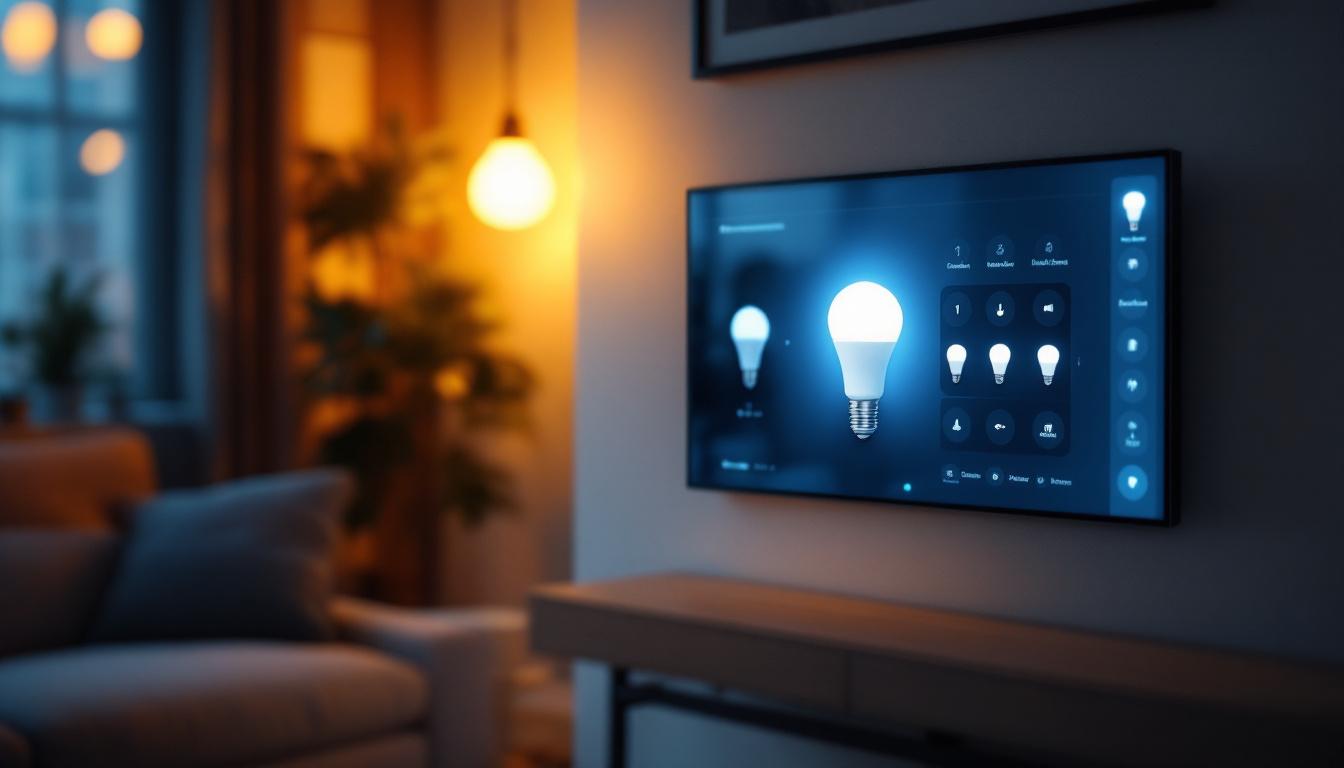
Modern LED ceiling lights often come with smart capabilities, such as dimming, color tuning, and motion sensors. These features enhance hallway lighting efficiency by adapting illumination based on occupancy and natural light levels. For contractors, offering smart LED solutions can differentiate their services and meet the growing demand for intelligent building systems. The integration of smart technology not only improves energy efficiency but also enhances user experience; for instance, motion sensors can ensure that lights only activate when someone is present, reducing unnecessary energy consumption. Moreover, the ability to control lighting through mobile apps or voice-activated systems adds a layer of convenience that appeals to tech-savvy clients.
In addition to these benefits, smart LED systems can be programmed to adjust lighting throughout the day, mimicking natural daylight patterns which can be particularly beneficial in commercial buildings or schools. This dynamic lighting approach can help reduce eye strain and improve overall well-being for occupants. As more buildings aim for sustainability certifications, the incorporation of smart lighting solutions becomes not just a luxury, but a necessity, aligning with green building standards and contributing to a more sustainable future. With the rapid advancements in smart technology, the possibilities for hallway lighting design are expanding, making it an exciting time for contractors to explore innovative solutions that meet both aesthetic and functional needs.
Durability and Maintenance Advantages
Hallway lighting must withstand frequent use and occasional impact, especially in commercial or high-traffic residential buildings. LED ceiling lights are known for their durability, with solid-state components that resist shock and vibration better than fragile filament bulbs. This resilience is particularly crucial in environments where lighting fixtures are exposed to the hustle and bustle of daily activities, such as schools, hospitals, and shopping centers. The robust construction of LED lights ensures that they can endure the rigors of such settings without compromising performance or safety.
The long lifespan of LEDs—often exceeding 50,000 hours—means fewer replacements and less disruption for occupants. This is a significant benefit for property managers and building owners, who appreciate lighting solutions that minimize downtime and maintenance costs. For contractors, specifying LED ceiling lights can lead to stronger client relationships and repeat business. Moreover, the reduced frequency of replacements not only saves on labor costs but also minimizes waste, aligning with sustainability goals that are increasingly important in today’s construction and renovation projects.
Reduced Heat Emission
Traditional lighting fixtures generate heat that can affect ceiling materials and increase cooling loads. LEDs emit very little heat, which helps maintain the integrity of ceiling finishes and contributes to overall building energy efficiency. This factor is especially important in tightly enclosed hallways where heat buildup can be uncomfortable or damaging. The lower thermal output of LED lights also translates to a more pleasant environment for occupants, as excessive heat can lead to discomfort and even impact productivity in spaces like offices and educational facilities.
Additionally, the reduced heat emission of LED lights can lead to significant energy savings. By lowering the demand on air conditioning systems, property owners can enjoy reduced utility bills, which is a compelling advantage in the long run. As energy efficiency becomes a priority for many businesses, the ability of LED lighting to contribute to a cooler indoor climate while simultaneously lowering energy costs makes it an attractive option. This dual benefit not only enhances the comfort of the space but also supports broader environmental initiatives aimed at reducing carbon footprints and promoting sustainable practices.
Improved Lighting Quality and Safety
Consistent, glare-free illumination is essential for hallways to prevent accidents and create a welcoming environment. LED ceiling lights provide uniform light distribution, eliminating dark spots and harsh shadows that can confuse or disorient people moving through the space.
The ability to select precise color temperatures with LEDs also impacts safety and comfort. Cooler white light enhances visibility and alertness, which is beneficial in commercial or institutional settings. Warmer tones can make residential hallways feel cozy and inviting without sacrificing clarity.
Compliance with Lighting Standards
Many building codes and safety regulations specify minimum lighting levels for corridors and hallways. LED ceiling lights can be engineered to meet or exceed these standards, simplifying the approval process for contractors and ensuring that installations pass inspections without issue.
Maximizing Project Efficiency with LED Ceiling Lights
From procurement to installation and maintenance, LED ceiling lights streamline every phase of a lighting project. Their energy efficiency lowers operational costs, while their design flexibility and ease of installation reduce labor hours and potential delays.
Contractors can leverage these advantages by planning lighting layouts that optimize fixture placement and minimize material waste. Using LED ceiling lights with integrated smart controls further enhances efficiency by reducing unnecessary energy consumption and extending fixture lifespan.
Case Study: Streamlining a Multi-Unit Residential Hallway Lighting Upgrade
A recent hallway lighting upgrade in a multi-unit residential building demonstrated the efficiency benefits of LED ceiling lights. The contractor replaced outdated fluorescent fixtures with slim-profile LED panels featuring motion sensors and dimming controls. Installation time was cut by 30% due to the lightweight, easy-to-mount fixtures and plug-and-play wiring.
Post-installation, the building reported a 60% reduction in hallway lighting energy use and virtually eliminated bulb replacements for over a year. Residents noted improved lighting quality and comfort, and the property management praised the contractor for delivering a cost-effective, sustainable solution.
Final Thoughts: Why Lighting Contractors Should Prioritize LED Ceiling Lights in Hallways
For lighting contractors, LED ceiling lights offer a compelling combination of performance, efficiency, and client appeal. Their energy savings, durability, and design versatility make them ideal for hallway applications where consistent, high-quality lighting is essential.
Choosing LEDs can differentiate a contractor’s offerings, reduce project timelines, and enhance long-term client satisfaction. As lighting technology continues to evolve, embracing LED ceiling lights for hallways is a smart strategy to stay competitive and deliver superior results.
Illuminate Your Projects with LumenWholesale
Ready to elevate your lighting projects with the efficiency and sophistication of LED ceiling lights? Look no further than LumenWholesale for all your lighting needs. We provide contractors with the highest quality, spec-grade LED lighting solutions at unbeatable wholesale prices. Say goodbye to unnecessary markups and hello to our extensive selection that meets rigorous industry standards. With free shipping on bulk orders, LumenWholesale ensures you get the best value without any hidden fees. Don’t compromise on quality or cost. Make your next project shine and experience the best in wholesale lighting at the best value today.