The Evolution of Backyard Lighting: From Traditional to LED
Backyard lighting has undergone a significant transformation over the past few decades. Traditional incandescent and halogen bulbs, once the standard for outdoor illumination, have gradually given way to more energy-efficient and durable lighting solutions. Among these, LED (Light Emitting Diode) technology has emerged as the frontrunner, revolutionizing how outdoor spaces are lit.
For lighting contractors, understanding this shift is essential. The demand for sustainable, cost-effective, and aesthetically pleasing lighting solutions has never been higher. LED backyard lights not only meet these criteria but also offer versatility and longevity that traditional bulbs cannot match.
Why Traditional Lighting Falls Short
Incandescent and halogen bulbs have several drawbacks that make them less suitable for modern backyard lighting installations. Their high energy consumption leads to increased operational costs, and their relatively short lifespan means frequent replacements, which can be inconvenient and costly over time. Moreover, these bulbs generate significant heat, posing safety risks and limiting design options.
In contrast, LED lights consume a fraction of the energy, produce minimal heat, and can last up to 25 times longer. This makes them an attractive option for contractors aiming to deliver value and reliability to their clients. Furthermore, the advancements in LED technology have led to a wide variety of color temperatures and brightness levels, allowing homeowners to customize their outdoor ambiance. Whether it’s creating a warm, inviting glow for evening gatherings or bright, focused lighting for safety and security, LEDs can cater to diverse aesthetic preferences and functional needs.
Additionally, the integration of smart technology into outdoor lighting systems has further enhanced the appeal of LED solutions. Homeowners can now control their backyard lights remotely, set schedules, and even adjust brightness levels through smartphone apps. This level of control not only adds convenience but also promotes energy savings, as lights can be programmed to turn off when not needed. As the trend towards smart homes continues to grow, the compatibility of LED lighting with home automation systems positions it as a leading choice for modern outdoor environments.
Energy Efficiency and Cost Savings: The Contractor’s Advantage
One of the most compelling reasons to choose LED backyard lights is their superior energy efficiency. LEDs use up to 80% less energy than traditional lighting, which translates directly into reduced electricity bills for homeowners. For lighting contractors, this efficiency is a strong selling point that can differentiate their services in a competitive market. Not only do homeowners appreciate the immediate impact on their energy bills, but they also value the environmental benefits that come with reduced energy consumption, making LEDs a win-win solution.
Long-Term Financial Benefits
While the initial cost of LED fixtures may be higher than traditional bulbs, the long-term savings are substantial. LEDs have a longer operational life—often exceeding 50,000 hours—meaning fewer replacements and less maintenance. This longevity reduces labor costs associated with bulb changes and minimizes disruption for homeowners. Additionally, the durability of LED lights means they are less likely to break or fail, further enhancing their cost-effectiveness over time.
Furthermore, many regions offer incentives or rebates for energy-efficient lighting installations. Contractors who are knowledgeable about these programs can help clients take advantage of financial benefits, making LED installations even more attractive. By staying informed about local and federal energy efficiency programs, contractors can provide valuable guidance to homeowners, ensuring they maximize their savings while contributing to a more sustainable future.
In addition to the financial incentives, the aesthetic appeal of LED lighting should not be overlooked. With advancements in technology, LEDs now come in a variety of colors and styles, allowing homeowners to create the perfect ambiance in their outdoor spaces. Whether it’s for hosting evening gatherings or simply enhancing the beauty of a garden, the versatility of LED lights can elevate the overall design of a backyard. For contractors, showcasing the aesthetic benefits alongside the energy savings can further enhance their pitch, appealing to both the practical and emotional aspects of home improvement.
Durability and Weather Resistance: Essential for Outdoor Use
Backyard lighting must withstand various environmental conditions, including rain, wind, temperature fluctuations, and exposure to dust and debris. LED lights are inherently more robust than traditional bulbs, making them well-suited for outdoor applications.
Design and Material Considerations
Modern LED backyard lights often feature weatherproof housings with high IP (Ingress Protection) ratings, ensuring protection against moisture and dust. Materials such as aluminum and tempered glass enhance durability while maintaining a sleek aesthetic. For contractors, selecting fixtures with appropriate ratings is critical to ensure long-term performance and client satisfaction.
Additionally, LEDs are less prone to damage from vibrations or impacts, which can be common in outdoor environments. This resilience reduces the likelihood of premature failure and costly repairs.
Versatility in Design and Functionality
LED technology offers unparalleled flexibility in lighting design. From subtle pathway lights to dramatic accent lighting, LEDs can be tailored to meet a wide range of aesthetic and functional requirements.
Color Temperature and Lighting Effects
LED backyard lights come in various color temperatures, from warm white to cool daylight, allowing contractors to create the desired ambiance. Warm tones can evoke a cozy, inviting atmosphere, while cooler tones enhance visibility and security. Additionally, RGB LEDs enable dynamic color changes, which can be programmed for special occasions or mood lighting.
This versatility empowers contractors to offer customized lighting solutions that enhance the architectural features of a property and complement landscaping elements.
Smart Lighting Integration
Another advantage of LED backyard lights is their compatibility with smart home systems. Wireless control, dimming capabilities, and scheduling functions can be integrated seamlessly, offering homeowners convenience and energy savings. For contractors, incorporating smart technology into lighting installations adds value and positions them as forward-thinking professionals.
Environmental Impact and Sustainability
With growing awareness of environmental issues, sustainability has become a critical consideration in lighting installations. LEDs are a greener choice, contributing to reduced carbon footprints and less environmental waste.
Reduced Energy Consumption and Emissions
Because LEDs consume significantly less electricity, they help decrease the demand on power plants, which often rely on fossil fuels. This reduction in energy use directly correlates with lower greenhouse gas emissions, making LED backyard lighting an eco-friendly option.
Minimizing Waste Through Longevity
The extended lifespan of LEDs means fewer bulbs are discarded over time, reducing landfill waste. Additionally, many LED fixtures are designed to be recyclable, further minimizing environmental impact. Lighting contractors who emphasize these benefits can appeal to environmentally conscious clients and contribute positively to sustainability goals.
Safety and Compliance Considerations
Safety is paramount in any lighting installation, especially outdoors where exposure to elements and electrical hazards is higher. LED backyard lights offer several safety advantages that contractors should prioritize.
Lower Heat Emission
Unlike incandescent bulbs, LEDs produce very little heat, reducing the risk of burns or fire hazards. This characteristic is particularly important in backyard settings where lights may be installed near flammable materials such as wood decks, plants, or fabric furniture.
Compliance with Electrical Standards
LED fixtures often come with certifications that ensure compliance with national and international electrical safety standards. Contractors must verify that all products used meet these requirements to avoid liability issues and ensure safe operation. Proper installation techniques, including waterproof connectors and grounding, further enhance safety.
Installation Efficiency and Maintenance Benefits
From a contractor’s perspective, ease of installation and ongoing maintenance are crucial factors in selecting lighting products. LEDs excel in both areas, streamlining project timelines and reducing long-term service calls.
Lightweight and Compact Designs
LED fixtures are typically smaller and lighter than traditional lighting, simplifying handling and mounting. This can reduce labor time and the need for heavy-duty support structures, ultimately lowering installation costs.
Moreover, many LED systems offer plug-and-play components and modular designs, allowing for faster setup and easier future upgrades or repairs.
Minimal Maintenance Requirements
The extended lifespan and durability of LEDs mean fewer replacements and less frequent maintenance visits. For contractors, this translates into reduced warranty claims and higher customer satisfaction. Providing clients with maintenance guidelines and demonstrating the reliability of LED systems can foster trust and encourage repeat business.
Case Studies: Successful LED Backyard Lighting Installations
Examining real-world examples helps illustrate the practical benefits of LED backyard lighting and provides contractors with insights for their own projects.
Residential Garden Lighting
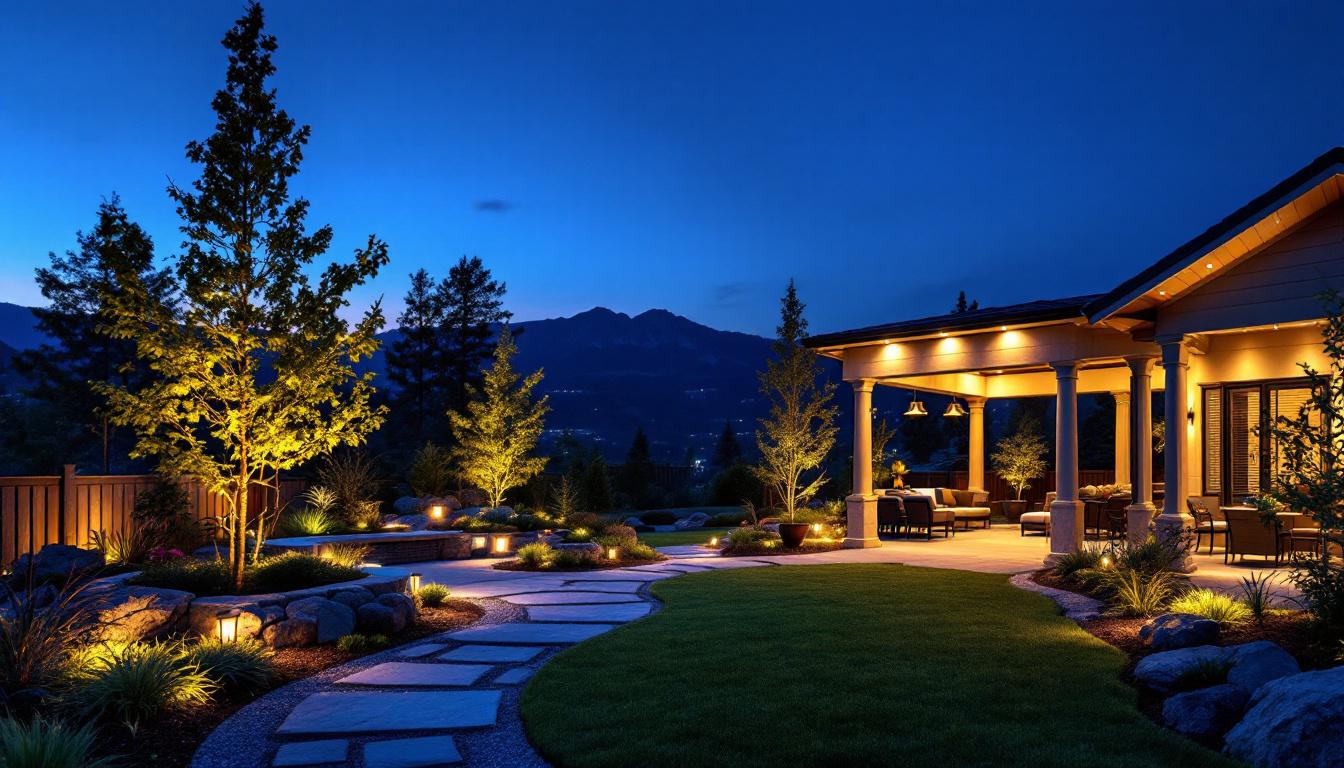
A landscaping company partnered with a lighting contractor to transform a client’s backyard garden using LED pathway and accent lights. By selecting warm white LEDs with adjustable brightness, they created a serene environment that highlighted key plantings and walkways. The client reported a significant reduction in energy costs and praised the durability of the fixtures through seasonal weather changes.
Outdoor Entertainment Area
In another project, a contractor installed RGB LED strip lighting around a backyard patio and pergola. Integrated with a smart control system, the lighting allowed the homeowner to customize colors and set schedules for different occasions. The installation enhanced the usability of the space after dark and increased the property’s value.
Conclusion: Embracing LED Technology for Superior Backyard Lighting
For lighting contractors, incorporating LED backyard lights into installations is no longer optional but critical. The combination of energy efficiency, durability, design flexibility, environmental benefits, and safety makes LEDs the ideal choice for modern outdoor lighting projects.
By staying informed about the latest LED technologies and best practices, contractors can deliver exceptional results that satisfy clients’ aesthetic desires while meeting practical needs. This commitment to quality and innovation not only enhances professional reputation but also contributes to a more sustainable future in the lighting industry.
Illuminate Your Projects with LumenWholesale
Ready to elevate your lighting installations with the efficiency, durability, and design flexibility of LED technology? Look no further than LumenWholesale for all your lighting needs. We provide contractors with premium, spec-grade LED lights at unbeatable wholesale prices, ensuring you can offer your clients the best value without compromising on quality. With our extensive selection and commitment to industry standards, you can trust that every project shines brightly. Plus, with free shipping on bulk orders, you’ll enjoy the convenience and savings that only LumenWholesale can offer. Take the next step in lighting excellence and explore our Wholesale Lighting at the Best Value today.