Understanding the Lamp With Strings Concept
When it comes to lighting installations, the “lamp with strings” technique is a staple among contractors aiming for both aesthetic appeal and functional efficiency. This method involves suspending lamps using durable strings or cables, creating a floating effect that can transform any space. It’s not just about hanging a light; it’s about mastering the balance between design, safety, and practicality.
Lighting contractors who excel at this technique understand the nuances of string materials, weight distribution, and electrical safety. The strings must support the lamp’s weight securely while maintaining a clean, minimalistic look. This approach is popular in commercial spaces, restaurants, and modern residential projects where visual impact is key.
Moreover, the versatility of the lamp with strings concept allows for a wide range of design possibilities. From industrial-style lofts to cozy cafes, the suspended lighting can be tailored to fit various aesthetics. For instance, using natural fibers like jute or hemp can evoke a rustic charm, while sleek metallic cables can enhance a contemporary vibe. Additionally, the height at which the lamps are hung can dramatically influence the ambiance of a room; lower-hanging lights can create an intimate setting, perfect for dining areas, while higher placements can open up a space, making it feel larger and more airy.
Incorporating dimmable features into these installations can further enhance their functionality. By allowing users to adjust the brightness, the lighting can adapt to different activities and moods throughout the day. This flexibility is particularly beneficial in multi-purpose spaces where the lighting needs may shift from vibrant and energetic during the day to soft and relaxing in the evening. Furthermore, the strategic placement of multiple suspended lamps can create a stunning visual focal point, drawing the eye and adding depth to the overall design scheme. As such, the lamp with strings concept not only serves a practical purpose but also elevates the aesthetic experience of any environment.
Essential Tools and Materials for Lamp With Strings Installations
Choosing the Right Strings and Cables
Not all strings are created equal. For lighting purposes, contractors often choose stainless steel cables or high-tensile synthetic cords that resist wear and environmental factors. These materials provide strength without bulk, allowing the lamp to appear as if it’s floating.
Understanding the weight capacity of each string type is critical. Overloading a string can lead to dangerous failures, so always check manufacturer specifications and factor in a safety margin. In humid or outdoor environments, corrosion-resistant materials are essential to maintain longevity. Additionally, selecting strings with UV protection can prevent degradation from sunlight exposure, ensuring that the aesthetic appeal of the installation remains intact over time. When considering the visual aspect, colored or textured strings can also enhance the overall design, providing an artistic touch that complements the lamp’s style.
Hardware and Mounting Components
Secure mounting hardware is just as important as the strings themselves. Eye hooks, ceiling anchors, and adjustable tensioners allow for precise positioning and height adjustment. Contractors should opt for hardware rated for the lamp’s weight plus an additional safety buffer.
Using locking mechanisms on tensioners ensures the lamp remains stable over time, preventing sagging or unwanted movement. Combining quality hardware with proper installation techniques guarantees both safety and aesthetic consistency. Furthermore, it’s advisable to consider the surface material where the lamp will be mounted; for instance, drywall may require different anchors compared to concrete or wood. This attention to detail not only enhances the durability of the installation but also ensures that the lamp’s alignment remains perfect, contributing to the overall visual harmony of the space.
Electrical Considerations
Running electrical wiring alongside or within the strings requires careful planning. Lighting contractors must ensure that wires are insulated and protected from friction against the strings or hardware. Flexible conduit or braided cable sleeves can shield wiring without compromising flexibility.
In some designs, the string itself may double as a conduit for low-voltage wiring, but this demands specialized cables and adherence to electrical codes. Consulting local regulations and performing thorough testing is non-negotiable to avoid hazards. Additionally, incorporating dimmer switches or smart lighting controls can elevate the functionality of the installation, allowing users to adjust brightness levels and create different atmospheres. This not only enhances user experience but also contributes to energy efficiency, making the installation both practical and environmentally friendly. Proper labeling of wires and connections is also crucial, as it simplifies future maintenance and troubleshooting, ensuring that the lighting system remains reliable for years to come.
Top Resources Lighting Contractors Use to Master Lamp With Strings
Industry Workshops and Certification Programs
Hands-on workshops provide invaluable experience with lamp-with-strings installations. Many trade organizations offer courses focusing on suspension techniques, load calculations, and electrical safety. These programs often include real-world scenarios, allowing contractors to troubleshoot common challenges. Participants can engage in practical exercises that simulate actual installation environments, which not only enhances their skill set but also builds confidence in their abilities to handle unexpected issues on-site.
Certification not only boosts credibility but also ensures contractors stay updated on best practices and evolving standards. Whether it’s a local trade school or a national lighting association, investing time in formal training pays dividends in quality and client trust. Furthermore, many organizations offer continuing education credits for attending these workshops, which can be beneficial for maintaining professional licenses and staying competitive in the industry.
Technical Manuals and Manufacturer Guides
Manufacturers of cables, hardware, and lighting fixtures provide detailed manuals outlining installation procedures and safety guidelines. These documents are essential references for contractors aiming to avoid guesswork and ensure compliance. They often include troubleshooting sections that can help contractors quickly resolve issues that arise during installation, making them an indispensable resource for both novice and experienced professionals.
Some manufacturers also offer online resources such as video tutorials, CAD drawings, and load calculators. Leveraging these tools helps contractors plan installations with precision and confidence. Additionally, many manufacturers host webinars that delve deeper into specific products or installation techniques, allowing contractors to ask questions and gain insights directly from industry experts.
Online Forums and Professional Communities
Peer-to-peer knowledge sharing is a powerful way to master complex techniques. Lighting contractors often turn to specialized online forums and social media groups to exchange tips, troubleshoot problems, and showcase innovative projects. These platforms foster a sense of community where contractors can discuss their experiences, share best practices, and even collaborate on larger projects, enhancing their professional network.
Engaging in these communities exposes contractors to diverse perspectives and solutions that may not be covered in formal training. It’s also a great way to stay informed about new products and industry trends. Many forums also feature sections dedicated to product reviews and recommendations, helping contractors make informed purchasing decisions based on real-world feedback from their peers. This collaborative environment not only enriches their knowledge but also empowers them to push the boundaries of their craft, leading to more creative and effective lighting solutions.
Practical Tips for Perfecting Lamp With Strings Installations
Accurate Measurement and Planning
Before any installation, precise measurements are crucial. Contractors should measure ceiling height, lamp dimensions, and desired hanging length multiple times to avoid errors. Sketching a detailed plan that includes string attachment points and wiring routes can prevent costly adjustments later.
Using laser distance meters and digital levels can improve accuracy, especially in large or complex spaces. Planning also involves considering how the lamp interacts with other design elements and ensuring it complements the overall lighting scheme.
Testing and Adjusting Tension
Proper tension in the strings is vital for both safety and appearance. Too loose, and the lamp will sag or swing; too tight, and the strings may stress the mounting points. Contractors should use tension meters or rely on manufacturer guidelines to achieve the ideal balance.
After installation, it’s important to observe the lamp over time and make any necessary adjustments. Environmental factors like temperature changes or building vibrations can affect tension, so periodic checks are recommended.
Maintaining Safety Standards
Safety cannot be compromised. Contractors must ensure all components meet or exceed local building codes and electrical regulations. This includes verifying load ratings, using proper grounding techniques, and securing wiring to prevent wear or accidental disconnection.
Documenting the installation process and providing clients with maintenance instructions helps maintain safety long after the project is complete. Clear communication about weight limits and adjustment procedures also reduces liability.
Innovations and Trends in Lamp With Strings Installations
Smart Lighting Integration
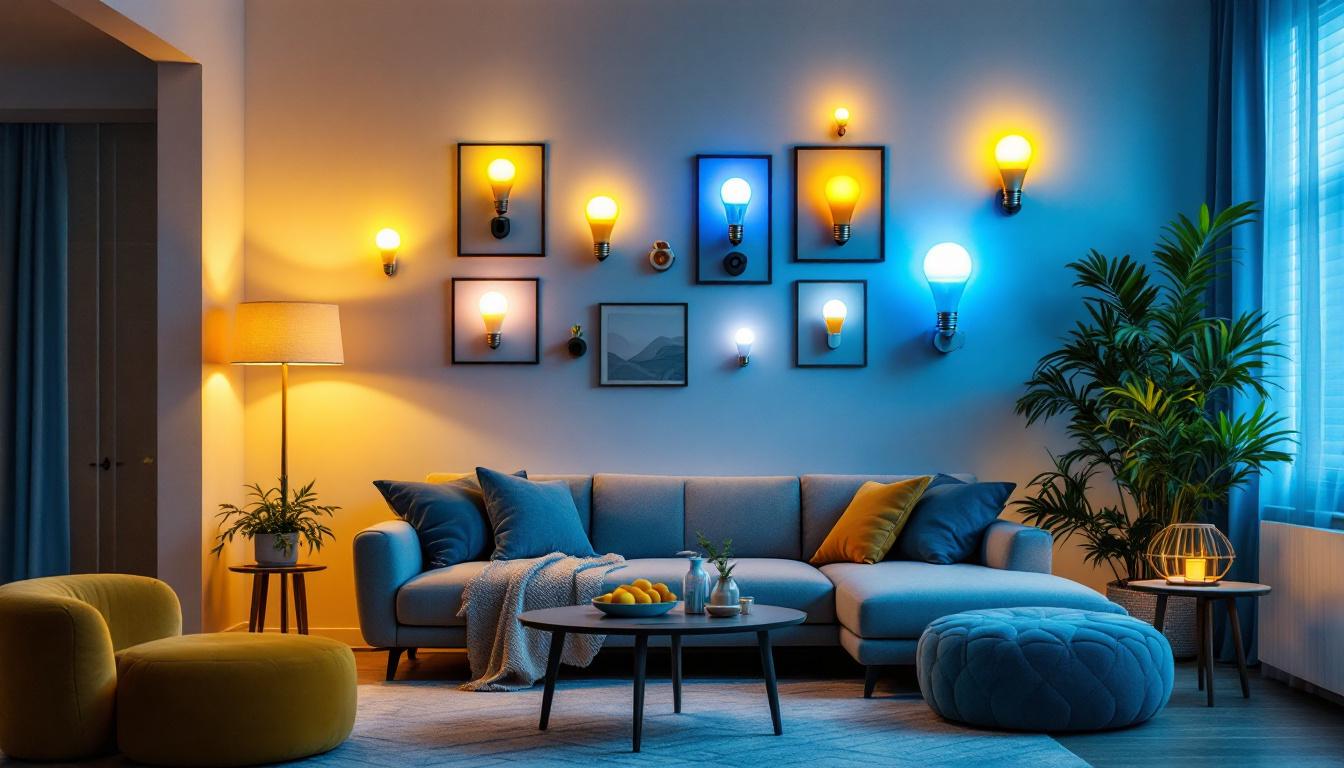
The rise of smart lighting systems has influenced lamp-with-strings designs. Contractors now incorporate wireless controls, dimmers, and color-changing LEDs into suspended lamps, enhancing functionality without sacrificing style.
Integrating smart components requires additional planning for wiring and power sources but offers clients modern convenience. Lighting contractors who master these technologies position themselves as forward-thinking professionals.
Eco-Friendly Materials and Energy Efficiency
Environmental considerations are increasingly important in lighting projects. Using recycled or sustainably sourced strings and hardware aligns with green building practices. Additionally, selecting energy-efficient bulbs and fixtures reduces operational costs and environmental impact.
Contractors can advise clients on sustainable options that don’t compromise design, helping to meet certification standards like LEED or WELL Building.
Modular and Adjustable Designs
Flexibility is a growing trend. Modular lamp-with-strings systems allow for easy reconfiguration, height adjustment, or lamp replacement without major rewiring. This adaptability appeals to commercial clients who frequently update their spaces.
Lighting contractors who offer modular solutions demonstrate an understanding of evolving client needs, enhancing their service value.
Conclusion: Becoming a Lamp With Strings Expert
Mastering lamp-with-strings installations involves a blend of technical knowledge, practical skills, and ongoing learning. Lighting contractors who invest in quality materials, leverage top resources, and stay current with trends build a reputation for excellence.
Attention to detail-from selecting the right strings to ensuring electrical safety-makes the difference between a good installation and a standout project. By embracing innovation and prioritizing safety, contractors can confidently deliver stunning lighting solutions that impress clients and stand the test of time.
Get Your Premium Lighting Supplies at LumenWholesale
Ready to elevate your lighting installations with the finest materials and the latest trends? Look no further than LumenWholesale for all your lamp with strings needs. We provide contractors with spec-grade lighting products that combine quality and affordability, ensuring your projects shine without breaking the bank. With our direct-to-contractor pricing and free shipping on bulk orders, you can trust that you’re getting the best value for your investment. Don’t let middleman markups dim your creative vision. Visit LumenWholesale today and discover the perfect blend of quality, affordability, and convenience for your next lighting masterpiece.