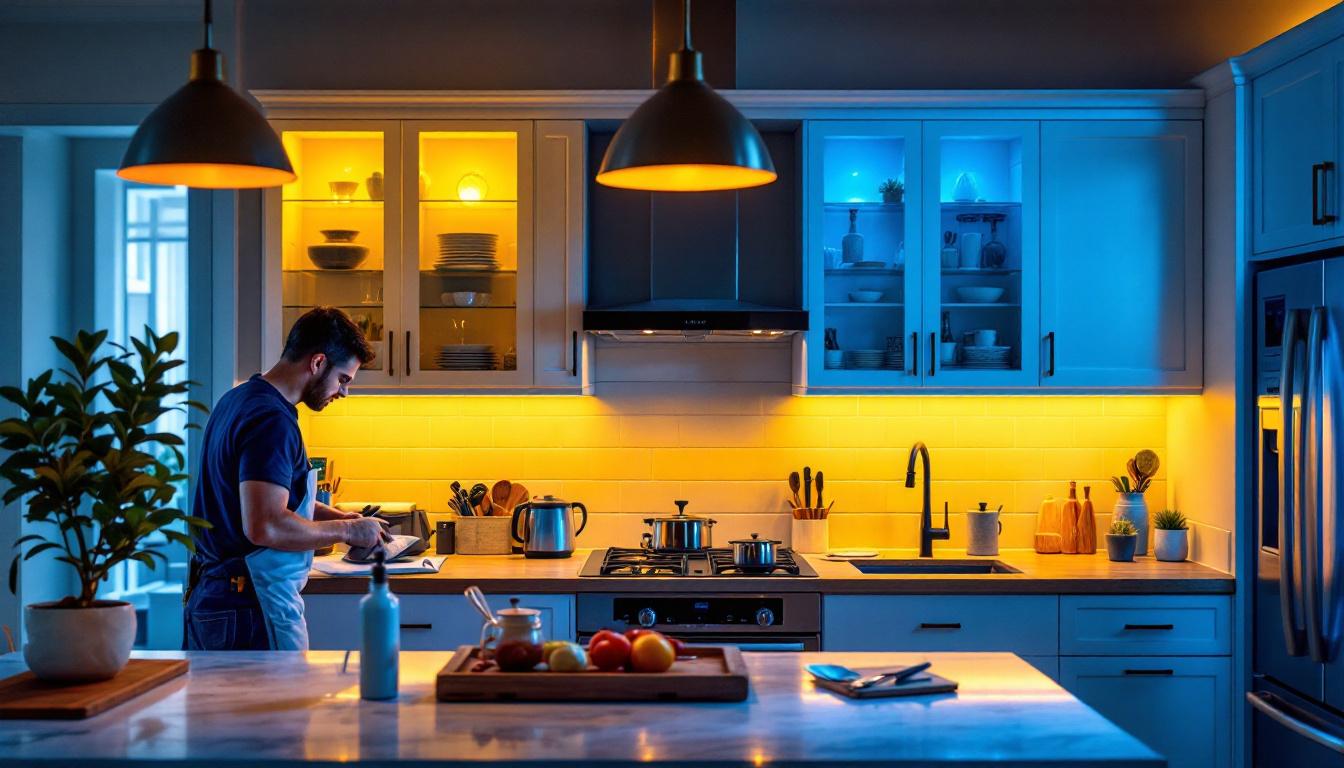
Understanding the Importance of Kitchen Lighting
Lighting is a critical element in kitchen design, not only for functionality but also for aesthetics and safety. For lighting contractors, selecting and installing the right kitchen tube lights can significantly impact the overall user experience. Kitchens are high-traffic areas where tasks such as chopping, cooking, and cleaning require clear visibility. Proper lighting reduces eye strain and enhances safety by minimizing shadows and dark spots.
Moreover, kitchen lighting contributes to the ambiance and mood of the space. It can highlight design elements like countertops, cabinetry, and backsplashes, making the kitchen more inviting. For contractors, understanding the dual role of kitchen lighting—both practical and decorative—is essential in delivering solutions that satisfy clients’ needs.
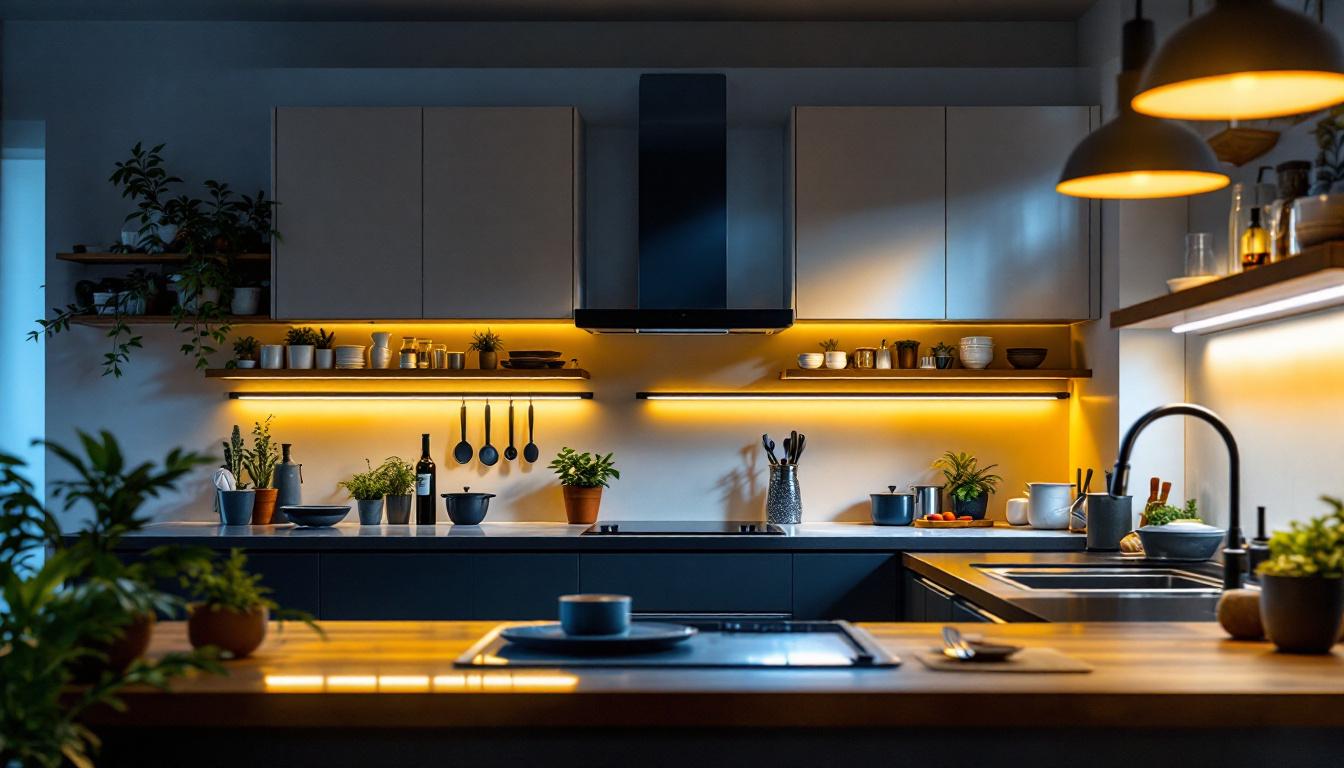
In addition to the functional aspects, the choice of lighting fixtures can also reflect personal style and enhance the overall theme of the kitchen. For instance, pendant lights over an island can serve as a focal point, drawing attention to the workspace while providing essential illumination. Similarly, under-cabinet lighting not only enhances visibility for food preparation but also adds a warm glow that can transform the kitchen into a cozy gathering spot. The right combination of ambient, task, and accent lighting can create a layered effect that adds depth and character to the space.
Furthermore, energy efficiency is an increasingly important consideration in modern kitchen lighting. With the rise of LED technology, contractors have access to a range of energy-saving options that not only reduce electricity costs but also have a longer lifespan compared to traditional bulbs. This shift towards sustainable lighting solutions aligns with the growing consumer demand for eco-friendly home improvements. By incorporating smart lighting systems that allow for dimming and color temperature adjustments, contractors can offer clients greater control over their kitchen environment, ensuring that it meets their needs throughout the day, whether it’s bright lighting for meal prep or softer tones for evening relaxation.
Types of Kitchen Tube Lights and Their Applications
Fluorescent Tube Lights
Fluorescent tube lights have long been a staple in kitchen lighting due to their energy efficiency and bright output. They provide a broad, even light that is ideal for general illumination. However, they can sometimes produce harsh light and flicker, which may not be desirable in modern kitchen designs. The flickering can be particularly bothersome in spaces where precision is key, such as when chopping vegetables or reading recipes.
For contractors, it’s important to consider the color temperature of fluorescent tubes, which usually range from cool white to daylight. Choosing a warmer color temperature can create a more welcoming environment, while cooler tones are better for task-oriented areas. Additionally, the placement of these lights can significantly affect their performance; for instance, installing them under cabinets can enhance countertop visibility, making food preparation safer and more efficient. Moreover, the use of diffusers can help to soften the light, reducing glare and creating a more comfortable ambiance.
LED Tube Lights
LED tube lights have become the preferred choice for many kitchen lighting projects. They offer superior energy efficiency, longer lifespan, and better light quality compared to fluorescent tubes. LEDs also provide greater flexibility in terms of color temperature and dimming capabilities, allowing for customized lighting solutions. This adaptability makes them particularly appealing for kitchens that serve multiple functions, from cooking to entertaining.
Lighting contractors should pay attention to the lumen output and color rendering index (CRI) when selecting LED tubes. A CRI above 80 is generally recommended for kitchens to ensure colors appear natural and vibrant, which is especially important when preparing food. Additionally, many LED tubes now come with smart technology features, enabling homeowners to control brightness and color temperature via smartphone apps or voice commands, further enhancing the kitchen’s functionality and aesthetic appeal.
T5 and T8 Tubes: Size and Efficiency Considerations
T5 and T8 refer to the diameter of the tube lights, with T5 being thinner (5/8 inch) and T8 thicker (1 inch). T5 tubes are often more energy-efficient and have a higher lumen output per watt, making them suitable for kitchens requiring bright, compact lighting fixtures. Their slim profile allows for more versatile placement options, which can be particularly beneficial in kitchens with limited overhead space.
Contractors should evaluate the existing fixtures in a kitchen before recommending tube sizes. Retrofitting older T12 fixtures with T8 or T5 tubes can improve energy efficiency and light quality. However, compatibility with ballasts and fixture design must be carefully assessed to avoid installation issues. Furthermore, the choice between T5 and T8 may also depend on the specific lighting needs of the kitchen; for instance, T5 tubes may be more suitable for areas that require focused task lighting, while T8 tubes can provide broader illumination for general areas. Understanding the unique layout and usage of the kitchen will guide contractors in making the best recommendations for their clients.
Key Considerations for Kitchen Tube Light Installation
Placement and Layering of Light
Effective kitchen lighting involves layering different types of light: ambient, task, and accent. Tube lights are often used for ambient lighting, providing general illumination across the space. However, relying solely on tube lights can result in flat lighting and shadows in work areas.
Lighting contractors should recommend combining tube lights with under-cabinet lighting, pendant lights, or recessed fixtures to create a balanced lighting scheme. Proper placement of tube lights—such as above countertops or along the ceiling perimeter—ensures even light distribution and minimizes glare.
Energy Efficiency and Sustainability
With growing emphasis on energy conservation, contractors must prioritize energy-efficient lighting solutions. LED tube lights consume significantly less power than fluorescent or incandescent options, reducing operational costs for homeowners.
Additionally, many regions have regulations and incentives promoting the use of energy-efficient lighting. Contractors should stay informed about local codes and rebate programs to provide clients with compliant and cost-effective options. Using lighting controls like dimmers and occupancy sensors can further enhance energy savings.
Safety and Compliance Standards
Kitchen lighting installations must comply with electrical safety standards and building codes. Proper grounding, secure fixture mounting, and the use of UL-listed products are essential to ensure safe operation.
Contractors should also consider moisture resistance, especially in areas near sinks or cooktops where steam and splashes are common. Choosing tube lights with appropriate IP ratings can prevent premature failure and potential hazards.
Challenges and Solutions in Kitchen Tube Light Projects
Dealing with Fixture Compatibility
One common challenge is ensuring compatibility between new tube lights and existing fixtures or ballasts. Fluorescent fixtures often have magnetic or electronic ballasts designed for specific tube types. Installing incompatible tubes can cause flickering, reduced lifespan, or failure to light.
Lighting contractors should conduct thorough assessments of existing fixtures and recommend either compatible tubes or complete fixture replacements when necessary. LED retrofit tubes designed to bypass ballasts are a popular solution but require careful wiring to maintain safety and performance.
Minimizing Glare and Shadows
Tube lights can sometimes produce glare or harsh shadows, which detract from kitchen usability. This is especially problematic in task areas like sinks and countertops where precision is needed.
Contractors can mitigate these issues by using diffusers, selecting tubes with appropriate beam angles, and combining tube lights with other lighting types. Positioning tube lights perpendicular to work surfaces rather than directly overhead can also reduce shadows.
Addressing Aesthetic Concerns
While tube lights are functional, they may not always align with modern kitchen aesthetics. Clients increasingly prefer sleek, minimalist designs that integrate lighting seamlessly.
To address this, contractors can recommend slim-profile tube fixtures, recessed lighting options, or LED strip lights as alternatives or supplements to traditional tube lights. Customizable color temperatures and dimming features also allow for mood lighting that enhances kitchen design.
Best Practices for Lighting Contractors
Conducting a Comprehensive Lighting Assessment
Before installation, a detailed assessment of the kitchen space is vital. This includes measuring dimensions, identifying task zones, and understanding client preferences. Evaluating natural light availability and existing electrical infrastructure informs the lighting design.
Contractors should use lighting calculation tools to determine the required lumen output and optimal fixture placement. Engaging clients in the planning process ensures the final lighting solution meets both functional and aesthetic expectations.
Staying Updated with Industry Trends and Technologies
The lighting industry is rapidly evolving, with continuous advancements in LED technology, smart controls, and sustainable materials. Contractors who stay informed about these developments can offer cutting-edge solutions that enhance client satisfaction and project value.
Participating in training programs, attending trade shows, and subscribing to industry publications are effective ways to maintain expertise. Familiarity with smart lighting systems that integrate with home automation can also open new business opportunities.
Ensuring Quality Installation and Customer Support
Proper installation is crucial for the longevity and performance of kitchen tube lights. Contractors should follow manufacturer guidelines meticulously and verify all electrical connections. Testing lighting systems before project completion helps identify and resolve issues early.
Providing clients with maintenance advice and warranty information fosters trust and encourages repeat business. Offering post-installation support, such as troubleshooting and upgrades, further distinguishes professional contractors in a competitive market.
Conclusion
Kitchen tube lights remain a foundational component of kitchen lighting, offering efficient and effective illumination when selected and installed correctly. For lighting contractors, understanding the nuances of tube light types, installation challenges, and client needs is essential to delivering high-quality results.
By combining technical knowledge with a focus on energy efficiency, safety, and aesthetics, contractors can enhance kitchen environments and elevate their professional reputation. Embracing innovation and maintaining a client-centered approach ensures success in the dynamic field of kitchen lighting.
Illuminate Your Projects with LumenWholesale
Ready to take your kitchen lighting projects to the next level? At LumenWholesale, we provide lighting contractors with the highest quality, spec-grade kitchen tube lights at unbeatable wholesale prices. Say goodbye to local distributor markups and hello to a vast selection of reliable, high-performance lighting that meets the most rigorous industry standards. Make the smart choice for your business and benefit from our hassle-free bulk buying experience, complete with free shipping. Elevate your kitchen lighting installations with the perfect blend of quality, affordability, and convenience. Discover the best value in wholesale lighting by visiting LumenWholesale today.