Kitchen Cabinet Lighting LED: Hacks for Smart Lighting Contractors
Kitchen cabinet lighting has evolved significantly over the years, with LED technology leading the charge. For lighting contractors, understanding the nuances of LED installations in kitchen cabinetry can elevate a project from ordinary to extraordinary. This article explores innovative hacks and practical tips that can enhance your approach to kitchen cabinet lighting, ensuring that your clients enjoy both functionality and aesthetic appeal.
The Importance of LED Lighting in Kitchen Cabinets
LED lighting has become the preferred choice for kitchen cabinets due to its energy efficiency, longevity, and versatility. Unlike traditional incandescent bulbs, LEDs consume significantly less power and have a much longer lifespan, making them a cost-effective solution for homeowners.
Moreover, the ability to produce a variety of color temperatures allows contractors to tailor lighting to specific design preferences. Whether the goal is to create a warm, inviting atmosphere or a bright, modern space, LED lights can achieve the desired effect with ease.
Energy Efficiency and Cost Savings
One of the most compelling reasons to recommend LED lighting is its energy efficiency. LEDs use up to 75% less energy than incandescent bulbs, which translates to lower electricity bills for homeowners. This is particularly beneficial in kitchen spaces where lighting is often used for extended periods.
Additionally, the longevity of LED lights—often lasting up to 25,000 hours—means fewer replacements and reduced maintenance costs. For contractors, this not only enhances client satisfaction but also positions them as knowledgeable professionals who prioritize sustainable solutions.
Furthermore, the environmental impact of using LED lighting cannot be understated. By reducing energy consumption, LEDs contribute to lower greenhouse gas emissions, making them a more eco-friendly choice. Homeowners who opt for LED lighting can feel good about their decision, knowing they are making a positive contribution to the planet while enjoying the benefits of modern technology.
Design Flexibility
LEDs come in various shapes, sizes, and colors, providing unparalleled design flexibility. Whether it’s under-cabinet lighting, inside cabinet illumination, or accent lighting, LEDs can be integrated seamlessly into any kitchen design. Contractors can choose from strip lights, puck lights, or even recessed options, depending on the specific needs of the project.
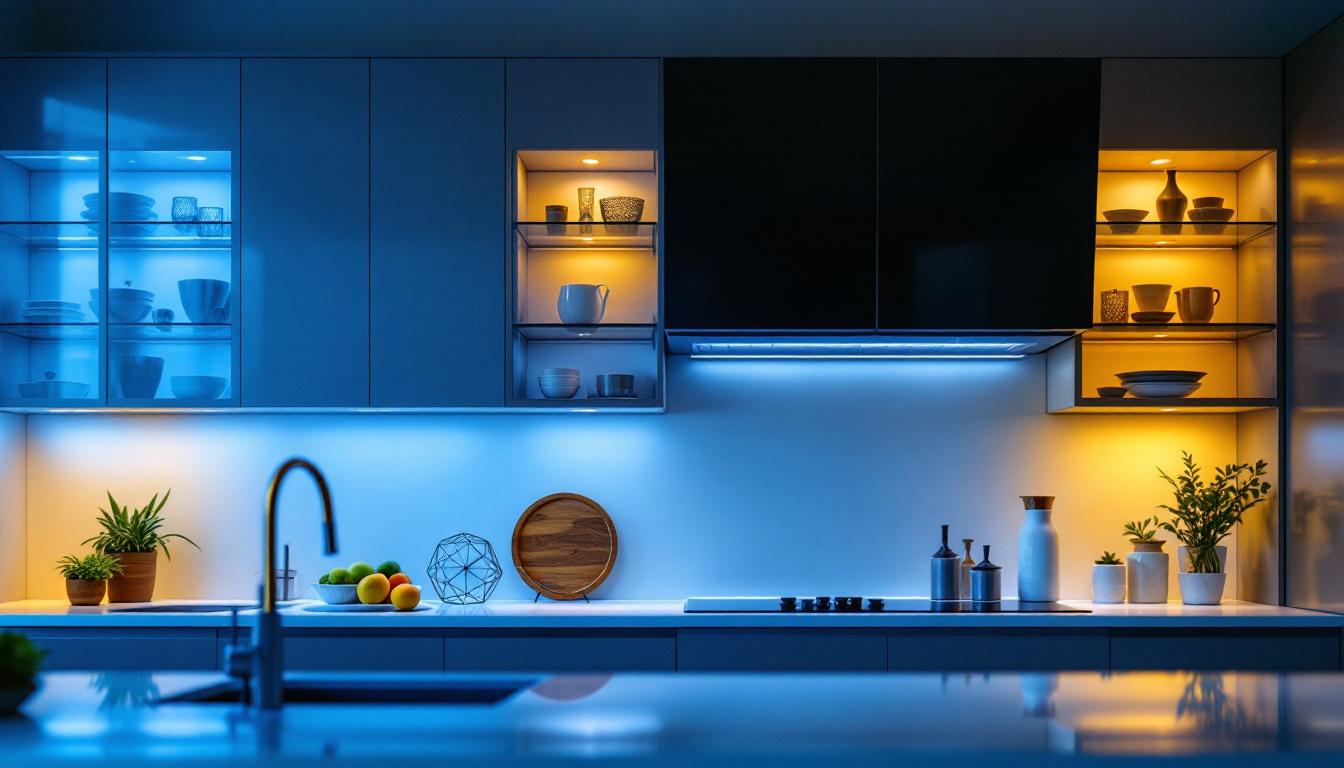
This versatility allows for creative applications, such as illuminating glass-front cabinets or highlighting decorative items on shelves. By understanding the different types of LED fixtures available, contractors can offer tailored solutions that enhance the overall aesthetic of the kitchen.
In addition to their functional benefits, LED lights can also serve as a design statement. With options like color-changing LEDs, homeowners can customize their kitchen ambiance for different occasions, whether it’s a cozy dinner party or a vibrant family gathering. This adaptability not only elevates the kitchen’s design but also transforms the way the space is experienced, making it a focal point for both cooking and socializing.
Best Practices for Installing LED Cabinet Lighting
While the benefits of LED lighting are clear, the installation process can be complex. Here are some best practices that lighting contractors should consider to ensure a successful installation.
Planning the Layout
Before installation begins, a well-thought-out lighting plan is essential. Assess the kitchen layout and identify key areas that require illumination. Consider the height of the cabinets, the type of materials used, and the overall design theme.
It’s also important to think about the functionality of the lighting. For instance, under-cabinet lighting should provide ample task lighting for food preparation, while accent lighting can highlight decorative elements. A balanced approach will ensure that the lighting serves both practical and aesthetic purposes. Additionally, it’s beneficial to visualize the lighting effects by using design software or mock-ups. This can help clients see how different lighting placements will impact the overall ambiance of the space, allowing for adjustments before any physical work begins.
Choosing the Right Fixtures
Selecting the appropriate fixtures is crucial for achieving the desired effect. When choosing LED lights for kitchen cabinets, consider factors such as brightness (measured in lumens), color temperature (measured in Kelvin), and beam angle.
For task lighting, a higher lumen output is recommended to ensure sufficient brightness. In contrast, for ambient or accent lighting, softer, warmer tones may be more suitable. Understanding these specifications allows contractors to make informed decisions that align with their clients’ needs. Furthermore, exploring various fixture styles, such as strip lights, puck lights, or linear fixtures, can enhance the design. Each style offers unique benefits and can be integrated seamlessly into different cabinet designs, contributing to a cohesive look throughout the kitchen.
Wiring and Power Considerations
Proper wiring is essential for any lighting installation, and LED cabinet lighting is no exception. Ensure that the electrical system can handle the load of the new fixtures, and consider using low-voltage systems for added safety and efficiency.
Additionally, incorporating dimmer switches can enhance the versatility of the lighting setup. This allows homeowners to adjust the brightness according to their preferences, creating different moods for various occasions. It’s also wise to plan for future upgrades or changes; installing additional outlets or using modular wiring can make it easier to adapt the lighting system as needs evolve. Moreover, consider the positioning of power sources to minimize visible wiring and maintain a clean aesthetic, ensuring that the lighting enhances the kitchen’s design rather than detracts from it.
Innovative Hacks for Enhancing LED Cabinet Lighting
Beyond the basics, there are several innovative hacks that can take LED cabinet lighting to the next level. These tips can help contractors stand out in a competitive market and provide exceptional value to their clients.
Utilizing Smart Technology
Smart lighting technology has gained popularity in recent years, and integrating it into kitchen cabinet lighting can offer significant advantages. By incorporating smart LED bulbs or fixtures, contractors can provide homeowners with the ability to control their lighting remotely via smartphones or voice-activated devices.
This technology not only adds convenience but also enhances energy efficiency. Homeowners can set schedules, adjust brightness, and even change colors to suit their mood or occasion. Offering smart solutions can differentiate contractors from competitors and appeal to tech-savvy clients.
Incorporating Motion Sensors
Motion sensors are an excellent addition to kitchen cabinet lighting, providing hands-free operation and energy savings. By installing motion-activated lights, homeowners can enjoy automatic illumination when they approach the cabinets, enhancing both convenience and safety.
These sensors can be particularly useful in kitchens where hands may be full or dirty. Contractors can recommend specific types of sensors that work well with LED fixtures, ensuring a seamless integration into the overall lighting design.
Creating Layered Lighting Effects
Layered lighting is a design technique that involves combining different types of lighting to create a dynamic and visually appealing space. In kitchen cabinets, this can be achieved by mixing ambient, task, and accent lighting.
For example, under-cabinet task lights can be paired with inside-cabinet accent lights to highlight decorative items. By layering different lighting sources, contractors can create depth and interest in the kitchen, making it a more inviting space for homeowners.
Common Mistakes to Avoid in LED Cabinet Lighting Installation
Even experienced contractors can make mistakes during the installation process. Being aware of common pitfalls can help ensure a smoother project and greater client satisfaction.
Overlooking the Importance of Color Temperature
One common mistake is not paying attention to the color temperature of the LED lights. Different areas of the kitchen may require different lighting temperatures. For instance, cooler temperatures (5000K and above) are great for task areas, while warmer temperatures (2700K to 3000K) create a cozy atmosphere in dining areas.
Contractors should take the time to discuss color preferences with clients and choose fixtures that complement the overall design scheme. This attention to detail can significantly impact the final result.
Neglecting Proper Placement
Another mistake is improper placement of LED fixtures. Poorly positioned lights can create shadows or uneven illumination, detracting from the functionality and aesthetics of the space. It’s essential to consider the height and angle of the fixtures to ensure optimal lighting coverage.
Contractors should test the lighting layout before finalizing the installation, making adjustments as necessary to achieve the best results. This proactive approach can save time and resources in the long run.
Failing to Consider Future Needs
When installing LED cabinet lighting, it’s crucial to consider the potential future needs of the homeowner. As kitchen designs evolve, so too may the lighting requirements. Contractors should discuss the possibility of future upgrades or changes with clients and design the installation accordingly.
For instance, leaving space for additional fixtures or wiring for smart technology can make future enhancements easier and more cost-effective. This foresight can enhance the contractor’s reputation as a forward-thinking professional.
Conclusion: Elevating Kitchen Spaces with LED Lighting
Kitchen cabinet lighting is an essential element of modern kitchen design, and LED technology offers numerous benefits for both contractors and homeowners. By understanding the importance of energy efficiency, design flexibility, and the best practices for installation, lighting contractors can create stunning and functional spaces.
Incorporating innovative hacks, such as smart technology and motion sensors, can further enhance the appeal of LED cabinet lighting. By avoiding common mistakes and considering future needs, contractors can ensure that their installations stand the test of time.
Ultimately, the goal is to create a kitchen environment that is not only visually appealing but also functional and efficient. By leveraging the power of LED lighting, contractors can transform ordinary kitchens into extraordinary spaces, delighting their clients and solidifying their reputation in the industry.
Get Your Premium LED Cabinet Lighting at LumenWholesale
Ready to elevate your kitchen cabinet lighting projects with the efficiency and elegance of LED technology? Look no further than LumenWholesale for all your lighting needs. We offer contractors an unbeatable selection of spec-grade LED lighting products at wholesale prices that simply can’t be matched by local distributors. With our commitment to quality, affordability, and convenience, you’ll find everything you need to impress your clients and illuminate their spaces beautifully. Plus, with free shipping on bulk orders, you can stock up on superior lighting solutions without worrying about hidden fees. Don’t compromise on quality or value—visit LumenWholesale now and discover the best in wholesale lighting at the best value.