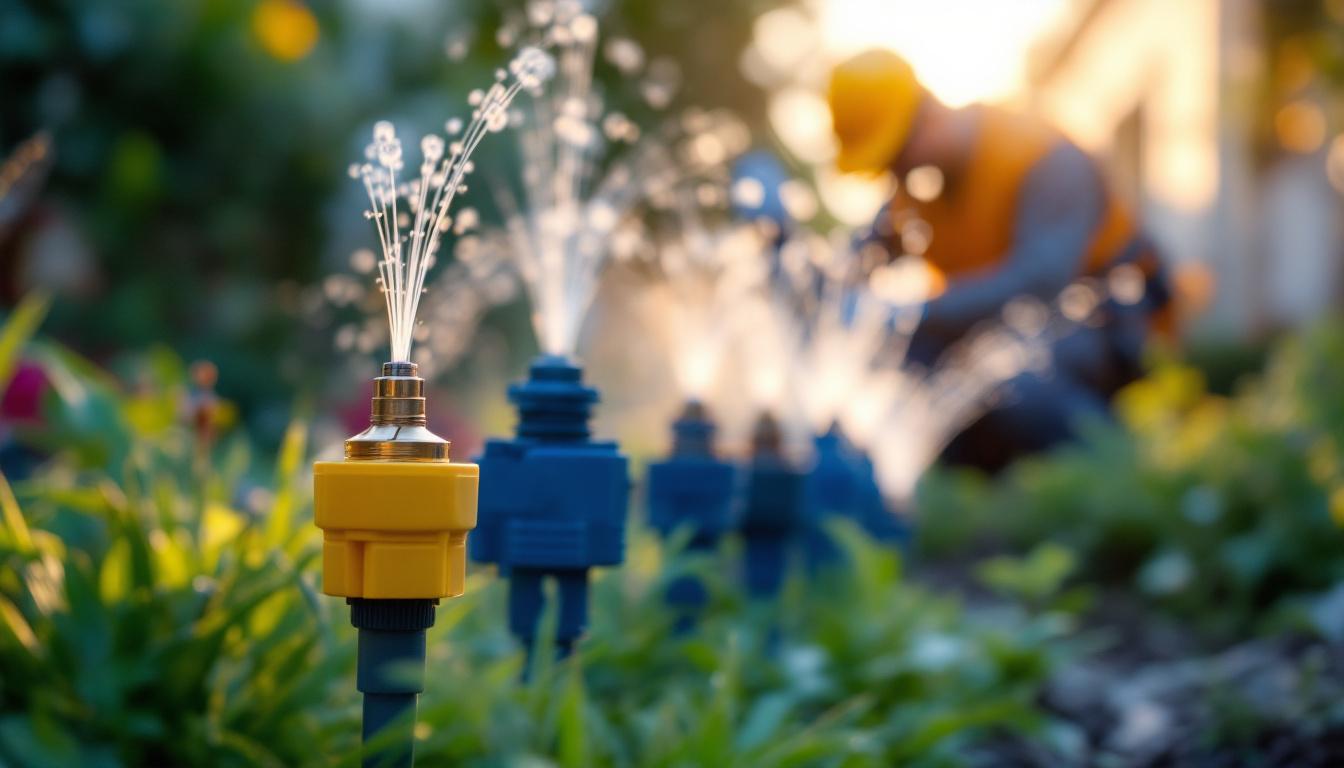
Understanding the Role of Irrigation Wire Connectors in Landscape Lighting
For lighting contractors, the integration of irrigation systems with landscape lighting is a nuanced task that demands precision and expertise. At the heart of this integration lies the often-overlooked component: irrigation wire connectors. These connectors serve as the critical junction points where electrical wiring meets the irrigation system’s control mechanisms, ensuring seamless operation and safety.
Properly installed irrigation wire connectors not only facilitate efficient electrical connections but also protect wiring from moisture, corrosion, and mechanical damage. Given that irrigation systems frequently operate in wet environments, the choice and application of these connectors can significantly impact the longevity and reliability of lighting installations.
Why Irrigation Wire Connectors Matter to Lighting Contractors
Lighting contractors must appreciate that irrigation wire connectors are more than just simple electrical junctions. They are the linchpins that maintain system integrity under challenging conditions. Faulty or substandard connectors can lead to short circuits, intermittent lighting failures, or even pose safety hazards due to water ingress.
Moreover, the complexity of modern landscape lighting often requires connectors that can handle multiple wire gauges, various insulation types, and environmental stressors. Understanding the specifications and best practices for irrigation wire connectors is therefore essential for contractors who want to deliver reliable, professional-grade installations.
In addition to their functional importance, the aesthetic aspect of landscape lighting can also be influenced by the quality of irrigation wire connectors. Well-designed connectors can be discreetly installed, ensuring that the visual appeal of the landscape is not compromised by unsightly wiring. This attention to detail can enhance the overall ambiance of outdoor spaces, making them more inviting and enjoyable for homeowners and guests alike. Furthermore, as landscape designs evolve to incorporate smart technology, the need for connectors that can support advanced features such as remote control and programmable settings becomes increasingly vital.
Additionally, the selection of irrigation wire connectors can also impact the ease of maintenance and troubleshooting in landscape lighting systems. High-quality connectors often come with features that allow for quick disconnection and reconnection, making it simpler for contractors to perform repairs or upgrades without extensive downtime. This efficiency not only saves time but also minimizes disruption to the landscape, allowing the natural beauty of the outdoor environment to shine through while ensuring that lighting remains functional and effective.
Types of Irrigation Wire Connectors and Their Applications
There is a diverse range of irrigation wire connectors available, each designed to meet specific needs and installation environments. Selecting the right type depends on factors such as wire size, environmental exposure, and the nature of the irrigation and lighting systems involved.
Waterproof Wire Nuts
Waterproof wire nuts are among the most commonly used connectors in irrigation and landscape lighting. They feature a sealing compound inside the cap that prevents moisture from penetrating the connection. These connectors are especially useful in above-ground junction boxes or areas where wires are exposed to occasional water spray.
Experts recommend using waterproof wire nuts rated for outdoor use with UV-resistant materials to ensure durability. Additionally, it’s crucial to twist wires securely before applying the nut to maintain a solid mechanical and electrical connection. Proper installation not only enhances performance but also extends the lifespan of the wiring system, reducing the need for frequent repairs or replacements. Furthermore, using color-coded wire nuts can simplify the identification of connections, making troubleshooting and maintenance more efficient.
Gel-Filled Wire Connectors
Gel-filled connectors provide an extra layer of protection by encapsulating the wire connections in a moisture-resistant gel. This gel acts as a barrier against water, dirt, and corrosion, making these connectors ideal for underground irrigation wiring or locations prone to standing water.
Lighting contractors often favor gel-filled connectors for their ease of use and long-lasting protection. However, they must ensure the gel remains intact during installation and avoid mixing connectors from different manufacturers to maintain compatibility. Additionally, gel-filled connectors can be particularly advantageous in regions with extreme weather conditions, as they can withstand temperature fluctuations and resist degradation from environmental factors. This reliability makes them a preferred choice for long-term installations, where maintenance access may be limited.
Heat-Shrink Butt Connectors
Heat-shrink butt connectors combine mechanical crimping with a heat-activated shrink sleeve that seals the connection. These connectors offer superior protection against moisture ingress and mechanical stress, making them suitable for high-performance lighting systems integrated with irrigation.
While installation requires a heat gun and some skill, the resulting connections are robust and reliable. Many contractors consider heat-shrink connectors the gold standard for underground or buried wiring where longevity is paramount. The heat-shrink feature not only provides a tight seal but also reinforces the connection against vibrations and movement, which can be common in irrigation systems. Moreover, these connectors are available in various sizes, accommodating different wire gauges, which adds to their versatility in diverse applications.
Push-In Wire Connectors
Push-in wire connectors have gained popularity due to their ease and speed of installation. They allow wires to be inserted directly into the connector without twisting or crimping. However, their suitability for irrigation systems is often debated among experts.
While push-in connectors can be used in dry, protected environments, lighting contractors generally advise caution when deploying them in irrigation applications due to potential moisture exposure. When used, they should be housed within waterproof enclosures to mitigate risk. Additionally, the design of push-in connectors can vary, with some featuring spring-loaded mechanisms that provide a secure hold on the wire, while others may not offer the same level of grip. This variability can affect the reliability of the connection over time, especially in environments where movement or vibration is a concern. Therefore, careful consideration of the specific application and environmental conditions is essential when opting for push-in wire connectors.
Best Practices for Installing Irrigation Wire Connectors
Proper installation techniques are as important as selecting the right connector type. Lighting contractors emphasize that attention to detail during installation can prevent future failures and maintenance headaches.
Preparing the Wires
Before connecting, wires should be stripped to the manufacturer’s recommended length, ensuring clean, undamaged conductors. Removing any corrosion or oxidation from wire ends is essential for optimal conductivity.
Contractors also recommend twisting stranded wires tightly to prevent fraying and to ensure a solid connection within the connector. For solid-core wires, care must be taken not to nick or damage the conductor during stripping.
Ensuring a Moisture-Tight Seal
Since irrigation systems inherently expose wiring to water, creating a moisture-tight seal is non-negotiable. This includes using connectors with built-in sealing features or applying additional sealing compounds or tapes where appropriate.
Lighting contractors often use dielectric grease on connections to repel moisture and prevent corrosion. Additionally, placing connectors inside waterproof junction boxes or enclosures adds an extra layer of protection.
Testing Connections Before Finalizing
After installation, it is critical to test all connections for continuity and proper operation. Using a multimeter to verify voltage and resistance helps identify any loose or faulty connections before burying or sealing the wiring.
Contractors also recommend running the irrigation and lighting systems through a full operational cycle to observe any intermittent issues that might arise from environmental factors.
Common Challenges and How to Overcome Them
Despite best efforts, lighting contractors frequently encounter challenges when working with irrigation wire connectors. Understanding these common issues and how to address them is key to successful installations.
Corrosion and Oxidation
One of the most persistent problems is corrosion caused by moisture and soil chemicals. Over time, this can degrade connections, leading to failures. Using connectors made from corrosion-resistant materials such as copper or tin-plated metals can mitigate this risk.
Regular inspection and maintenance schedules are also recommended, especially for systems in harsh environments or where irrigation water contains high mineral content.
Mechanical Stress and Wire Movement
Vibrations from irrigation valves or shifting soil can cause wires to loosen or connectors to fail. Securing wires with cable ties and strain reliefs helps reduce mechanical stress on connections.
Lighting contractors also advise avoiding sharp bends or kinks near connectors and ensuring that wires have enough slack to accommodate movement without pulling on the connectors.
Compatibility Issues
Using mismatched connectors and wires can lead to poor connections and safety hazards. It is essential to match connectors to the wire gauge and insulation type specified by the manufacturer.
Contractors should also avoid mixing connector brands or types within the same connection to maintain consistent performance and compliance with electrical codes.
Emerging Trends and Innovations in Irrigation Wire Connectors
The field of irrigation wire connectors continues to evolve, driven by advances in materials science and the increasing complexity of landscape lighting systems.
Smart Connectors with Diagnostic Capabilities
Some manufacturers are developing connectors embedded with sensors that monitor connection integrity and environmental conditions. These smart connectors can alert contractors or property owners to potential issues before failures occur, enabling proactive maintenance.
While still emerging, such technology promises to enhance system reliability and reduce downtime, particularly in commercial or large-scale installations.
Eco-Friendly and Sustainable Materials
With growing environmental awareness, there is a push toward connectors made from recyclable or biodegradable materials without compromising durability. These innovations aim to reduce the ecological footprint of irrigation and lighting systems.
Lighting contractors may find value in these products as part of green building initiatives or LEED-certified projects, aligning with client sustainability goals.
Improved Installation Tools and Techniques
Advancements in installation tools, such as precision crimpers and heat guns with temperature control, are making it easier for contractors to achieve perfect connections consistently. Training and certification programs are also enhancing installer expertise.
These developments contribute to higher quality installations, reduced labor time, and improved customer satisfaction.
Conclusion: Mastering Irrigation Wire Connectors for Superior Lighting Installations
For lighting contractors, mastering the selection and installation of irrigation wire connectors is a cornerstone of delivering durable, safe, and aesthetically pleasing landscape lighting systems. By understanding the types of connectors, adhering to best practices, and staying abreast of industry innovations, contractors can overcome common challenges and elevate their craftsmanship.
Investing time in proper connector installation not only reduces maintenance costs but also enhances client trust and project reputation. As irrigation and lighting technologies continue to converge, expertise in irrigation wire connectors will remain an invaluable asset for lighting professionals committed to excellence.
Get Your Premium Irrigation Wire Connectors at LumenWholesale
Ready to enhance your landscape lighting installations with the best irrigation wire connectors on the market? Look no further than LumenWholesale, where we offer an extensive selection of high-quality, spec-grade lighting products at unbeatable wholesale prices. Say goodbye to inflated markups and hello to superior performance and reliability for every project. Plus, with free shipping on bulk orders, you can stock up on all the essentials without any hidden fees. Elevate your lighting game and ensure your installations stand the test of time with LumenWholesale. Wholesale Lighting at the Best Value is just a click away.