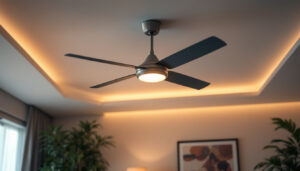
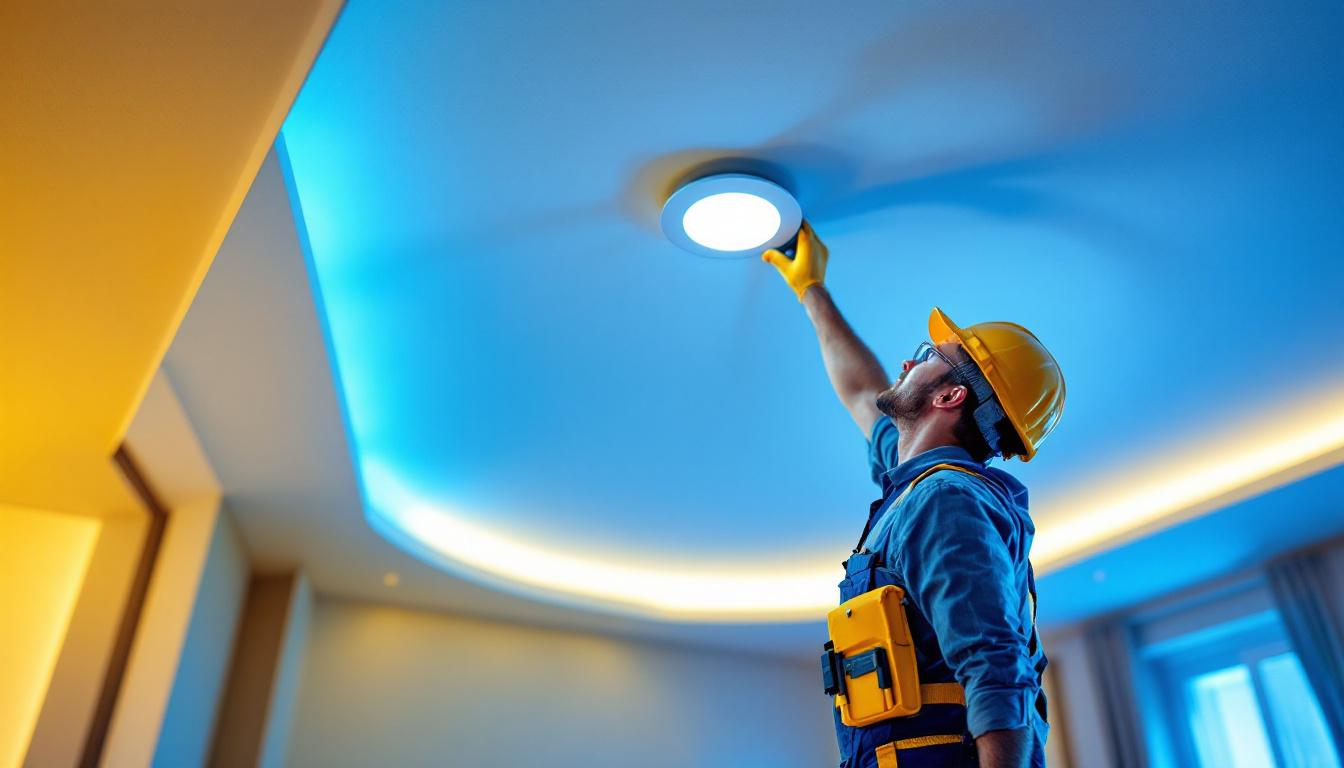
As the demand for innovative lighting solutions continues to rise, interior ceiling lights have become a focal point for many residential and commercial projects. Lighting contractors play a pivotal role in transforming spaces through effective lighting design and installation. This article explores various hacks and strategies that can enhance the efficiency and effectiveness of lighting contractors when working with interior ceiling lights.
Understanding the Basics of Interior Ceiling Lighting
Before diving into advanced techniques and hacks, it is essential for lighting contractors to have a solid understanding of the basics of interior ceiling lighting. This foundational knowledge will facilitate better decision-making and enhance the quality of installations. A well-thought-out lighting plan can transform a space, making it feel larger, more inviting, and tailored to the needs of its occupants. Therefore, grasping the nuances of interior lighting is not just beneficial; it is crucial for creating environments that resonate with comfort and style.
Types of Interior Ceiling Lights
Interior ceiling lights come in various types, each serving unique purposes. Recessed lights, also known as can lights, provide a sleek and modern look, perfect for minimalist designs. Pendant lights, on the other hand, can serve as statement pieces, adding character to a room. Flush mount and semi-flush mount lights are versatile options that can fit various ceiling heights and styles. Each type of lighting fixture can dramatically alter the perception of space, influencing both the functionality and the ambiance of a room.
Understanding the differences between these types can help contractors recommend the best solutions for their clients’ needs. For instance, while recessed lights are great for general illumination, pendant lights can be strategically placed over dining areas or kitchen islands to create focal points. Moreover, track lighting can be an excellent choice for showcasing artwork or architectural features, allowing homeowners to highlight their favorite elements while maintaining overall balance in the room. The right combination of these fixtures can lead to a harmonious and inviting atmosphere that reflects the homeowner’s personal style.
Lighting Design Principles
Effective lighting design is more than just choosing the right fixtures; it involves understanding how light interacts with space. Key principles include layering light, which involves combining ambient, task, and accent lighting to create a well-rounded atmosphere. Additionally, considering the color temperature of bulbs can significantly impact the mood of a room. Warmer tones tend to create a cozy environment, while cooler tones can enhance focus and productivity. Understanding these principles allows contractors to tailor their designs to the specific needs of each space, ensuring that every room serves its intended purpose while also being visually appealing.
By applying these principles, lighting contractors can elevate their projects, ensuring that each space is not only functional but also aesthetically pleasing. Furthermore, the integration of smart lighting technology can add another layer of sophistication, allowing homeowners to control their lighting through apps or voice commands. This not only enhances convenience but also promotes energy efficiency, as users can adjust lighting levels based on their daily activities. As the demand for innovative lighting solutions continues to grow, staying informed about the latest trends and technologies will be essential for contractors aiming to provide exceptional service and design expertise.
Smart Lighting Solutions
With the rise of smart home technology, integrating smart lighting solutions into interior ceiling lights has become increasingly popular. These solutions not only enhance convenience but also offer energy efficiency and customization.
Benefits of Smart Lighting
Smart lighting systems allow users to control their lights remotely via smartphone apps or voice commands. This capability can significantly enhance the user experience, providing flexibility in how spaces are illuminated. For example, homeowners can adjust the brightness or color of their ceiling lights depending on the time of day or the activity taking place.
Moreover, smart lighting can contribute to energy savings. Many systems offer scheduling features that enable lights to turn off automatically when not in use, reducing electricity consumption. For contractors, promoting these benefits can lead to increased client satisfaction and potential referrals.
Installation Tips for Smart Lighting
When installing smart lighting solutions, it is crucial to ensure compatibility with existing electrical systems. Contractors should always check the specifications of the smart bulbs or fixtures to confirm they can be integrated seamlessly. Additionally, providing clients with clear instructions on how to use their new smart lighting can enhance their overall experience.
Another tip is to consider the layout of the space when installing smart lighting. Positioning smart lights in strategic locations can maximize their effectiveness and ensure that users can easily control them from various points in the room.
Energy Efficiency and Sustainability
As sustainability becomes a priority for many clients, lighting contractors must be prepared to offer energy-efficient solutions. Interior ceiling lights are no exception, and there are several strategies to enhance their efficiency.
Choosing the Right Bulbs
LED bulbs have revolutionized the lighting industry due to their energy efficiency and longevity. By replacing traditional incandescent bulbs with LED options, contractors can help clients reduce their energy consumption significantly. Additionally, LED bulbs are available in various color temperatures, making it easy to achieve the desired ambiance.
Contractors should also educate clients about the benefits of dimmable LED options. These bulbs allow users to adjust brightness levels, providing further energy savings and enhancing the versatility of their lighting design.
Utilizing Natural Light
Incorporating natural light into interior designs is another effective way to enhance energy efficiency. Contractors should assess the layout of a space to identify opportunities for maximizing daylight. This could involve strategically placing mirrors to reflect light or recommending lighter paint colors that can help brighten a room.
By combining artificial lighting with natural light, contractors can create a more sustainable and inviting environment for their clients.
Creative Installation Hacks
In the world of lighting installation, creativity can set contractors apart from the competition. Here are some innovative hacks that can streamline the installation process and enhance the overall aesthetic of ceiling lights.
Using Adjustable Mounts
Adjustable mounts can be a game-changer when it comes to installing recessed lights. These mounts allow for flexibility in positioning, making it easier to achieve the desired lighting effect. Contractors can use adjustable mounts to create interesting lighting patterns or to highlight specific areas within a room.
Additionally, adjustable mounts can simplify the installation process, as they can accommodate various ceiling heights and angles. This adaptability can save time and reduce the likelihood of errors during installation.
Creating Layered Lighting Effects
Layering lighting can add depth and dimension to a space. Contractors can achieve this by combining different types of ceiling lights, such as recessed lights with pendant fixtures. By varying the heights and placements of these fixtures, they can create a visually appealing and functional lighting scheme.
Moreover, using dimmers in conjunction with layered lighting can further enhance the atmosphere of a room. This flexibility allows clients to adjust the lighting based on their needs, whether it’s for a cozy evening or a lively gathering.
Maintenance and Troubleshooting
Regular Maintenance Checks
Contractors can provide clients with a simple maintenance checklist to follow, empowering them to take an active role in caring for their lighting systems. This proactive approach can enhance client satisfaction and foster long-term relationships.
Troubleshooting Common Issues
Lighting contractors should be familiar with common issues that clients may encounter, such as flickering lights or sudden outages. Understanding the potential causes, such as faulty wiring or incompatible bulbs, can help contractors provide quick and effective solutions.
Additionally, offering troubleshooting tips during the initial installation can empower clients to resolve minor issues independently, further enhancing their experience with the lighting system.
Staying Updated with Trends
The lighting industry is continually evolving, with new trends and technologies emerging regularly. For lighting contractors, staying updated with these trends is crucial for remaining competitive and meeting client demands.
Exploring New Technologies
Emerging technologies, such as smart lighting systems and energy-efficient fixtures, are reshaping the landscape of interior lighting. Contractors should invest time in researching these advancements and attending industry conferences or workshops to gain insights into the latest innovations.
By staying informed, contractors can offer their clients cutting-edge solutions that enhance functionality and aesthetics, ultimately leading to increased satisfaction and referrals.
Design Trends to Consider
In addition to technological advancements, design trends also play a significant role in lighting choices. Minimalist designs, industrial styles, and biophilic elements are gaining popularity in interior design. Contractors should be aware of these trends to provide clients with relevant and stylish options.
Incorporating trending design elements into lighting installations can enhance the overall appeal of a space, making it more attractive to potential buyers or visitors.
Conclusion
Interior ceiling lights are an integral component of any lighting project, and lighting contractors hold the key to unlocking their full potential. By understanding the basics, embracing smart solutions, prioritizing energy efficiency, and employing creative installation hacks, contractors can elevate their work and exceed client expectations.
As the industry continues to evolve, staying informed about new technologies and design trends will be essential for maintaining a competitive edge. Ultimately, the goal is to create spaces that are not only functional but also beautiful, enhancing the quality of life for those who inhabit them.
Illuminate Your Projects with LumenWholesale
Ready to take your lighting projects to the next level? At LumenWholesale, we provide lighting contractors like you with the highest quality, spec-grade interior ceiling lights at prices that can’t be beaten. Say goodbye to local distributor markups and hello to our extensive selection that meets the most rigorous industry standards. With free shipping on bulk orders, you can trust that you’re getting premium lighting at the best value, with no hidden fees or compromises. Elevate your lighting installations today and enhance the quality of life in every space you illuminate. Wholesale Lighting at the Best Value is just a click away.