Lighting plays a pivotal role in the ambiance and functionality of any kitchen, especially in industrial settings where both aesthetics and practicality are paramount. For lighting contractors, understanding the nuances of industrial lamp kitchens can significantly enhance their service offerings. This article delves into top resources and strategies that can help lighting professionals master the art of industrial kitchen lighting design.
Understanding Industrial Kitchen Lighting
Industrial kitchens are characterized by their robust functionality and high efficiency. The lighting in these environments must not only illuminate the workspace effectively but also withstand the rigors of a commercial kitchen. This section explores the essential aspects of industrial kitchen lighting.
The Importance of Task Lighting
Task lighting is crucial in an industrial kitchen, where chefs and staff need to perform various tasks with precision. This type of lighting focuses on specific areas, such as prep stations, cooking surfaces, and dishwashing areas. By providing adequate illumination, task lighting reduces the risk of accidents and improves overall productivity.
Consider using LED fixtures that offer adjustable brightness levels. This flexibility allows workers to customize the lighting according to their specific tasks, ensuring optimal visibility at all times. Furthermore, the color temperature of the lights can also play a significant role in enhancing the work environment. Warmer light can create a more inviting atmosphere, while cooler light can help maintain alertness and focus, making it easier for staff to perform their duties efficiently.
Choosing the Right Fixtures
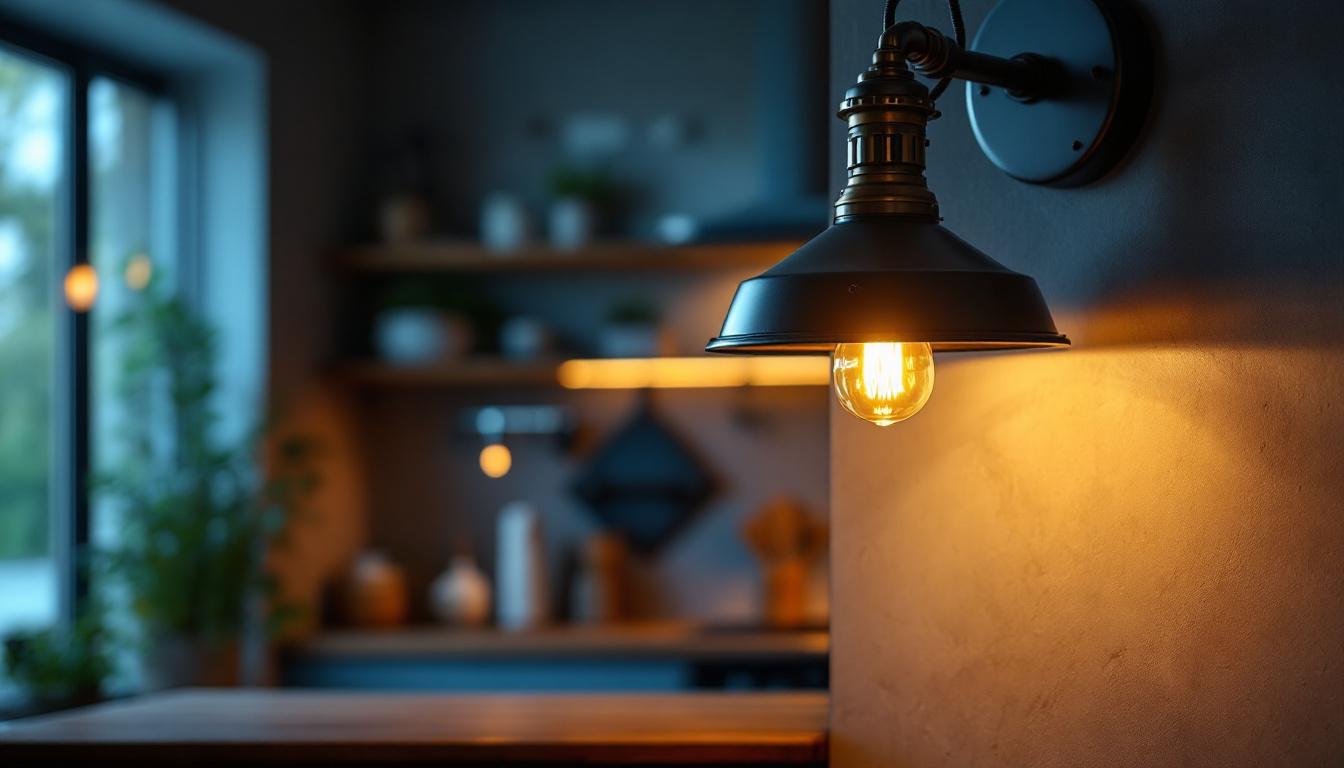
The choice of fixtures can significantly impact the overall effectiveness of the lighting design. Industrial kitchens often benefit from pendant lights, track lighting, and recessed fixtures. Pendant lights can be strategically placed above workstations to provide direct illumination, while track lighting can be adjusted to focus on different areas as needed.
Moreover, selecting fixtures that are easy to clean and maintain is essential. Stainless steel or plastic fixtures with smooth surfaces can help maintain hygiene standards in a kitchen environment. Additionally, consider the placement of these fixtures to minimize shadows and ensure that every corner of the kitchen is well-lit. The strategic arrangement of lighting can also enhance the aesthetic appeal of the kitchen, making it a more pleasant space for both staff and customers.
Energy Efficiency and Sustainability
In today’s world, energy efficiency is a critical consideration for any lighting project. Industrial kitchens can consume a substantial amount of energy, so implementing energy-efficient lighting solutions is not only beneficial for the environment but also for reducing operational costs.
Using LED lights is a popular choice due to their longevity and low energy consumption. Additionally, incorporating smart lighting systems that can adjust based on occupancy or natural light levels can further enhance energy savings. These systems can automatically dim or brighten lights depending on the time of day or the number of people in the kitchen, ensuring that energy is not wasted during off-peak hours. Furthermore, integrating daylight harvesting techniques can maximize the use of natural light, reducing reliance on artificial lighting and promoting a more sustainable kitchen environment.
Designing an Effective Lighting Plan
A well-thought-out lighting plan is essential for optimizing the functionality and aesthetics of an industrial kitchen. This section outlines key steps to consider when designing a lighting plan that meets the unique needs of a commercial kitchen.
Assessing the Space
The first step in creating an effective lighting plan is to assess the kitchen space thoroughly. Take note of the layout, the types of activities performed, and any specific lighting requirements for different areas. Understanding the workflow in the kitchen will help in determining where to place various lighting fixtures.
Additionally, consider the height of the ceilings and the presence of any obstructions that may affect light distribution. A comprehensive assessment will provide a solid foundation for the lighting design. Pay attention to the color of the walls and surfaces as well; lighter colors can reflect light more effectively, enhancing the overall brightness of the space. Furthermore, it’s beneficial to evaluate the existing electrical infrastructure to ensure that the new lighting plan can be implemented without significant modifications or excessive costs.
Creating Zones for Different Activities
In an industrial kitchen, different areas serve distinct functions, and each zone may require a different lighting approach. For instance, the cooking area may need bright, focused lighting, while the dining area could benefit from softer, ambient lighting.
By creating zones, lighting contractors can tailor the lighting to suit the specific needs of each area. This not only enhances the functionality of the kitchen but also contributes to a more pleasant working environment. Consider using dimmable fixtures in the dining area to adjust the mood according to the time of day or the type of service being provided. Additionally, task lighting in prep areas can help chefs perform intricate tasks with precision, reducing the risk of accidents and improving overall efficiency.
Incorporating Natural Light
Whenever possible, incorporating natural light into the kitchen design can greatly enhance the overall atmosphere. Natural light not only reduces the need for artificial lighting during the day but also creates a more inviting space for both staff and customers.
Consider installing skylights or large windows that allow ample daylight to enter the kitchen. Additionally, using reflective surfaces can help distribute natural light more evenly throughout the space. It’s also important to think about the placement of windows to avoid glare on work surfaces, which can be distracting and hinder productivity. Moreover, integrating operable windows can provide ventilation, improving air quality and creating a more comfortable environment for kitchen staff during long shifts. By blending natural and artificial lighting thoughtfully, you can create a dynamic and adaptable kitchen space that meets the demands of a busy culinary environment.
Top Lighting Technologies for Industrial Kitchens
As technology continues to evolve, new lighting solutions are emerging that can enhance the functionality and efficiency of industrial kitchens. This section highlights some of the most effective lighting technologies currently available.
LED Lighting Solutions
LED lighting has revolutionized the way kitchens are illuminated. These fixtures offer numerous advantages, including energy efficiency, long lifespan, and low heat emission. In an industrial kitchen, where heat can be a concern, LED lights are particularly beneficial.
Moreover, LED lights are available in various color temperatures, allowing contractors to choose the right hue for the kitchen environment. Cooler temperatures can enhance visibility, while warmer tones can create a more inviting atmosphere.
Smart Lighting Systems
Smart lighting systems are becoming increasingly popular in commercial settings. These systems allow for remote control and automation of lighting, enabling contractors to create dynamic lighting environments that can adapt to changing needs.
For instance, smart systems can adjust the brightness based on the time of day or occupancy levels, ensuring that energy is not wasted when the kitchen is not in use. This technology not only enhances efficiency but also provides greater control over the lighting environment.
Emergency and Safety Lighting
In an industrial kitchen, safety is paramount. Emergency lighting systems should be an integral part of the lighting design to ensure that staff can evacuate safely in case of an emergency. These systems should be strategically placed to provide adequate illumination in exit routes and critical areas.
Additionally, incorporating safety lighting that highlights potential hazards, such as wet floors or sharp equipment, can further enhance workplace safety. This proactive approach to lighting can help prevent accidents and ensure a safer working environment.
Maintenance and Upkeep of Kitchen Lighting
Regular Cleaning and Inspections
Given the nature of industrial kitchens, lighting fixtures can accumulate grease and grime over time. Regular cleaning is essential to maintain optimal light output. Establishing a cleaning schedule can help ensure that fixtures remain clean and functional.
Additionally, conducting regular inspections of the lighting system can help identify any potential issues before they become significant problems. This proactive approach can save time and money in the long run.
Upgrading Fixtures When Necessary
As technology advances, older lighting fixtures may become less efficient or outdated. It is essential for lighting contractors to stay informed about the latest lighting technologies and be prepared to recommend upgrades when necessary.
Upgrading to newer, more efficient fixtures can enhance the overall lighting quality in the kitchen while also reducing energy costs. Staying ahead of the curve ensures that contractors can provide the best solutions for their clients.
Resources for Lighting Contractors
For lighting contractors looking to enhance their knowledge and skills in industrial kitchen lighting, numerous resources are available. This section outlines some valuable tools and platforms that can aid in professional development.
Online Courses and Webinars
Many organizations offer online courses and webinars focused on lighting design and technology. These educational resources can help contractors stay updated on the latest trends and best practices in the industry.
Participating in these programs can provide valuable insights and practical knowledge that can be applied directly to projects. Additionally, many courses offer certifications that can enhance a contractor’s credentials.
Industry Associations and Networking Opportunities
Joining industry associations can provide contractors with access to a wealth of resources, including research, publications, and networking opportunities. Engaging with peers in the field can lead to valuable collaborations and knowledge sharing.
Attending industry conferences and events can also expose contractors to new technologies and innovations in lighting design, further enhancing their expertise.
Trade Publications and Blogs
Staying informed about industry trends and developments is crucial for lighting contractors. Subscribing to trade publications and following relevant blogs can provide insights into new products, technologies, and design strategies.
These resources often feature case studies and expert opinions that can inspire contractors and help them stay competitive in the market.
Conclusion
Mastering industrial kitchen lighting requires a combination of knowledge, creativity, and technical expertise. By understanding the unique requirements of industrial kitchens and leveraging the right resources, lighting contractors can design effective lighting solutions that enhance both functionality and aesthetics.
From task lighting to energy-efficient technologies, the options available are vast. By staying informed and continuously improving their skills, contractors can ensure that they remain at the forefront of the industry, providing exceptional service to their clients.
Illuminate Your Industrial Kitchen Projects with LumenWholesale
Ready to elevate your lighting designs for industrial kitchens? At LumenWholesale, we provide lighting contractors with an exceptional range of spec-grade lighting products that combine quality with unbeatable wholesale value. Say goodbye to local distributor markups and hello to our direct-to-you pricing that ensures you get the most out of your investment. Our commitment to reliability and performance means you can trust in the lighting solutions you offer your clients. Plus, with free shipping on bulk orders, you can stock up on premium lighting without worrying about hidden fees or complications. Take the next step in mastering industrial kitchen lighting and discover wholesale lighting at the best value today with LumenWholesale.