When it comes to designing and installing lighting for industrial kitchens, the stakes are high. Proper lighting is crucial not only for functionality but also for safety and efficiency. However, lighting contractors often encounter pitfalls that can lead to subpar results. Understanding these common mistakes can help contractors enhance their projects, ensuring that industrial kitchens are well-lit and meet the specific needs of their environments.
Neglecting the Importance of Task Lighting
Understanding Task Lighting Needs
One of the most frequent oversights in industrial kitchen lighting is the failure to prioritize task lighting. Task lighting is essential for areas where precision is required, such as food preparation zones, cooking areas, and plating stations. Without adequate task lighting, workers may struggle to see clearly, leading to errors and potential safety hazards. Poor visibility can result in mishaps like cutting accidents or improperly cooked food, which can compromise both safety and quality.
Contractors should conduct a thorough analysis of the kitchen layout to identify key areas that require focused lighting. This involves understanding the workflow and the specific tasks performed in each zone. By doing so, contractors can select appropriate fixtures that provide the necessary illumination for these critical tasks. For instance, bright, shadow-free lighting is crucial in prep areas to ensure that ingredients are chopped accurately and safely, while softer lighting may be more suitable for plating to enhance presentation without causing glare.
Choosing the Right Fixtures
Another mistake is selecting fixtures that do not align with the needs of the kitchen environment. Industrial kitchens often have unique requirements due to the presence of heat, steam, and grease. Using standard fixtures may lead to premature failure or inadequate performance. Additionally, the intensity and color temperature of the lighting can affect not only visibility but also the mood and efficiency of the kitchen staff. A well-lit environment can boost morale and productivity, making it essential to consider these factors when designing the lighting scheme.
Contractors should opt for fixtures specifically designed for industrial kitchens. These may include LED lights that are both energy-efficient and durable, as well as fixtures with protective coatings to resist corrosion and damage. Ensuring that the chosen fixtures are suitable for the kitchen environment can significantly enhance their longevity and effectiveness. Furthermore, incorporating adjustable lighting options can provide flexibility for different tasks and times of day, allowing kitchen staff to adapt the lighting to their immediate needs. This adaptability not only improves functionality but also contributes to a safer and more efficient working environment.
Ignoring Energy Efficiency
The Cost of Inefficiency
In today’s world, energy efficiency is more important than ever. Many contractors overlook this aspect when designing lighting systems for industrial kitchens. Inefficient lighting not only leads to higher energy bills but also contributes to a larger carbon footprint, which can be detrimental to a business’s reputation. Furthermore, the long-term financial implications of neglecting energy efficiency can be staggering, as businesses may find themselves spending thousands of dollars on unnecessary energy costs that could have been avoided with a more thoughtful approach to lighting design.
To avoid this mistake, contractors should consider incorporating energy-efficient lighting solutions, such as LED fixtures. These options consume significantly less energy than traditional incandescent or fluorescent lights, providing substantial savings over time. Additionally, they have a longer lifespan, reducing the frequency of replacements and maintenance. The initial investment in energy-efficient technology can often be recouped within a few years through lower utility bills, making it a wise choice for both the environment and the bottom line.
Utilizing Smart Lighting Technology
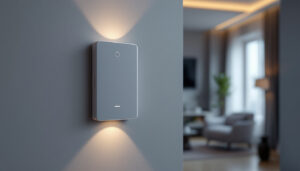
Incorporating smart lighting technology is another area where contractors often fall short. Smart lighting systems allow for greater control over lighting levels and can be programmed to adjust based on the time of day or occupancy. This not only enhances energy efficiency but also improves the overall working environment. For instance, in a bustling industrial kitchen, lighting can be dimmed during quieter hours, reducing energy consumption while still providing adequate visibility for staff. This adaptability can lead to a more comfortable and productive workspace, ultimately benefiting both employees and management.
By integrating smart technology, contractors can offer their clients a more flexible and responsive lighting solution. This can lead to increased satisfaction and a competitive edge in the market. Educating clients about the benefits of smart lighting can also foster trust and demonstrate a commitment to innovation. Moreover, many smart lighting systems can be monitored remotely, allowing for real-time adjustments and energy usage tracking. This capability not only empowers businesses to optimize their lighting but also provides valuable data that can inform future energy-saving initiatives, creating a cycle of continuous improvement in energy management practices.
Overlooking Maintenance and Accessibility
Designing for Ease of Maintenance
Maintenance is a critical aspect of any lighting system, especially in an industrial kitchen where cleanliness is paramount. Contractors often neglect to consider how easily fixtures can be accessed for cleaning and maintenance. This oversight can lead to increased downtime and operational disruptions.
When designing the lighting layout, it is essential to ensure that fixtures are positioned in a way that allows for easy access. This may involve selecting adjustable mounts or ensuring that fixtures are installed at appropriate heights. By prioritizing maintenance accessibility, contractors can help their clients maintain a clean and efficient kitchen environment.
Planning for Regular Inspections
In addition to ease of access, planning for regular inspections is crucial. Over time, even the best lighting systems can experience wear and tear. Contractors should educate their clients on the importance of regular inspections to identify potential issues before they escalate.
Establishing a maintenance schedule can help ensure that the lighting system remains in optimal condition. This proactive approach not only enhances safety but also extends the lifespan of the fixtures, providing long-term value to the client.
Failing to Consider Color Temperature
The Impact of Color Temperature on Mood and Productivity
Color temperature plays a significant role in the atmosphere of an industrial kitchen. Many contractors overlook this aspect, opting for a standard color temperature without considering its effects on mood and productivity. Warmer tones can create a more inviting atmosphere, while cooler tones may enhance alertness and focus.
To create an optimal working environment, contractors should assess the specific needs of the kitchen staff and the tasks being performed. This may involve using a combination of color temperatures to achieve the desired effect. By tailoring the lighting to the unique requirements of the kitchen, contractors can improve both employee satisfaction and performance.
Balancing Aesthetics and Functionality
While functionality is paramount in an industrial kitchen, aesthetics should not be entirely disregarded. A well-designed lighting scheme can enhance the overall appearance of the kitchen, making it a more pleasant place to work. Contractors should strive to find a balance between aesthetics and functionality, ensuring that the lighting serves its primary purpose while also contributing to the kitchen’s visual appeal.
Incorporating design elements such as pendant lights or decorative fixtures can add character to the space. However, it is essential to ensure that these elements do not compromise the quality of light. By thoughtfully integrating aesthetics into the lighting design, contractors can create a kitchen that is both functional and visually appealing.
Disregarding Compliance and Safety Standards
Understanding Local Regulations
Compliance with local regulations and safety standards is non-negotiable in any industrial setting. Unfortunately, some contractors may overlook these requirements, leading to potential legal issues and safety hazards. Understanding the specific codes and regulations governing industrial kitchen lighting is essential for ensuring a safe and compliant installation.
Contractors should familiarize themselves with local building codes, fire safety regulations, and health department guidelines. This knowledge will not only help avoid costly mistakes but also instill confidence in clients, who rely on contractors to deliver safe and compliant solutions.
Implementing Safety Features
In addition to compliance, implementing safety features is crucial in an industrial kitchen. This includes ensuring that fixtures are properly secured, using shatterproof materials, and incorporating emergency lighting systems. Neglecting these safety features can lead to accidents and injuries, putting both workers and the business at risk.
Contractors should prioritize safety in their designs, taking the time to assess potential hazards and implement appropriate measures. This proactive approach not only protects workers but also enhances the overall reputation of the contractor as a responsible and safety-conscious professional.
Underestimating the Role of Natural Light
Maximizing Natural Light Sources
Natural light can significantly enhance the working environment in an industrial kitchen. However, many contractors underestimate its importance, failing to incorporate windows or skylights into their designs. Natural light not only improves visibility but also contributes to employee well-being and morale.
Contractors should assess the kitchen layout and consider how natural light can be maximized. This may involve strategically placing windows or using reflective surfaces to distribute light more effectively. By harnessing natural light, contractors can create a more pleasant and productive working environment.
Combining Natural and Artificial Lighting
While natural light is beneficial, it should not be relied upon exclusively. A well-designed lighting scheme should combine both natural and artificial lighting to ensure consistent illumination throughout the day. Contractors should consider how the two types of lighting can work together to create a balanced and effective lighting solution.
By integrating natural light into the overall lighting design, contractors can enhance the kitchen environment while also reducing energy consumption. This holistic approach not only benefits the kitchen staff but also aligns with sustainability goals.
Conclusion
Designing and installing lighting for industrial kitchens is a complex task that requires careful consideration of various factors. By avoiding common mistakes such as neglecting task lighting, overlooking energy efficiency, and disregarding safety standards, lighting contractors can deliver exceptional results that meet the unique needs of their clients.
By prioritizing maintenance, understanding the impact of color temperature, and maximizing natural light, contractors can create well-lit, efficient, and aesthetically pleasing kitchen environments. Ultimately, a thoughtful and informed approach to industrial kitchen lighting can lead to increased client satisfaction and long-term success in the industry.
Illuminate Your Industrial Kitchen Projects with LumenWholesale
Ready to elevate your industrial kitchen lighting installations? Choose LumenWholesale for an exceptional selection of spec-grade lighting products at unbeatable wholesale prices. Say goodbye to inflated markups and hello to top-quality, reliable lighting that meets the highest industry standards. With our hassle-free bulk buying and free shipping, you can ensure every project shines with excellence and efficiency. Don’t compromise on quality or value—click now to Wholesale Lighting at the Best Value and light up your next project with confidence.