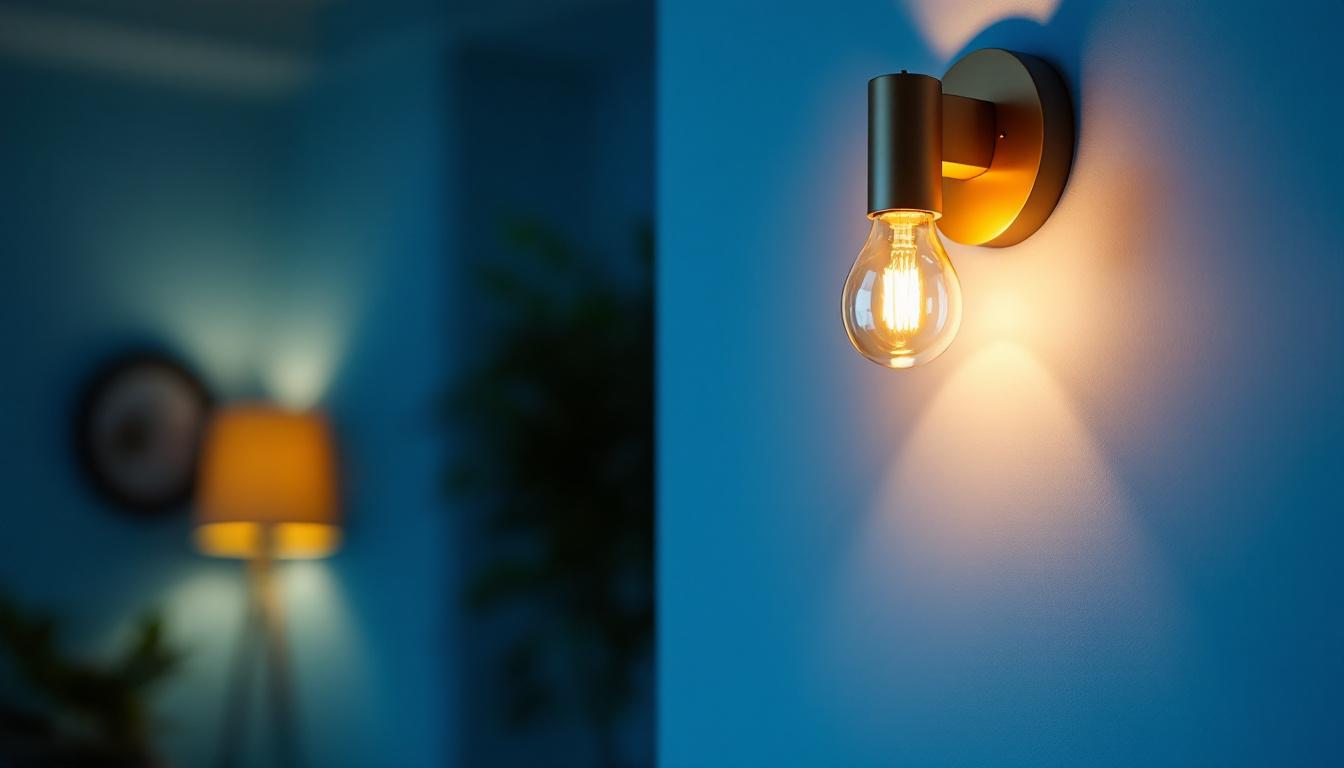
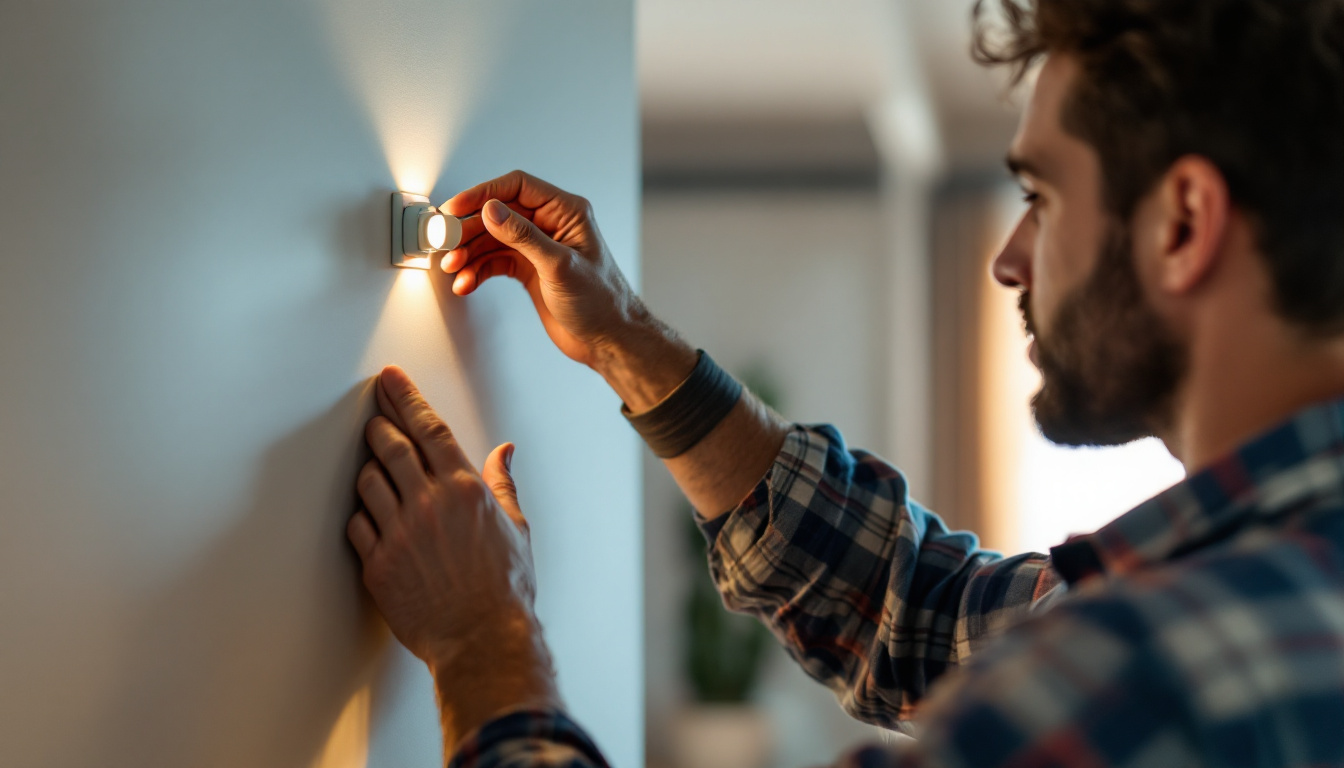
Introduction to Indoor Wall Sconces with Up and Down Lighting
Indoor wall sconces with up and down lighting have become a staple in modern interior lighting design. These fixtures not only provide functional illumination but also add a layer of aesthetic appeal that enhances the ambiance of any space. For lighting contractors, understanding the nuances of these sconces is essential to delivering high-quality installations that meet client expectations and comply with industry standards.
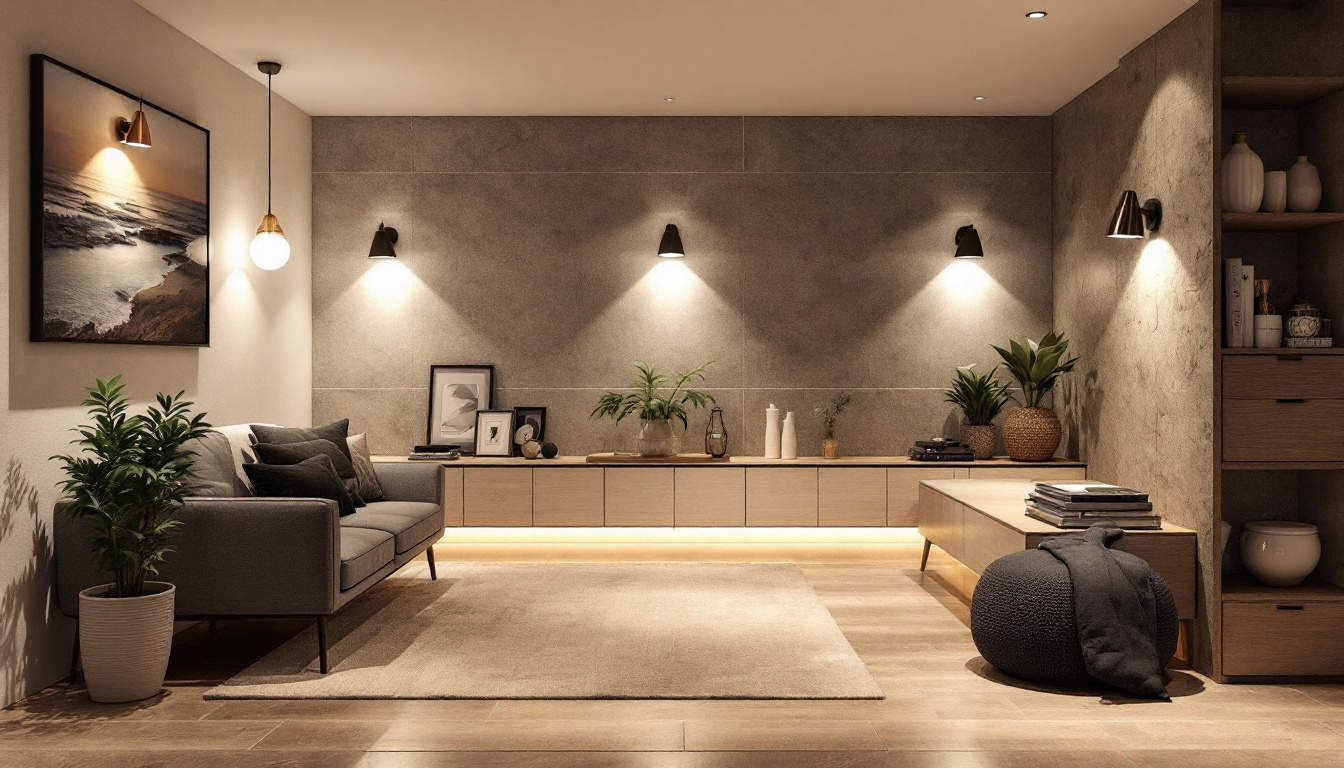
Unlike traditional wall sconces that direct light in a single direction, up and down lighting sconces cast light both upwards and downwards, creating a balanced and dynamic lighting effect. This dual-directional lighting can accentuate architectural features, improve ambient lighting, and contribute to energy efficiency when properly implemented.
Furthermore, the versatility of up and down sconces allows them to be used in a variety of settings, from residential homes to commercial spaces. In living rooms, they can highlight artwork or create a cozy reading nook by illuminating the walls without overwhelming the space with harsh overhead lighting. In commercial environments, such as restaurants or hotels, these sconces can enhance the overall atmosphere, guiding patrons through the space while providing a warm, inviting glow that encourages relaxation and social interaction.
Another significant advantage of these fixtures is their ability to complement various interior design styles. Whether your aesthetic leans towards minimalist, industrial, or traditional, there is a wide array of designs available, from sleek metal finishes to ornate glass shades. This adaptability not only allows homeowners to express their personal style but also enables designers to create cohesive lighting schemes that enhance the overall design narrative of a space. As energy-efficient LED options continue to evolve, the integration of up and down lighting sconces into interior design will likely become even more prevalent, offering sustainable solutions without sacrificing style.
Benefits of Up and Down Lighting in Indoor Wall Sconces
Enhanced Ambient Lighting
One of the primary advantages of up and down lighting sconces is their ability to provide comprehensive ambient lighting. By projecting light both upwards and downwards, these fixtures reduce harsh shadows and distribute light more evenly across walls and ceilings. This creates a softer, more inviting atmosphere that is particularly beneficial in residential living rooms, hallways, and commercial reception areas. The gentle glow produced by these sconces can also help to create a sense of warmth and comfort, making spaces feel more welcoming to guests and residents alike. Additionally, the versatility of up and down lighting allows for easy adjustments to the ambiance depending on the time of day or occasion, whether it’s a cozy evening gathering or a bright, energizing morning.
Architectural Accentuation
Up and down lighting is highly effective for highlighting architectural elements such as textured walls, columns, and crown molding. The upward light draws attention to ceiling details and adds height perception, while the downward light emphasizes wall textures and furniture placement. This dual effect can transform ordinary walls into focal points, adding depth and sophistication to interior spaces. Furthermore, this type of lighting can be strategically used to create visual interest in larger rooms, guiding the eye along key design features and enhancing the overall aesthetic appeal. By thoughtfully positioning sconces, designers can craft a narrative within a space, leading visitors through a journey of visual discovery.
Energy Efficiency and Cost Savings
When paired with energy-efficient LED bulbs, up and down lighting sconces can contribute to significant energy savings. By providing layered lighting, these fixtures often reduce the need for additional overhead lighting, thereby lowering overall energy consumption. For contractors, recommending such solutions can enhance the sustainability profile of a project and appeal to environmentally conscious clients. Moreover, the longevity of LED bulbs means less frequent replacements, further reducing maintenance costs over time. This combination of aesthetic appeal and practicality makes up and down lighting an attractive choice for both residential and commercial applications, ensuring that spaces remain stylish while also being mindful of energy usage.
Design Considerations for Lighting Contractors
Fixture Placement and Height
Proper placement of up and down lighting sconces is critical to achieving the desired lighting effect. Typically, sconces should be installed at eye level, approximately 60 to 66 inches from the floor, to ensure optimal light distribution. For spaces with higher ceilings, adjustments may be necessary to maintain proportionality and effectiveness.
Spacing between sconces also plays a vital role. A general rule of thumb is to space sconces about 6 to 8 feet apart, depending on the room size and desired light intensity. Contractors should evaluate the room’s dimensions, wall surface, and existing lighting to determine the ideal configuration.
Choosing the Right Bulbs and Color Temperature
The choice of bulbs significantly impacts the quality of light emitted by up and down sconces. LED bulbs are preferred due to their longevity, energy efficiency, and low heat output. Additionally, selecting the appropriate color temperature is essential for setting the mood. Warm white (2700K to 3000K) creates a cozy, inviting ambiance suitable for residential spaces, while neutral white (3500K to 4100K) is often favored in commercial or work environments for its clarity and brightness.
Compatibility with Dimming Systems
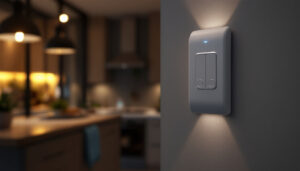
Many clients desire adjustable lighting levels to tailor ambiance and functionality. Lighting contractors should ensure that the sconces and bulbs chosen are compatible with dimming systems. This compatibility enhances user control and can extend bulb life. Moreover, integrating smart lighting controls can offer additional convenience and energy management benefits.
Installation Best Practices
Electrical Safety and Code Compliance
Adhering to electrical codes and safety standards is paramount during installation. Contractors must verify that the wall sconces are rated for indoor use and compatible with the existing wiring infrastructure. Grounding, proper junction box installation, and secure mounting are critical steps to prevent electrical hazards and ensure longevity.
Surface Preparation and Mounting
Before installation, the wall surface should be inspected and prepared to support the weight and design of the sconces. Drywall anchors or mounting plates may be necessary for heavier fixtures. Ensuring a flush and level installation not only improves the aesthetic but also prevents future maintenance issues.
Testing and Adjustment
After installation, thorough testing of the sconces is essential. Confirm that both the upward and downward lighting functions operate correctly and that the light distribution meets design intentions. Contractors should also check for flickering, buzzing, or other electrical anomalies and make necessary adjustments before project completion.
Popular Styles and Materials for Up and Down Lighting Sconces
Modern and Minimalist Designs
Contemporary interiors often favor sleek, minimalist sconces with clean lines and neutral finishes such as matte black, brushed nickel, or white. These fixtures blend seamlessly with modern décor while providing effective up and down lighting. Materials like aluminum and steel are common for their durability and lightweight properties.
Traditional and Classic Styles
For more traditional interiors, sconces with ornate detailing, antique brass, or bronze finishes are popular. These fixtures may incorporate frosted or etched glass shades that diffuse light softly, enhancing the up and down lighting effect with a warm, classic glow.
Industrial and Rustic Options
Industrial-style sconces often feature exposed bulbs, metal cages, and raw finishes like blackened steel or copper. These designs emphasize ruggedness and texture, complementing lofts and rustic interiors. The up and down lighting effect in these fixtures can highlight brick walls or wooden beams, adding character to the space.
Common Challenges and Solutions
Uneven Light Distribution
One challenge contractors may encounter is uneven light distribution, where either the upward or downward beam is too strong or weak. This can be addressed by selecting fixtures with adjustable louvers or diffusers that balance the light output. Additionally, using bulbs with appropriate wattage and beam angles can help achieve uniform illumination.
Glare and Visual Comfort
Glare can reduce visual comfort, especially in living and working areas. To mitigate this, contractors should consider sconces with frosted or textured glass shades that soften the light. Positioning sconces strategically to avoid direct line-of-sight exposure to the light source also helps maintain comfort.
Compatibility with Wall Surfaces
Different wall materials can affect the lighting effect. For example, highly reflective surfaces may cause unwanted glare, while very dark walls absorb light, reducing brightness. Contractors should assess wall finishes and may recommend complementary paint colors or additional lighting to optimize the overall effect.
Trends and Innovations in Up and Down Lighting Sconces
Integration with Smart Home Systems
Smart lighting technology is increasingly integrated into wall sconces, allowing users to control brightness, color temperature, and scheduling via mobile apps or voice commands. For contractors, familiarity with these systems is crucial to meet the growing demand for connected homes and commercial spaces.
Use of Sustainable Materials
Environmental considerations are influencing fixture design, with manufacturers incorporating recycled metals, sustainable woods, and eco-friendly finishes. Lighting contractors can leverage these options to promote green building practices and appeal to eco-conscious clients.
Customization and Modular Designs
Modular sconces that allow customization of light direction, intensity, and fixture components are gaining popularity. These designs offer flexibility for diverse applications and enable contractors to tailor solutions precisely to client needs.
Conclusion: Maximizing the Impact of Up and Down Lighting Sconces
Indoor wall sconces with up and down lighting offer a versatile and stylish solution for enhancing interior spaces. For lighting contractors, mastering the technical and aesthetic aspects of these fixtures is key to delivering projects that combine functionality, safety, and design excellence.
By carefully considering placement, bulb selection, installation practices, and emerging trends, contractors can ensure that up and down lighting sconces not only illuminate spaces effectively but also elevate the overall environment. Staying informed about innovations and client preferences will further empower contractors to provide cutting-edge lighting solutions that stand the test of time.
Illuminate Your Projects with LumenWholesale
Ready to elevate your lighting projects with the finest up and down lighting sconces? Look no further than LumenWholesale, where we provide lighting contractors with exceptional, spec-grade lighting products at the best wholesale prices. Our commitment to quality and affordability means you can access a vast selection of industry-standard lighting without the extra costs. Plus, with the convenience of free shipping on bulk orders, you can enjoy premium lighting solutions that fit your budget and exceed your expectations. Don’t compromise on quality or value—choose LumenWholesale for your next project. Wholesale Lighting at the Best Value is just a click away.