Understanding the Basics of Indoor Sconce Lighting
Indoor sconce lighting has long been a staple in both residential and commercial interiors, offering a blend of functionality and aesthetic appeal. For lighting contractors, mastering the nuances of sconce lighting is essential to delivering installations that meet client expectations and comply with safety standards.
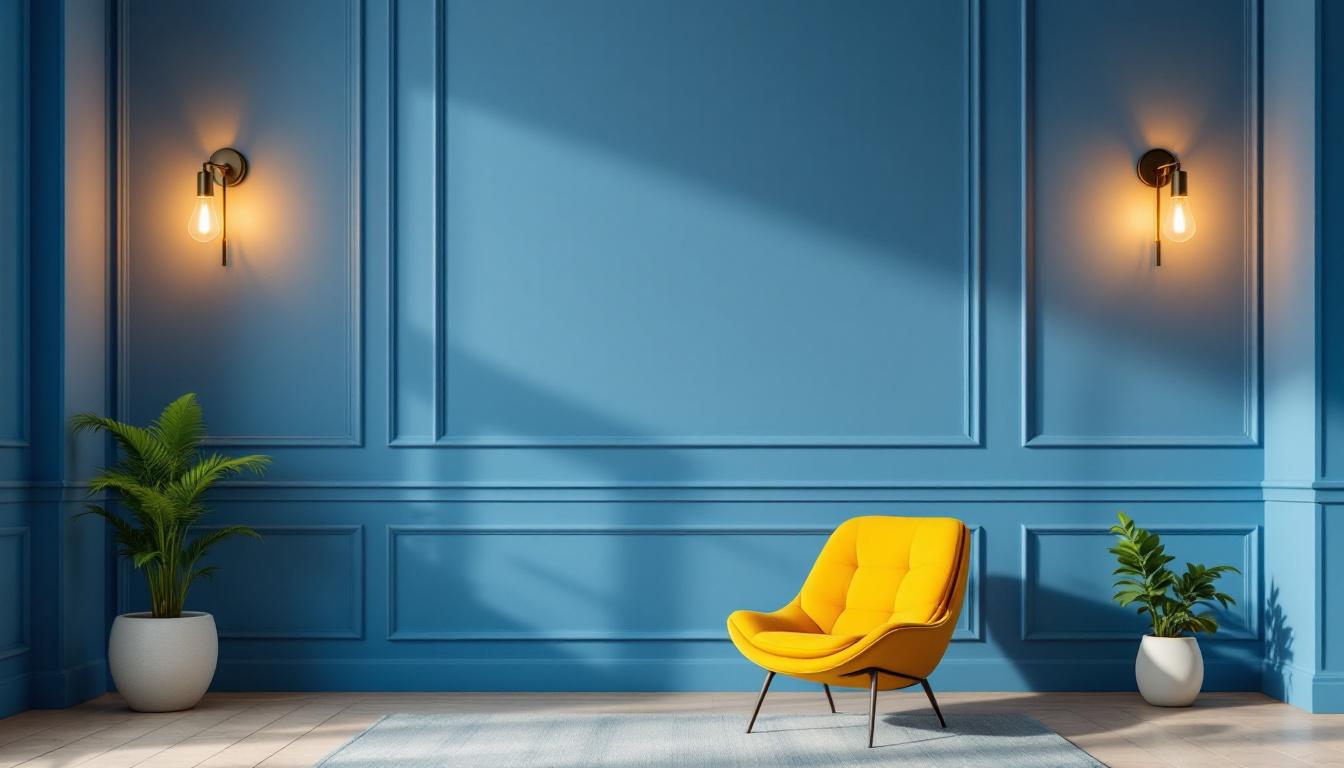
At its core, a sconce is a wall-mounted light fixture that directs illumination either upwards, downwards, or both. Unlike ceiling fixtures, sconces provide accent or task lighting, contributing to the ambiance and highlighting architectural features. Their versatility makes them a popular choice for hallways, living rooms, bathrooms, and even office spaces. Additionally, sconces can serve as focal points in a room, drawing the eye and enhancing the overall design scheme. By selecting the right style, finish, and light source, sconces can complement various interior themes, from modern minimalism to classic elegance.
Types of Indoor Sconce Fixtures
Lighting contractors should familiarize themselves with the primary types of indoor sconces to recommend the best fit for each project:
- Hardwired Sconces: Permanently connected to the building’s electrical system, these fixtures offer a seamless look and reliable power source.
- Plug-in Sconces: These fixtures plug into a standard outlet, providing flexibility and ease of installation without rewiring.
- Battery-Operated Sconces: Ideal for spaces where wiring is impractical, these offer convenience but require regular battery maintenance.
Understanding these categories helps contractors advise clients on installation complexity, cost, and maintenance considerations. Moreover, it is crucial to consider the intended use of the space when selecting sconces. For instance, in a cozy reading nook, warm-toned sconces can create an inviting atmosphere, while brighter, cooler-toned lights may be more suitable for functional areas like kitchens or home offices. Furthermore, the height at which sconces are installed can significantly affect their effectiveness; typically, sconces should be mounted at eye level for optimal light distribution and visual appeal.
In addition to functionality, the design of sconces can greatly influence the overall aesthetic of a room. From sleek, contemporary designs featuring geometric shapes to ornate, vintage-inspired models adorned with intricate details, the options are virtually limitless. Lighting contractors should also educate clients about the importance of layering light; combining sconces with other light sources, such as overhead fixtures and table lamps, can create a well-balanced and dynamic lighting scheme that enhances the mood and usability of any space.
Key Considerations for Installation and Placement
Proper installation and strategic placement are critical to maximizing the effectiveness of indoor sconces. Lighting contractors must balance aesthetics, functionality, and safety. The right sconce can enhance the ambiance of a room, providing not only illumination but also a design element that complements the overall decor.
Height and Spacing Guidelines
Typically, sconces are installed between 60 to 72 inches from the floor, depending on the ceiling height and purpose of the lighting. For task lighting, such as beside a bathroom mirror, a height of around 65 inches is common to minimize shadows on the face. In living spaces, however, the height may vary slightly to accommodate the furniture layout and the visual line of sight, ensuring that the light source is neither too overpowering nor too subtle.
Spacing between sconces varies based on room size and fixture design. A general rule is to space sconces at intervals equal to half the height of the ceiling. For example, in an 8-foot ceiling room, spacing sconces approximately 4 feet apart creates balanced illumination. In larger spaces, such as open-concept living areas, a more generous spacing may be required to ensure that the light is evenly distributed, preventing dark corners and enhancing the overall brightness of the environment.
Electrical and Safety Requirements
Compliance with the National Electrical Code (NEC) and local regulations is non-negotiable. Contractors must ensure that all wiring is correctly rated for the fixture’s voltage and that ground fault circuit interrupters (GFCIs) are installed where required, especially in damp locations like bathrooms. This not only protects the fixtures but also safeguards the occupants by reducing the risk of electrical shock.
Additionally, the choice of bulbs—LED, incandescent, or halogen—affects heat output and energy consumption. LED bulbs are increasingly favored for their longevity and energy efficiency, reducing maintenance and operational costs. Furthermore, the color temperature of the bulbs can significantly influence the mood of a space; warmer tones create a cozy atmosphere, while cooler tones can enhance focus and productivity in work areas. Selecting the right bulb type and color temperature is essential for achieving the desired effect and ensuring that the sconces serve their intended purpose effectively.
Design Trends and Client Preferences
Staying current with design trends allows lighting contractors to provide informed recommendations that enhance client satisfaction and project value.
Popular Styles in Indoor Sconce Lighting
Modern interiors often favor minimalist sconces with clean lines and matte finishes such as black, brass, or brushed nickel. Industrial-style sconces with exposed bulbs and metal cages are also in demand for loft and urban designs. These fixtures not only serve a functional purpose but also act as statement pieces that contribute to the overall aesthetic of the space. The use of LED bulbs in these designs further emphasizes energy efficiency while providing a range of color temperatures to suit different moods and settings.
Conversely, traditional and transitional styles incorporate ornate detailing, frosted glass shades, and warm metallic tones, appealing to clients seeking classic elegance. These sconces often feature intricate designs that harken back to historical periods, making them perfect for homes with a vintage or timeless character. Additionally, the resurgence of vintage-inspired lighting has led to a growing interest in antique finishes and patinas, allowing homeowners to achieve a unique look that tells a story.
Smart Lighting Integration
Smart home technology has transformed lighting control. Many clients now request sconces compatible with dimmers, motion sensors, or voice-activated systems. Lighting contractors should be prepared to install and configure these advanced controls, enhancing convenience and energy efficiency. The ability to control lighting through smartphones or smart home devices not only adds a layer of sophistication but also allows for personalized lighting scenes that can adapt to various activities, from entertaining guests to creating a cozy atmosphere for movie nights.
Moreover, the integration of smart lighting systems can significantly improve home security. Clients can program their sconces to simulate occupancy by scheduling lights to turn on and off at specific times, deterring potential intruders. As more homeowners embrace the convenience of smart technology, lighting contractors must stay informed about the latest advancements in this field, ensuring they can offer comprehensive solutions that meet the evolving needs of their clients.
Challenges and Solutions in Sconce Lighting Projects
While sconces are relatively straightforward to install, contractors often encounter challenges that require problem-solving skills and technical knowledge.
Dealing with Limited Wall Space
In tight spaces, such as narrow hallways or small bathrooms, finding appropriate locations for sconces can be tricky. Solutions include selecting compact fixtures or using sconces with adjustable arms to direct light efficiently without overcrowding the wall. Additionally, wall-mounted sconces can be strategically placed at varying heights to create an illusion of depth and space, making even the smallest areas feel more open. Utilizing mirrors in conjunction with sconces can also enhance the light’s reach and amplify the overall brightness of the space, providing a dual benefit of style and functionality.
Addressing Wiring Constraints
Older buildings may lack wiring where sconces are desired. Contractors can suggest plug-in sconces or wireless battery-operated options as interim solutions or plan for rewiring during renovations to accommodate hardwired fixtures. In some cases, contractors might also explore the possibility of utilizing existing electrical outlets creatively, such as using extension cords that blend with the decor or installing surface-mounted raceways that can discreetly house wiring. This approach not only preserves the aesthetic of the space but also ensures that the lighting remains functional and safe.
Ensuring Even Lighting Distribution
Uneven lighting can create unwanted shadows and detract from a room’s ambiance. Contractors should carefully plan sconce placement in conjunction with ceiling and floor lighting to achieve balanced illumination. Incorporating dimmer switches can also enhance the versatility of sconces, allowing homeowners to adjust the brightness according to the time of day or the mood they wish to create. Furthermore, selecting sconces with different light temperatures can help in achieving a harmonious blend of warm and cool tones, which can significantly affect the overall atmosphere of the room. By considering these factors, contractors can ensure that the sconces not only serve a practical purpose but also contribute to the aesthetic appeal of the space.
Maintenance and Longevity Considerations
Lighting contractors play a vital role in advising clients on maintaining their sconce installations to ensure safety and preserve aesthetic appeal over time.
Cleaning and Care
Regular dusting and gentle cleaning of sconce fixtures prevent grime buildup that can diminish light output. For glass shades, using mild soap and water is recommended, avoiding abrasive materials that may scratch surfaces.
Bulb Replacement and Upgrades
Contractors should educate clients on selecting compatible bulbs and the benefits of upgrading to LED technology. LED bulbs not only reduce energy consumption but also last significantly longer than traditional bulbs, cutting down on replacement frequency.
Inspecting for Wear and Tear
Periodic inspection of wiring, mounting hardware, and fixture integrity helps identify potential hazards such as loose connections or corrosion. Prompt repairs maintain safety and prevent costly replacements.
Conclusion: Elevating Projects with Expert Sconce Lighting Knowledge
For lighting contractors, indoor sconce lighting represents an opportunity to blend technical expertise with creative design. Understanding fixture types, installation best practices, design trends, and maintenance ensures projects that are both beautiful and functional.
By staying informed and adaptable, contractors can meet diverse client needs, navigate challenges effectively, and contribute to spaces that shine—literally and figuratively—with well-executed sconce lighting.
Illuminate Your Projects with LumenWholesale
Ready to take your lighting projects to the next level? At LumenWholesale, we provide lighting contractors with the finest selection of indoor sconce lighting and more, all at unbeatable wholesale prices. Say goodbye to local distributor markups and hello to spec-grade lighting that meets the highest industry standards. With our commitment to quality, affordability, and convenience, you’ll enjoy free shipping on bulk orders, ensuring you get the best value without any hidden costs. Elevate your lighting installations today by visiting Wholesale Lighting at the Best Value and discover the LumenWholesale difference.