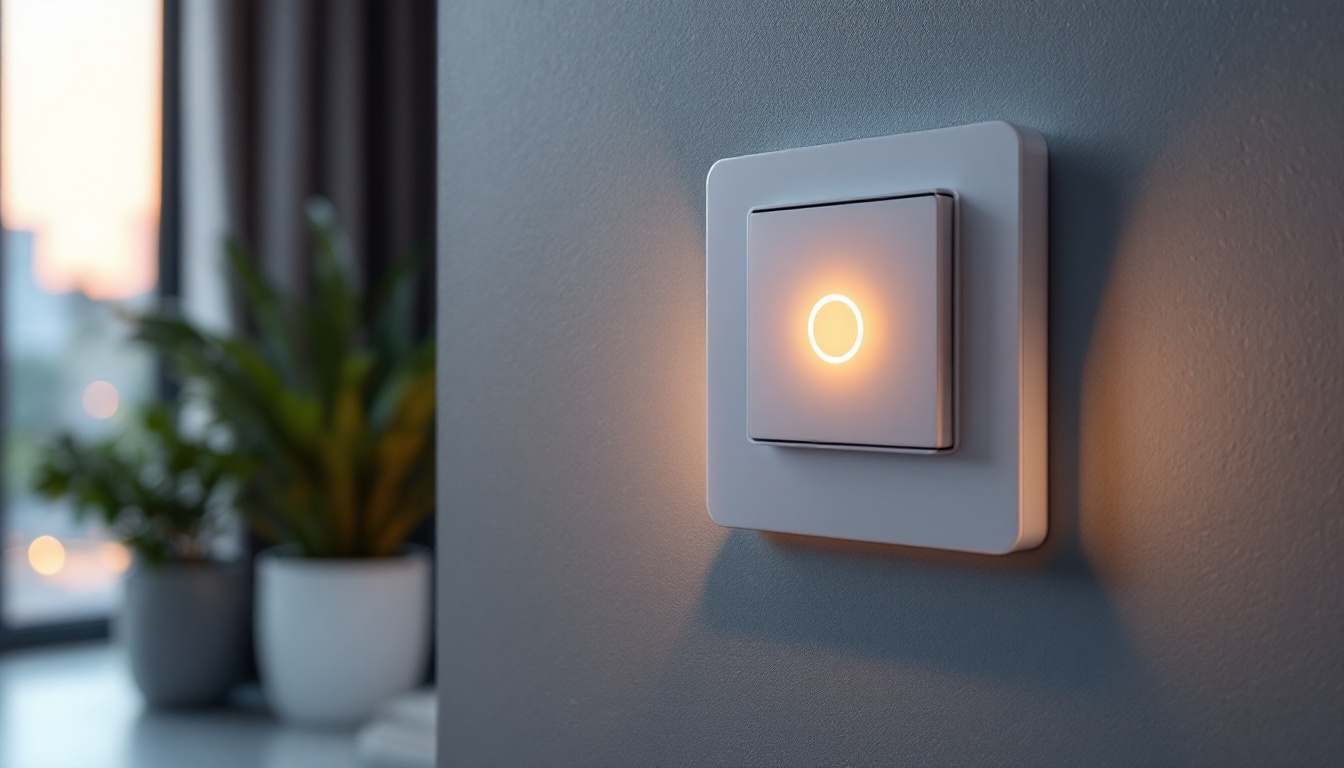
In the realm of electrical installations, the illuminated light switch stands out as a practical and aesthetically pleasing feature. For lighting contractors, understanding the nuances of these switches can enhance both the functionality and appeal of their projects. This guide aims to provide insights into illuminated light switches, covering their benefits, installation considerations, and various types available in the market.
Understanding Illuminated Light Switches
Illuminated light switches are designed to provide a visual cue that indicates whether a light is on or off. This feature is particularly beneficial in dimly lit areas, offering convenience and safety to users. Unlike traditional switches, illuminated versions often incorporate LED technology, which is energy-efficient and long-lasting.
Benefits of Illuminated Light Switches
One of the primary advantages of illuminated light switches is their ability to enhance safety. In dark environments, finding a switch can be challenging, leading to potential accidents. An illuminated switch eliminates this issue, allowing users to locate the switch easily.
Moreover, these switches contribute to energy efficiency. Many illuminated switches utilize low-power LEDs, ensuring that they consume minimal energy while providing maximum visibility. This feature is particularly appealing for environmentally conscious clients looking to reduce their energy consumption.
Applications of Illuminated Light Switches
Illuminated light switches are versatile and can be utilized in various settings. They are commonly found in residential areas, particularly in hallways, bedrooms, and bathrooms. Their presence in commercial spaces, such as offices and retail environments, is also increasing, as they enhance the overall user experience.
In addition to residential and commercial applications, illuminated switches are ideal for outdoor lighting controls. They can be strategically placed near entrances or pathways, ensuring that users can easily access lighting controls even in low-light conditions.
Furthermore, illuminated light switches can be customized to fit various aesthetic preferences and design styles. With options available in different colors, shapes, and finishes, homeowners and designers can select switches that complement their interior decor while still providing functional benefits. Some models even feature adjustable brightness settings, allowing users to tailor the illumination level to their liking, which can be particularly useful in spaces where mood lighting is desired.
Another noteworthy aspect of illuminated light switches is their potential integration with smart home systems. Many modern illuminated switches can be connected to smart home networks, enabling users to control their lighting remotely through smartphones or voice commands. This not only adds convenience but also enhances the overall functionality of a home, making it easier for users to manage their lighting needs efficiently, whether they are at home or away.
Installation Considerations
When installing illuminated light switches, several factors should be taken into account. Proper installation is crucial not only for functionality but also for safety. Below are key considerations that lighting contractors should keep in mind.
Wiring Requirements
Illuminated light switches typically require additional wiring compared to standard switches. This is due to the need for a power source to illuminate the switch itself. Contractors must ensure that the existing wiring can support the additional load. It may be necessary to run a separate wire from the power source to the switch location.
Moreover, understanding the switch’s specifications is essential. Some illuminated switches may require a neutral wire, while others may not. Before installation, contractors should carefully review the manufacturer’s instructions to ensure compliance with electrical codes and safety standards. Additionally, it is advisable to use high-quality wiring that can withstand the electrical load, as this can prevent overheating and potential hazards. Using color-coded wires can also help in identifying connections during installation, minimizing the risk of errors.
Location and Accessibility
Choosing the right location for an illuminated light switch is vital for maximizing its benefits. The switch should be easily accessible, allowing users to find it without difficulty. In residential settings, placing switches near doorways or at the top and bottom of staircases can enhance safety and convenience.
In commercial settings, illuminated switches should be strategically positioned to ensure visibility. Consideration should be given to the layout of the space and the typical flow of foot traffic. Additionally, ensuring that switches are at an appropriate height for all users, including those with disabilities, is crucial for compliance with accessibility standards. It is also worth noting that illuminated switches can serve as a guiding light in dark environments, making them particularly useful in hallways, basements, and other areas where visibility may be compromised. Furthermore, the color of the illumination can be chosen to match the decor or to signal different functions, providing both aesthetic appeal and practical guidance for users in various settings.
Types of Illuminated Light Switches
The market offers a variety of illuminated light switches, each designed to cater to different needs and preferences. Understanding the types available can help contractors make informed decisions when selecting switches for their projects.
Toggle Switches
Toggle switches are one of the most common types of illuminated light switches. They feature a lever that can be flipped up or down to control the light. The illumination is typically located around the toggle or in the switch’s base, providing a clear indication of the switch’s status.
These switches are available in various styles and colors, allowing contractors to match them with the overall design of a space. Toggle switches are particularly popular in residential installations due to their simplicity and ease of use. Additionally, many toggle switches are designed with durability in mind, often featuring weather-resistant options for outdoor applications or heavy-duty variants for high-traffic areas. Their straightforward mechanism also makes them a favorite for DIY enthusiasts who appreciate the ease of installation and maintenance.
Rockers and Push Button Switches
Rocker switches have a sleek design that allows users to easily control lighting with a simple press. The illumination is often integrated into the switch itself, creating a modern look that appeals to contemporary design aesthetics. Rocker switches are commonly used in both residential and commercial settings.
Push button switches, on the other hand, offer a unique approach to controlling lighting. These switches typically feature a round or rectangular button that can be pressed to turn the light on or off. Their compact design makes them suitable for tight spaces, and they often come with customizable illumination options. In addition to their aesthetic appeal, push button switches can also be equipped with advanced features such as dimming capabilities or multi-function settings, allowing users to control multiple lights from a single switch. This versatility makes them a popular choice in modern homes, where flexibility and functionality are key considerations in lighting design.
Smart Illuminated Switches
With the rise of smart home technology, smart illuminated switches have gained popularity. These switches can be controlled remotely via smartphone apps or voice commands, providing users with enhanced convenience. Many smart switches also offer customizable lighting settings, allowing users to adjust brightness levels or create lighting schedules.
For contractors, incorporating smart illuminated switches into projects can be a selling point, appealing to tech-savvy clients looking for modern solutions. However, it is essential to ensure that the installation process is compatible with existing home automation systems. Furthermore, many smart switches come equipped with energy monitoring features, enabling homeowners to track their energy consumption and identify opportunities for savings. This added layer of functionality not only enhances user experience but also promotes energy efficiency, making smart illuminated switches a forward-thinking choice for environmentally conscious consumers. As the smart home market continues to evolve, staying informed about the latest advancements in illuminated switch technology will be crucial for contractors aiming to provide cutting-edge solutions to their clients.
Maintenance and Troubleshooting
Like any electrical component, illuminated light switches require regular maintenance to ensure optimal performance. Contractors should advise clients on best practices for maintaining their switches and troubleshooting common issues.
Regular Inspections
Conducting regular inspections of illuminated light switches can help identify potential issues before they become significant problems. Contractors should recommend that clients check for signs of wear, such as flickering lights or a dimming switch. If any issues are detected, it may be necessary to replace the switch or address underlying wiring problems.
Additionally, ensuring that the switch remains clean can prevent dust and debris from interfering with its operation. A simple wipe with a damp cloth can help maintain the switch’s appearance and functionality.
Troubleshooting Common Issues
In the event of a malfunction, contractors should be prepared to troubleshoot common issues associated with illuminated light switches. One common problem is flickering or dimming lights, which may indicate a loose connection or a faulty switch. In such cases, it is essential to check the wiring and connections to ensure they are secure.
Another issue that may arise is the switch not illuminating at all. This could be due to a burned-out LED or a power supply problem. Contractors should guide clients on how to replace the LED or check the circuit breaker if the switch is not receiving power.
Conclusion
Illuminated light switches offer a blend of functionality and style, making them an excellent choice for various lighting applications. For lighting contractors, understanding the benefits, installation considerations, and types of illuminated switches is crucial for delivering high-quality installations that meet client needs.
By staying informed about the latest trends and technologies in illuminated switches, contractors can enhance their service offerings and provide clients with innovative solutions. As the demand for energy-efficient and user-friendly lighting controls continues to grow, illuminated light switches will undoubtedly play a significant role in the future of lighting design.
Ultimately, the key to successful installations lies in meticulous planning, adherence to safety standards, and a keen understanding of the products being used. With this guide, lighting contractors can confidently navigate the world of illuminated light switches, ensuring their projects shine brightly for years to come.
Illuminate Your Projects with LumenWholesale
Ready to elevate your lighting installations with the finest illuminated light switches on the market? Look no further than LumenWholesale. Our commitment to providing contractors with superior, spec-grade lighting products at wholesale prices means you can light up your projects with confidence and cost-efficiency. Say goodbye to local distributor markups and hello to our extensive selection that meets rigorous industry standards. Plus, with free shipping on bulk orders, you’ll enjoy the ultimate convenience without any hidden fees. Don’t compromise on quality or value—Wholesale Lighting at the Best Value is just a click away. Choose LumenWholesale for a brighter, more affordable future in lighting.