Understanding Motion Detector Light Switches
Motion detector light switches have become an essential component in modern lighting systems, especially in commercial and residential projects where energy efficiency and security are priorities. These devices automatically turn lights on or off based on detected movement, offering convenience and significant energy savings. For lighting contractors, understanding how to properly adjust these switches is critical to ensuring optimal performance and client satisfaction.
At their core, motion detector light switches combine a sensor—usually passive infrared (PIR) or ultrasonic—with a relay that controls the lighting circuit. When motion is detected within the sensor’s range, the switch activates the light. Once no motion is detected for a preset duration, the light turns off. This simple yet effective mechanism requires precise calibration to function as intended in various environments. The versatility of these switches makes them ideal for a variety of applications, from hallways and staircases to outdoor patios and parking lots, enhancing both safety and energy efficiency.
Key Components of Motion Detector Light Switches
Before adjusting these switches, contractors should familiarize themselves with their main components:
- Sensor Range: The area within which the sensor detects motion.
- Time Delay: The duration the light remains on after motion is no longer detected.
- Light Sensitivity (Photocell): Determines if the light should operate based on ambient light levels.
- Sensitivity Adjustment: Controls how much movement is required to trigger the sensor.
Each of these settings plays a vital role in the switch’s effectiveness and energy efficiency. For instance, the sensor range can be adjusted to ensure that the lights activate only when necessary, preventing unnecessary energy consumption in low-traffic areas. Additionally, understanding the time delay is crucial; setting it too short may result in lights turning off prematurely, while a longer delay could lead to wasted energy. Furthermore, the integration of light sensitivity allows for the lights to remain off during daylight hours, maximizing energy savings while still providing safety and security during the night.
Moreover, the sensitivity adjustment feature is particularly beneficial in environments with varying levels of foot traffic. For example, in a busy office setting, a higher sensitivity setting might be appropriate to ensure that lights activate promptly when employees move about. Conversely, in a warehouse or storage area where movement is less frequent, a lower sensitivity can prevent false triggers from minor movements, such as those caused by air currents or small animals. Understanding these nuances not only enhances the functionality of motion detector light switches but also contributes to a more sustainable approach to lighting design.
Why Proper Adjustment is Crucial for Lighting Contractors
Lighting contractors are often responsible for the installation and fine-tuning of motion detector light switches. Proper adjustment is not just about making the lights work; it directly impacts energy consumption, user experience, and system longevity.
Energy Efficiency and Cost Savings
One of the primary reasons clients opt for motion detector lighting is to reduce energy usage. According to studies, motion-activated lighting can cut energy consumption by up to 30-50% compared to traditional lighting left on continuously. However, if the motion detector is not adjusted correctly—for example, if the time delay is set too long or the sensor’s sensitivity is too high—the system may stay on unnecessarily, negating these savings.
Lighting contractors who understand how to optimize these settings can help clients achieve maximum energy efficiency, which is a compelling selling point and enhances professional reputation. Additionally, by educating clients on the importance of regular maintenance and periodic recalibration, contractors can ensure that the systems remain efficient over time. This proactive approach not only solidifies the contractor’s role as a valuable resource but also fosters long-term relationships with clients who appreciate the ongoing support.
Enhancing Security and Convenience
Motion detector lights also serve as a security measure, deterring intruders and providing safe illumination for occupants. Incorrect adjustments can lead to frequent false triggers—such as from passing vehicles or small animals—or lights that fail to activate when needed. Both scenarios can frustrate users and undermine the system’s purpose.
Contractors must balance sensitivity and range to ensure that the lights respond appropriately to human movement, enhancing security without causing nuisance activations. Moreover, understanding the specific environment where these lights are installed—such as residential areas, commercial properties, or outdoor spaces—can guide contractors in making informed adjustments that cater to unique challenges. For instance, outdoor sensors may need different settings compared to indoor ones due to varying levels of ambient light and movement patterns, further emphasizing the contractor’s expertise in tailoring solutions to fit diverse needs.
Compliance with Building Codes and Standards
Many local building codes and green building certifications require or encourage the use of occupancy sensors and motion detectors. Proper adjustment ensures compliance with these regulations, which can affect project approvals and client satisfaction. Lighting contractors who are knowledgeable about these requirements and how to meet them through precise adjustments position themselves as trusted experts in the field.
Furthermore, staying updated on evolving codes and standards can provide contractors with a competitive edge. By attending workshops, training sessions, and industry conferences, they can gain insights into the latest technologies and best practices, ensuring that their installations not only meet but exceed client expectations. This commitment to professional development not only enhances the quality of their work but also reinforces their reputation as leaders in the lighting industry, capable of delivering innovative solutions that align with both regulatory demands and client aspirations.
Step-by-Step Guide to Adjusting Motion Detector Light Switches
Adjusting a motion detector light switch involves several key steps, each of which must be approached carefully to tailor the system to the specific environment.
1. Safety First: Power Off
Before making any adjustments, ensure the power to the circuit is turned off at the breaker panel. This prevents electrical shock and protects the switch from damage during handling.
2. Locate the Adjustment Controls
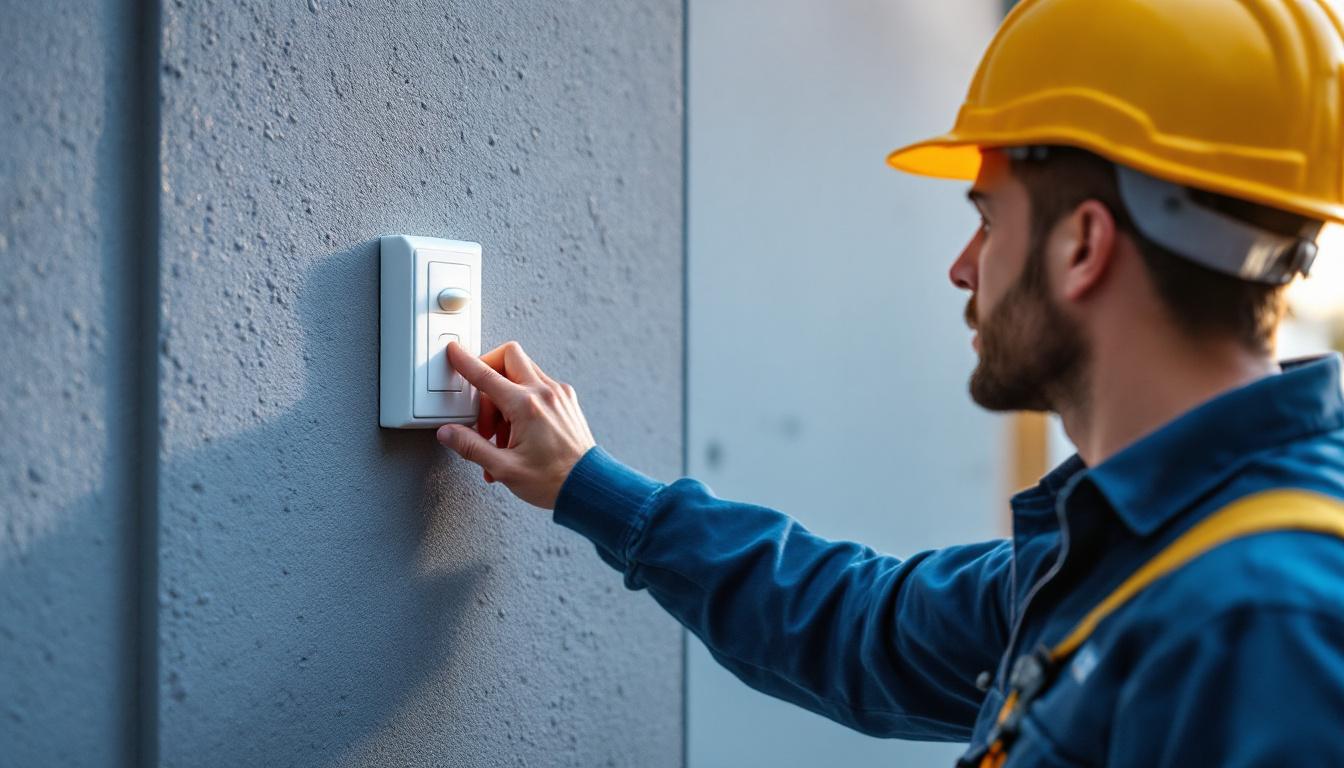
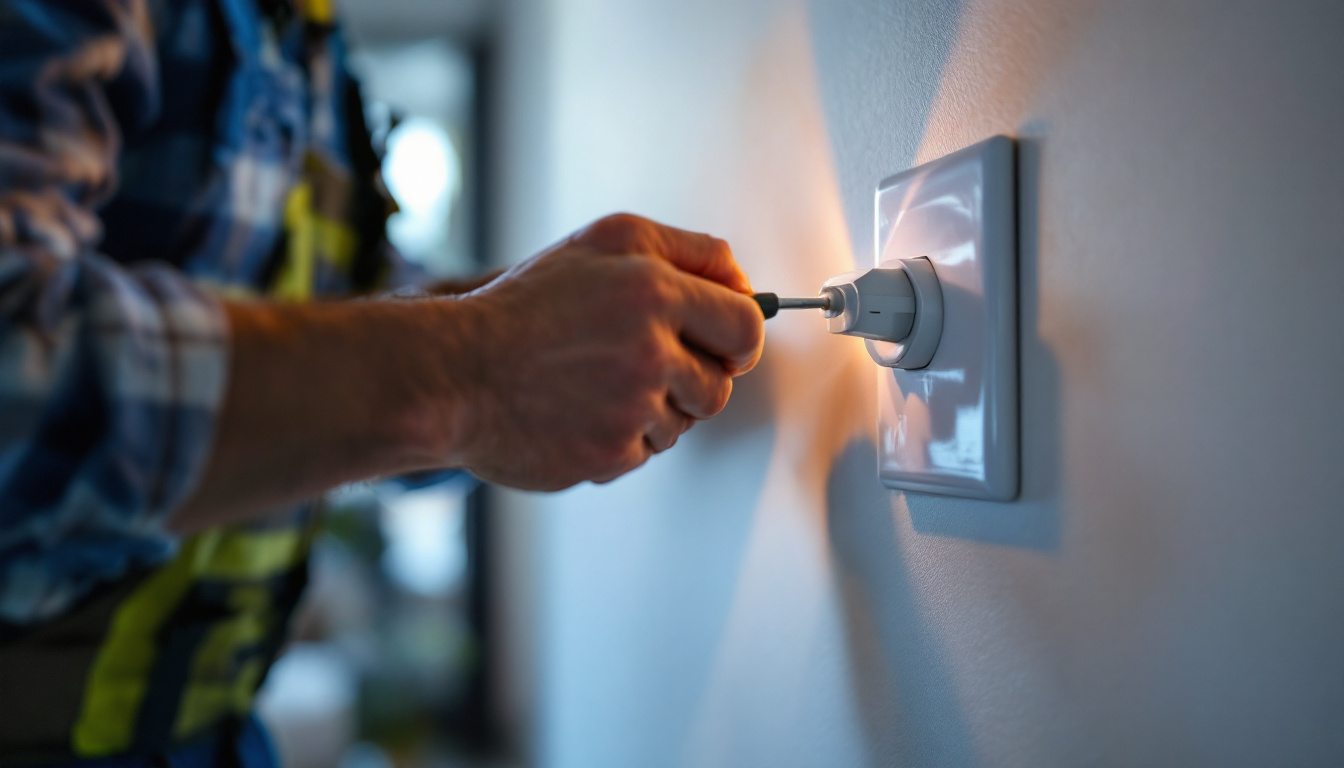
Most motion detector switches have small dials or sliders labeled for sensitivity, time delay, and light level. These controls are often accessible by removing the switch cover plate. Consult the manufacturer’s instructions for specific locations and adjustment ranges.
3. Adjust the Sensor Range and Sensitivity
Begin by setting the sensor’s sensitivity to a medium level. This setting determines how much motion is needed to trigger the light. In open areas, higher sensitivity may be necessary, while in confined spaces, lower sensitivity helps avoid false triggers.
Test the sensor’s detection range by walking through the area it covers. Adjust the angle or position of the sensor if possible to maximize coverage of the desired zone while minimizing detection of irrelevant areas like busy streets or tree branches.
4. Set the Time Delay
The time delay controls how long the light stays on after motion is no longer detected. For high-traffic areas, a shorter delay (e.g., 30 seconds to 1 minute) may be appropriate to conserve energy. In contrast, longer delays (up to 15 minutes) can be useful in spaces where occupants may remain stationary for periods, such as conference rooms or garages.
Adjust the time delay dial and observe the light’s behavior during testing to find a balance that suits the application.
5. Configure the Light Sensitivity (Photocell)
Many motion detector switches include a photocell to prevent lights from activating during daylight. Adjust this setting to ensure the light only turns on when ambient light levels fall below a desired threshold. This feature is particularly important for outdoor lighting.
Test the photocell by simulating different lighting conditions or observing the light’s response during various times of day.
6. Final Testing and Fine-Tuning
After making initial adjustments, restore power and conduct thorough testing. Walk through the sensor’s coverage area at different speeds and positions to verify consistent activation and deactivation. Monitor for false triggers caused by environmental factors such as wind-blown objects or passing vehicles.
Fine-tune the sensitivity and time delay as needed based on these observations. Document the final settings for client records and future maintenance.
Common Challenges and Solutions in Adjusting Motion Detector Switches
Lighting contractors often encounter specific challenges when working with motion detector light switches. Recognizing and addressing these issues ensures a smooth installation and optimal performance.
False Triggers from Environmental Factors
Outdoor sensors may pick up movement from animals, tree branches, or passing cars, causing lights to turn on unnecessarily. To mitigate this, contractors can:
- Adjust the sensor angle to avoid detecting irrelevant areas.
- Reduce sensitivity to focus on larger, human-sized movements.
- Install physical barriers or shields to block unwanted motion.
Insufficient Coverage Area
Improper placement or limited sensor range can leave blind spots where motion is not detected. Contractors should:
- Position sensors strategically to cover all entry points and walkways.
- Use multiple sensors if necessary to cover large or irregularly shaped areas.
- Choose switches with adjustable or wider detection zones.
Lights Staying On Too Long or Turning Off Too Quickly
Incorrect time delay settings can frustrate users. To resolve this:
- Adjust the time delay dial to better match the typical occupancy patterns.
- Consider the specific use case—short delays for transient areas, longer for spaces where people remain stationary.
Best Practices for Lighting Contractors
Beyond technical adjustments, lighting contractors can adopt several best practices to enhance their service quality and client satisfaction.
Consult with Clients on Usage Patterns
Understanding how the space will be used helps tailor motion detector settings effectively. For example, a warehouse with intermittent activity requires different settings than a residential hallway.
Provide Clear Documentation and Training
Clients appreciate when contractors provide documentation on how to operate and adjust the motion detector switches. Offering brief training or guidance can prevent unnecessary service calls and empower users.
Stay Updated with Technology Advances
Motion detector technology continues to evolve, with features like smart integration, adaptive sensitivity, and improved sensors. Keeping abreast of these developments allows contractors to recommend the best solutions and maintain a competitive edge.
Conclusion
Adjusting motion detector light switches is a nuanced task that significantly impacts the effectiveness, energy efficiency, and user satisfaction of lighting systems. For lighting contractors, mastering these adjustments is vital to delivering high-quality installations that meet client expectations and comply with regulatory standards.
By understanding the components, recognizing common challenges, and following systematic adjustment procedures, contractors can optimize motion detector performance across diverse applications. This expertise not only enhances project outcomes but also reinforces the contractor’s reputation as a knowledgeable and reliable professional in the lighting industry.
Get Your Premium Lighting Supplies at LumenWholesale
Ready to elevate your lighting installations with the finest motion detector light switches and other spec-grade lighting products? Look no further than LumenWholesale, where we provide contractors with exceptional quality at wholesale prices. Our commitment to affordability, quality, and convenience ensures you have access to the best lighting solutions for your projects. Say goodbye to middleman markups and hello to hassle-free bulk purchasing with free shipping. Take the next step in optimizing your lighting systems and discover wholesale lighting at the best value today!