Introduction to Fluorescent Light Ballasts
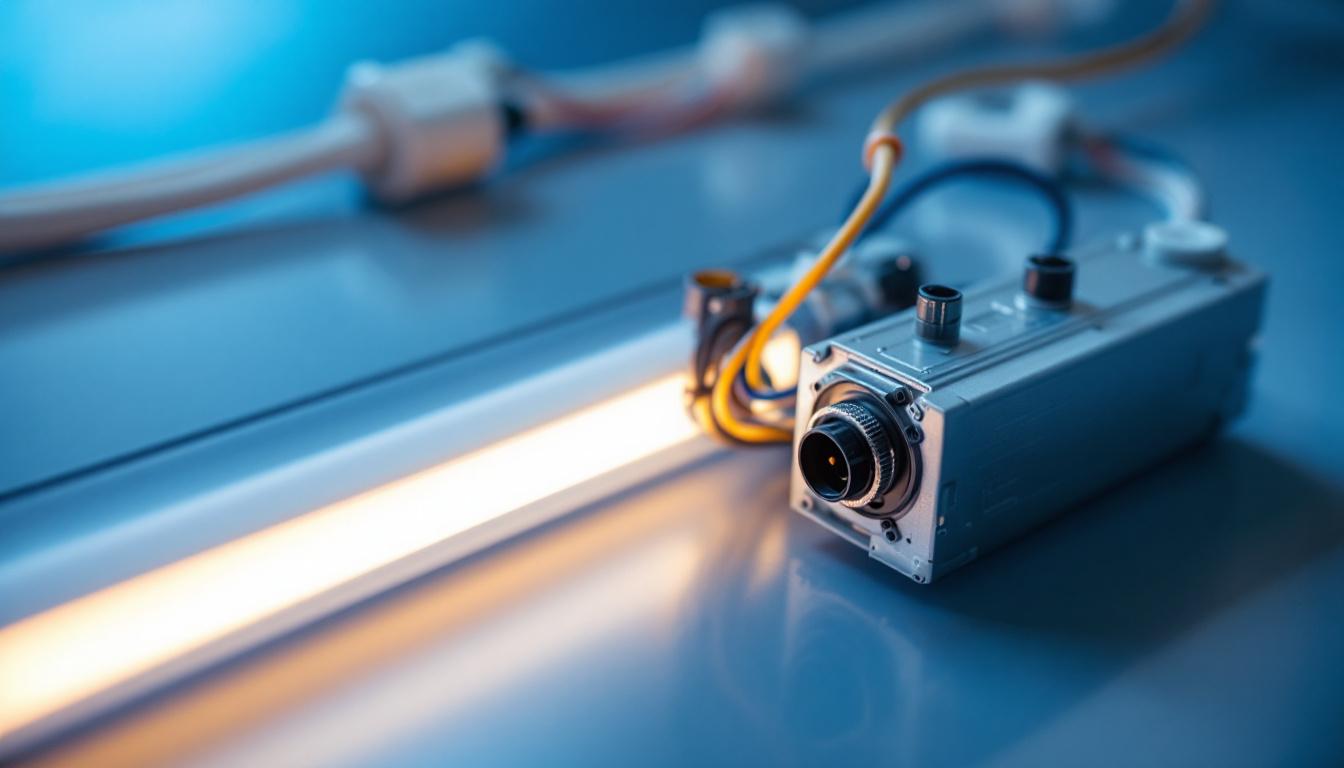
Fluorescent lighting remains a cornerstone in commercial, industrial, and residential illumination due to its energy efficiency and long lifespan. At the heart of every fluorescent fixture lies a critical component: the ballast. For lighting contractors, understanding how a fluorescent light ballast operates is essential for proper installation, troubleshooting, and maintenance.
The ballast regulates the current to the fluorescent lamp and provides the necessary voltage to start the lamp. Without it, the lamp would draw excessive current and burn out quickly. This article delves into the principles behind fluorescent ballasts, explores different types, and presents proven methods to optimize their performance in various lighting applications.
Fluorescent ballasts come in two primary types: magnetic and electronic. Magnetic ballasts, which were the standard for many years, utilize electromagnetic induction to regulate the current. They are typically larger, heavier, and less efficient than their electronic counterparts. On the other hand, electronic ballasts have gained popularity due to their compact size, lighter weight, and ability to provide a more stable current, which enhances the overall performance of the fluorescent lamp. Additionally, electronic ballasts often feature advanced technology that allows for dimming capabilities and improved energy savings, making them an attractive option for modern lighting solutions.
Moreover, the choice of ballast can significantly affect the quality of light emitted by fluorescent lamps. For instance, electronic ballasts can minimize flickering and provide a more consistent light output, which is particularly important in environments where visual comfort is paramount, such as offices and schools. Understanding the compatibility between the ballast and the specific type of fluorescent lamp being used is crucial for achieving optimal performance and longevity. As the lighting industry continues to evolve, the integration of smart technology into ballasts is also becoming more prevalent, allowing for enhanced control and automation in lighting systems, further underscoring the importance of staying informed about advancements in ballast technology.
Fundamentals of Fluorescent Light Ballasts
Role and Importance in Fluorescent Lighting Systems
A fluorescent lamp produces light by exciting mercury vapor inside the tube, which then emits ultraviolet light. This ultraviolet light interacts with the phosphor coating on the inside of the tube, producing visible light. However, initiating and sustaining this process requires precise electrical control.
The ballast serves two primary functions: it provides the initial high voltage to strike the arc between the lamp’s electrodes and then regulates the current to maintain a stable light output. Without a ballast, the lamp would experience a runaway current condition, leading to premature failure or unsafe operation. Furthermore, the efficiency of the ballast can significantly affect the overall energy consumption of the lighting system. A well-designed ballast not only enhances the lifespan of the fluorescent lamp but also contributes to lower energy costs, making it a critical component in both residential and commercial lighting applications.
How Ballasts Control Current and Voltage
Fluorescent lamps have a negative resistance characteristic, meaning that as the current increases, the lamp’s resistance decreases. This can cause the current to increase uncontrollably if not regulated. The ballast limits this current by adding inductive or electronic impedance to the circuit.
Traditional magnetic ballasts use inductors to limit current, while modern electronic ballasts use solid-state components to precisely control voltage and current. Both types ensure the lamp receives the correct operating conditions for optimal performance and longevity. Additionally, electronic ballasts often include features such as dimming capabilities and instant-start technology, which can enhance user experience and adaptability in various lighting environments. This versatility allows for more efficient use of fluorescent lamps in settings that require different lighting levels throughout the day, such as offices, classrooms, and retail spaces.
Types of Fluorescent Ballasts and Their Applications
Magnetic Ballasts: The Traditional Approach
Magnetic ballasts have been the industry standard for decades. They consist of a coil of wire wrapped around an iron core, creating an inductor that limits current flow. These ballasts are robust and relatively simple but tend to be heavier and less energy-efficient compared to their electronic counterparts.
Lighting contractors often encounter magnetic ballasts in older installations or in specific industrial environments where durability is prioritized. However, these ballasts can produce a noticeable hum and flicker, which may be undesirable in modern settings. Despite their drawbacks, magnetic ballasts are still favored in applications where extreme conditions prevail, such as in factories or warehouses, due to their ability to withstand harsh environments and their lower initial cost. Furthermore, they can be more forgiving in terms of compatibility with various fluorescent lamp types, making them a go-to choice for retrofitting older lighting systems.
Electronic Ballasts: Efficiency and Performance
Electronic ballasts utilize semiconductor components to convert the input power to a high-frequency output, typically between 20 kHz and 60 kHz. This high-frequency operation eliminates flicker and reduces audible noise, providing a more comfortable lighting environment.
Additionally, electronic ballasts improve energy efficiency by reducing power losses associated with magnetic ballasts. They also enable features such as dimming and rapid start, which are valuable in commercial and office settings. For lighting contractors, electronic ballasts represent the future of fluorescent lighting technology. Their compact design allows for easier installation in tight spaces, and the ability to control lighting levels can lead to significant energy savings over time. Moreover, many electronic ballasts are designed to work seamlessly with LED retrofits, making them a versatile choice for modern lighting upgrades.
Hybrid Ballasts and Emerging Technologies
Some manufacturers offer hybrid ballasts that combine magnetic and electronic components to balance cost and performance. These ballasts may be suitable for retrofit projects where budget constraints exist but some efficiency improvements are desired.
Emerging technologies, including smart ballasts integrated with IoT capabilities, allow for remote monitoring and control, enhancing energy management. Lighting contractors should stay informed about these advancements to offer clients cutting-edge solutions. Smart ballasts can communicate with building management systems, providing real-time data on energy consumption and enabling predictive maintenance. This not only improves operational efficiency but also contributes to sustainability goals by optimizing energy use. As the demand for smart building technologies grows, the integration of advanced ballasts will likely become a standard practice, paving the way for a more intelligent and responsive lighting infrastructure.
Installation Best Practices for Lighting Contractors
Ensuring Compatibility Between Ballast and Lamp
One of the most common issues in fluorescent lighting installations is mismatched ballasts and lamps. Each ballast is designed to operate specific lamp types and wattages. Using an incompatible ballast can lead to poor lamp performance, reduced lifespan, or safety hazards.
Contractors should always verify the ballast’s specifications against the lamp requirements, including voltage, current, and starting method. Manufacturers typically provide detailed charts and guidelines to assist in selecting the correct ballast.
Wiring and Safety Considerations
Proper wiring is critical for ballast performance and safety. Ballasts must be connected according to the manufacturer’s wiring diagrams, ensuring correct polarity and secure connections. Lighting contractors should also confirm that the circuit’s voltage matches the ballast’s rated input.
Additionally, grounding the ballast and fixture is essential to prevent electrical shock and interference. Using appropriate wire gauges and securing all connections minimizes the risk of overheating or electrical faults.
Minimizing Electromagnetic Interference (EMI)
Magnetic ballasts can generate electromagnetic interference, which may affect sensitive electronic equipment. To mitigate this, contractors can use ballasts with built-in EMI filters or install additional shielding where necessary.
Electronic ballasts generally produce less EMI, but proper installation practices, such as maintaining separation from communication cables and using shielded wiring, further reduce interference risks.
Troubleshooting and Maintenance Techniques
Common Ballast Failures and Symptoms
Fluorescent ballasts can fail due to overheating, voltage spikes, or age-related wear. Common symptoms include flickering lights, lamps that fail to start, humming noises, or complete loss of light output.
Lighting contractors should be adept at diagnosing these issues by inspecting the ballast for visible damage, testing electrical continuity, and measuring voltage and current with appropriate tools.
Replacing Ballasts Safely and Effectively
When a ballast replacement is necessary, contractors must ensure the new ballast matches the lamp type and fixture specifications. Turning off power at the circuit breaker and verifying the absence of voltage before starting work is mandatory for safety.
After replacement, testing the fixture for proper operation and verifying that the ballast does not overheat during initial use helps prevent future problems.
Extending Ballast and Lamp Lifespan
Regular maintenance, including cleaning fixtures to prevent dust buildup and ensuring proper ventilation, can extend ballast life. Additionally, using high-quality lamps and ballasts reduces the frequency of replacements.
Contractors should educate clients on the benefits of upgrading to electronic ballasts and implementing lighting controls that reduce operating hours, thereby conserving energy and prolonging equipment life.
Energy Efficiency and Regulatory Considerations
Energy Savings with Electronic Ballasts
Electronic ballasts typically consume 10-15% less energy than magnetic ballasts, translating into significant cost savings over time. Their ability to operate lamps at optimal power levels without flicker also improves occupant comfort and productivity.
Lighting contractors can leverage these benefits when advising clients on retrofit projects or new installations, emphasizing long-term operational savings and improved lighting quality.
Compliance with Lighting Standards
Many regions enforce energy efficiency standards and regulations that impact ballast selection. For instance, certain jurisdictions require the use of electronic ballasts in commercial buildings to meet energy codes.
Contractors must stay current with local codes and standards, including those from organizations such as the Illuminating Engineering Society (IES) and the Department of Energy (DOE), to ensure compliance and avoid costly rework.
Environmental Impact and Sustainability
Fluorescent lighting with efficient ballasts contributes to reducing greenhouse gas emissions by lowering electricity consumption. Additionally, proper disposal and recycling of ballasts, especially those containing PCBs in older models, are critical for environmental protection.
Lighting contractors play a vital role in promoting sustainable practices by recommending energy-efficient solutions and adhering to responsible disposal protocols.
Conclusion: Mastering Fluorescent Ballast Technology
For lighting contractors, a deep understanding of how fluorescent light ballasts work is indispensable. From selecting the right ballast for each application to executing precise installations and troubleshooting failures, mastery of ballast technology ensures successful lighting projects that meet client expectations.
By embracing modern electronic ballasts and adhering to best practices, contractors can deliver energy-efficient, reliable, and high-quality lighting solutions. Staying informed about technological advancements and regulatory requirements further empowers contractors to remain competitive and provide exceptional service in the evolving lighting industry.
Upgrade Your Lighting Projects with LumenWholesale
Ready to elevate your lighting installations with the finest ballasts and fluorescent solutions? Look no further than LumenWholesale, where we specialize in providing lighting contractors with high-quality, spec-grade lighting products at unbeatable wholesale prices. Say goodbye to local distributor markups and hello to superior lighting products that meet the highest industry standards. With LumenWholesale, you can enjoy the convenience of bulk buying with free shipping, ensuring you get premium lighting at the best value — without hidden fees or compromises. Don’t miss out on the perfect blend of quality, affordability, and convenience. Visit LumenWholesale today for Wholesale Lighting at the Best Value and make your next project shine brighter than ever.