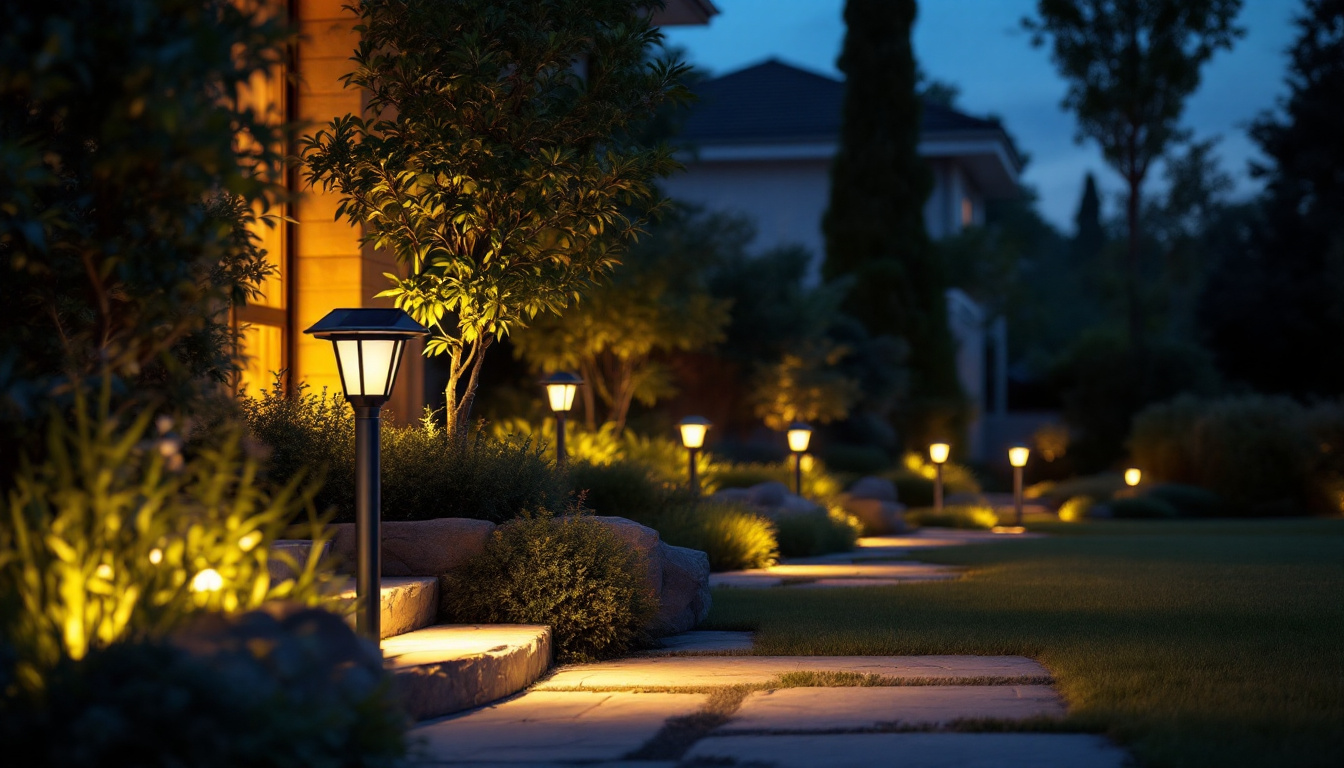
Lighting plays a crucial role in creating ambiance, enhancing safety, and improving functionality in both residential and commercial spaces. For lighting contractors, understanding the intricacies of light measurement is essential. One of the most common units of measurement in the lighting industry is the lumen. This article aims to clarify what a lumen is, how it relates to other measurements, and address common questions that lighting contractors may have regarding this important topic.
Understanding Lumens
The lumen is a unit that measures the amount of visible light emitted by a source. It quantifies how much light is produced, making it a critical factor when selecting lighting fixtures for various applications. Unlike watts, which measure energy consumption, lumens focus solely on light output, providing a clearer understanding of how bright a light source will be.
How Lumens Differ from Watts
Traditionally, many people associated the brightness of a light bulb with its wattage. However, this correlation is misleading. A higher wattage indicates more energy consumption, but not necessarily more light output. For instance, an LED bulb can produce the same number of lumens as an incandescent bulb while using significantly fewer watts. This shift in understanding has become increasingly important as energy-efficient lighting options have gained popularity. As consumers become more environmentally conscious, the demand for lighting solutions that provide maximum brightness with minimal energy usage continues to rise, making lumens a key metric in the decision-making process.
Measuring Brightness: The Role of Lumens
When assessing the brightness of a light source, lumens provide a more accurate representation than watts. For example, a 60-watt incandescent bulb typically emits around 800 lumens, while a 10-watt LED bulb can produce the same amount of light. This understanding allows contractors to make informed decisions when selecting lighting solutions, ensuring that clients receive the desired brightness without unnecessary energy costs. Additionally, the concept of lumens extends beyond simple bulb comparisons; it also plays a vital role in architectural and interior design. Designers often calculate the total lumens required for a space based on its size, purpose, and the desired ambiance, ensuring that the lighting complements the overall aesthetic while meeting functional needs.
Furthermore, the distribution of lumens can vary significantly depending on the design of the fixture and the type of light source used. For instance, recessed lighting can create a focused beam of light that enhances specific areas, while pendant lights may diffuse lumens across a wider space. Understanding how lumens interact with different environments allows for more strategic lighting choices, such as layering ambient, task, and accent lighting to achieve a well-balanced atmosphere. As technology advances, new lighting solutions continue to emerge, making it essential for both consumers and professionals to stay informed about lumens and their implications for effective lighting design.
Common Questions About Lumens
As lighting contractors navigate the complexities of lumens and their applications, several common questions often arise. Addressing these inquiries can help clarify the role of lumens in lighting design and installation.
What Is the Ideal Lumen Output for Different Spaces?
The ideal lumen output varies depending on the type of space and its intended use. For instance, a living room may require around 1,500 to 3,000 lumens for general lighting, while a kitchen might need between 5,000 to 10,000 lumens for task lighting. Understanding the specific needs of each space allows contractors to tailor their lighting solutions effectively. Additionally, factors such as the color of the walls, the amount of natural light the space receives, and the height of the ceilings can also influence the lumen requirements. For example, darker colors may absorb more light, necessitating a higher lumen output to achieve the desired brightness. Similarly, spaces with high ceilings may require more lumens to ensure that light reaches all areas evenly.
How Do I Calculate the Number of Lumens Needed?
Calculating the number of lumens required for a space involves considering the room’s size, the type of activities performed, and the desired brightness level. A general guideline is to use 20 lumens per square foot for ambient lighting. For example, a 200-square-foot room would need approximately 4,000 lumens. However, this is a starting point; adjustments may be necessary based on personal preferences and specific tasks. It’s also important to consider the layering of light, which includes ambient, task, and accent lighting. Each layer serves a different purpose and can affect the overall lumen requirement. For instance, a home office may benefit from additional task lighting, such as desk lamps, which can provide focused light for reading or working on a computer, thus altering the total lumen calculation.
Can Lumens Affect Mood and Productivity?
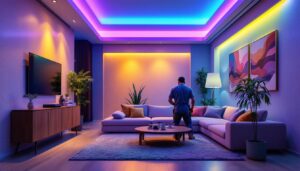
Yes, the amount of light in a space can significantly influence mood and productivity. Bright, well-lit environments tend to enhance focus and energy levels, making them ideal for workspaces. Conversely, softer, warmer lighting can create a calming atmosphere, suitable for relaxation areas. Understanding how lumens impact the psychological aspects of lighting can help contractors design spaces that meet their clients’ emotional and functional needs. Moreover, studies have shown that exposure to natural light can improve mood and reduce stress, which is why incorporating windows or skylights in design plans can be beneficial. Additionally, the color temperature of the light, measured in Kelvin, plays a crucial role in how lumens affect mood; cooler temperatures are often associated with alertness, while warmer tones promote comfort and tranquility, making it essential for contractors to consider both lumen output and light quality in their designs.
Choosing the Right Light Fixtures
With a solid understanding of lumens, the next step for lighting contractors is selecting the appropriate fixtures. The choice of fixtures can greatly influence the overall effectiveness of the lighting design. The right fixtures not only enhance the functionality of a space but also contribute significantly to its ambiance and style. Therefore, a thoughtful selection process is crucial in achieving a harmonious balance between practicality and aesthetics.
Types of Light Fixtures
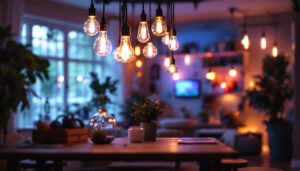
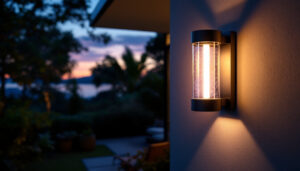
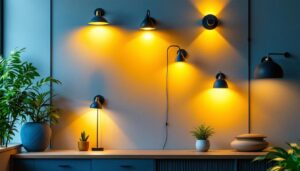
There are various types of light fixtures available, each with its unique characteristics and applications. Some common types include recessed lights, pendant lights, and wall sconces. Recessed lights are often used for ambient lighting, while pendant lights can provide focused illumination over specific areas, such as dining tables or kitchen islands. Wall sconces add decorative elements while also serving functional purposes. Additionally, track lighting has gained popularity for its versatility, allowing for adjustable light direction and intensity, making it ideal for highlighting artwork or architectural features. Floor lamps and table lamps also play a significant role in creating layered lighting, offering both task and accent lighting options that can be easily moved or adjusted as needed.
Matching Fixtures to Lumens
When selecting fixtures, it’s essential to match them with the required lumen output for the space. For example, a pendant light intended for a dining area should provide enough lumens to illuminate the table without being overly bright. Contractors should also consider the fixture’s design and how it complements the overall aesthetic of the space. The color temperature of the light emitted by the fixture is another critical factor; warmer tones can create a cozy atmosphere, while cooler tones can promote alertness and focus. Furthermore, the material and finish of the fixtures can affect light diffusion and reflection, influencing how effectively the light is distributed throughout the room. Therefore, a comprehensive understanding of both lumens and fixture characteristics is vital for creating a well-lit and visually appealing environment.
Energy Efficiency and Lumens
In today’s environmentally conscious world, energy efficiency is a significant consideration for lighting contractors. Understanding the relationship between lumens and energy consumption can help contractors make sustainable choices.
LED vs. Traditional Bulbs
LED bulbs are the most energy-efficient option available, producing more lumens per watt than traditional incandescent or fluorescent bulbs. For instance, an LED bulb may produce 100 lumens per watt, while an incandescent bulb typically only produces around 15 lumens per watt. This efficiency not only reduces energy costs for clients but also contributes to a lower carbon footprint.
Long-Term Cost Savings
While LED bulbs may have a higher upfront cost, their longevity and energy efficiency lead to significant long-term savings. Contractors should educate clients about the benefits of investing in LED lighting, emphasizing that the initial expense is offset by reduced energy bills and less frequent replacements.
Common Misconceptions About Lumens
As with any technical subject, misconceptions about lumens can lead to confusion among contractors and clients alike. Addressing these misunderstandings can enhance communication and improve project outcomes.
Lumens vs. Lux
A common misconception is that lumens and lux are interchangeable terms. However, they measure different aspects of light. Lumens indicate the total light output of a source, while lux measures the intensity of light on a surface area (one lux equals one lumen per square meter). Understanding this distinction is crucial for contractors when discussing lighting plans with clients.
Brightness Is Not the Only Factor
Another misconception is that higher lumens always equate to better lighting. While brightness is essential, other factors such as color temperature and the distribution of light also play significant roles in creating effective lighting designs. Contractors should consider all aspects of lighting to achieve a balanced and aesthetically pleasing result.
Conclusion
Understanding lumens is vital for lighting contractors aiming to deliver high-quality lighting solutions. By grasping the concept of lumens, their relationship to other measurements, and the common questions surrounding them, contractors can enhance their expertise and provide clients with informed recommendations. As the industry continues to evolve, staying updated on lighting technologies and trends will ensure that contractors remain competitive and capable of meeting diverse client needs.
Ultimately, the goal of any lighting project is to create spaces that are not only functional but also visually appealing and conducive to the activities taking place within them. By leveraging knowledge about lumens and energy-efficient lighting options, contractors can play a pivotal role in transforming environments and enhancing the quality of life for their clients.
Illuminate Your Projects with LumenWholesale
Ready to bring your lighting projects to life with the brightest solutions at the best value? Look no further than LumenWholesale, where we offer an extensive selection of top-quality, spec-grade lighting products at unbeatable wholesale prices. Say goodbye to inflated markups and hello to superior lighting that meets the highest industry standards. With free shipping on bulk orders, you can trust that you’re getting premium lighting without hidden fees or compromises. Elevate your lighting game and enhance your clients’ quality of life with the perfect blend of quality, affordability, and convenience at LumenWholesale.