Choosing the Right House Street Lamp for Residential Projects
Selecting a street lamp for residential areas requires more than just picking a fixture that looks good. Lighting contractors must balance aesthetics, functionality, safety, and energy efficiency. Homeowners and municipalities expect street lamps that enhance curb appeal while providing adequate illumination for pedestrians and vehicles.
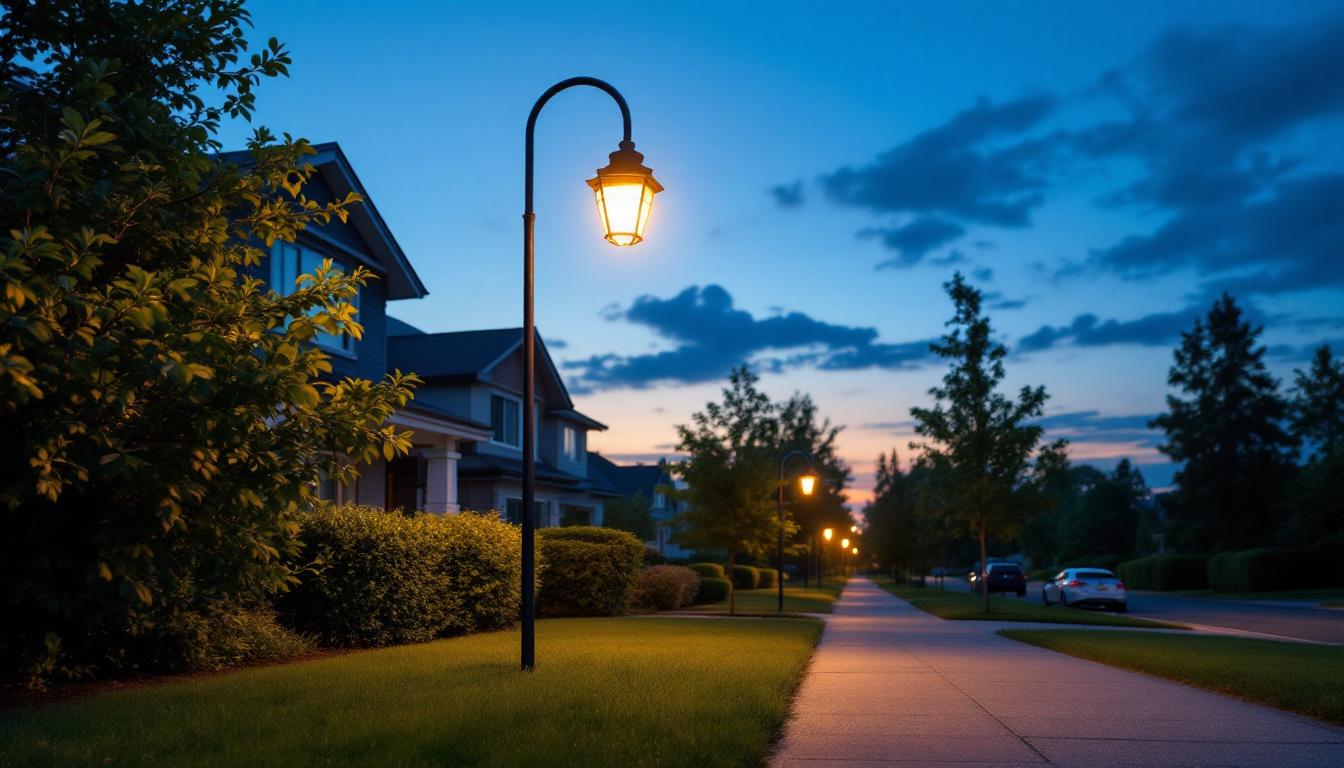
Start by assessing the environment where the lamp will be installed. Is it a suburban neighborhood with tree-lined streets or a compact urban setting? The lamp’s height, light distribution, and brightness must suit the specific layout. For example, taller poles with wider beam spreads work well in open areas, while shorter, more focused fixtures are better for narrow streets and sidewalks.
Material and finish also play crucial roles. Weather-resistant materials such as powder-coated aluminum or stainless steel ensure durability against rain, snow, and UV exposure. Consider finishes that complement the architectural style of the homes—classic black or bronze for traditional neighborhoods, and sleek silver or white for modern developments.
Light Color Temperature and Its Impact
Color temperature significantly affects the ambiance and visibility of residential streets. Most contractors recommend lamps with a color temperature between 2700K and 3500K. This range produces a warm to neutral white light that is inviting and less harsh on the eyes compared to cooler temperatures.
Warmer light reduces glare and light pollution, which is important in residential zones to avoid disturbing residents. It also enhances the natural colors of landscaping and building facades, improving the overall streetscape appearance.
In addition to color temperature, the type of light source used in street lamps can influence energy consumption and maintenance needs. LED fixtures, for instance, are becoming increasingly popular due to their longevity and efficiency. Unlike traditional incandescent bulbs, LEDs consume significantly less energy and have a lifespan that can exceed 25,000 hours, reducing the frequency of replacements and associated labor costs. Furthermore, many LED options come with dimming capabilities, allowing for adjustable brightness levels based on the time of night or specific events, which can further enhance safety and reduce energy waste.
Another consideration is the integration of smart technology into street lighting systems. Smart street lamps equipped with sensors can adjust their brightness based on real-time conditions, such as pedestrian movement or ambient light levels. This not only improves energy efficiency but also enhances safety by ensuring that areas are well-lit when needed. Additionally, these systems can be monitored remotely, allowing municipalities to manage their lighting infrastructure more effectively and respond quickly to outages or malfunctions, ultimately contributing to a safer and more inviting community environment.
Energy Efficiency and Sustainability Considerations
Energy consumption is a primary concern for clients aiming to reduce operational costs and environmental impact. Lighting contractors should prioritize LED technology for house street lamps. LEDs offer significant energy savings—up to 70% less power consumption compared to traditional high-pressure sodium or metal halide lamps. This reduction in energy usage not only translates to lower utility bills but also contributes to a decrease in greenhouse gas emissions, aligning with global sustainability goals.
Beyond energy savings, LEDs have longer lifespans, often exceeding 50,000 hours, which reduces maintenance frequency and costs. This is especially important for street lamps, where replacements can be labor-intensive and require special equipment. Furthermore, the durability of LEDs means they are less prone to breakage, which is a significant advantage in public spaces where vandalism or accidents can lead to frequent repairs. The reduced need for replacements also lessens the environmental burden associated with manufacturing and disposing of lighting fixtures.
Smart Controls and Adaptive Lighting
Incorporating smart lighting controls can further optimize energy use. Motion sensors, dimmers, and timers allow lamps to adjust brightness based on pedestrian or vehicle presence, time of day, or ambient light conditions. Adaptive lighting not only saves energy but also extends the lifespan of the fixtures. For instance, during late-night hours when foot traffic is minimal, street lamps can automatically dim, conserving energy while still providing adequate illumination for safety.
Some advanced systems integrate with IoT platforms, enabling remote monitoring and management. This capability helps contractors and clients quickly identify faults, schedule maintenance, and adjust settings without onsite visits. Moreover, data collected from these systems can provide valuable insights into usage patterns and energy consumption trends, allowing for further optimization and strategic planning. As cities continue to embrace smart technologies, the integration of adaptive lighting solutions will play a crucial role in creating more responsive and sustainable urban environments.
Installation Best Practices for Safety and Longevity
Proper installation is vital to ensure that house street lamps function safely and reliably. Lighting contractors must follow local electrical codes and standards, including grounding requirements and wiring specifications. Using high-quality, weatherproof connectors and conduits prevents moisture ingress that can cause shorts or corrosion. Additionally, it is crucial to regularly inspect and maintain these components to ensure their integrity over time. Regular maintenance checks can identify potential issues before they escalate, thereby extending the lifespan of the lighting system and ensuring ongoing safety for residents.
Foundation and pole anchoring should be designed to withstand local wind loads and soil conditions. A poorly anchored lamp post can become a safety hazard during storms or accidental impacts. It is advisable to conduct a soil analysis before installation to determine the best anchoring method, whether it be concrete footings or specialized anchoring systems. This proactive approach not only enhances the stability of the street lamps but also contributes to the overall aesthetic of the neighborhood by ensuring that the lighting fixtures remain upright and visually appealing.
Height and Spacing Guidelines
Correct height and spacing are essential for uniform illumination and minimizing dark spots. Typically, residential street lamps range from 10 to 14 feet in height. Spacing depends on the lamp’s lumen output and beam angle but generally falls between 80 and 120 feet apart. Factors such as the type of light source—LEDs, halogens, or fluorescents—also play a significant role in determining the optimal spacing, as different technologies emit light in varying patterns and intensities.
Contractors should use photometric planning tools to simulate light distribution before installation. This ensures compliance with safety standards and client expectations for visibility. By utilizing advanced software, contractors can visualize how light will interact with the environment, allowing for adjustments that enhance both functionality and aesthetics. Furthermore, considering the surrounding landscape, including trees and buildings, is essential in this planning phase to avoid obstructions that could create unwanted shadows or glare, ultimately leading to a safer and more inviting outdoor space.
Maintenance Tips to Maximize Performance
Routine maintenance keeps house street lamps operating at peak performance and extends their service life. Contractors should advise clients on a maintenance schedule that includes cleaning lenses, checking electrical connections, and inspecting poles for damage or corrosion. Regularly scheduled maintenance not only enhances the aesthetic appeal of the street lamps but also ensures that they provide adequate illumination for safety and security in the surrounding areas. A well-maintained lighting system can significantly improve visibility for pedestrians and drivers alike, reducing the risk of accidents during nighttime hours.
Replacing lamps or drivers before complete failure prevents unexpected outages. For LED fixtures, driver failure is a common issue, so having spare components on hand can reduce downtime. Additionally, implementing a proactive approach to inventory management can streamline the replacement process. Keeping a log of the lifespan of each component can help predict when replacements will be necessary, allowing for timely ordering and installation without disrupting service.
Addressing Common Issues
Flickering lights, dimming, or color shifts often indicate electrical problems or aging components. Moisture inside the fixture can cause corrosion or short circuits. Ensuring proper sealing during installation and using high-quality gaskets can mitigate these issues. It’s also beneficial to educate clients on the importance of environmental factors, such as humidity and temperature fluctuations, which can exacerbate these problems. By choosing fixtures designed to withstand local weather conditions, the longevity and reliability of the lighting system can be significantly improved.
Regular inspections after severe weather events are also recommended to identify and repair damage promptly. In addition to visual checks, employing diagnostic tools can help detect underlying issues that may not be immediately visible. For instance, using thermal imaging can reveal hotspots in electrical connections that could lead to future failures. Furthermore, documenting the condition of each fixture during inspections can provide valuable data for future maintenance planning, ensuring that all components are functioning optimally and that any necessary repairs are addressed before they escalate into more significant problems.
Client Communication and Project Management
Successful lighting projects depend on clear communication with clients. Lighting contractors should provide detailed proposals outlining fixture types, energy savings, installation timelines, and maintenance plans. Visual aids like photometric layouts and 3D renderings help clients understand the final outcome.
Managing expectations upfront reduces the risk of disputes and ensures client satisfaction. Offering post-installation support and warranty information builds trust and encourages repeat business.
Staying Updated with Industry Trends
The lighting industry evolves rapidly with new technologies and regulations. Contractors who stay informed about the latest standards, energy codes, and innovative products can offer better solutions to their clients. Participating in trade shows, certification programs, and professional networks is essential for continuous improvement.
Adopting sustainable practices and smart technologies not only benefits clients but also positions contractors as leaders in the competitive market.
Illuminate Your Projects with LumenWholesale
Ready to elevate your lighting projects with the finest selection of street lamps and smart lighting solutions? Look no further than LumenWholesale, where we provide contractors with top-quality, spec-grade lighting products at unbeatable wholesale prices. Our commitment to quality, affordability, and convenience ensures that you can light up any residential street with confidence and ease. Say goodbye to inflated markups and hello to hassle-free bulk buying with free shipping. Don’t compromise on your lighting needs—choose LumenWholesale for Wholesale Lighting at the Best Value and make your next project shine.