Understanding the Unique Lighting Needs of Horse Riding Arenas
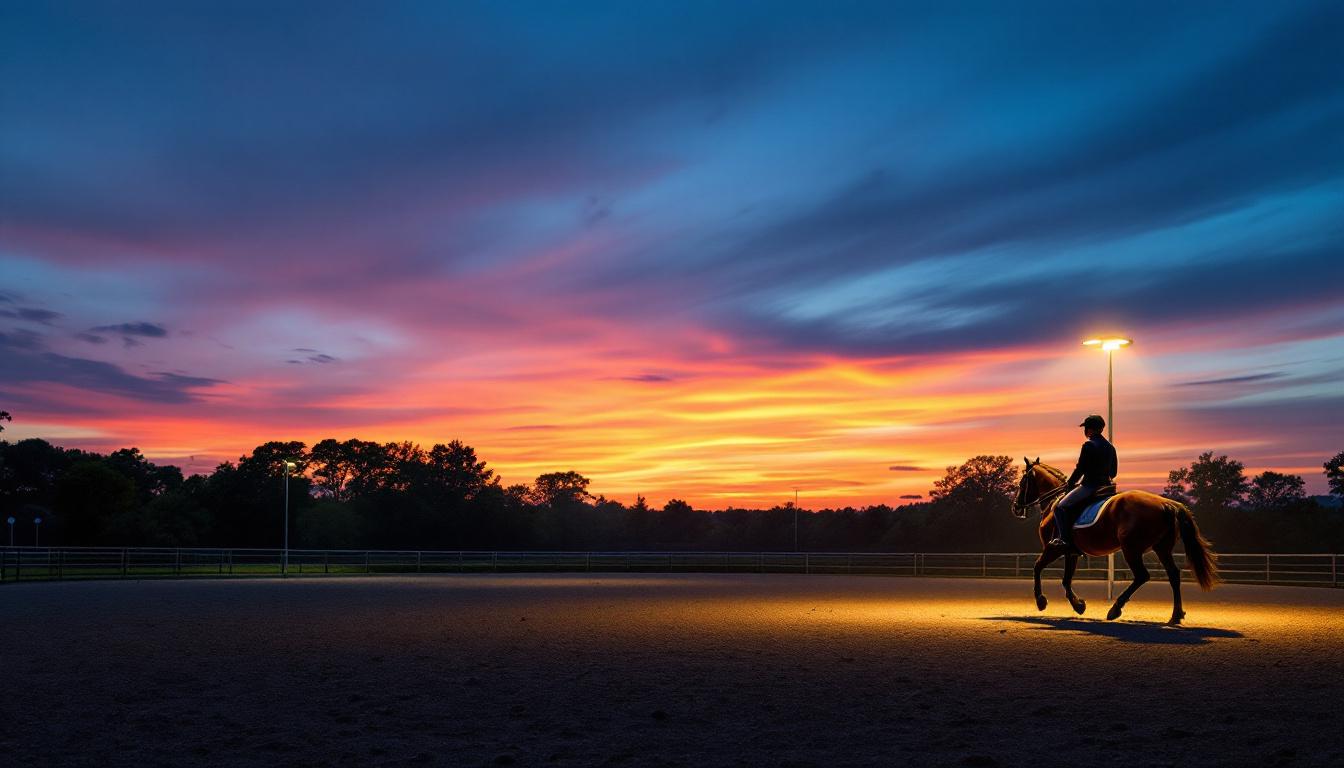
Horse riding arenas present a unique challenge when it comes to lighting. Unlike typical sports fields or indoor facilities, arenas require lighting that ensures safety, visibility, and comfort for both riders and horses. The stakes are high—poor lighting can lead to accidents, stress for animals, and a diminished experience for riders and spectators alike.
Lighting contractors must grasp the nuances of these environments. Arenas are often large open spaces, sometimes indoors but frequently outdoors, with varying surface materials like sand, dirt, or synthetic footing. These surfaces affect light reflection and absorption, influencing how well the arena is illuminated. For instance, a sand surface may absorb more light than a synthetic one, requiring different lighting strategies to achieve optimal visibility. Furthermore, outdoor arenas face additional challenges such as changing weather conditions and the natural progression of daylight, necessitating versatile lighting solutions that can adapt to these variations.
Additionally, horses have different visual sensitivities compared to humans. They are more sensitive to glare and sudden changes in lighting, which can startle them. This means lighting must be consistent, evenly distributed, and free from harsh contrasts or shadows that could confuse or frighten the animals. A well-designed lighting system will take into account the height and angle of fixtures to minimize glare while maximizing coverage. Moreover, the color temperature of the lights can also play a significant role; warmer tones may create a more soothing environment for both horse and rider, while cooler tones can enhance visibility without causing undue stress.
Moreover, the integration of smart lighting technology is becoming increasingly popular in modern riding arenas. These systems allow for the adjustment of light intensity based on the time of day or specific activities taking place, ensuring that the arena is always optimally lit. For example, during evening practices, lights can be dimmed or brightened according to the riders’ preferences or the specific needs of the horses. This adaptability not only enhances the riding experience but also contributes to energy efficiency, reducing operational costs in the long run. Additionally, incorporating LED lights can provide a longer lifespan and lower maintenance requirements compared to traditional lighting options, making them a practical choice for arena owners.
“`html
Key Considerations for Arena Lighting Design
Light Levels and Uniformity
One of the first steps in designing arena lighting is determining the appropriate light levels. The Illuminating Engineering Society (IES) recommends specific lux levels depending on the arena’s use. For example, training arenas typically require around 100 to 150 lux, while competition arenas may need 300 lux or more to meet broadcast or judging standards.
Uniformity is just as crucial. Uneven lighting can create dark spots or overly bright areas, both of which can be dangerous. A uniformity ratio (minimum to average illuminance) of at least 0.5 is often targeted to ensure consistent visibility across the entire arena floor. Achieving this uniformity often involves careful planning of the fixture layout, taking into account the height and angle of the lights, as well as the reflective properties of the arena’s surfaces. Additionally, the use of advanced lighting simulation software can help designers visualize how light will interact with the space before installation, allowing for adjustments that enhance both safety and performance.
Minimizing Glare and Shadows
Glare can be a major problem in horse arenas. Horses are particularly sensitive to bright, direct light shining into their eyes. Lighting fixtures should be positioned and shielded to prevent direct line-of-sight glare for both horses and riders. This can involve using fixtures with diffusers or lenses that soften the light output, reducing harshness while still providing adequate illumination. Furthermore, the angle of the lights should be carefully considered; mounting fixtures at a higher angle can help direct light downwards, minimizing the chance of glare.
Shadows can also create visual confusion. Horses may hesitate or spook if they see sudden dark patches or moving shadows. To mitigate this, multiple light sources are typically used, placed strategically around the arena perimeter and sometimes overhead, to fill in shadows and maintain consistent illumination. The use of LED lighting technology has also revolutionized shadow management, as these fixtures can be finely tuned and dimmed to create a more even light distribution. This flexibility allows for adjustments based on the specific activities taking place, ensuring that both horses and riders feel comfortable and secure in their environment.
Color Temperature and Rendering
The color temperature of lighting affects how colors appear and can impact the mood and perception of the space. For horse arenas, a neutral white light—around 4000K to 5000K—is generally preferred. This range provides a natural look that helps riders judge distances and terrain more accurately. It is also worth noting that different times of day can affect how light interacts with the arena, making it essential to consider both artificial and natural light sources in the design process. For instance, during early morning or late afternoon events, the interplay of sunlight and artificial lighting can create varying effects that need to be accounted for to maintain consistency.
Color rendering index (CRI) is another important factor. A CRI of 80 or above is recommended to ensure colors appear true and natural. This is especially important during competitions where judges and spectators need to clearly see the horse’s movements and appearance. Additionally, the choice of lighting technology can influence CRI; for example, high-quality LED fixtures often provide superior color rendering compared to traditional incandescent bulbs. This not only enhances the visual experience for spectators but also plays a crucial role in the training and performance assessment of the horses, as accurate color perception can aid in evaluating their condition and readiness for competition.
“`
Choosing the Right Fixtures and Technologies
LED Lighting: Efficiency and Longevity
LED technology has become the go-to solution for arena lighting. LEDs offer superior energy efficiency, longer lifespan, and better control over light distribution compared to traditional metal halide or halogen fixtures.
Energy savings can be substantial, especially in large outdoor arenas where lighting may be used for several hours each day. LEDs also reach full brightness instantly, eliminating warm-up times that can be problematic in colder climates or during sudden lighting needs.
Fixture Placement and Mounting
Proper placement of fixtures is critical. Lighting should be mounted high enough to cover the entire arena without creating glare or shadows. Typical mounting heights range from 20 to 40 feet, depending on arena size and fixture type.
Fixtures are usually installed on poles around the arena perimeter or on the ceiling in indoor arenas. Adjustable mounts allow for fine-tuning the direction and angle of light beams, optimizing coverage and minimizing spill light into surrounding areas.
Control Systems for Flexibility and Safety
Modern lighting control systems enable contractors to offer clients flexible operation. Dimming capabilities allow for adjusting light levels based on activity-lower for casual riding, higher for competitions or events.
Automated controls can include timers, motion sensors, and remote operation, improving energy efficiency and convenience. Emergency lighting features and backup power options are also important considerations to ensure safety during power outages or unexpected situations.
Installation Best Practices and Safety Protocols
Site Assessment and Planning
Before installation, a thorough site assessment is essential. Contractors should evaluate existing electrical infrastructure, pole locations, and potential obstructions. Soil conditions and weather exposure must be considered, especially for outdoor arenas, to ensure fixture durability and stability.
Planning should also include compliance with local regulations and standards, including electrical codes and environmental guidelines related to light pollution.
Wiring and Grounding
Proper wiring techniques are critical to prevent electrical hazards. All wiring should be rated for outdoor use if applicable, protected against moisture, and installed in conduit where necessary.
Grounding is vital for safety and equipment protection. Contractors should ensure all fixtures and poles are properly grounded to reduce risk of electrical shock and damage from lightning strikes.
Testing and Commissioning
After installation, comprehensive testing ensures the system operates as intended. This includes verifying light levels, uniformity, control functionality, and safety features.
Contractors should document test results and provide clients with operation manuals and maintenance guidelines. Training on control systems can help arena managers maximize the benefits of their new lighting setup.
Maintenance Strategies to Extend System Life
Routine Inspections
Regular inspections help identify issues before they become costly problems. Contractors should recommend periodic checks of fixture alignment, lens cleanliness, and electrical connections.
Environmental factors like dust, insects, and weather can degrade lighting performance over time. Cleaning lenses and replacing damaged components keeps the system operating efficiently.
Addressing Common Issues
Flickering lights, dimming, or outages often indicate wiring problems, ballast failure, or LED driver issues. Prompt troubleshooting and repair minimize downtime and maintain safety.
Upgrading components as technology advances can also improve performance and reduce energy consumption. Lighting contractors should advise clients on when retrofits or replacements are beneficial.
Documentation and Client Communication
Maintaining detailed records of maintenance activities, repairs, and upgrades supports warranty claims and future service planning. Clear communication with clients about system status and recommended actions builds trust and satisfaction.
Environmental and Regulatory Considerations
Reducing Light Pollution
Horse arenas are often located in rural or suburban areas where light pollution can impact neighbors and wildlife. Contractors should prioritize fixtures with full cutoff optics to direct light downward and minimize skyglow.
Using timers and dimmers helps reduce unnecessary lighting during late hours, balancing safety with environmental responsibility.
Energy Codes and Incentives
Many regions have energy codes that affect arena lighting design and installation. Staying informed about these requirements ensures compliance and can unlock incentives or rebates for energy-efficient systems.
Contractors who proactively incorporate sustainable practices not only meet regulations but also enhance their reputation and client appeal.
Final Thoughts on Delivering Excellence in Arena Lighting
Lighting contractors who understand the specific demands of horse riding arenas can deliver solutions that enhance safety, performance, and enjoyment. Attention to detail-from design and fixture selection to installation and maintenance-makes all the difference.
By combining technical expertise with a deep appreciation for the unique needs of horses and riders, contractors can create lighting environments that stand the test of time and elevate every ride.
“`html
Illuminate Your Horse Riding Arenas with LumenWholesale
Ready to elevate your horse riding arena with lighting that meets the highest standards of safety, performance, and enjoyment? Look no further than LumenWholesale. Our spec-grade lighting products are designed to meet the unique needs of equestrian facilities, ensuring a well-lit environment for riders and horses alike. With unbeatable wholesale prices and free shipping on bulk orders, you can trust LumenWholesale to provide premium lighting solutions that are both affordable and convenient. Don’t compromise on quality—choose LumenWholesale for Wholesale Lighting at the Best Value and make every ride a shining success.
“`