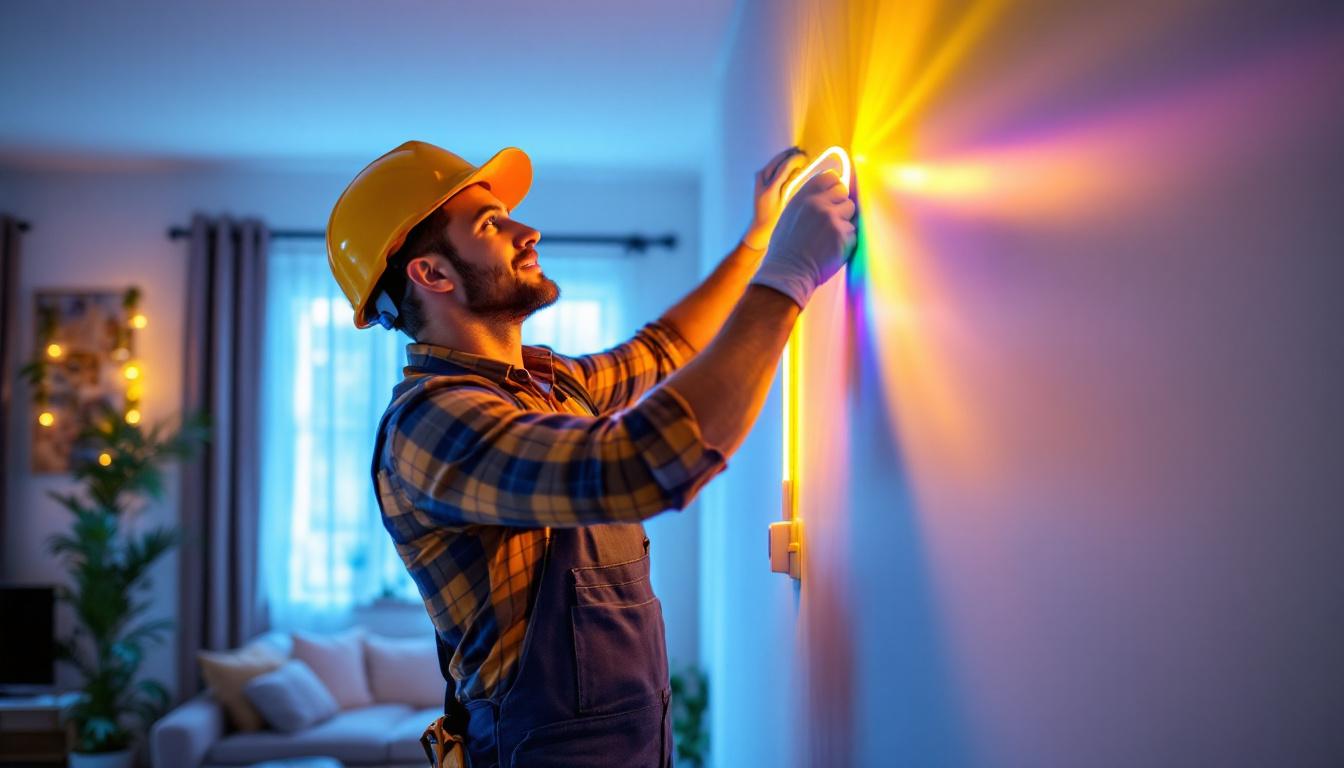
Understanding the Evolution of Lighting in Modern Projects
Lighting has always been a fundamental aspect of architectural design and interior aesthetics. For lighting contractors, the challenge has evolved beyond simply illuminating spaces to creating environments that enhance comfort, productivity, and energy efficiency. Traditional lighting projects often focus on fixture placement, light intensity, and color temperature, but increasingly, these elements alone are no longer sufficient to meet client expectations or industry standards.
The rise of smart technology has transformed many facets of building design, and lighting is no exception. Home automation lights represent a significant leap forward, integrating advanced controls, sensors, and connectivity to deliver dynamic lighting solutions. Despite this, many lighting projects still overlook the potential of home automation, missing out on the benefits it can bring to homeowners and end-users.
As we delve deeper into the realm of lighting design, it’s crucial to consider the psychological impact of light on human behavior. Studies have shown that different lighting conditions can significantly influence mood, productivity, and even health. For instance, natural light has been linked to improved concentration and reduced stress levels, making it a desirable element in office spaces and educational institutions. Conversely, harsh artificial lighting can lead to fatigue and discomfort, underscoring the importance of thoughtful design in creating spaces that promote well-being.
Moreover, sustainability has become a pivotal concern in modern lighting projects. With the growing emphasis on reducing carbon footprints and energy consumption, lighting designers are now tasked with selecting energy-efficient fixtures and incorporating renewable energy sources where possible. LED technology has revolutionized the industry, offering longer lifespans and lower energy usage compared to traditional incandescent bulbs. Additionally, the integration of daylight harvesting systems allows buildings to utilize natural light more effectively, further minimizing reliance on artificial sources. This shift not only benefits the environment but also aligns with the increasing demand from consumers for eco-friendly solutions in their living and working spaces.
Why Home Automation Lights Are Essential in Contemporary Lighting Projects
Enhancing User Experience Through Intelligent Control
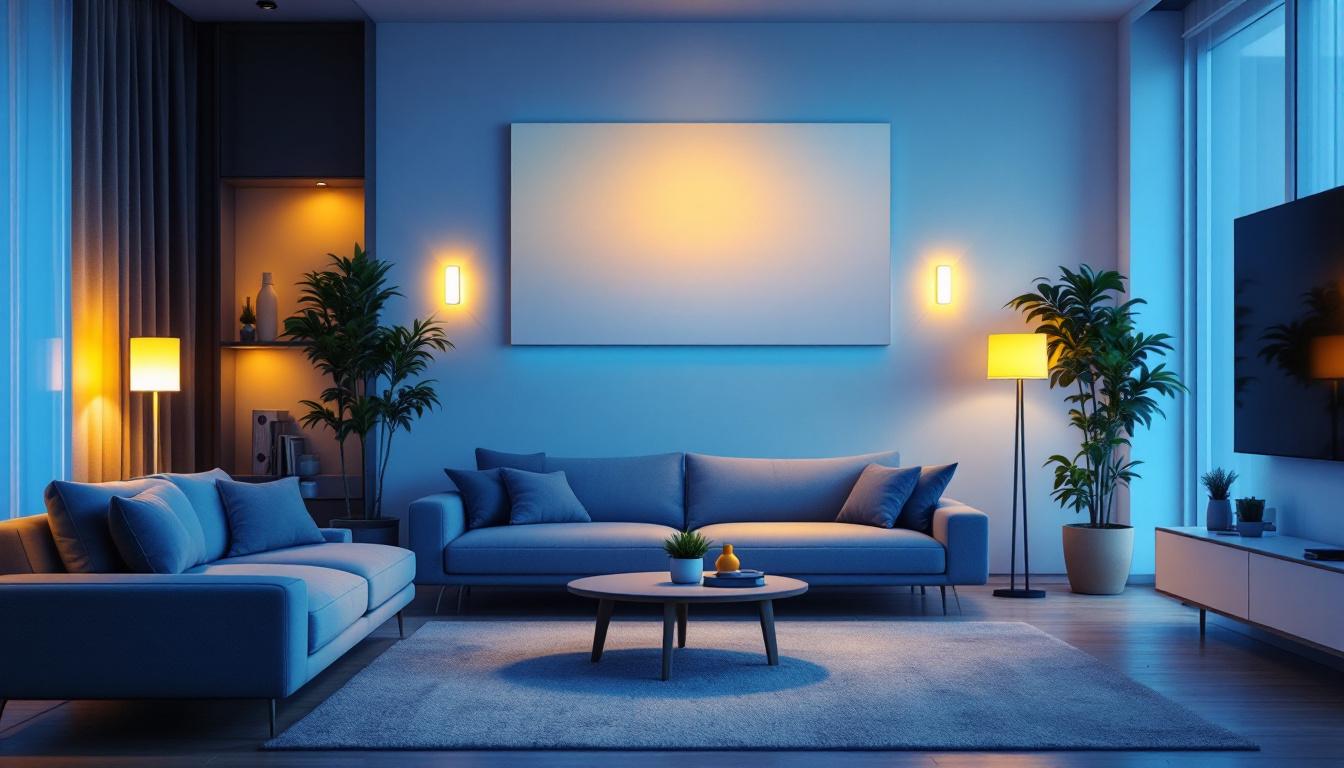
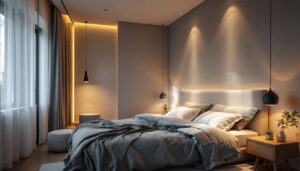
One of the primary advantages of home automation lighting is the ability to tailor lighting conditions to individual preferences and daily routines. Automated systems can adjust brightness, color, and timing based on occupancy, natural light levels, or preset scenes. This level of customization not only improves comfort but also adds convenience by reducing the need for manual adjustments.
For lighting contractors, incorporating automation means offering clients a solution that adapts to their lifestyle. Whether it’s dimming lights for a movie night or brightening spaces for work, automated lighting creates an intuitive environment that traditional systems cannot match. Furthermore, the ability to control lighting through mobile apps or voice commands enhances accessibility, making it easier for individuals with mobility challenges to manage their home environment effectively.
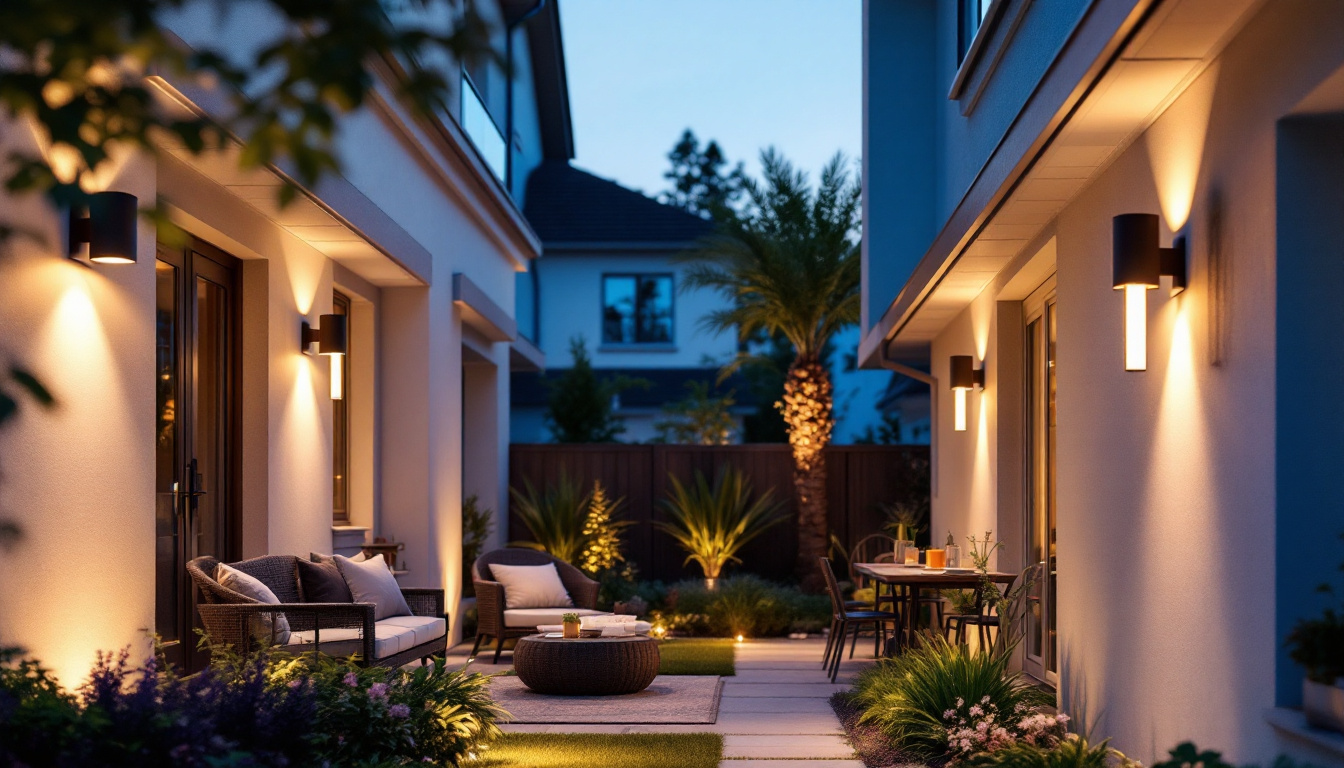
Imagine returning home after a long day; as you approach your front door, the outdoor lights illuminate your path, and upon entering, the interior lights adjust to your preferred evening settings. This seamless transition not only enhances the user experience but also creates a welcoming atmosphere that can significantly improve the quality of life for residents.
Energy Efficiency and Sustainability
Energy consumption is a critical concern in both residential and commercial lighting projects. Home automation lights contribute significantly to reducing energy waste through smart scheduling, motion detection, and daylight harvesting. For example, lights can automatically turn off in unoccupied rooms or adjust intensity based on available daylight, leading to substantial energy savings.
Statistics from energy studies consistently show that automated lighting systems can reduce electricity use by up to 30-40%, a compelling figure for environmentally conscious clients. For contractors, promoting these benefits aligns with growing demand for sustainable building practices and can differentiate their services in a competitive market. Additionally, the integration of energy-efficient LED technology with automation systems further amplifies these savings, as LEDs consume significantly less power than traditional incandescent bulbs while offering longer lifespans.
Moreover, the environmental impact of reduced energy consumption cannot be overstated. By decreasing reliance on fossil fuels and lowering greenhouse gas emissions, automated lighting systems contribute to a more sustainable future. This eco-friendly approach resonates with clients who prioritize sustainability, making it a key selling point for contractors looking to attract a conscientious clientele.
Integration with Broader Smart Home Ecosystems
Home automation lighting does not operate in isolation; it often forms part of a larger smart home ecosystem that includes security, HVAC, entertainment, and more. This integration allows for seamless control and coordination between systems, enhancing overall home functionality.
For example, lights can be programmed to flash in case of a security breach or gradually brighten to simulate sunrise as part of a wake-up routine. Such interoperability adds value to lighting projects and positions contractors as providers of comprehensive smart solutions rather than just lighting installers. Furthermore, the ability to integrate with voice assistants like Amazon Alexa or Google Assistant means that users can control their lighting with simple voice commands, enhancing the overall user experience and making technology more accessible.
Additionally, as smart home technology continues to evolve, the potential for innovative applications of automated lighting expands. For instance, lighting systems can be linked to smart thermostats to optimize energy use throughout the home, adjusting not only the lights but also the heating and cooling based on occupancy and time of day. This level of integration not only maximizes energy efficiency but also creates a more comfortable living environment tailored to the needs of the homeowner.
Common Barriers to Adoption and How to Overcome Them
Perceived Complexity and Installation Challenges
One reason many lighting projects omit home automation is the perception that these systems are complicated to install and maintain. This concern is valid, especially when retrofitting older homes or working with unfamiliar technology.
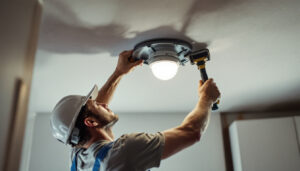
However, advances in wireless protocols and plug-and-play devices have simplified installation considerably. Lighting contractors can overcome this barrier by investing in training and partnering with reputable automation manufacturers who offer robust support and user-friendly platforms. Demonstrating ease of use to clients can also alleviate apprehension and encourage adoption.
Cost Considerations and Budget Constraints
Upfront costs for home automation lighting can be higher compared to traditional systems, which may deter some clients. Nevertheless, it is crucial to emphasize the long-term financial benefits, including energy savings, reduced maintenance, and increased property value.
Offering scalable solutions allows clients to start with essential automation features and expand over time as budgets permit. Transparent communication about return on investment helps clients see home automation lighting as a worthwhile investment rather than an unnecessary expense.
Compatibility and Standardization Issues
The smart lighting market is diverse, with numerous protocols and platforms that may not always be compatible. This fragmentation can complicate system design and integration, leading to potential frustration for contractors and clients alike.
To address this, contractors should prioritize products that support widely adopted standards such as Zigbee, Z-Wave, or Wi-Fi, and ensure interoperability with popular smart home hubs. Staying informed about industry trends and emerging standards is essential to future-proof lighting projects.
Practical Strategies for Incorporating Home Automation Lights into Projects
Conducting a Needs Assessment and Client Education
Successful integration begins with understanding the client’s lifestyle, preferences, and priorities. Lighting contractors should engage clients in detailed discussions about how they use their spaces and what they hope to achieve with automation.
Educating clients on the possibilities and limitations of home automation lighting helps set realistic expectations and fosters enthusiasm. Providing demonstrations or case studies can be particularly effective in illustrating the tangible benefits.
Designing Flexible and Scalable Systems
Design flexibility is crucial to accommodate future upgrades and changes in technology. Contractors should recommend modular systems that allow for easy addition of new devices or features without major rewiring or disruption.
Scalability also benefits clients by enabling phased investments, making automation more accessible and manageable. This approach can lead to higher client satisfaction and repeat business.
Prioritizing User-Friendly Interfaces
The success of home automation lighting depends heavily on the ease with which users can control their systems. Intuitive interfaces, whether through mobile apps, voice commands, or wall panels, enhance user engagement and reduce frustration.
Contractors should select platforms known for their simplicity and reliability, and provide thorough training or documentation to clients. This ensures that the technology enhances daily life rather than becoming a source of complexity.
Case Studies: Real-World Successes in Automated Lighting Projects
Luxury Residential Development
In a high-end residential project, home automation lighting was integrated throughout the property to create customizable ambiance and improve energy management. Motion sensors in hallways and bathrooms ensured lights were only active when needed, while preset scenes allowed residents to effortlessly switch between modes such as “Relax,” “Entertain,” and “Work.”
The project resulted in a 35% reduction in lighting energy consumption and received positive feedback for the seamless user experience. The contractor’s expertise in automation positioned them as a leader in luxury smart home installations.
Multi-Family Housing Complex
A multi-family housing developer incorporated automated lighting in common areas and individual units to enhance security and convenience. Automated exterior lighting responded to dusk and dawn, improving safety without manual intervention. Inside units, residents could control lighting via smartphone apps, adjusting brightness and color temperature to suit their preferences.
This approach not only improved tenant satisfaction but also contributed to the developer’s sustainability goals by reducing energy use across the complex.
Renovation of a Historic Home
In a sensitive renovation project, home automation lighting was used to modernize a historic home without compromising its character. Wireless smart bulbs and discreet sensors were installed to avoid invasive wiring, and lighting scenes were programmed to highlight architectural features.
The system provided modern convenience while respecting the home’s heritage, demonstrating how automation can be thoughtfully integrated into diverse project types.
The Future of Lighting Projects: Embracing Automation as a Standard
The trajectory of the lighting industry clearly points toward increased automation and integration. For lighting contractors, embracing home automation lights is not just a trend but a strategic imperative. It offers a pathway to deliver superior value, differentiate services, and meet the evolving demands of clients.
As technology continues to advance, contractors who invest in knowledge, partnerships, and innovative solutions will be best positioned to lead the market. Home automation lighting is the missing piece in many lighting projects—when included, it completes the picture of modern, efficient, and user-centric illumination.
By recognizing and harnessing the potential of automated lighting, contractors can transform their projects from simple installations into comprehensive smart environments that truly enhance the way people live and interact with their spaces.
Illuminate Your Projects with LumenWholesale
Ready to elevate your lighting projects with the cutting-edge advantages of home automation lights? At LumenWholesale, we provide you with the spec-grade lighting solutions you need to stay ahead in the industry. Our commitment to quality and affordability ensures you get the most out of your investment. Say goodbye to middlemen and inflated prices, and hello to a vast selection of premium lighting products that meet the highest standards. Plus, with free shipping on bulk orders, you can stock up on superior lighting without the worry of hidden fees. Don’t let your projects miss out on the benefits of modern, efficient lighting. Discover wholesale lighting at the best value today and illuminate the way forward with LumenWholesale.