The Unique Advantages of High Pressure Sodium Lights in Street Lighting
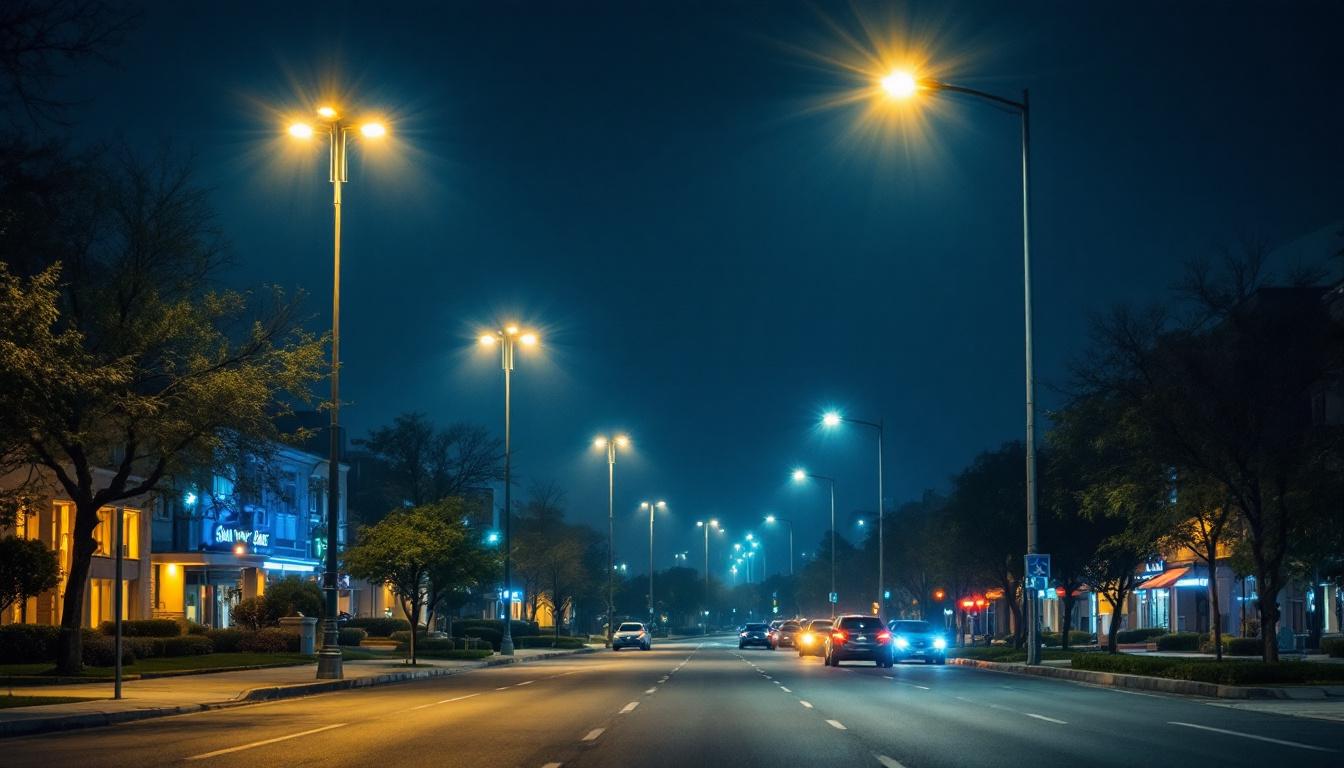
High Pressure Sodium (HPS) lamps have long been a staple in street lighting installations, and for good reason. Their distinctive amber glow is instantly recognizable, but beyond aesthetics, these lamps offer a suite of benefits that directly contribute to safer streets and more reliable lighting systems.
One of the key advantages of HPS lights is their high luminous efficacy. They produce a significant amount of visible light per watt of energy consumed, making them an efficient choice for illuminating expansive outdoor areas. This efficiency translates into brighter streets without the need for excessive power consumption, which is crucial for municipalities and contractors aiming to balance cost and performance.
In addition, HPS lamps have a relatively long service life compared to many other lighting technologies. This durability reduces maintenance frequency, minimizing the need for frequent ladder work or road closures to replace bulbs. Fewer maintenance operations mean less disruption to traffic and pedestrians, directly enhancing safety for both workers and the public.
Moreover, HPS lights are known for their excellent performance in various weather conditions. Whether it’s rain, fog, or snow, these lamps maintain their brightness and visibility, ensuring that streets remain well-lit regardless of the elements. This resilience is particularly important in regions that experience harsh winters or heavy rainfall, where consistent lighting can significantly impact road safety and visibility for drivers and pedestrians alike.
Another noteworthy aspect of HPS technology is its ability to penetrate through atmospheric conditions better than many alternatives. The warm color temperature of HPS lamps allows for improved visibility at night, as the amber hue helps to reduce glare and enhance contrast. This characteristic is especially beneficial in urban areas where street lighting interacts with various light sources, such as vehicle headlights and neon signs, helping to create a more comfortable and safer environment for all road users.
How HPS Lighting Improves Visibility and Reduces Accidents
Enhanced Contrast and Color Perception
Street lighting’s primary role is to improve visibility, and HPS lamps excel in this area. Their warm, amber light penetrates fog, rain, and dust better than many other light sources. This quality is vital in urban and suburban environments where weather conditions can fluctuate rapidly. The unique spectrum of HPS lighting also plays a significant role in enhancing the visibility of road markings and signage, which are crucial for safe navigation. In areas prone to inclement weather, the amber hue cuts through the gloom, allowing drivers to maintain better situational awareness.
While HPS lights do not render colors as vividly as LED or metal halide lamps, their ability to enhance contrast helps drivers and pedestrians detect obstacles, road signs, and moving objects more easily. This enhanced contrast reduces the likelihood of accidents, especially during nighttime or poor weather conditions. Moreover, studies have shown that areas illuminated by HPS lighting report fewer incidents of pedestrian-related accidents, as the warm light creates a more inviting atmosphere that encourages cautious behavior among both drivers and walkers.
Consistent Light Distribution
Another safety factor is the uniformity of light distribution. HPS fixtures are designed to spread light evenly across roadways and sidewalks, minimizing dark spots and harsh shadows. Uneven lighting can create blind spots that increase the risk of accidents and crime. By providing consistent illumination, HPS lamps help create safer environments for all road users. This uniformity not only aids in the detection of potential hazards but also fosters a sense of security for pedestrians, who may otherwise feel vulnerable in poorly lit areas.
Furthermore, the strategic placement of HPS lighting can significantly influence traffic patterns and behaviors. By illuminating intersections and crosswalks effectively, HPS lights encourage drivers to slow down and be more vigilant, thereby reducing the likelihood of collisions. In addition, the psychological impact of well-lit streets cannot be understated; communities with better lighting often experience lower crime rates, as the visibility provided by HPS lighting deters potential criminal activity. As cities continue to evolve and adapt to new technologies, the enduring benefits of HPS lighting remain a cornerstone of urban safety and accessibility.
Durability and Reliability: Key to Safe Lighting Installations
Lighting contractors understand that the durability of fixtures and lamps is paramount in public safety. High Pressure Sodium lamps are known for their robust construction and ability to withstand harsh outdoor conditions. Their performance remains stable even in extreme temperatures, which is essential for installations in regions with wide temperature variations. This resilience not only ensures consistent illumination but also minimizes maintenance costs, as these fixtures require less frequent replacements compared to their less durable counterparts.
Moreover, the reliability of HPS lamps reduces the chances of sudden outages. A streetlight that unexpectedly goes dark can create dangerous situations for drivers and pedestrians. The long lifespan and stable operation of HPS lamps mean fewer outages and a safer, more predictable lighting environment. In addition to their longevity, HPS lamps provide a warm, inviting glow that enhances visibility and safety, making them a preferred choice for urban and suburban lighting projects alike.
Furthermore, the integration of advanced technology in lighting systems is revolutionizing the way we think about durability and reliability. Smart lighting solutions, which can monitor the performance of HPS lamps in real-time, allow for proactive maintenance and quick responses to any issues that may arise. These systems can detect when a lamp is nearing the end of its life or if it has failed, enabling contractors to address problems before they impact public safety. This proactive approach not only enhances the reliability of street lighting but also contributes to energy efficiency, as smart systems can optimize light output based on environmental conditions and traffic patterns.
In addition to their practical benefits, the use of durable and reliable lighting fixtures can also have a positive impact on community well-being. Well-lit streets and public spaces encourage outdoor activities and foster a sense of safety among residents. This can lead to increased foot traffic in commercial areas and promote social interactions, contributing to vibrant community life. As cities continue to evolve and prioritize sustainability, the focus on durable lighting solutions will play a crucial role in shaping safer, more livable urban environments.
Energy Efficiency and Cost-Effectiveness: Balancing Safety and Budget
For lighting contractors, the challenge often lies in delivering safe, effective lighting solutions within budget constraints. High Pressure Sodium lamps strike a balance between energy efficiency and cost. Although LEDs are gaining popularity, HPS lamps remain a cost-effective option for large-scale installations due to their lower upfront costs and proven track record.
Lower energy consumption not only reduces operational costs but also supports sustainability goals. Efficient lighting contributes to reduced carbon footprints, an increasingly important consideration for municipalities and contractors alike.
Installation and Maintenance Considerations for Contractors
From a practical standpoint, HPS street lighting installations are straightforward and compatible with existing infrastructure. Many urban areas already have fixtures designed for HPS lamps, allowing contractors to upgrade or maintain systems without extensive retrofitting.
Maintenance is simplified by the lamp’s long life and stable operation. When replacements are necessary, the availability of HPS bulbs and components remains high, ensuring quick turnaround times. This reliability helps contractors maintain consistent lighting levels, which is critical for ongoing safety.
Addressing Common Concerns About HPS Lighting
Color Rendering Limitations
One frequent critique of HPS lighting is its poor color rendering index (CRI), which can make it difficult to distinguish colors under its amber glow. While this is a valid concern, it’s important to weigh it against the lamp’s superior penetration in adverse weather and its ability to improve contrast.
In many street lighting scenarios, the priority is not perfect color accuracy but rather clear visibility and safety. For areas where color differentiation is critical, such as pedestrian crossings or signage, supplementary lighting or mixed lighting strategies can be employed.
Light Pollution and Glare
Proper fixture design and installation mitigate issues related to light pollution and glare. HPS lamps, when paired with well-designed luminaires, focus light downward and reduce spillover into residential areas or the night sky. This targeted lighting approach enhances safety by preventing glare that can temporarily blind drivers or pedestrians.
The Future Role of High Pressure Sodium in Street Lighting
Although LED technology is rapidly advancing and becoming more prevalent, HPS lamps continue to hold a valuable place in street lighting. Their proven reliability, cost-effectiveness, and safety benefits make them a practical choice for many contractors and municipalities, especially in large-scale or budget-sensitive projects.
Hybrid lighting systems that combine HPS lamps with newer technologies can offer the best of both worlds-energy efficiency and enhanced color rendering-while maintaining safety and reliability. Lighting contractors who understand the strengths of HPS technology can better tailor solutions that meet the specific needs of their clients and communities.
Conclusion: Why Lighting Contractors Should Consider HPS for Safety-Driven Projects
High Pressure Sodium street lights are more than just a traditional option; they are a safety asset. Their ability to provide bright, uniform illumination with excellent penetration through adverse weather conditions directly contributes to safer streets. The durability and long lifespan reduce maintenance disruptions, further protecting both workers and the public.
For contractors tasked with delivering reliable, cost-effective lighting installations, HPS lamps offer a proven solution. Understanding their benefits and limitations enables the creation of lighting systems that prioritize safety without compromising on budget or efficiency.
Choosing the right lighting technology is a critical decision. High Pressure Sodium street lights remain a trusted choice that enhances safety and performance in countless lighting installations worldwide.
Illuminate Your Projects with LumenWholesale
Ready to enhance the safety and efficiency of your lighting installations with High Pressure Sodium street lights? At LumenWholesale, we provide lighting contractors with the highest quality HPS lamps and fixtures at unbeatable wholesale prices. Our spec-grade products meet rigorous industry standards, ensuring you deliver reliable and high-performance lighting solutions. With the added benefits of free shipping and bulk buying options, you can trust that you’re getting the best value without any hidden costs. Elevate your lighting projects today by visiting Wholesale Lighting at the Best Value and experience the LumenWholesale difference.